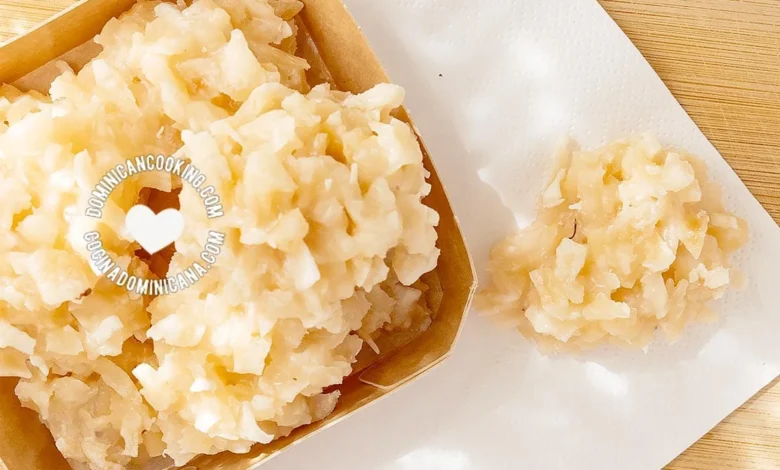
A humble yet ubiquitous treat, cocadas, also known as Dominican coconut candies, are a testament to the simple elegance of traditional confectionery. These dry, sweet confections, primarily featuring shredded coconut, sugar, and cinnamon, are a staple found in grocery stores and colmados (corner stores) across the Dominican Republic and are now accessible to home cooks through straightforward video recipes. Clara Gonzalez, the culinary mind behind DominicanCooking.com, provides a detailed guide to creating these beloved sweets, highlighting their affordability, ease of preparation, and remarkable shelf life.
The Allure of Simplicity: Why Cocadas Endure
The enduring popularity of cocadas can be attributed to several key factors, as articulated by Gonzalez. Firstly, the recipe’s minimalist approach, requiring only four core ingredients, makes it an approachable endeavor for novice cooks. This simplicity extends beyond the ingredient list; the process itself is uncomplicated, demanding neither baking nor specialized kitchen equipment. This low barrier to entry ensures that anyone with basic cooking knowledge can produce these treats.
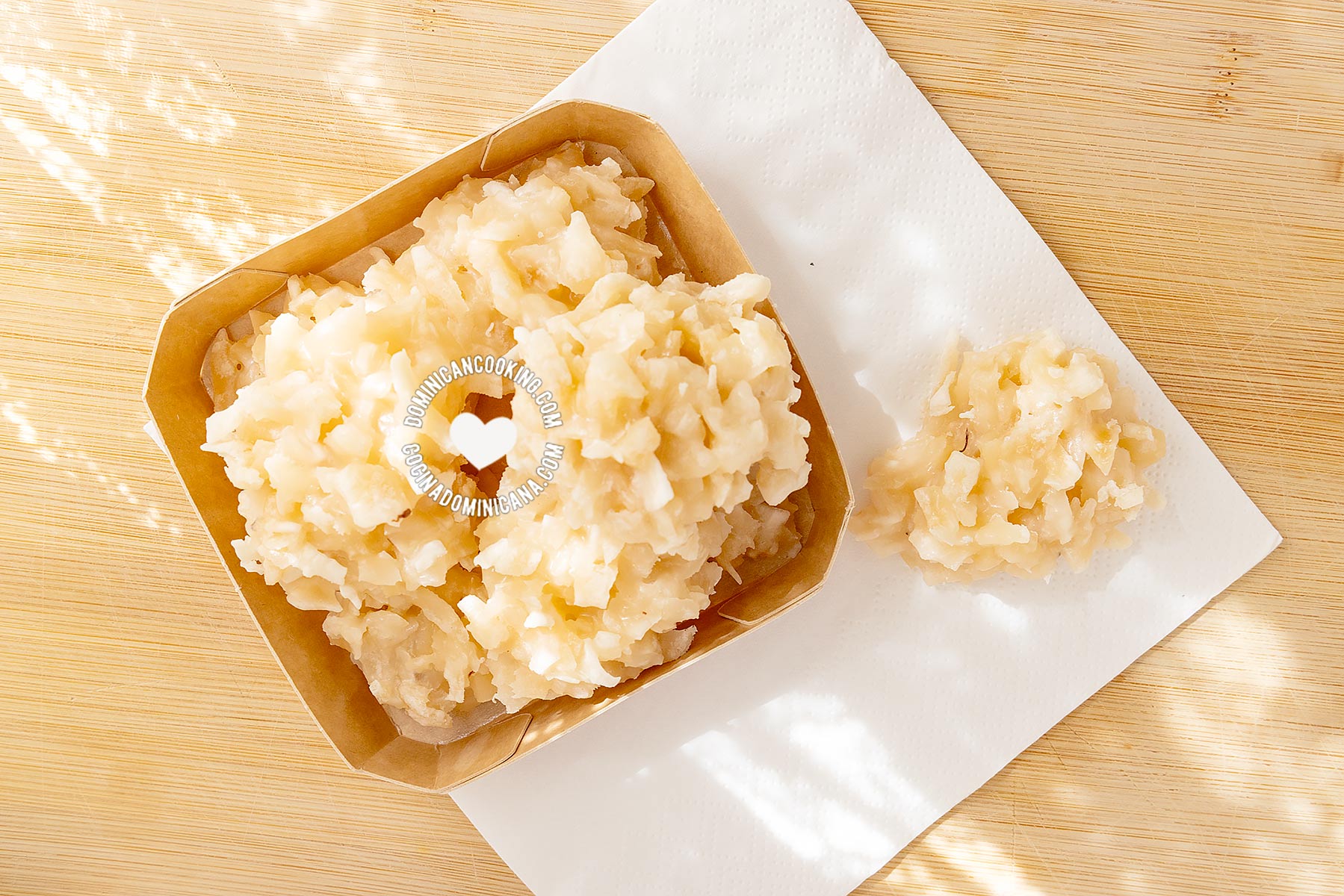
Secondly, the economic viability of cocadas is a significant draw. Made with common pantry staples, the cost per serving is remarkably low, making them an accessible indulgence for many. This affordability is crucial in a landscape where delicious treats are sought after by all demographics.
Perhaps one of the most practical advantages of cocadas is their extended shelf life. Gonzalez notes that they can be stored for weeks, allowing individuals to have a convenient, ready-to-enjoy sweet to conclude meals or satisfy a craving at any moment. This long-lasting nature transforms them from a fleeting dessert into a pantry staple.
Understanding the Cocada: A Cultural Sweet
At its essence, a cocada is a dried coconut candy. The primary ingredients – fresh shredded coconut, cinnamon, and sugar – are combined and processed to create a firm, sweet confection. Traditionally, these candies are presented in large, clear jars, a common sight on the counters of Dominican colmados, serving as a visual and olfactory invitation to a sweet escape. Their presence in these local shops underscores their deep integration into the Dominican culinary landscape.
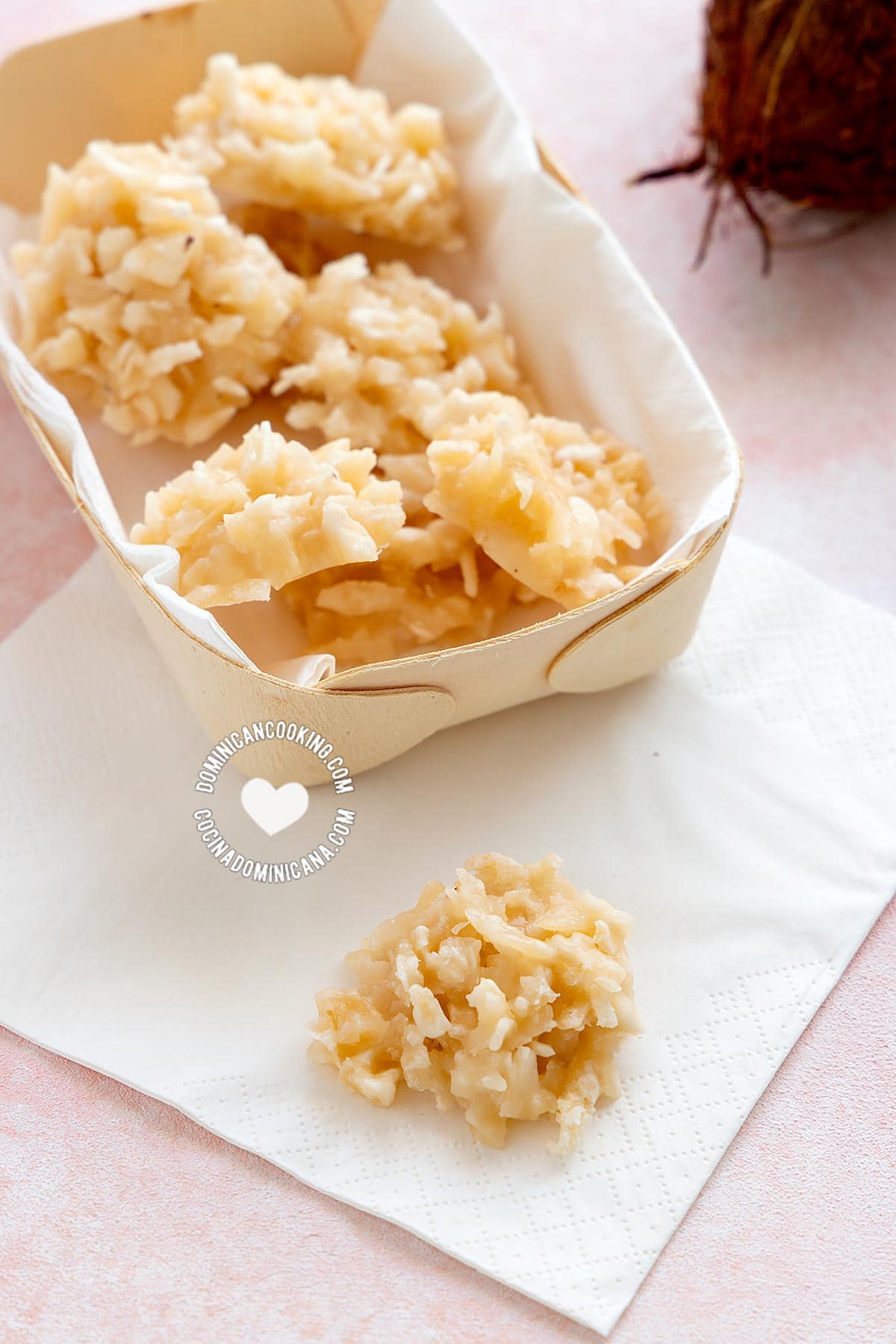
While often referred to simply as cocadas, these candies may also be known by other names depending on the region or individual family traditions. Gonzalez herself recalls them being called "Dulcitos de coco" or "Coquitos" during her upbringing, drawing a parallel to "Coco horneado" (baked coconut), but in individual, bite-sized portions. The term "cocada" is widely adopted across much of the country for these flourless coconut cookies, cementing their identity within Dominican gastronomy.
The Art of Crystallization: Achieving the Perfect Texture
The creation of a truly exceptional cocada hinges on a delicate balance during the sugar reduction process. The goal is not to achieve a chewy caramel but rather a precisely crystallized sugar structure that imparts a satisfying crunchy, non-sticky texture. This textural nuance is critical to the overall appeal of the candy.
Gonzalez shares a valuable technique, honed through her experience making Dominican dulce de leche, which is instrumental in achieving this desired outcome. The trick involves adding sugar towards the end of the cooking process. This strategic addition accelerates the sugar crystallization, ensuring the cocadas develop the perfect crispness without becoming overly sticky or hard. This method, she asserts, consistently yields the ideal texture, making the recipe foolproof.

Aesthetically, cocadas are frequently found dyed a vibrant red. However, Gonzalez opts for a natural approach in her recipe, omitting food coloring. This choice allows the natural hues of the coconut and cinnamon to shine through. For those who prefer the visual flair of colored cocadas, the addition of food coloring is an optional but straightforward modification.
A Look at the Recipe and Its Context
The provided recipe, originating from December 30, 2008, and reviewed on July 12, 2026, by Clara Gonzalez, emphasizes efficiency and flavor. The preparation time is a mere 10 minutes, with a cooking time of 35 minutes, bringing the total time to 45 minutes. This quick turnaround makes it an ideal recipe for spontaneous sweet cravings or for busy individuals looking to create a delightful dessert without an extensive time commitment.
The recipe is categorized as a dessert and falls under the Dominican cuisine umbrella. It yields approximately six servings, with each serving containing an estimated 269 calories. The nutritional breakdown highlights a significant carbohydrate content (38g), primarily from sugar (35g), with a moderate fat profile (14g), including 12g of saturated fat. Protein is minimal at 1g.
Key Recipe Components and Steps:
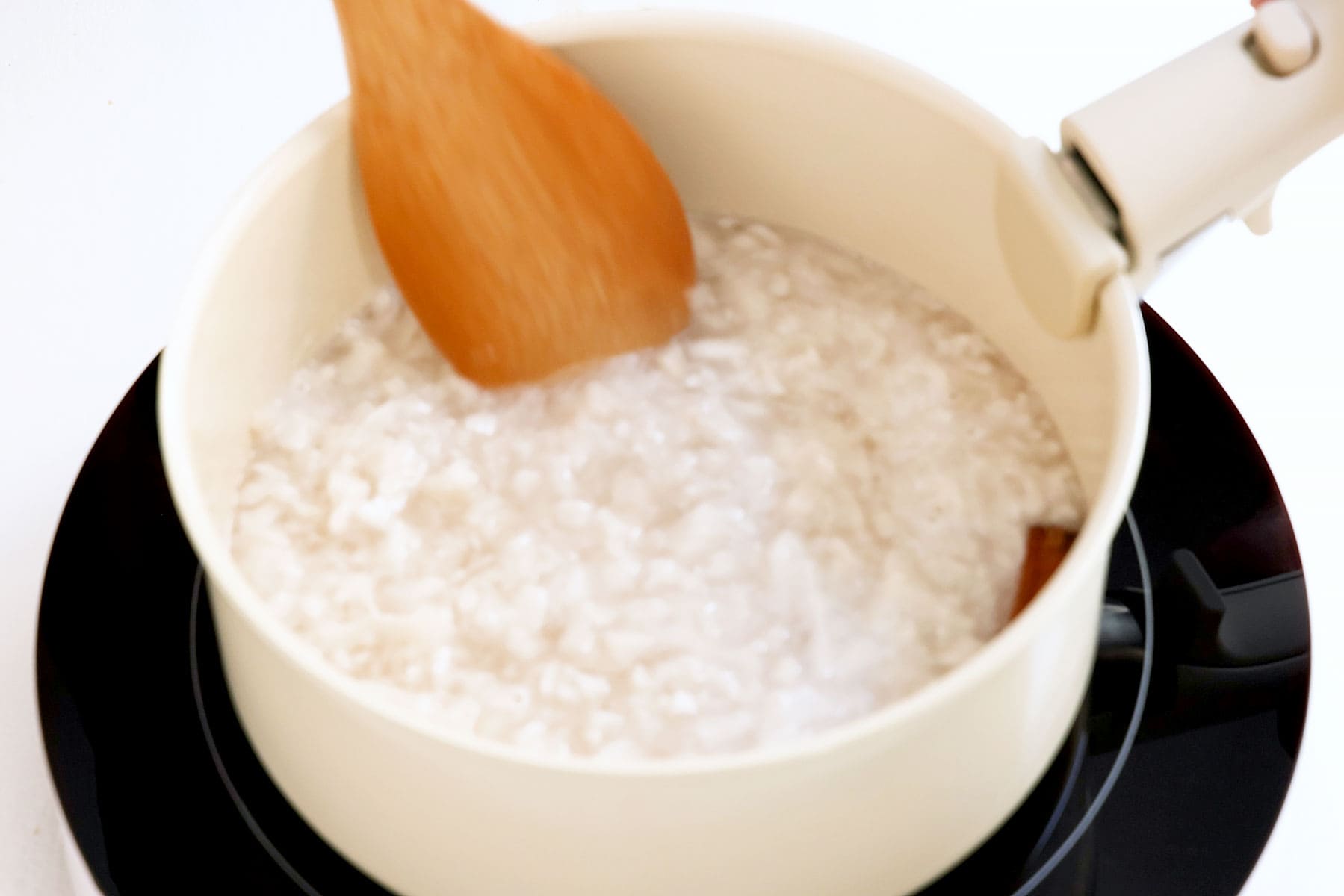
The recipe, though not fully detailed in the provided excerpt, generally involves combining shredded coconut, sugar, and cinnamon. This mixture is then cooked until it reaches the desired consistency. The crucial step of molding the cocadas follows, where the warm mixture is shaped into individual candies. Finally, the molded cocadas are allowed to cool and firm up, ready for storage or immediate enjoyment.
Step 1: Combine Ingredients
The initial stage involves bringing together the core components: shredded coconut, sugar, and cinnamon. The quality of the shredded coconut is paramount; using fresh, unsweetened coconut is recommended for optimal flavor and texture.
Step 2: Cook and Reduce
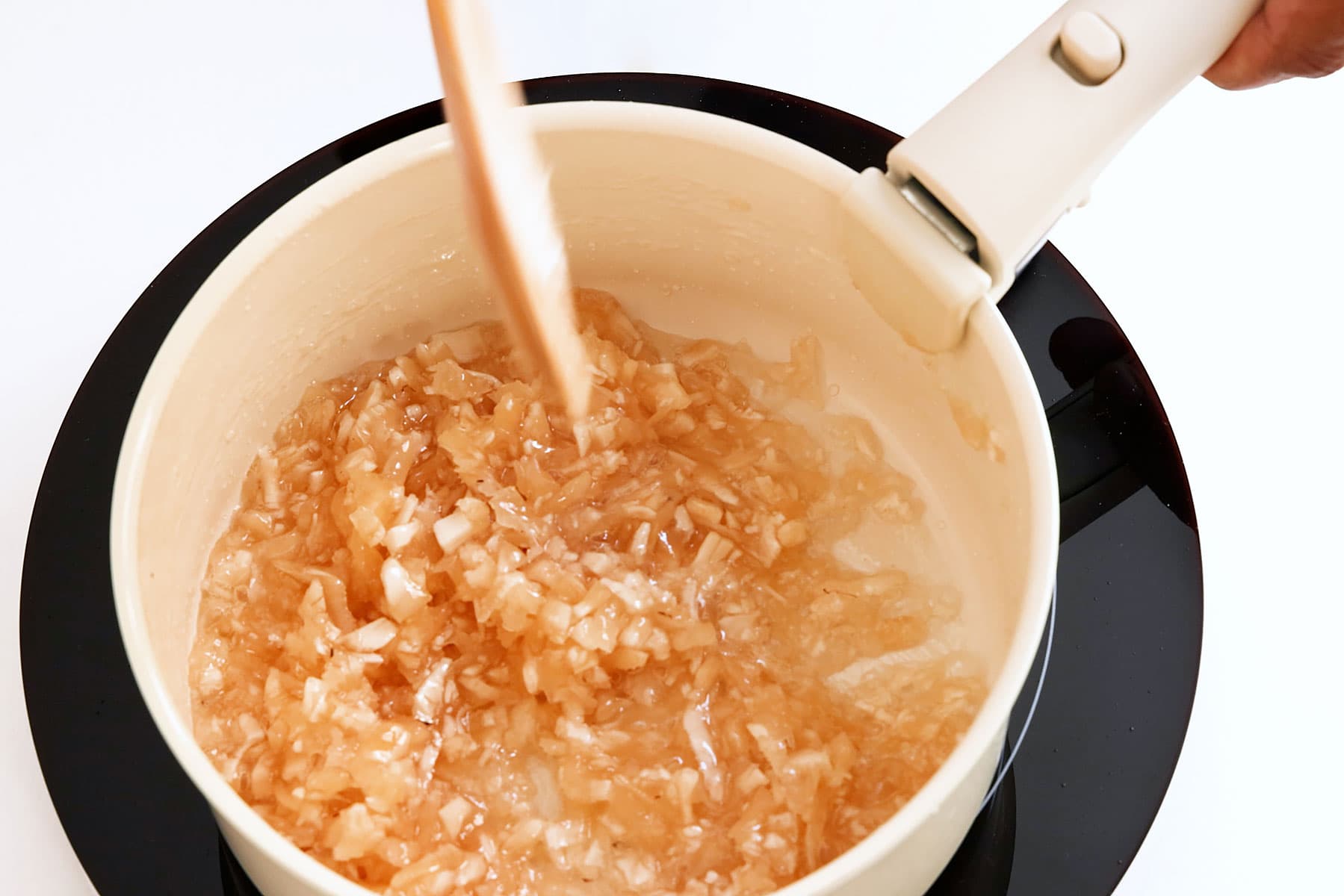
The mixture is then subjected to heat, allowing the sugar to dissolve and caramelize, while the liquid evaporates. This cooking process requires careful monitoring to prevent burning and to achieve the correct sugar crystallization. The addition of sugar later in the process, as per Gonzalez’s tip, is a critical technique employed here.
Step 3: Mold the Candies
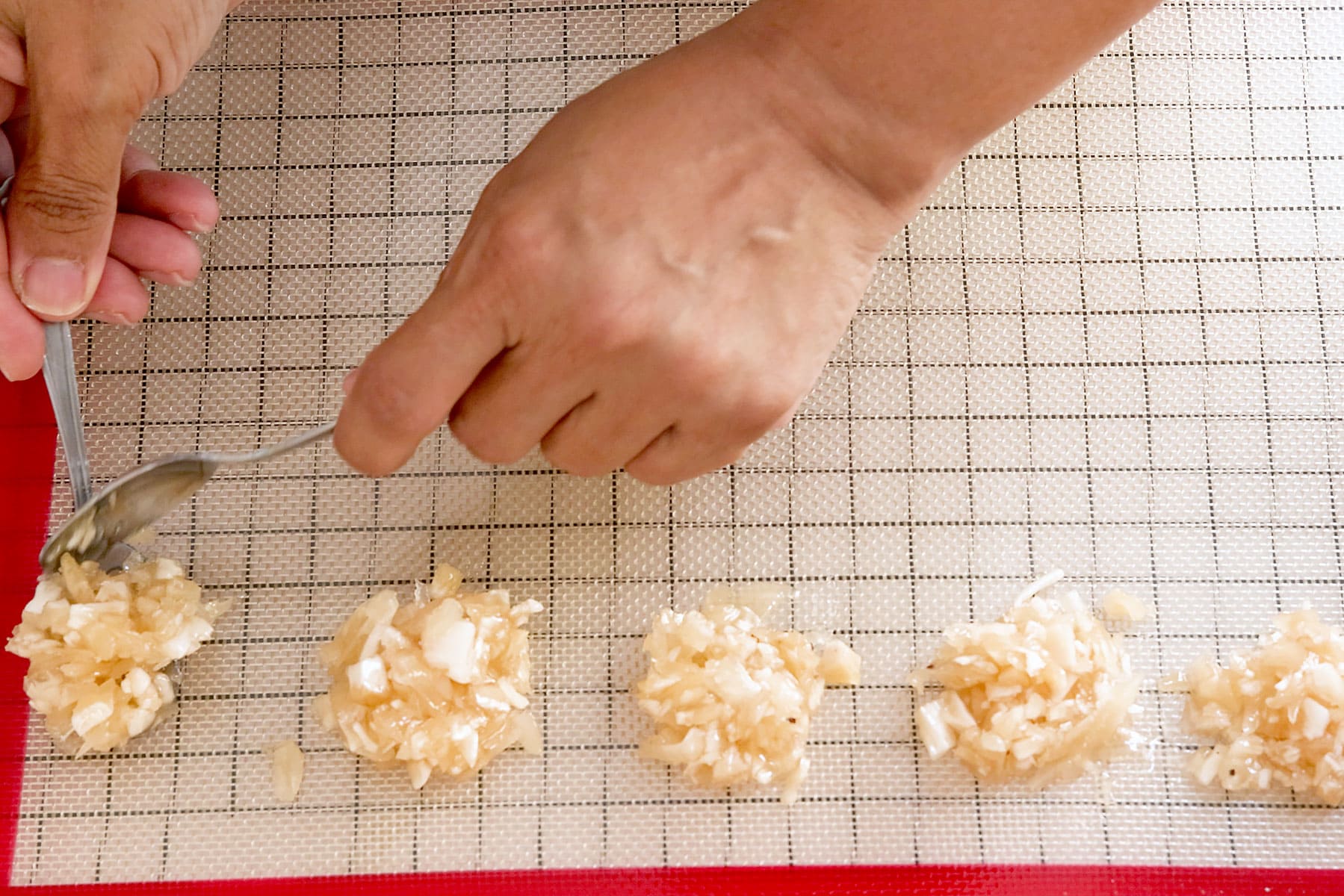
Once the mixture has reached the desired consistency – firm enough to hold its shape but still pliable – it is carefully molded into individual cocadas. This can be done by hand, forming small balls or flattened discs.
Step 4: Cool and Store
The molded cocadas are then set aside to cool completely. As they cool, they firm up, developing their characteristic crisp exterior. Once cooled, they can be stored in an airtight container at room temperature for several weeks.
Nutritional Insights and Serving Suggestions
The nutritional profile of cocadas reflects their sweet and coconut-rich nature. The high sugar content is typical of many traditional candies. The inclusion of coconut provides dietary fiber and healthy fats. While the recipe is simple, the nutritional values are automatically calculated and should be considered approximate.
The mention of "readers searched for" terms like "cocadas secas," "coconut candies," "coquitos," and "dulce de coco seco" further solidifies the identity and common nomenclature of this dessert, highlighting its widespread recognition and searchability within culinary contexts.
The Broader Impact: Cultural Significance and Accessibility
The accessibility of this recipe, presented through a video format and with minimal ingredient requirements, democratizes the creation of a beloved Dominican treat. It empowers individuals, regardless of their culinary background or geographic location, to connect with Dominican culture through its flavors. The fact that this recipe has been available since 2008 and continues to be relevant speaks to its timeless appeal and the enduring popularity of cocadas.
The presentation of the recipe by Clara Gonzalez, a respected figure in Dominican cuisine, lends it authenticity and credibility. Her personal anecdotes and insights, such as her childhood memories and her clever sugar crystallization trick, add a layer of warmth and cultural richness to the practical instructions. This approach not only teaches a recipe but also shares a piece of Dominican heritage, making the act of cooking cocadas a culturally immersive experience. The availability of related recipes, such as "Coco horneado" and "Dominican dulce de leche," further contextualizes cocadas within a broader spectrum of Dominican sweets, allowing for exploration and a deeper appreciation of the country’s dessert traditions.
Related posts: