In the vibrant culinary landscape of the Caribbean, few components hold as much cultural and visual significance as suspiro, the cloud-like meringue icing traditionally paired with bizcocho dominicano (Dominican cake). Translating poetically to "sigh" in Spanish, this delicate topping is far more than a mere confectionary accent; it is a technical cornerstone of Dominican baking heritage. While other Spanish-speaking regions broadly categorize similar whipped egg white toppings as merengue—a nomenclature that creates linguistic overlap with the Dominican Republic’s national genre of music—the culinary execution of suspiro maintains distinct characteristics that separate it from French, Swiss, or standard Italian variations.
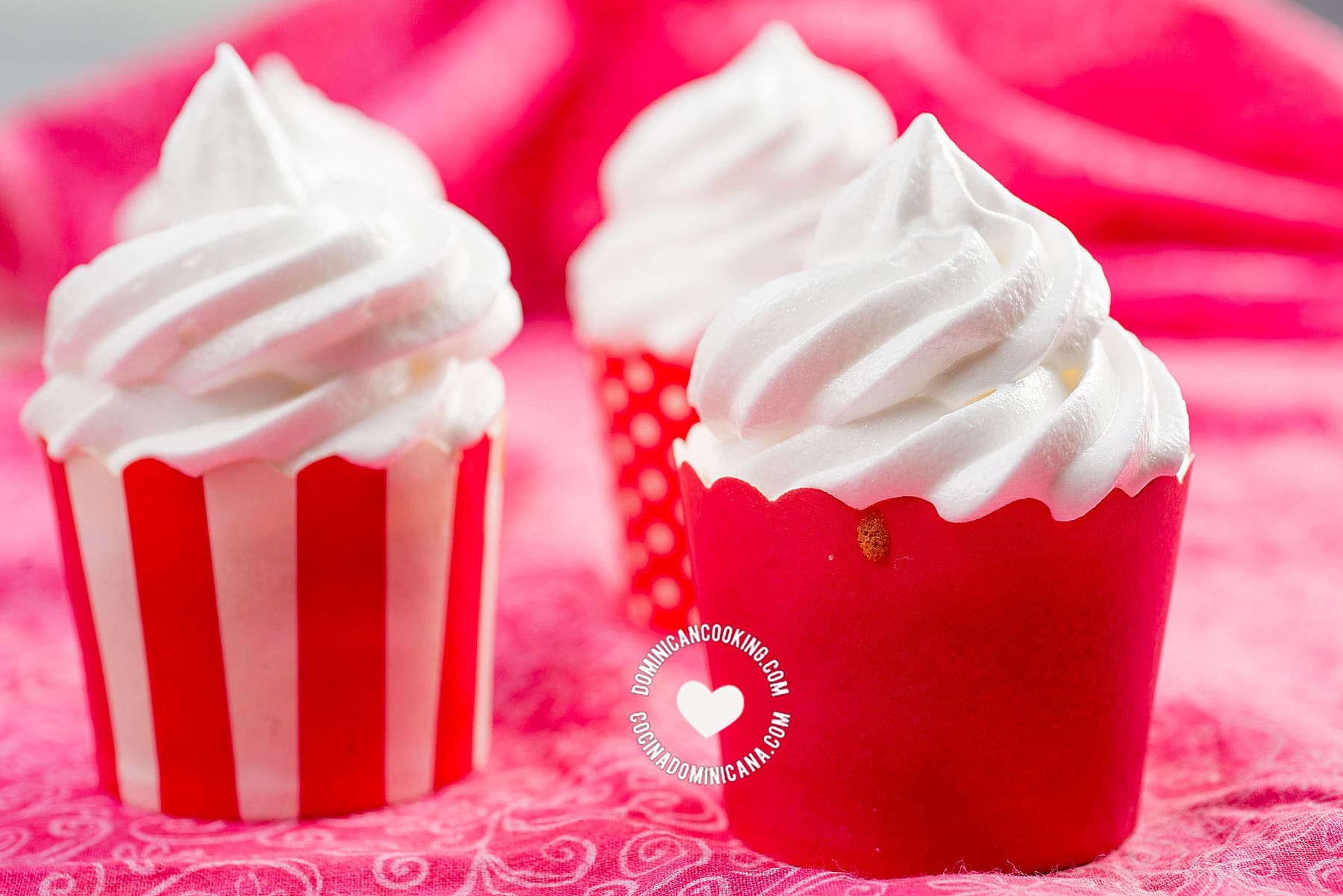
The production of authentic suspiro requires a precise balance of chemistry, temperature control, and timing. At its core, the icing is fundamentally aligned with Italian meringue methodology. It relies heavily on whipping egg whites to a stable foam while simultaneously cooking granulated sugar into a boiling syrup, which is then streamed into the whirling whites. This hot-sugar technique serves a dual purpose: it builds robust structural integrity within the egg protein matrix, yielding firm, glossy peaks capable of holding intricate piping designs, and it mitigates microbiological risks associated with raw egg consumption. Public health frameworks consistently emphasize the importance of thermal treatment for raw eggs to prevent foodborne pathogens such as Salmonella, making the hot-caramel infusion method an essential food safety practice passed down through generations of home bakers and professional pastry chefs alike.
Culinary Evolution and Cultural Context
The history of bizcocho dominicano and its mandatory companion, suspiro, is deeply intertwined with the island’s socioeconomic and agricultural development. The widespread availability of refined cane sugar in the region historically fueled the evolution of elaborate baking traditions. Over decades, local bakers refined techniques to adapt European pastry methods to the tropical climate of the Dominican Republic, where humidity presents a persistent challenge to delicate sugar- and egg-based icings.

The resulting suspiro formulation is engineered to withstand ambient conditions while maintaining its signature texture. Depending on the precise sugar-to-egg-white ratio employed, the icing can remain soft and pliable with stiff peaks or gradually form a delicate, crisp outer crust after several hours of resting at room temperature. This versatility allows bakers to execute everything from smooth, seamless cake coverings to elaborate shell borders, rosettes, and basket-weave patterns without structural collapse.
Culinary historians note that the tradition of serving Dominican cake at milestone celebrations—including weddings, baptisms, and birthdays—has cemented suspiro as a sensory symbol of festivity and hospitality within the diaspora and on the island. The standard yield of a foundational recipe produces approximately six cups of icing, scientifically calculated to sufficiently coat a traditional one-pound Dominican cake while leaving an ample surplus for decorative piping.

Technical Specifications and Preparation Chronology
Achieving professional results with suspiro demands adherence to a structured timeline and meticulous workspace preparation. Professional bakers and culinary instructors emphasize the elimination of all residual fats from mixing bowls and whisks, as even microscopic traces of lipids can inhibit the aeration of egg whites.
The chronological execution of the recipe follows a strict sequence:
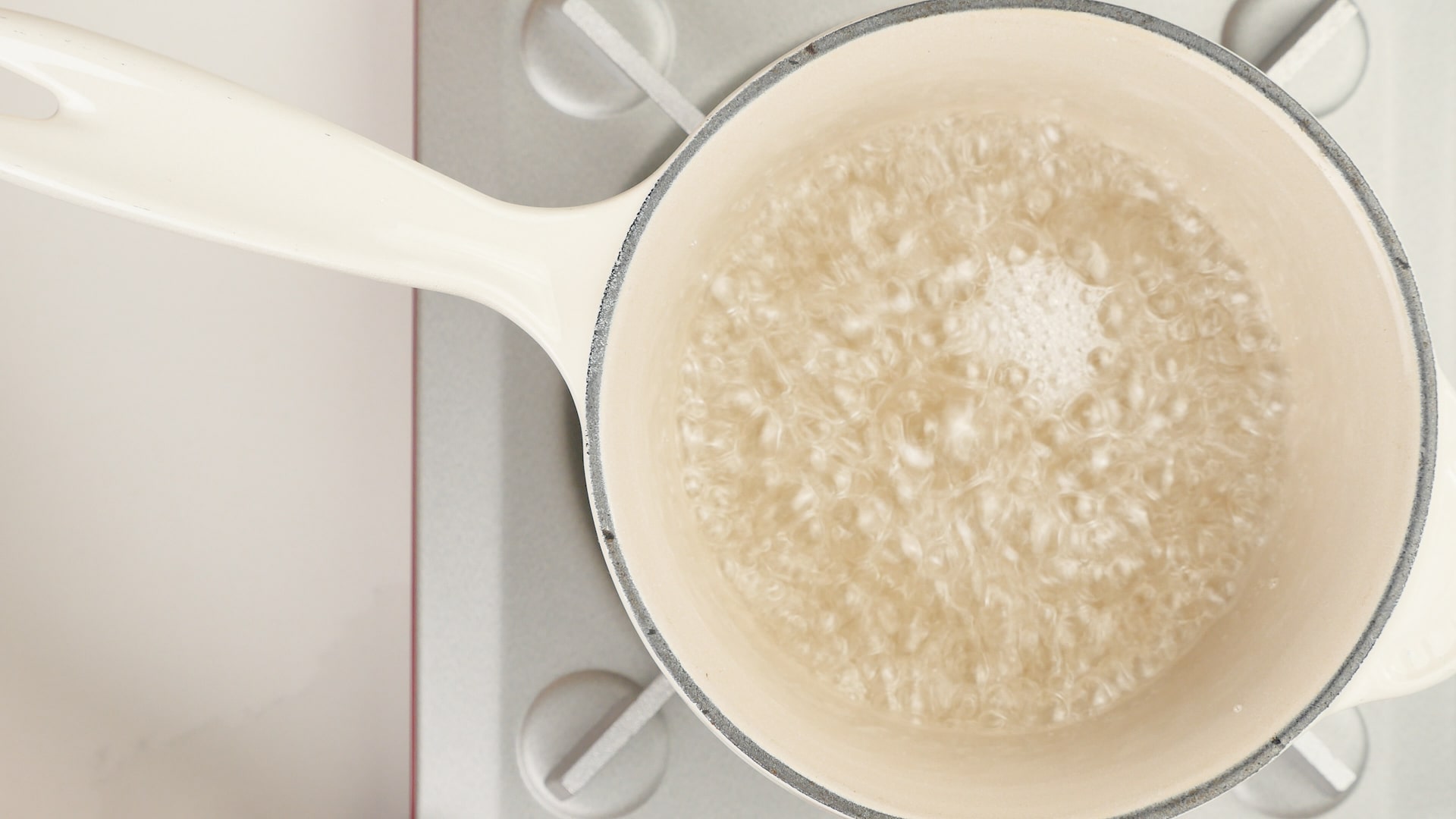
- Syrup Preparation (Phase One – Approximate Time: 5 minutes): Granulated sugar and water are combined in a heavy-bottomed saucepan and heated over medium-high heat. The mixture must reach the precise softball to firm-ball stage through thermal monitoring, ensuring the caramel achieves the correct viscosity before introduction to the proteins.
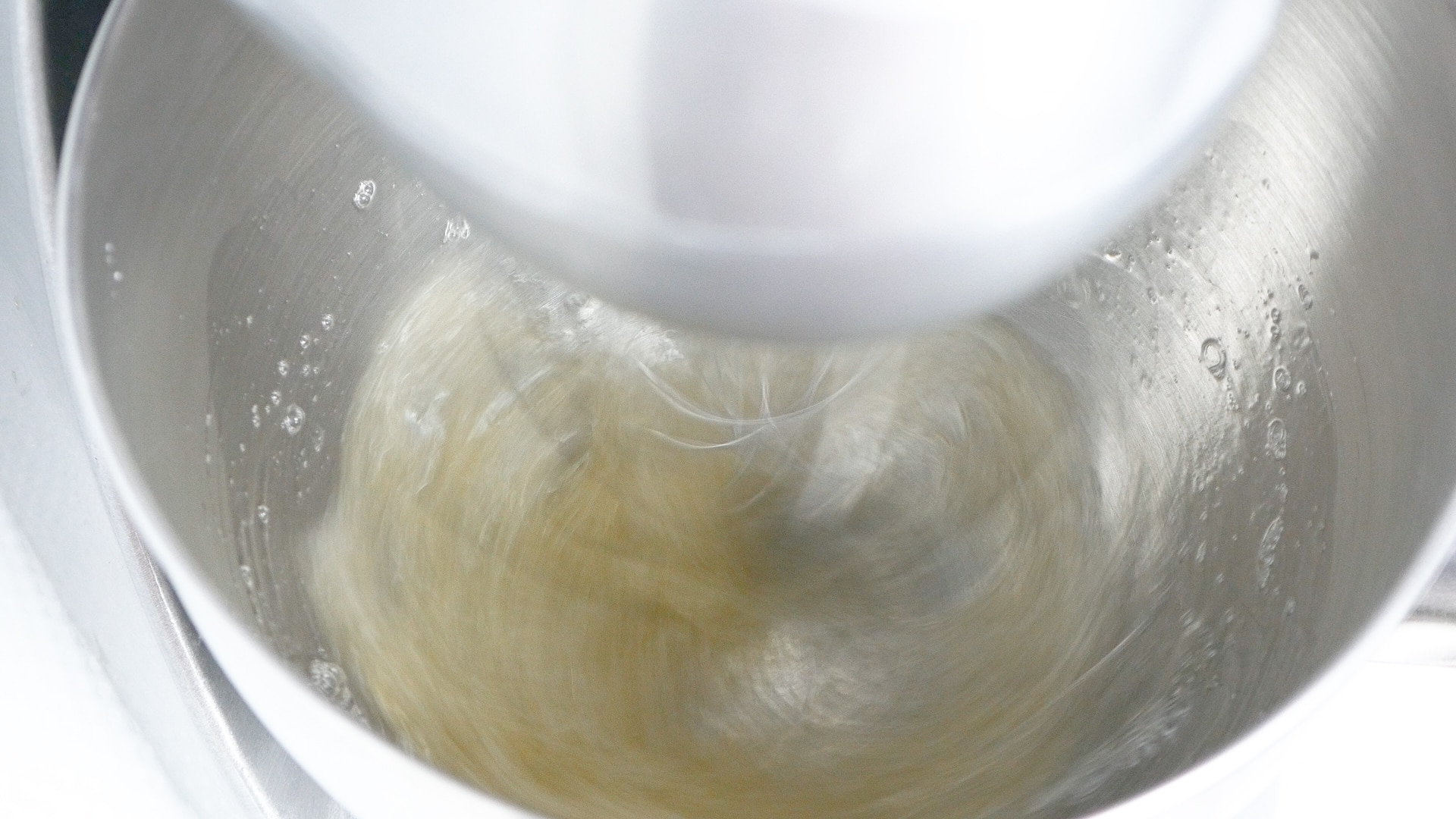
- Protein Aeration (Phase Two – Approximate Time: 5 to 7 minutes): Concurrently, room-temperature egg whites are whipped in a stand mixer fitted with a whisk attachment until soft peaks form. Stabilizers, such as a small amount of cream of tartar or an acid like lime juice, are frequently introduced at this stage to enhance protein bonding.
- Thermal Integration (Phase Three – Approximate Time: 3 to 5 minutes): With the mixer running at medium speed, the boiling sugar syrup is streamed slowly down the interior wall of the mixing bowl, avoiding the rotating wires of the whisk to prevent splattering and crystallization.
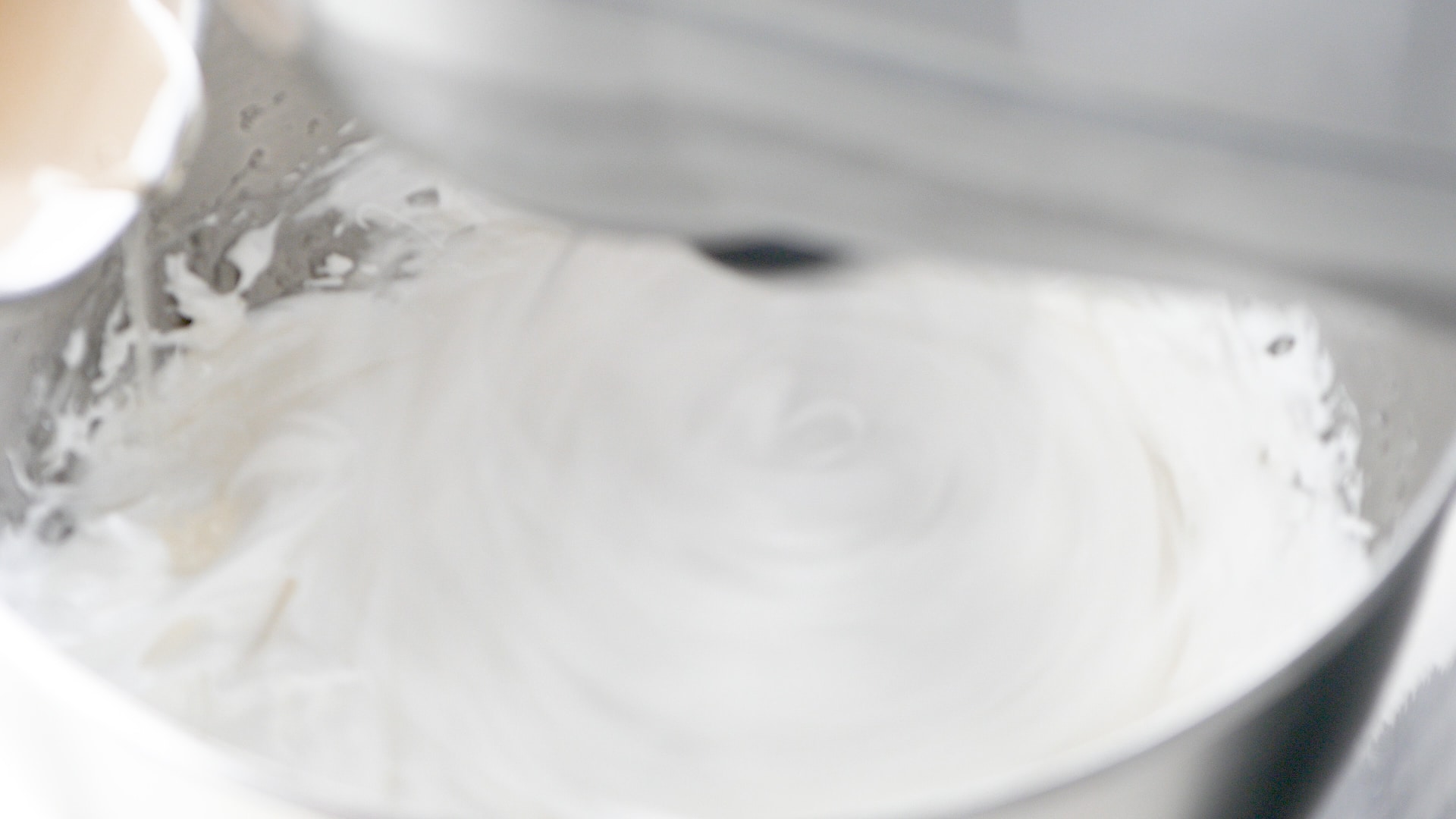
- Cooling and Whipping (Phase Four – Approximate Time: 5 to 10 minutes): The meringue continues to whip at high speed until the exterior of the mixing bowl cools significantly to the touch and the mixture develops glossy, rigid peaks that retain their shape when the whisk is lifted.
- Application and Storage (Phase Five): The finished suspiro must be utilized immediately for frosting and decorating. Due to its sugar-dense composition, proper storage involves maintaining the iced cake in a cool, dry environment, avoiding airtight plastic containers that trap ambient moisture and degrade the meringue’s delicate exterior crust.
Nutritional Profile and Dietary Analysis
From a nutritional standpoint, suspiro is predominantly composed of carbohydrates derived from refined sugars, with minor contributions of protein originating from the egg albumin. Standard nutritional calculations for a single serving of approximately one cup of prepared meringue indicate an energy density of roughly 98 kilocalories.
The breakdown per standard serving typically includes:
- Calories: 98 kcal
- Carbohydrates: 24 g
- Sugars: 23 g
- Protein: 1 g
- Total Fat: 1 g
- Sodium: 17 mg
- Potassium: 37 mg
While the recipe inherently contains negligible dietary fat, individuals managing metabolic conditions such as diabetes or monitoring glycemic intake must account for the high concentration of simple sugars. Culinary nutritionists advise consulting healthcare professionals for precise dietary customization, particularly when integrated into nutrient-dense celebration cakes containing butter-heavy batters and fruit preserves.
Broader Market Implications and Global Reach
In contemporary gastronomy, the global appreciation for Latin American and Caribbean patisserie has expanded significantly. Recipes for suspiro and bizcocho dominicano, once preserved strictly through oral traditions within family households, are now widely disseminated through digital culinary platforms, instructional videos, and multicultural baking communities.
This digital transition has standardized preparation methods while preserving the cultural nomenclature. Food science analysts observe that instructional content focusing on troubleshooting common meringue failures—such as weeping, sugar crystallization, or deflation caused by humidity—has empowered a new generation of international bakers to master the delicate craft. Consequently, suspiro has transcended its traditional geographic boundaries, emerging as a recognized specialty within modern global baking repertoires and reinforcing the enduring influence of Dominican culinary heritage worldwide.