The Evolution of the Custard Tradition
The history of flan dates back to the Roman Empire, where the original recipe was often savory, utilizing the binding properties of eggs to solidify mixtures. Following the Roman influence, the dessert evolved significantly in Spain during the Middle Ages, transitioning into the sweet, caramel-topped custard known today as flan. As Spanish colonization expanded across the Americas, the recipe traveled to the Caribbean and South America, where it underwent a metamorphosis. Local cooks began integrating indigenous and accessible regional ingredients, most notably coconut, which was abundant in tropical climates.
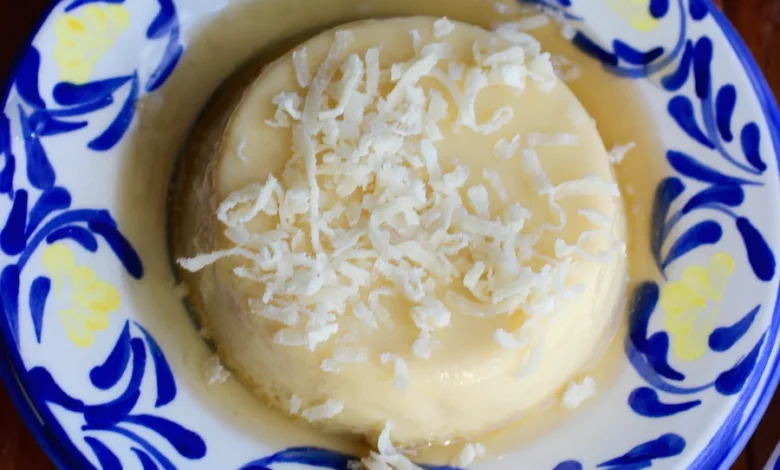
In modern Latin American gastronomy, the Flan de Coco represents a bridge between colonial history and local agricultural heritage. While the base components—eggs, sugar, and milk—remain consistent with the European blueprint, the addition of coconut milk and shredded coconut provides a distinct flavor profile and a denser, more luxurious texture. Culinary historians often point to this transition as a prime example of "creolization" in food, where imported techniques are adapted to suit local resources.
Culinary Composition and Scientific Foundations
The technical success of a coconut flan relies on the precise denaturation and coagulation of egg proteins, which create the signature silky structure. Unlike a standard flan de leche, which relies primarily on cow’s milk, the incorporation of full-fat canned coconut milk introduces high levels of medium-chain triglycerides. This fat content is essential for achieving a "rich" mouthfeel, as it interferes with the protein network in the eggs to prevent the custard from becoming rubbery.
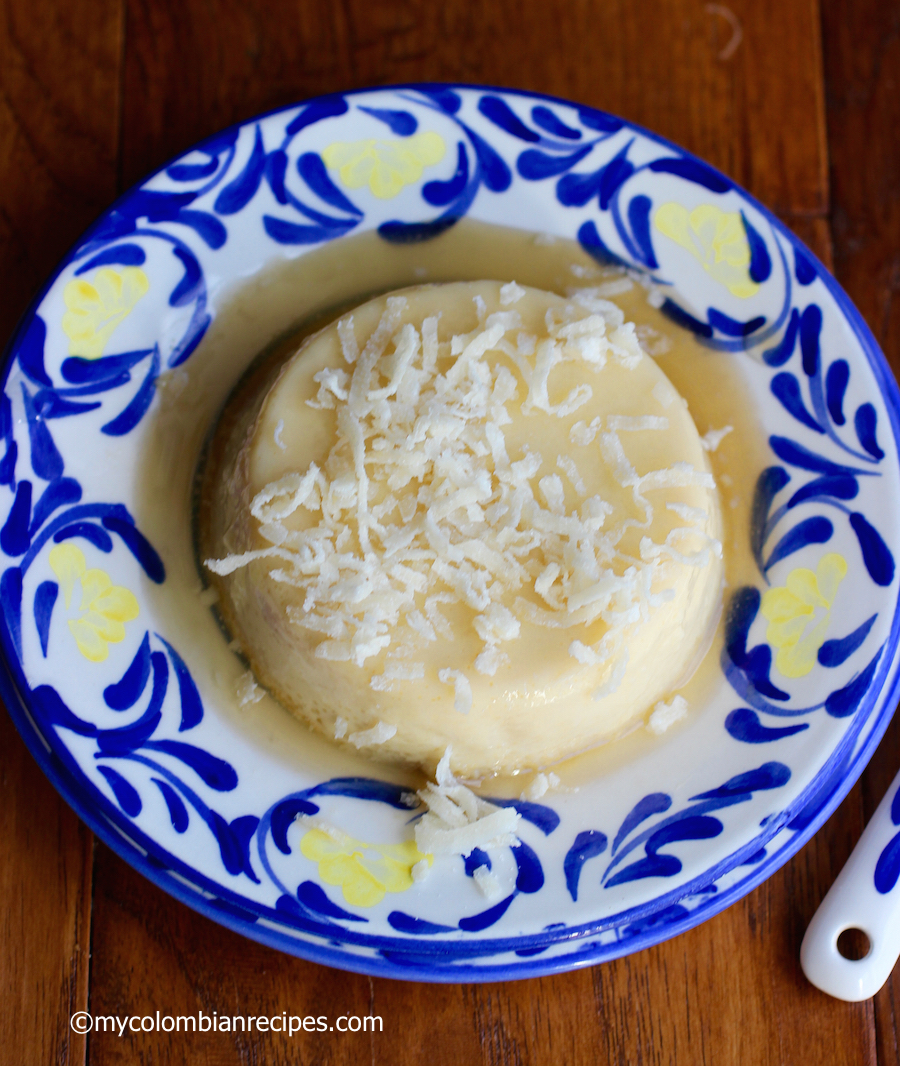
Data regarding the nutritional profile of this dessert highlights its status as an indulgence. A standard serving contains approximately 470 kilocalories, with a significant portion derived from the combination of high-fat dairy, coconut solids, and refined sugar. Despite its calorie density, the dessert remains a staple at celebrations and traditional gatherings. Professional chefs often note that the inclusion of heavy cream alongside coconut milk serves to stabilize the emulsion, ensuring the flan remains firm enough to be unmolded without fracturing.
Step-by-Step Preparation and Procedural Rigor
The production of a high-quality coconut flan is a multi-stage process that requires careful temperature control, particularly during the caramelization phase. The timeline for a standard batch typically spans 40 minutes of active and passive preparation:
- Caramelization (10–15 minutes): The process begins by heating granulated sugar with a small amount of water. This requires constant supervision, as the sugar must reach the "hard crack" stage (approximately 300°F to 310°F) before being poured into a ramekin. If the temperature exceeds this, the sugar burns, introducing a bitter flavor that compromises the final product.
- Custard Synthesis (10 minutes): The base is created by whisking eggs with sweetened condensed milk, coconut milk, heavy cream, and a splash of vanilla extract. The addition of shredded coconut is a stylistic choice that adds structural complexity.
- Baking and Setting (30 minutes): The custard is traditionally cooked in a bain-marie (water bath). This is a critical culinary technique that ensures gentle heat transfer. Without the water bath, the eggs would scramble, resulting in a curdled texture rather than a smooth, uniform gel.
- Cooling and Setting (4+ hours): Following the thermal process, the flan must be chilled to allow the fat globules to solidify, which is necessary for the inversion process.
Cultural Significance and Regional Variations
In Colombia, the flan de coco is not merely a recipe; it is a cultural marker, particularly in coastal departments such as Atlántico and Bolívar. In these regions, the proximity to fresh coconut supplies has solidified the dish as a frequent inclusion in public and private menus.
The adaptability of the flan format has led to the proliferation of numerous variants, which now serve as a broader index of regional fruit availability. For instance, the Flan de Piña (pineapple) utilizes the acidity of the fruit to cut through the sweetness of the condensed milk, while the Flan de Chocolate caters to the global demand for cocoa-based desserts. These variations demonstrate the resilience of the base flan formula; it is versatile enough to support a wide range of flavor profiles while maintaining its essential characteristics.

Economic and Culinary Implications
The persistence of traditional desserts like the coconut flan in the age of globalized convenience food suggests a continued preference for labor-intensive, homemade culinary experiences. From an economic perspective, the ingredients—eggs, sugar, and coconut—are relatively inexpensive and widely available, making this a democratized dessert that is accessible across various socioeconomic strata.
However, the preparation of an authentic, high-quality flan requires a level of culinary knowledge regarding tempering and heat management that is increasingly rare. Culinary experts argue that the preservation of such recipes is vital for maintaining regional identities. As home cooking habits shift toward faster, less traditional methods, the "slow" process of preparing a custard in a water bath represents a deliberate choice to prioritize tradition over efficiency.
Best Practices for Professional and Home Execution
To ensure consistent results, professional kitchens emphasize the "sharp knife" technique for unmolding. Because the caramel layer is hygroscopic—meaning it absorbs moisture from the air—the flan should be stored in an airtight container in a refrigerator, where it can maintain its integrity for up to 72 hours. Exceeding this window often results in a loss of texture, as the custard begins to absorb moisture from the surrounding environment, potentially causing the structure to lose its shape upon removal from the mold.
Furthermore, the choice of ingredients significantly impacts the final quality. Culinary testing has shown that using "full-fat" coconut milk is non-negotiable for the desired texture; "light" or low-fat versions contain higher water content, which disrupts the coagulation of the egg-protein matrix, leading to a watery or broken custard. Similarly, the inclusion of pasteurized eggs is recommended for safety, as the dish is not subjected to high-heat sterilization post-emulsification.
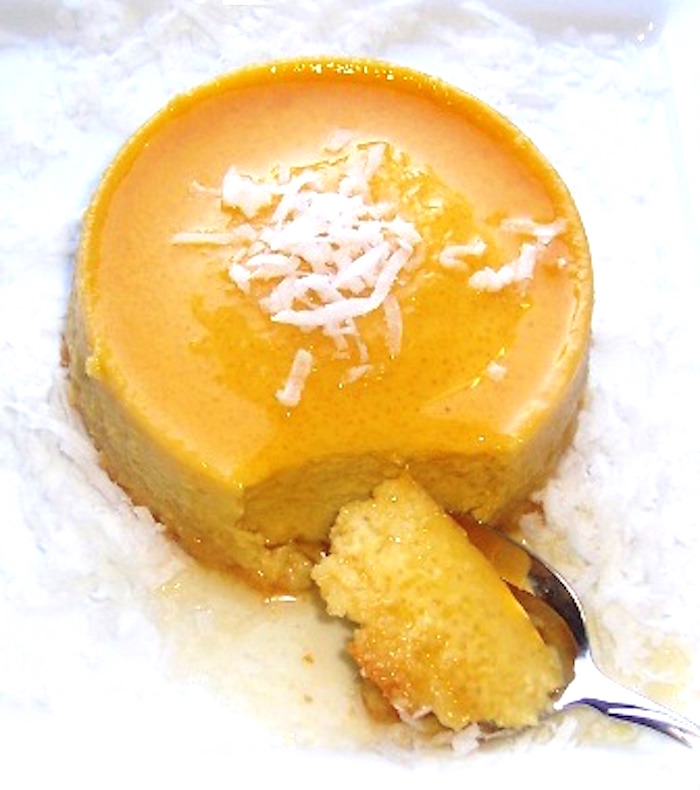
In summary, the coconut flan serves as a testament to the longevity of simple, high-quality ingredients transformed by consistent, well-executed techniques. Whether served in a professional restaurant or prepared in a home kitchen, it remains a pillar of Latin American dessert culture, reflecting a history of migration, adaptation, and a perennial love for the intersection of cream, sugar, and the tropical essence of the coconut.