Few spirits in the modern bar carry the weight of history quite like Bénédictine. A complex, honey-hued elixir, it occupies a unique space in the world of mixology, sitting firmly between the botanical intensity of gin and the rich, viscous sweetness of a liqueur. With a profile defined by a proprietary blend of 27 herbs and spices—including angelica, saffron, juniper, and hyssop—Bénédictine is a testament to the enduring appeal of the medieval medicinal tradition. While its origins are shrouded in the misty legends of the French Renaissance, its contemporary utility is undeniable, serving as a critical component in some of the most celebrated cocktails in the American canon.

A Chronology of the Elixir: From Monastery to Market
The history of Bénédictine is a fascinating study in the intersection of monastic tradition and commercial enterprise. According to the foundational lore of the brand, the recipe was first developed in 1510 by Dom Bernardo Vincelli, a monk at the Bénédictine Abbey of Fécamp in Normandy. The original intent was strictly utilitarian: a medicinal tonic designed to aid digestion and bolster health during the cold, damp winters of Northern France. For nearly three centuries, the monks produced the spirit, keeping the formula under close guard.
However, the French Revolution of 1789 brought an abrupt end to this era. As the abbey was shuttered and the order disbanded, the recipe was reportedly lost to history. The narrative remained dormant until 1863, when Alexandre Le Grand, a wine merchant from Fécamp, claimed to have discovered the ancient manuscript while sorting through his family’s library. Whether the find was a genuine archaeological discovery or a brilliant marketing narrative remains a subject of historical debate among spirits scholars. Regardless, Le Grand’s decision to industrialize the production of the liqueur transformed a local monastic cure into a global commercial success. He commissioned the construction of a lavish, gothic-revival distillery—the Palais Bénédictine—which still stands today as a monument to his success.

The Composition and Sensory Profile
Bénédictine is classified as a DOM liqueur—an acronym for Deo Optimo Maximo, meaning "To God, Most Good, Most Great." This branding reinforces its ecclesiastical heritage. From a production standpoint, the process is labor-intensive and highly specific. The base spirit is distilled from sugar beets, providing a neutral canvas upon which the complex maceration of botanicals can build. The 27 herbs and spices are distilled in four separate batches and then blended with honey, sugar, and saffron to achieve its signature gold hue and rounded mouthfeel.
Flavor-wise, Bénédictine is often described as having an immediate sweetness balanced by an earthy, medicinal bitterness. The inclusion of angelica provides a musky, herbal backbone, while the saffron lends a faint metallic warmth and depth. In the context of a cocktail, it functions as a "modifier." It is rarely the primary spirit; instead, it is used to bridge disparate flavors, adding a layer of spice and a silky texture that can transform a standard whiskey sour or a dry martini into something significantly more nuanced.

Historical Integration in American Mixology
The arrival of Bénédictine in the United States during the late 19th and early 20th centuries mirrored the rise of the "Golden Age" of the cocktail. It became a staple in the high-end bars of New York and New Orleans. One of its most famous associations is with the Vieux Carré, a classic cocktail birthed at the Carousel Bar in the Hotel Monteleone in New Orleans. The drink, which combines rye whiskey, cognac, sweet vermouth, Bénédictine, and two types of bitters, is a masterclass in balance. The Bénédictine acts as the binding agent, connecting the sharp bite of the rye with the fruitiness of the cognac and the herbal notes of the vermouth.
During the 1930s, the "B&B" became an iconic shorthand for sophisticated drinking. The simple combination of equal parts brandy and Bénédictine was a staple of the "21 Club" in New York City, reflecting the era’s penchant for concise, potent, and elegant potables. This era cemented Bénédictine’s reputation as an essential tool for bartenders looking to add a touch of old-world complexity to their repertoires.

The Modern Bartender’s Arsenal
In the 21st century, the craft cocktail movement has rediscovered the versatility of Bénédictine. Modern practitioners often move beyond the traditional brown-spirit pairings, finding that the liqueur’s herbal profile can cut through the acidity of citrus and the sweetness of syrups.
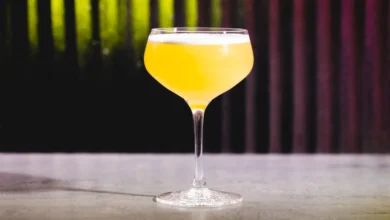
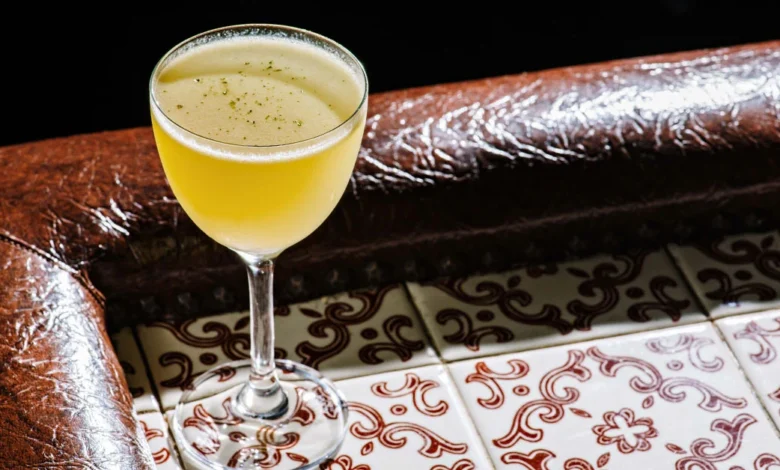
For example, the Rainmaker—a contemporary variation on the classic Daiquiri—utilizes Bénédictine alongside pineapple juice to create a tropical profile that is bolstered by the liqueur’s inherent spice notes. Similarly, the Pantheon, a burgeoning modern classic featuring Scotch, Bénédictine, and fresh lemon juice, demonstrates how the spirit can provide a smoky, herbal lift to a sour-style drink. By replacing or supplementing traditional sweeteners like simple syrup with Bénédictine, bartenders are able to introduce a "second act" of flavor to a drink, where the initial sip is bright and acidic, but the finish is long, complex, and deeply herbal.

Data and Market Trends
While exact sales figures for niche herbal liqueurs are rarely disclosed, industry reports from groups like the Distilled Spirits Council of the United States indicate a steady growth in the "specialty liqueur" category over the last decade. This growth is directly correlated with the "premiumization" of home bars. Consumers, having spent more time experimenting with mixology at home, are increasingly seeking out ingredients that offer complexity beyond basic triple secs or schnapps.
Data from global spirits distribution channels shows that Bénédictine remains a top-tier performer in the "bitter/herbal" segment of the industry. Its price point, which sits in the mid-to-high range for a liqueur, reflects its status as a "bartender’s secret weapon." Unlike mass-market mixers, it is a low-volume, high-impact ingredient, meaning a single bottle can last a home enthusiast for months, provided it is stored correctly away from direct sunlight to preserve the volatile herbal oils.

Broader Implications for the Industry
The enduring relevance of Bénédictine in the cocktail world underscores a broader shift in consumer taste: a move toward "low-proof, high-flavor" drinking. As consumers become more conscious of alcohol intake, they are looking for ways to maximize the flavor density of their drinks without necessarily increasing the volume of high-ABV spirits. Bénédictine, with its intense concentration of botanical extracts, allows for a lower-alcohol, high-flavor cocktail profile.
Furthermore, its history serves as a template for modern craft spirits. The success of Bénédictine has inspired a wave of "craft bitters" and "botanical liqueurs" that rely on the same premise: that a drink is only as good as the complexity of its underlying components. As bartenders continue to reach for the familiar, gold-labeled bottle, they are not just making a drink—they are engaging in a 500-year-old dialogue about the chemistry of flavor.

Whether one is crafting a classic Vieux Carré or experimenting with a modern sour, Bénédictine provides a consistent, reliable, and historically rich backbone. It remains one of the few ingredients that can claim to be both a medical relic and a modern essential, proving that in the world of fine spirits, quality and tradition never truly go out of style.