Creamy Chipotle Chicken Pasta: A Culinary Analysis of a Modern Comfort Food Staple

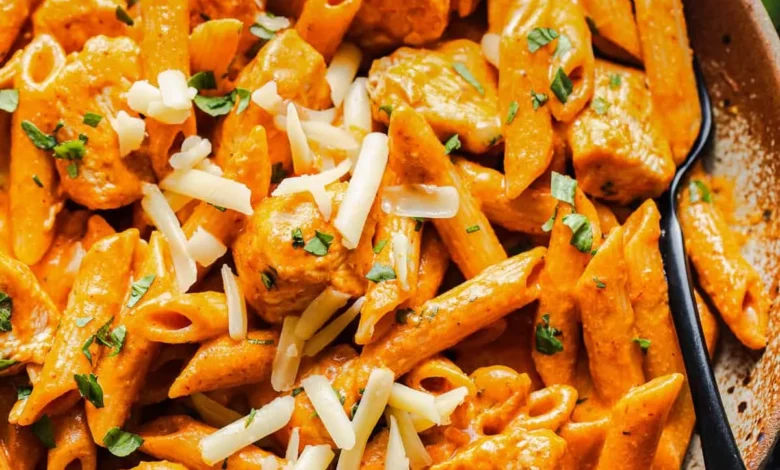
The evolution of modern home cooking has seen a significant shift toward the integration of global flavors into traditional comfort dishes, a trend exemplified by the rising popularity of creamy chipotle chicken pasta. While pasta dishes have long been a cornerstone of domestic dining in the United States, the incorporation of chipotles in adobo—a traditional Mexican staple consisting of smoked jalapeño peppers preserved in a spiced tomato sauce—represents a broader movement of culinary fusion. This specific dish, which combines the sharp, smoky heat of Mexican chilies with the velvety richness of European-style cream sauces, has transitioned from niche food blog experimentation to a frequently prepared meal in households across the country.
Culinary Origins and Technical Composition
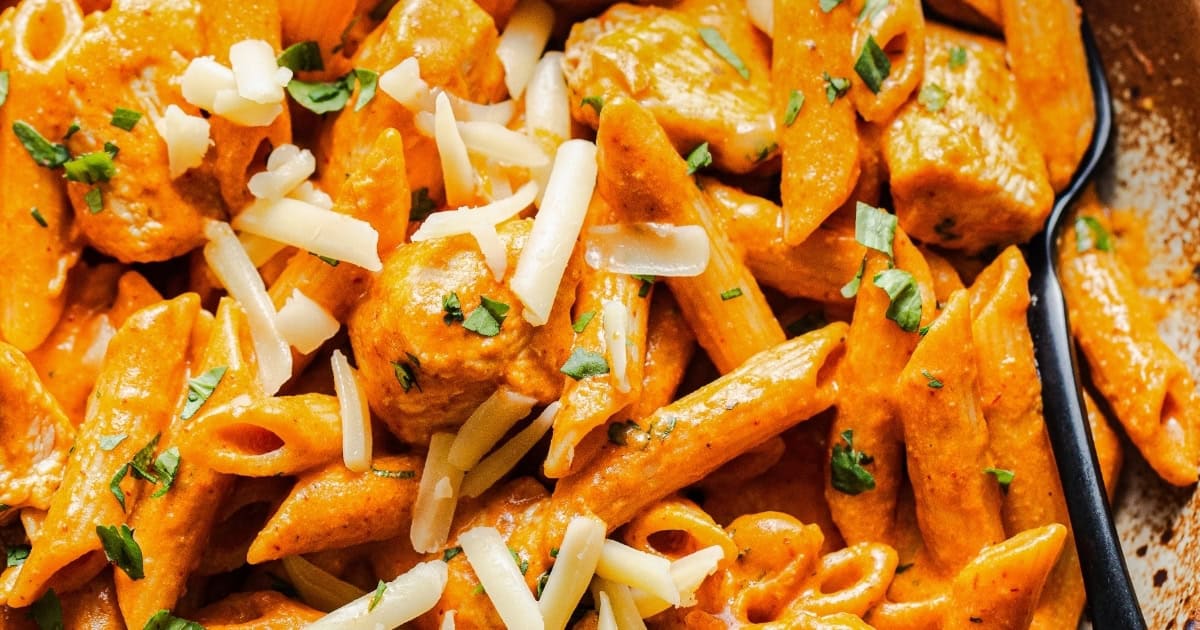
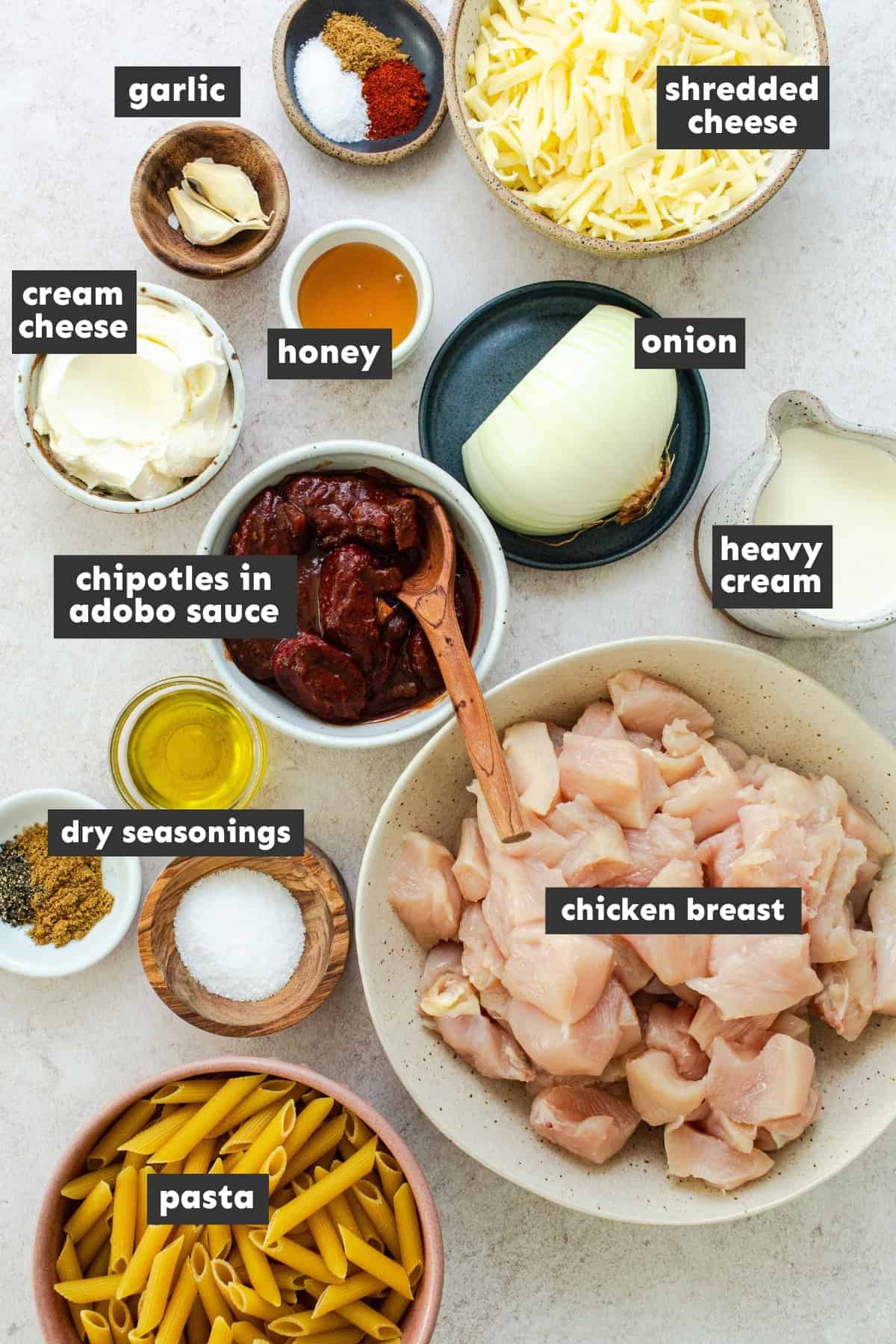
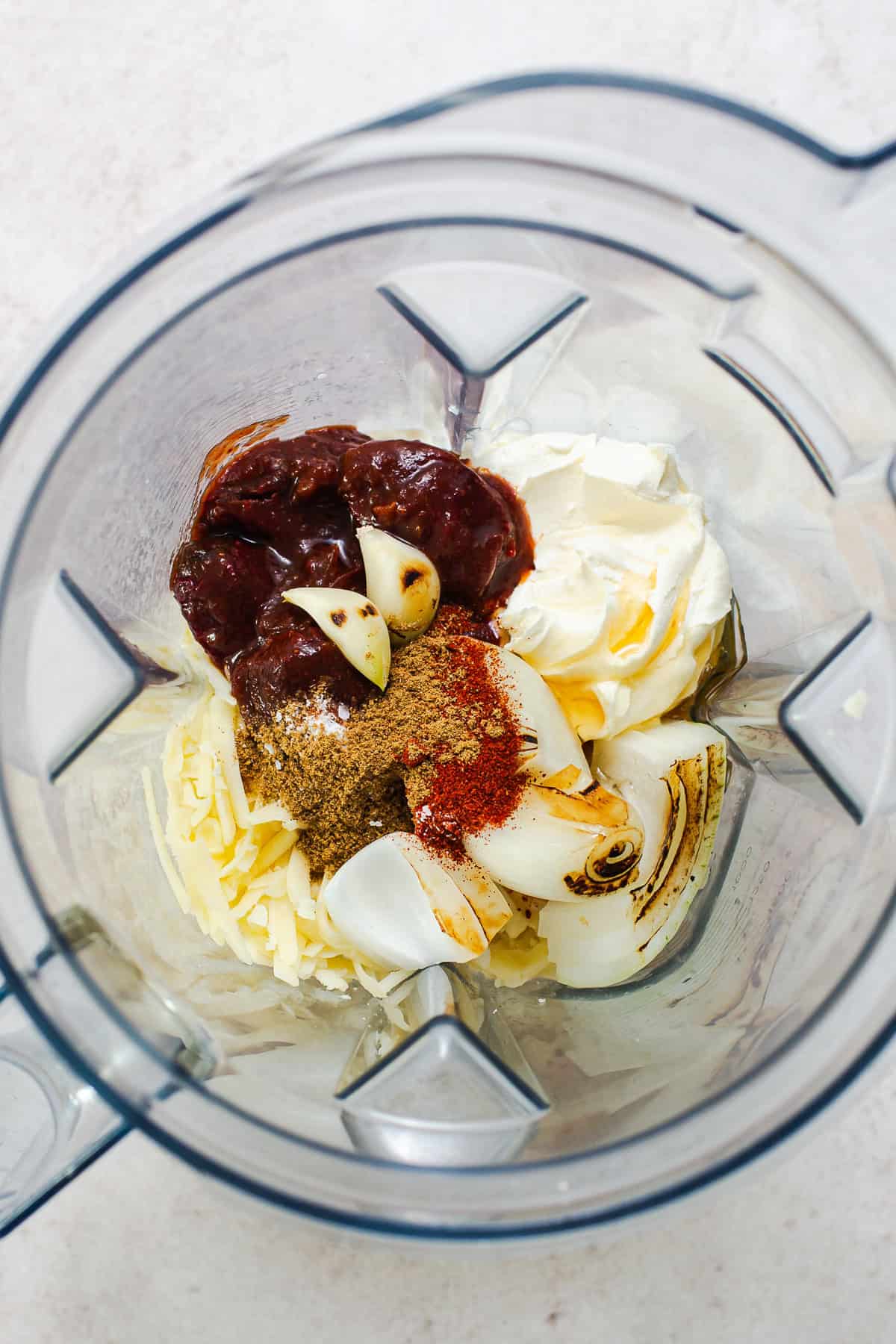
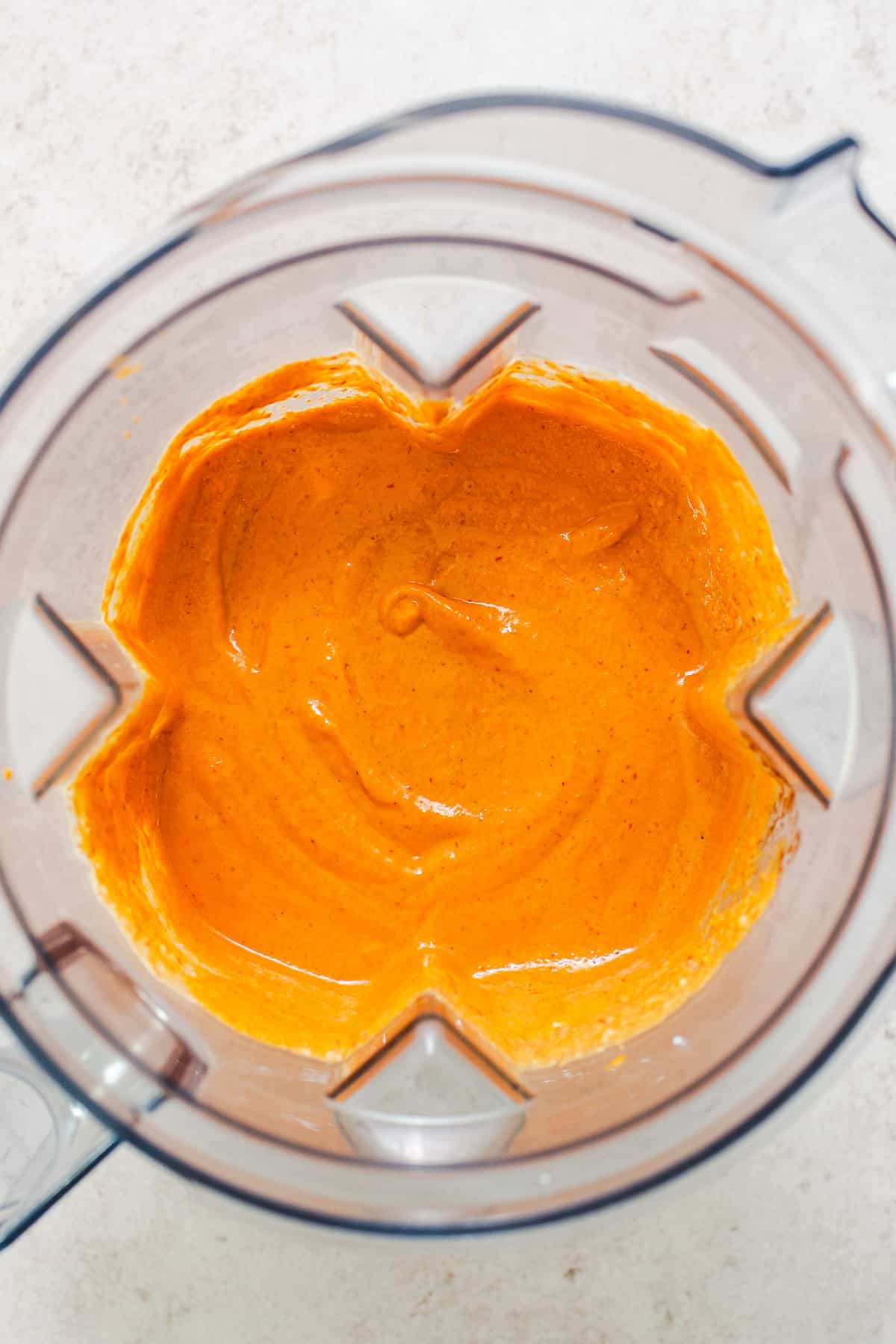
The dish is fundamentally defined by its sauce, which typically utilizes a blender to emulsify chipotles in adobo with heavy cream and cream cheese. The addition of roasted onion and garlic serves as the foundational aromatic base, a technique common in Latin American sauce-making, often referred to as "sofrito" or "recado." Unlike traditional Italian pasta sauces, which rely on emulsified starchy pasta water and hard cheeses like Parmigiano-Reggiano, this variation utilizes the high fat content of cream cheese to achieve a stable, viscous texture that coats penne or similar tubular pasta varieties.
From a chemical perspective, the use of cream cheese instead of traditional dairy or aged cheese provides a higher resistance to heat-induced separation. This allows the sauce to maintain its integrity during the final assembly stage, where seasoned chicken chunks—usually seared to achieve a Maillard reaction—are folded into the mixture. The incorporation of roasted alliums adds a layer of depth that balances the inherent acidity of the adobo, preventing the sauce from becoming one-dimensional.
The Rise of Fusion Cooking Trends
Data from culinary market analysts indicate that interest in "spicy-creamy" flavor profiles has grown by approximately 18% annually over the last five years. Consumers are increasingly seeking meals that offer a "medium-heat" experience, defined as enough spice to provide a sensory reaction without overwhelming the palate. The success of dishes like creamy chipotle chicken pasta is attributed to this "medium-spice" threshold. The heavy cream acts as a natural buffer against the capsaicin found in the chipotles, effectively lowering the perceived Scoville heat units (SHU) of the dish, making it accessible to a wider demographic.
Industry experts note that this trend is not merely a passing fad but a reflection of the "democratization of spice." As ingredients like chipotles in adobo become readily available in standard supermarket chains, the barrier to entry for home cooks has significantly lowered. This accessibility has fueled a surge in home-prepared fusion recipes that mirror the complexity of restaurant-style dishes, with a focus on speed and efficiency. The average preparation time for this particular pasta dish, hovering around 35 minutes, aligns with modern consumer demands for "quick-scratch" cooking, where convenience does not mandate the sacrifice of fresh ingredients.

Comparative Analysis and Market Perception
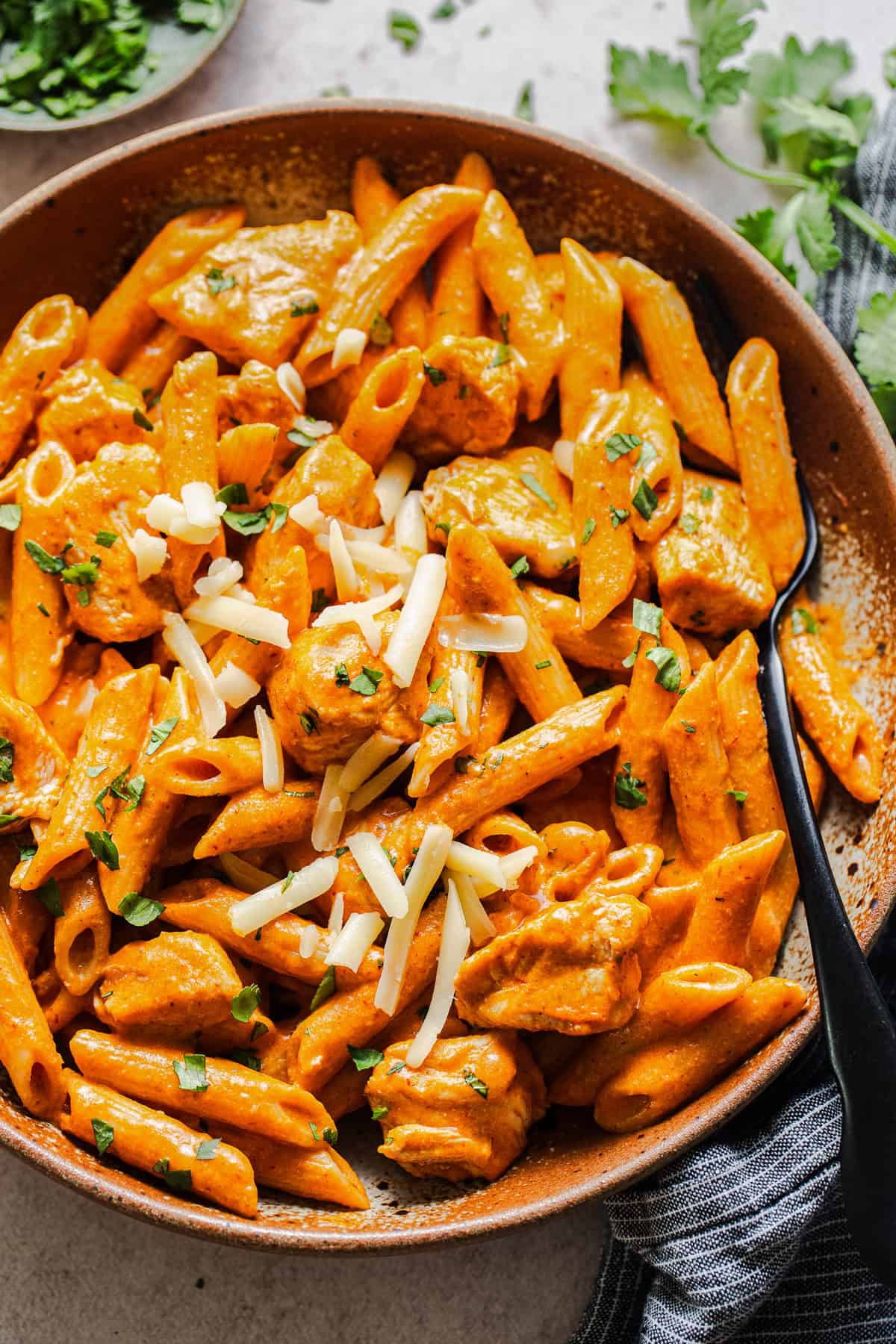
A frequent point of discussion among culinary enthusiasts is the comparison between homemade iterations of chipotle chicken pasta and the versions served in major restaurant chains, most notably the Cheesecake Factory. While public discourse often frames these as "copycat" attempts, professional chefs argue that the differences are structural. Many commercial versions of the dish emphasize the inclusion of fibrous vegetables like asparagus and peas to provide textural contrast and color. In contrast, domestic recipes often prioritize the sauce’s density and the protein-to-carb ratio, frequently substituting regional cheeses like Monterey Jack or mild cheddar to complement the smoky notes of the chipotles.
The substitution of parmesan with cream cheese is a defining characteristic of the home-cooked variant. While parmesan provides a nutty, savory umami quality, cream cheese provides a smoother, more neutral canvas that allows the distinct smokiness of the chili to take center stage. This structural change significantly alters the mouthfeel of the dish, moving it closer to a "baja-style" comfort meal rather than a traditional pasta alfredo.
Logistical and Storage Implications
For the modern consumer, the feasibility of a meal is often determined by its storage and reheating capabilities. Nutritional analysis suggests that a single serving of this dish typically contains between 500 and 600 calories, with a balanced profile of carbohydrates and proteins. Because the sauce relies on a dairy-heavy emulsion, it exhibits high stability when refrigerated.
Professional food safety guidelines suggest that such dishes can be stored for up to 48 hours in a sealed container without significant degradation in quality. The starch in the pasta acts as a stabilizing agent, preventing the sauce from breaking down during the cooling process. When reheating, the addition of a small amount of water or additional cream is recommended to restore the original viscosity, as the pasta will continue to absorb moisture even after the cooking process is complete.
Broader Societal and Culinary Impact
The proliferation of recipes like this signals a maturation of the American palate. The ability to seamlessly blend the technical requirements of Italian pasta preparation with the flavor profile of Mexican ingredients is indicative of a post-cultural culinary landscape. It suggests that home cooks are no longer tethered to strict regional definitions of "proper" cooking but are instead prioritizing flavor, ease of preparation, and the ability to customize ingredients to personal preference.
Furthermore, the prominence of this dish in online culinary communities demonstrates the power of social media in shaping domestic food trends. Platforms that highlight visually appealing, "creamy" textures often see higher engagement rates, as they trigger a sensory response related to comfort and indulgence. The consistent success of such recipes in these spaces ensures that they remain a staple of the contemporary home menu, often being passed down or shared as "repeatable" meals that satisfy the conflicting needs of busy schedules and the desire for high-flavor dining.
As food technology continues to advance, allowing for even better preservation of spicy pastes and pre-roasted ingredients, it is highly likely that this style of fusion cooking will continue to evolve. Future iterations may include plant-based alternatives for the dairy components or the integration of different chili varieties to experiment with varying heat levels. For now, the creamy chipotle chicken pasta remains a testament to the effectiveness of simple, high-impact ingredient pairings that have successfully captured the attention of the modern home cook.