Colombia’s culinary landscape is as diverse as its geography, ranging from the high-altitude Andean peaks to the humid, tropical Caribbean coast. Central to this gastronomic identity is a vibrant culture of beverage preparation, which utilizes the country’s rich biodiversity of exotic fruits, abundant sugarcane, and unique dairy traditions. These drinks are not merely refreshments; they serve as a historical record of indigenous practices, colonial influences, and the evolution of modern agricultural production in South America.
The Historical and Agricultural Context of Colombian Beverage Culture
The foundation of many Colombian beverages is panela, an unrefined whole cane sugar that has been a staple of the national diet since the colonial era. According to recent data from the Colombian Ministry of Agriculture, the country remains one of the world’s largest producers of panela, with thousands of small-scale farmers—known as trapicheros—sustaining the rural economy through its production. This ingredient serves as the backbone for Aguapanela, a foundational drink that can be traced back to the pre-colonial era, reflecting the deep-rooted relationship between the Colombian people and their land.
Furthermore, the country’s proximity to the equator allows for a year-round harvest of tropical fruits such as tamarind, lulo, and coconut. The beverage industry in Colombia has transitioned from traditional, household-level preparation to a sophisticated commercial market, yet the preference for artisanal, "homemade" recipes remains a strong cultural identifier.
A Chronology of Colombian Libations
The evolution of these drinks spans several centuries, starting with indigenous infusions of herbs and sweeteners, followed by the introduction of dairy products during the Spanish colonization, and finally the integration of modern distillation techniques.
- Pre-Colonial Era: The emergence of simple, refreshing drinks based on water, wild fruits, and raw cane sweeteners.
- 16th–18th Century: The introduction of cattle by European settlers led to the integration of dairy into traditional recipes, giving rise to staples like Kumis and milk-based hot chocolates.
- 19th–20th Century: The industrialization of sugar production and the commercialization of spirits like Aguardiente solidified these beverages as national symbols.
- Modern Era: The fusion of traditional techniques with global cocktail trends has resulted in the international popularity of drinks like the Coco Loco and Limonada de Coco.
Detailed Profiles of Traditional Colombian Beverages
The Andean Hot Drink Tradition
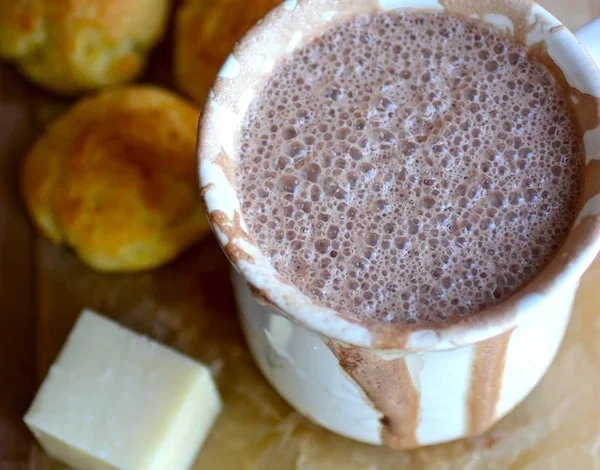
In the cooler climates of the Colombian Andes, particularly in Bogotá, warm beverages are essential. Chocolate Santafereño is perhaps the most iconic, characterized by its inclusion of cheese and bread, a practice that defies international culinary conventions but is deeply ingrained in local breakfast culture. Similarly, Chocolate en Leche de Coco offers a dairy-free alternative, reflecting the coastal influence on highland traditions.
Canelazo, a potent mixture of aguardiente, panela, and cinnamon, serves as a crucial social lubricant in mountainous regions, often served during festivals and cold nights to provide warmth and stimulation.
Tropical and Refreshing Staples
Moving toward the coastal regions, the focus shifts to hydration and bold acidity. Jugo de Tamarindo highlights the country’s ability to balance sweet and sour profiles. Limonada de Coco has become a global ambassador for Colombian cuisine; it combines the tartness of limes with the richness of coconut cream, a pairing that reflects the Atlantic coast’s culinary fusion of Caribbean and Hispanic flavors.
Fermented and Dairy-Based Drinks
Kumis represents the historical influence of fermented dairy in the Colombian diet. While once a strictly domestic product, it is now a massive commercial sector, with leading dairy companies producing standardized versions for mass consumption. Avena Colombiana, a spiced oat beverage, serves as a significant source of nutrition and is often consumed as a hearty snack.
Alcoholic and Cocktail Specialties
Alcohol production in Colombia is heavily regulated, yet it remains a pillar of social gathering. Aguardiente, or "Firewater," is the national spirit. It is an anise-flavored liquor that is distilled from sugarcane. It is so pervasive that it is often sold in state-controlled monopolies. Refajo, a unique cocktail created by mixing beer with a local soda called Colombiana, represents the ingenuity of the working class in creating affordable, crowd-pleasing refreshments. Sabajón, a creamy, spiked eggnog, is a holiday staple, reflecting the country’s syncretic religious and social traditions.
Economic and Cultural Implications
The beverage sector in Colombia contributes significantly to the tourism and agricultural sectors. The "gastronomy tourism" niche has grown by an estimated 15% annually over the last decade, with international visitors increasingly seeking out authentic experiences involving local food and drink.
From an economic standpoint, the production of these drinks supports a vast supply chain. For instance, the Aguardiente industry provides substantial tax revenue to regional departments, which is often earmarked for healthcare and education. The shift toward organic and artisanal production methods in recent years has also provided a boost to small-scale farmers who can now command higher prices for high-quality, sustainable ingredients.
Expert Analysis: The Future of Colombian Beverage Trends
Food historians and industry analysts suggest that the next phase for Colombian drinks lies in the "glocalization" of traditional recipes. By retaining the traditional flavor profiles—such as the anise of Aguardiente or the sweetness of Aguapanela—but adapting them for the global cocktail market, Colombian mixologists are successfully positioning their heritage products alongside premium international spirits.
However, challenges remain. Issues such as the fluctuating price of panela and the environmental impact of large-scale sugarcane cultivation have prompted calls for more sustainable agricultural practices. Furthermore, the homogenization of recipes due to mass industrialization poses a risk to the preservation of regional variations, such as the specific way Chocolate Santafereño is prepared in small, family-owned rural establishments versus the standardized versions found in urban supermarkets.
Conclusion
The 12 traditional drinks explored here—Chocolate Santafereño, Canelazo, Chocolate en Leche de Coco, Aguapanela, Jugo de Tamarindo, Kumis, Aguardiente, Avena Colombiana, Refajo, Limonada de Coco, Sabajón, and Coco Loco—are more than just recipes. They are a manifestation of Colombia’s history, geography, and social evolution. Whether enjoyed as a warming comfort on a cold Andean evening or as a cooling reprieve on a Caribbean beach, these beverages offer a profound insight into the heart of Colombian culture. As the country continues to integrate into the global market, these traditions remain a steadfast anchor, reminding both locals and visitors of the richness that can be found in a simple glass of something made with care and tradition.
Related posts: