Tarta Helada: The Evolution, Cultural Impact, and Recipe Revival of Latin America’s Iconic Ice Cream Cake


The culinary landscape of the Caribbean, particularly in the Dominican Republic, is often defined by rich, comforting flavors passed down through generations. Among the pantheon of beloved sweets, the tarta helada—a layered ice cream cake that achieved mainstream prominence during the 1990s—holds a distinct place in regional gastronomy. Originally popularized by a dominant chain of local ice cream parlors, this frozen confection has transitioned from a commercial novelty into a cherished household tradition. Culinary historian and recipe developer Clara Gonzalez has recently brought renewed attention to the dessert, publishing an accessible, simplified version of the classic treat designed for contemporary home kitchens.
Origins and Commercial Rise in the 1990s
The history of the tarta helada in the Dominican Republic is closely intertwined with the modernization of the local food and beverage sector during the late 20th century. As urban centers expanded and commercial refrigeration became ubiquitous in households, the demand for sophisticated, cold desserts surged.
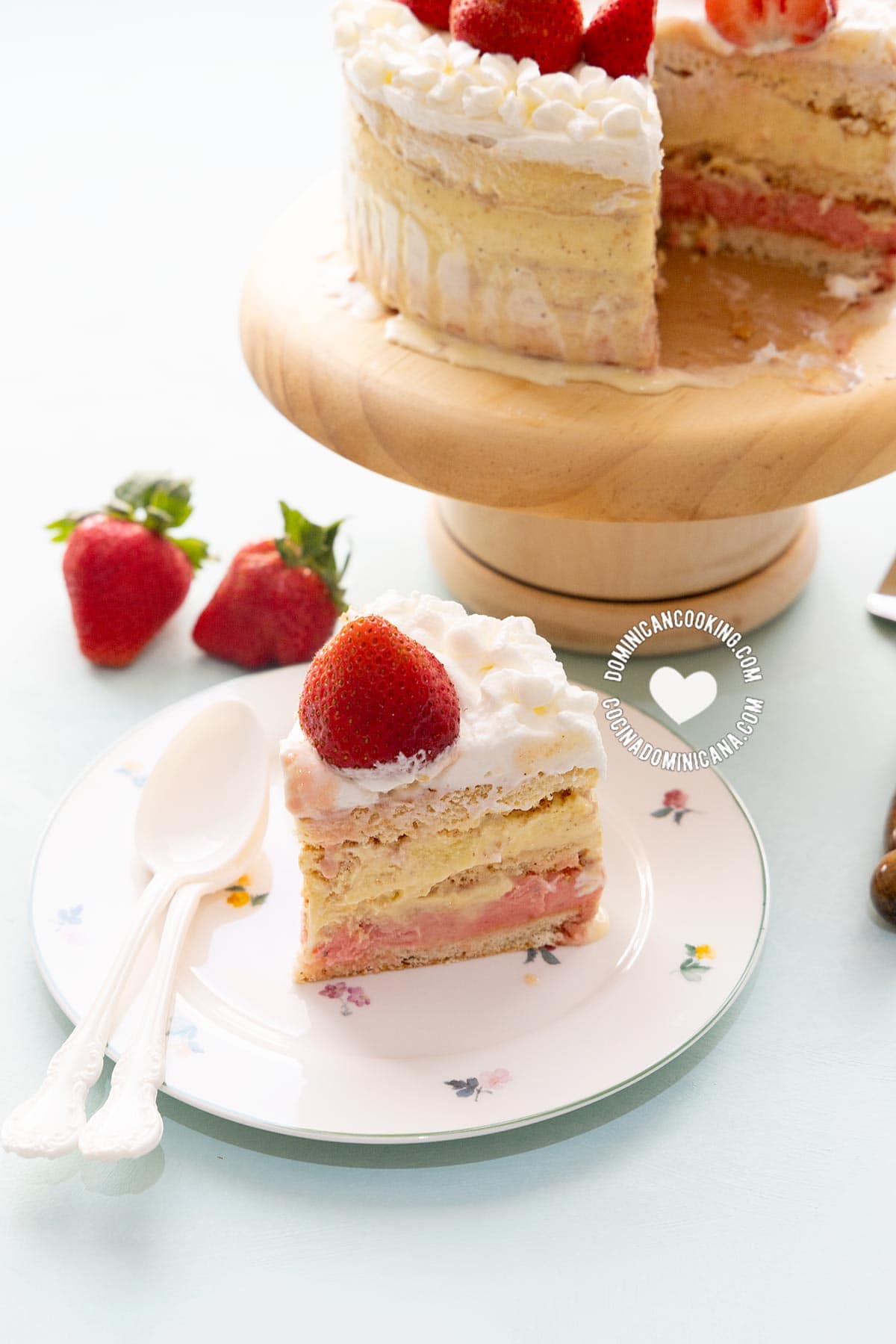
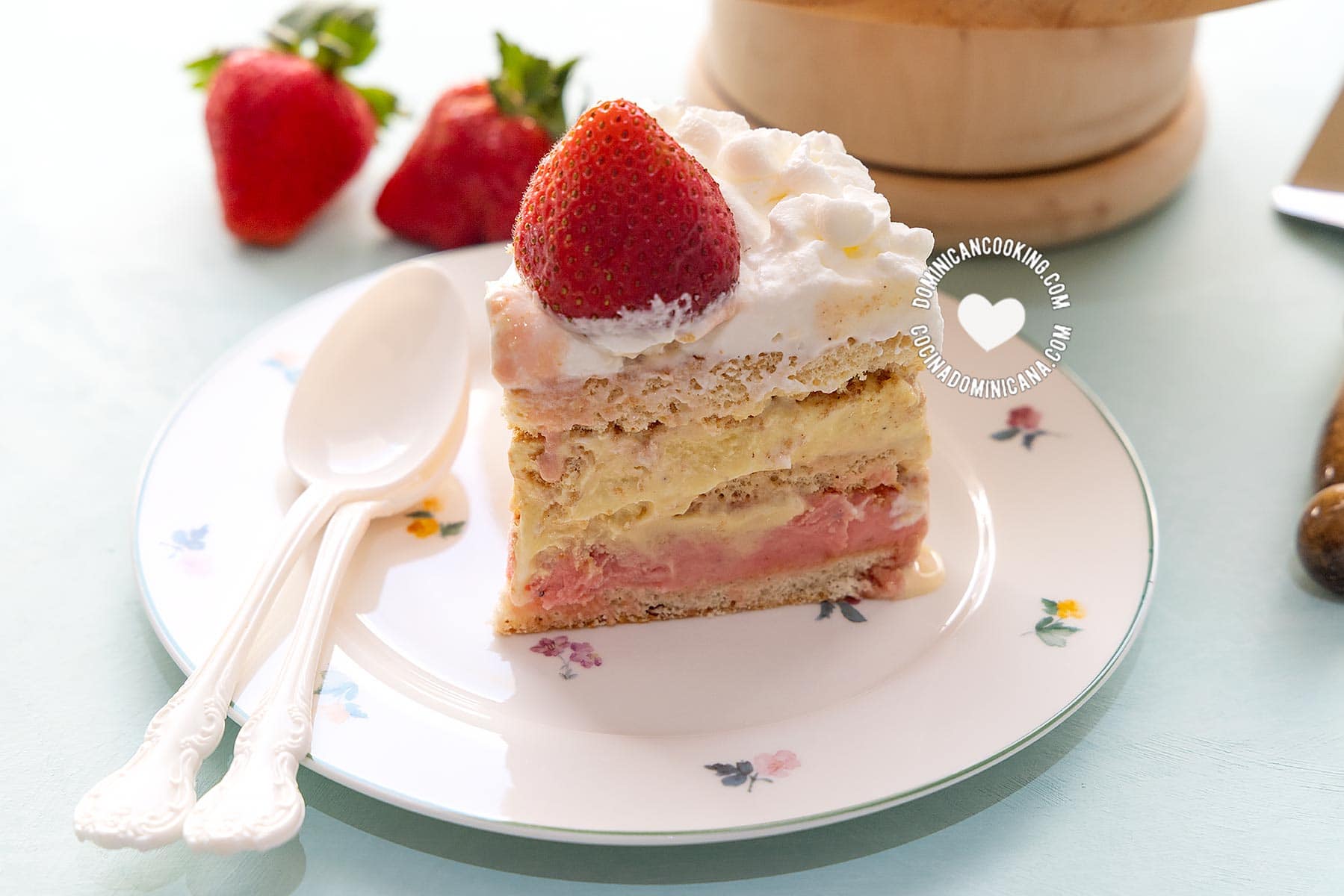
During the 1990s, a prominent Dominican ice cream parlor chain revolutionized birthday celebrations and family gatherings by introducing mass-produced, artistically assembled ice cream cakes. Unlike traditional baked sponge cakes frosted with heavy buttercreams, these commercial iterations featured a deliberate architectural structure: alternating strata of delicate cake, densely packed artisanal or commercial ice cream, and a glossy, toasted meringue exterior. This innovation provided a refreshing alternative to tropical heat, quickly establishing the dessert as the centerpiece of choice for summer birthdays and festive occasions.
Chronology of the Recipe’s Evolution

The transition of the tarta helada from a strictly commercial product to a homemade staple occurred in phases over the last three decades:
- Pre-1990s: Ice cream and cake were traditionally served as separate entities at celebratory events across the Dominican Republic.
- 1990s–2000s: Commercial ice cream chains popularized the layered tarta helada, creating high public demand for structurally complex frozen cakes featuring meringue toppings and fruit inclusions.
- June 2006: Culinary platform Dominican Cooking, spearheaded by Clara Gonzalez, published its foundational documentation of the dessert, aiming to demystify its construction for home cooks.
- June 2026: Gonzalez released an updated multimedia recipe and retrospective analysis, streamlining the assembly process to accommodate modern schedules while preserving the traditional flavor profile.
Anatomy of a Modern Ice Cream Cake
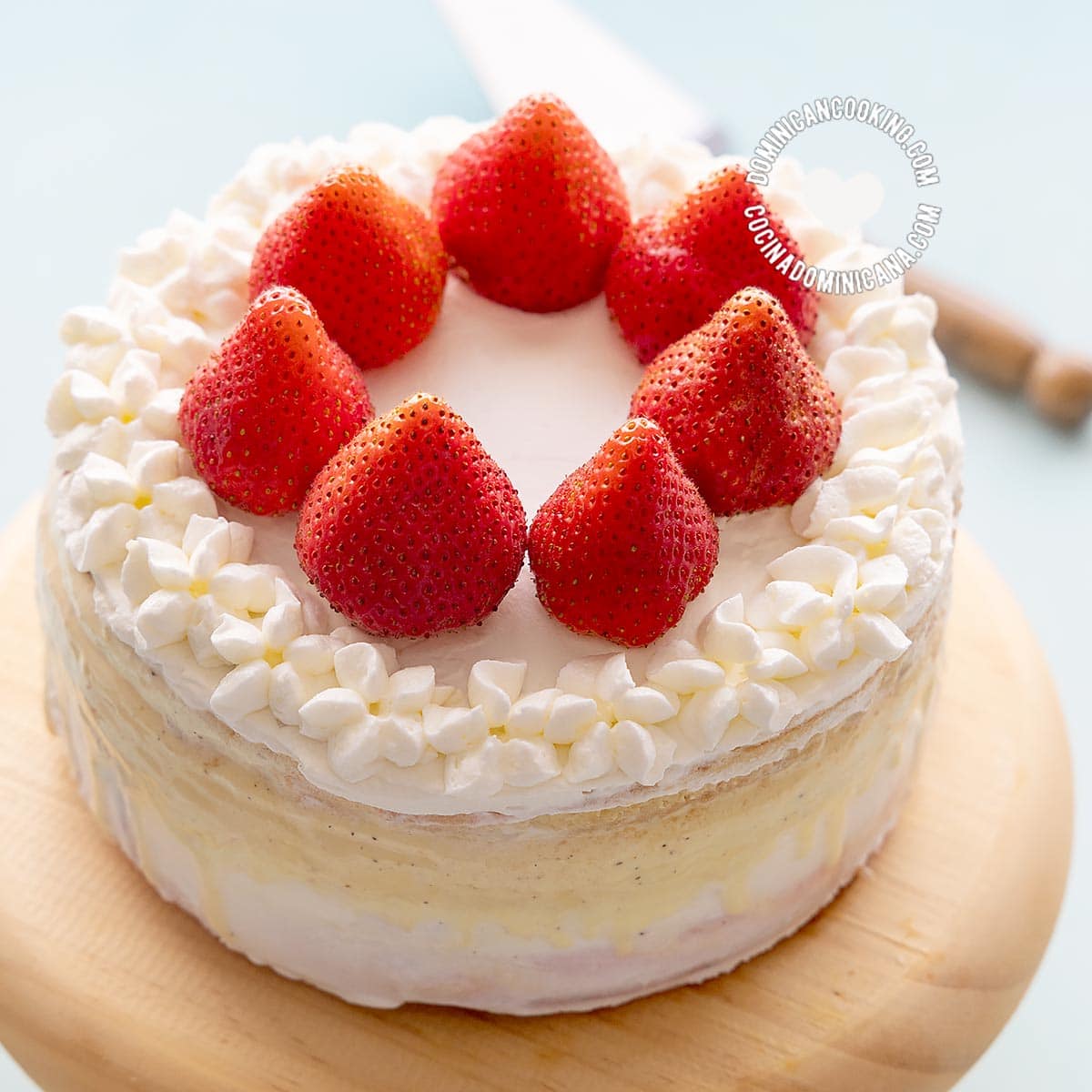
Preparing a tarta helada requires an understanding of thermodynamics and structural integrity in pastry arts. Traditional and modern variations rely on specific physical components to ensure the dessert maintains its shape while remaining sliceable straight from the freezer.
According to nutritional and culinary breakdowns provided in recent recipe adaptations, a standard serving of tarta helada yields approximately 563 kilocalories, balancing 76 grams of carbohydrates with moderate protein and fat content derived from dairy components. The construction process is divided into four distinct operational phases:
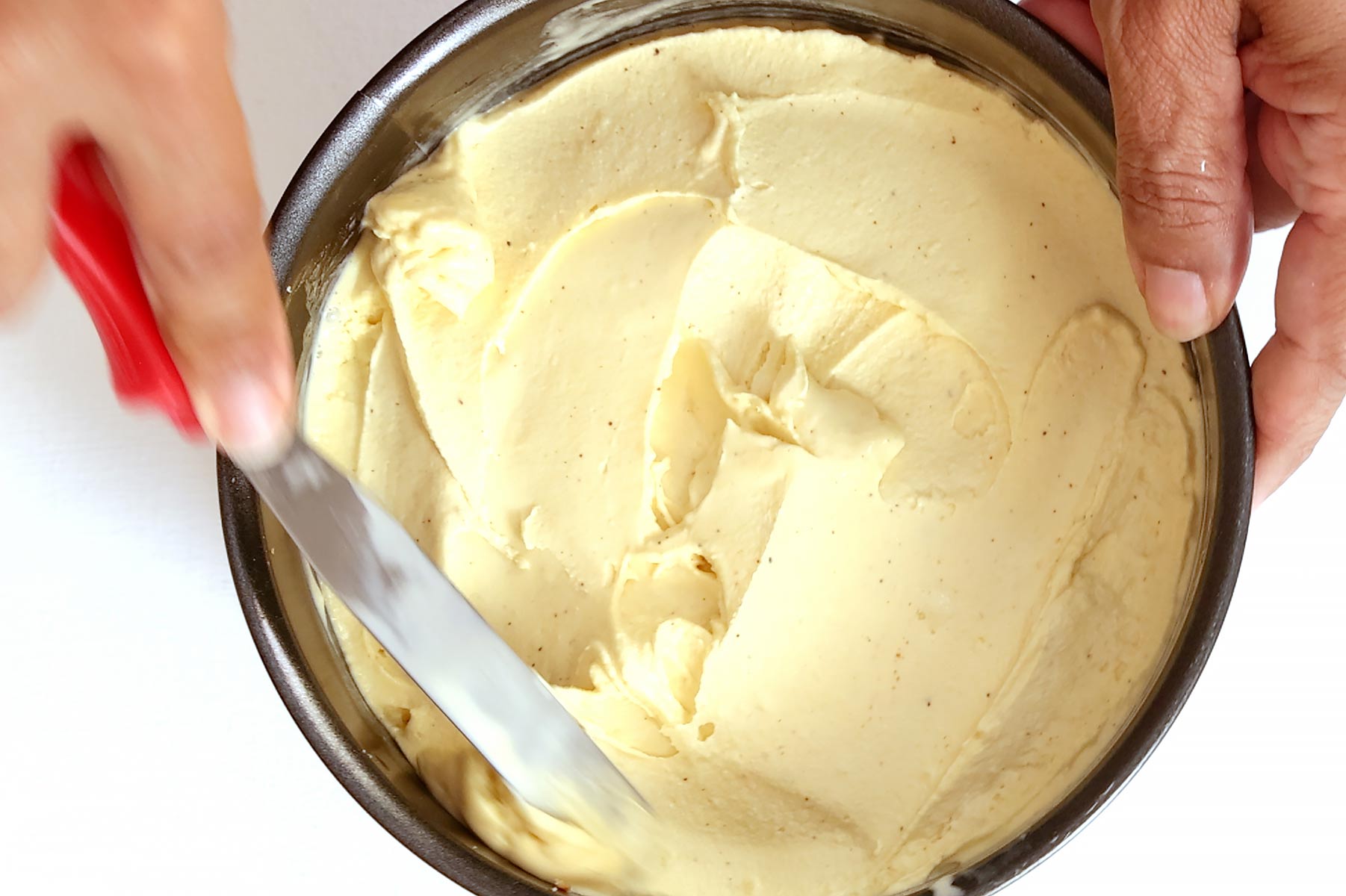
- Layering Foundation: A base layer of pre-baked sponge cake or pound cake is fitted into a springform pan or mold to absorb moisture and provide a stable base.
- Ice Cream Integration: Softened ice cream—frequently utilizing classic flavors such as vanilla, chocolate, or fruit-infused varieties—is pressed firmly over the cake layer. Multiple tiers can be achieved by repeating the cake-and-cream sequence.
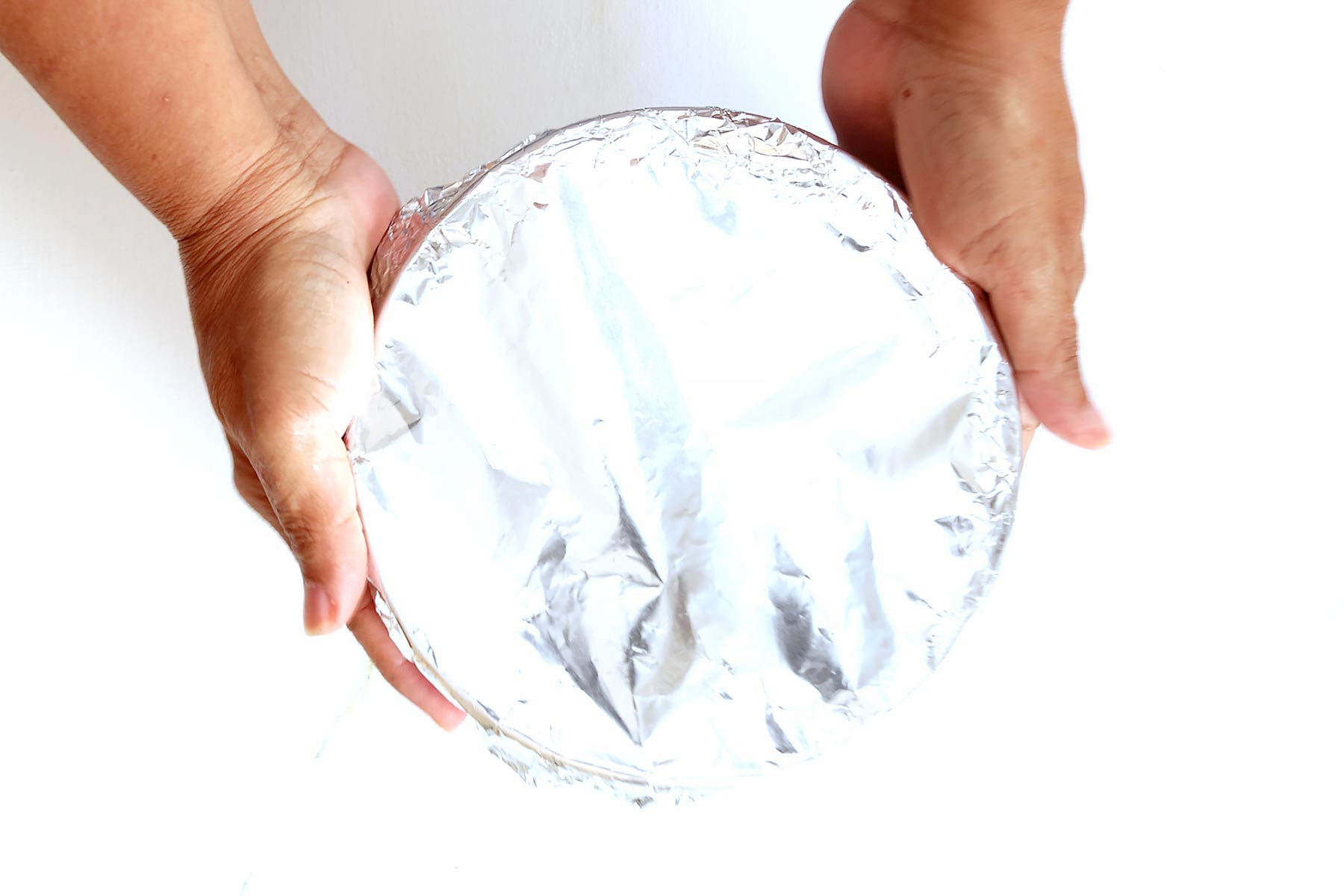
- Freezing and Setting: The assembled cake must undergo deep-freeze conditioning for a minimum of one hour, though culinary experts recommend overnight setting to ensure structural rigidity.
- Finishing and Decoration: Prior to service, the dessert is traditionally masked with a stable whipped cream or traditional Italian meringue, occasionally garnished with fresh seasonal fruits to cut the richness of the dairy.
Socio-Cultural Implications and Summer Entertaining
The enduring appeal of the tarta helada reflects broader shifts in modern entertaining. Culinary analysts note an increasing consumer preference for make-ahead dishes that reduce host stress during multi-course meal preparation. Because the dessert relies heavily on components that can be procured in advance and stored at sub-zero temperatures, it eliminates the necessity for active baking on the day of an event.
Furthermore, the timing of the dessert’s peak popularity aligns with climatic realities in the Caribbean and broader Latin America. With summer temperatures frequently soaring, frozen desserts offer functional relief alongside celebratory indulgence. Families with summer birthdays have historically relied on both store-bought and homemade iterations to mitigate the challenges of serving perishable, heat-sensitive frostings outdoors.
Industry Response and Digital Culinary Trends
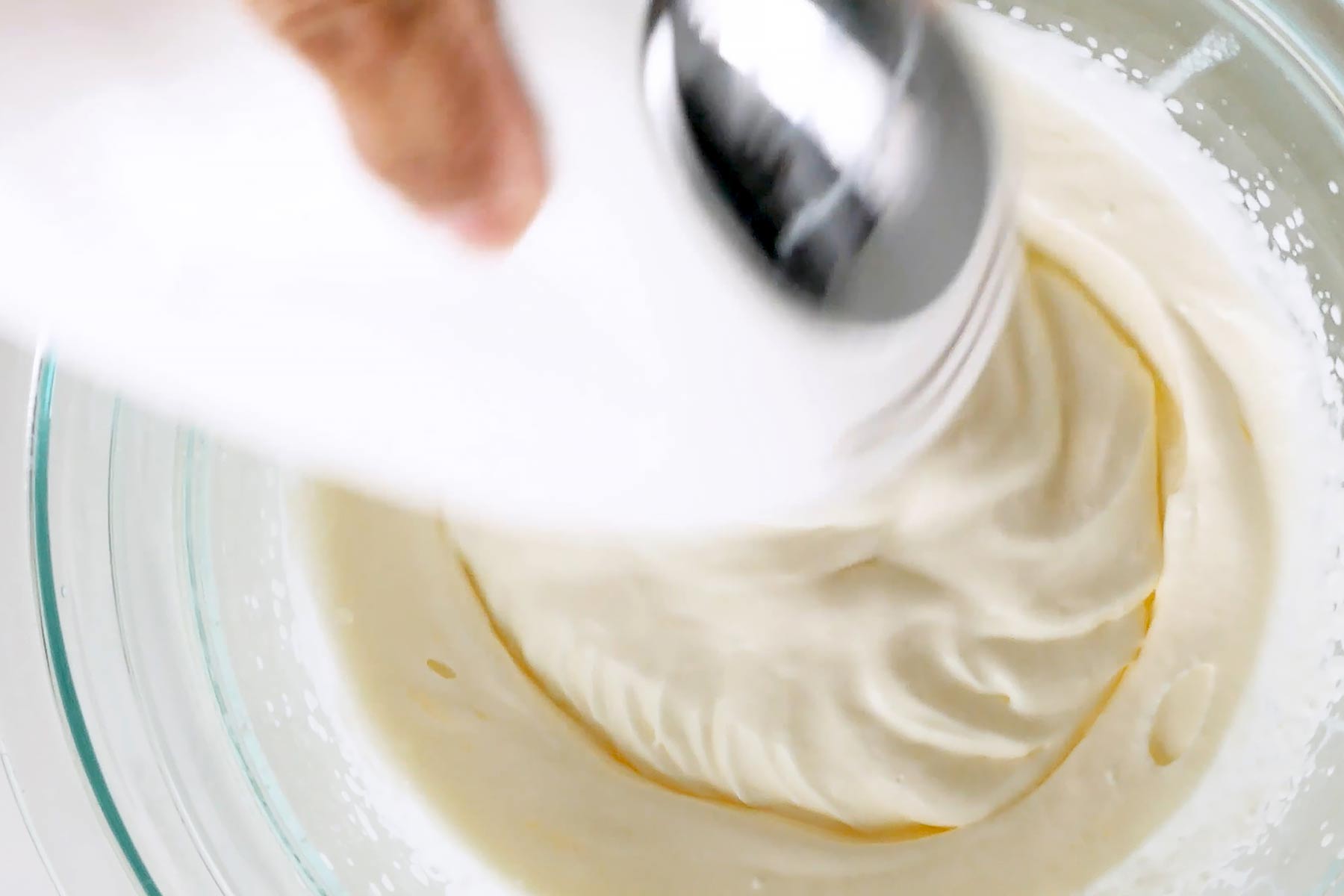
The revival of the tarta helada via digital recipe platforms underscores a broader movement within food journalism: the democratization of heritage recipes. By providing video demonstrations and step-by-step assembly guides, contemporary food creators allow amateur cooks to replicate commercially engineered products using accessible supermarket ingredients.
Culinary experts emphasize that the flexibility of the recipe is central to its longevity. Home cooks can customize the dessert endlessly, substituting gluten-free bases, incorporating dairy-free ice cream alternatives, or adjusting fruit compotes to fit modern dietary requirements without compromising the structural integrity of the original 1990s formulation. As digital archives continue to preserve and adapt these regional milestones, the tarta helada remains a testament to the dynamic evolution of Caribbean culinary traditions in the global kitchen.
Related posts: