Cultural and Culinary Foundations
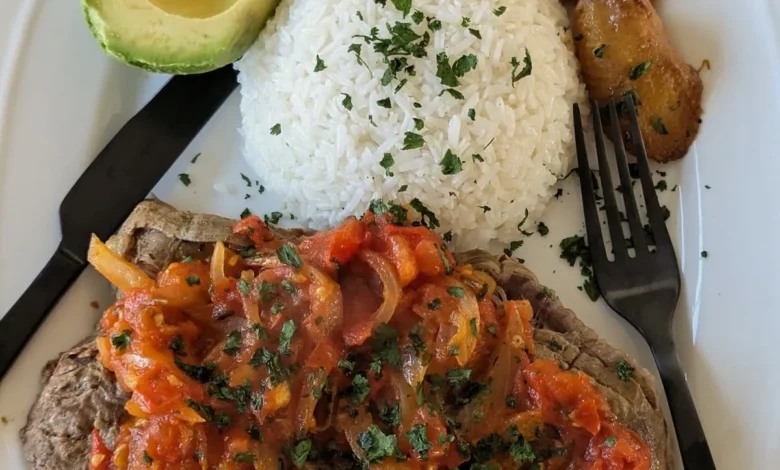
The dish, native to the Cundinamarca and Boyacá departments surrounding the capital city of Bogotá, relies heavily on the preparation of salsa criolla. This sauce acts as the essential aromatic base for a significant portion of Colombian cuisine. Composed primarily of tomatoes, onions, garlic, and a specific blend of regional seasonings, the salsa provides a deep, savory complexity that balances the fibrous texture of the flank steak. Historically, this dish was a staple of the Sunday family gathering, a tradition deeply embedded in Colombian social fabric where multi-generational families convene for extended meals that emphasize connection and communal dining.
From a culinary perspective, the sobrebarriga refers to the long, coarse-grained muscle found in the bovine abdomen. Because this cut is characterized by its density and high connective tissue content, it is unsuitable for quick-cooking methods. Instead, it requires the breakdown of collagen through slow, moist-heat cooking. This transformation process has historically dictated the pace of the weekend, as families would dedicate hours to simmering the beef until it reached a state of extreme tenderness, often until it could be easily shredded or cut with a fork.
Technical Evolution: From Traditional Stovetop to Modern Appliances
While the traditional method involves hours of simmering in a heavy pot on a standard stovetop, the preparation of sobrebarriga has adapted to the technological advancements of the modern kitchen. Professional chefs and home cooks alike now frequently utilize pressure cookers—often referred to in Colombia as an olla pitadora—to drastically reduce cooking times while maintaining the integrity of the meat’s texture.

Data suggests that for a standard 2-pound cut of flank steak, traditional stovetop simmering can take between two to three hours to reach the desired tenderness. Conversely, the use of a high-pressure environment can achieve a comparable level of collagen breakdown in approximately 50 to 60 minutes, followed by a natural pressure release. This shift in preparation time has allowed the dish to transition from a weekend-exclusive project to a viable option for weeknight dining, broadening its accessibility without sacrificing the depth of flavor associated with long-simmered braises.
Supporting Ingredients and Nutritional Profile
The nutritional composition of sobrebarriga en salsa criolla is reflective of a traditional meat-centric diet balanced by fresh vegetables. A standard serving (approximately 434 kcal) provides a significant protein intake of roughly 51 grams, making it a dense source of essential amino acids. The sauce, while flavorful, is relatively low in calories compared to the meat, relying on vitamin-rich vegetables like tomatoes and onions.
Common accompaniments such as white rice, yuca, boiled potatoes, and slices of avocado serve to balance the richness of the beef. The inclusion of tajadas de maduro (sweet fried plantains) introduces a carbohydrate profile that complements the savory notes of the sauce. This combination is not merely a preference but a traditional nutritional pairing common in Andean agriculture, where these staples are readily available and historically significant to the regional diet.
Regional Significance and Historical Context
The popularity of sobrebarriga is deeply tied to the socio-economic history of the Cundinamarca and Boyacá regions. In these highland areas, the agricultural practices favored the raising of cattle and the cultivation of hardy tubers and onions. The necessity to make tougher, affordable cuts of meat palatable led to the refinement of the salsa criolla as a means of infusing flavor into the protein.

Anthropologists and food historians have often noted that the communal nature of the Sunday meal served as a vital mechanism for preserving family ties in rapidly urbanizing Colombian cities. The kitchen served as the central point of the household, where the preparation of the meat was often a collective effort. The dish, therefore, serves as a culinary artifact, documenting the transition from agrarian, labor-intensive lifestyles to the modern, faster-paced urban reality of cities like Bogotá.
Economic and Practical Implications for Modern Cooking
The choice of cut for sobrebarriga is a matter of both tradition and market availability. While flank steak is the standard, in instances where it is unavailable, chefs often pivot to skirt steak. Although skirt steak is thinner and possesses a different fat distribution, it functions as a suitable substitute, albeit with a shorter required cooking time.
The economic implications for households preparing this dish are notable; the flank cut is generally considered a budget-friendly protein option when compared to premium cuts like tenderloin or ribeye. However, the requirement for slow-cooking energy usage is a factor in total cost. Recent trends in energy-efficient cooking, including the rise of the Instant Pot and slow cookers, have optimized the cost-to-flavor ratio, ensuring that sobrebarriga remains a staple in middle-income households.
The Role of Preservation and Meal Planning
One of the distinct advantages of sobrebarriga is its shelf-stability after the cooking process is complete. The dish is widely recognized for its ability to improve upon refrigeration, as the meat continues to absorb the flavors of the salsa criolla during the resting period. This characteristic makes it an ideal candidate for "batch cooking," a practice that has gained traction among busy professionals.

Experts in food safety recommend that the braised meat be stored in its broth for up to three days in a sealed, refrigerated container. The fat that rises to the surface during cooling can be skimmed off, which not only improves the nutritional profile by reducing saturated fat but also clarifies the sauce for the final serving. This reheating process, when done gently, preserves the texture of the meat, preventing the tightening that occurs when protein is exposed to high, direct heat.
Broader Culinary Impact
The endurance of sobrebarriga en salsa criolla within the canon of Colombian gastronomy underscores a broader trend: the preservation of labor-intensive, tradition-heavy recipes in an era of convenience. While many global cuisines have moved toward rapid, highly processed meal solutions, the commitment to the sobrebarriga suggests a cultural prioritization of culinary authenticity.
The dish acts as a bridge between generations, with recipes often passed down through verbal instruction rather than written documentation. As such, the dish is subject to constant evolution; while the core components—flank steak, tomatoes, and onions—remain constant, the specific spice profiles, such as the addition of cumin, cilantro, or regional chili varieties, vary significantly from one household to the next. This fluidity ensures that the dish remains vibrant and relevant, resisting stagnation.
Conclusion and Future Outlook
As interest in Latin American cuisine continues to grow on a global scale, dishes like sobrebarriga en salsa criolla are gaining exposure in international culinary circles. Its profile as a "comfort food" aligns with current consumer preferences for hearty, authentic, and historically rich dining experiences. Whether prepared in a traditional clay pot over an open flame or in a high-tech pressure cooker, the essence of the dish remains the same: a celebration of the patient transformation of humble ingredients into a centerpiece of family life. The ongoing practice of this recipe ensures that, despite the rapid modernization of society, the connection to the ancestral kitchens of the Andes remains intact.