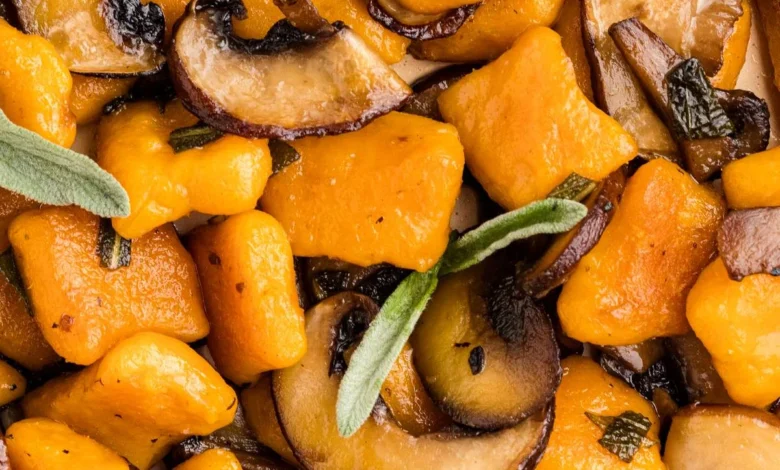
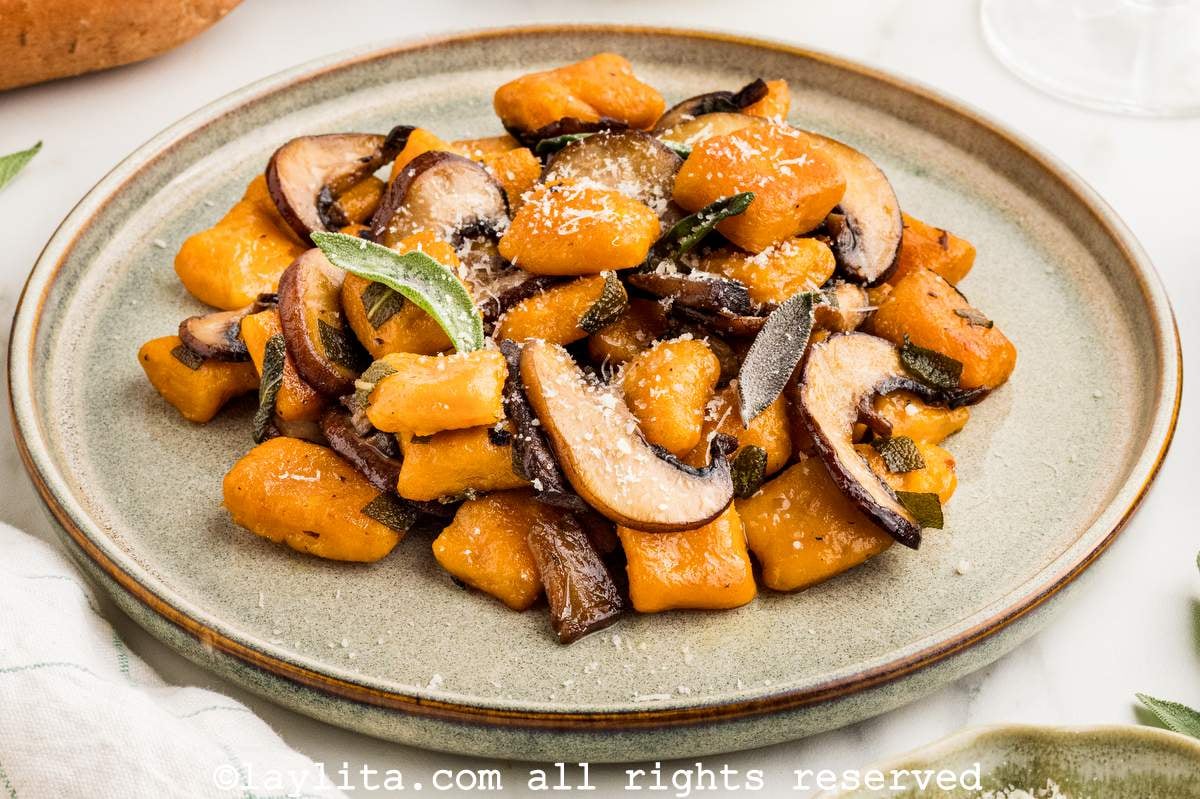
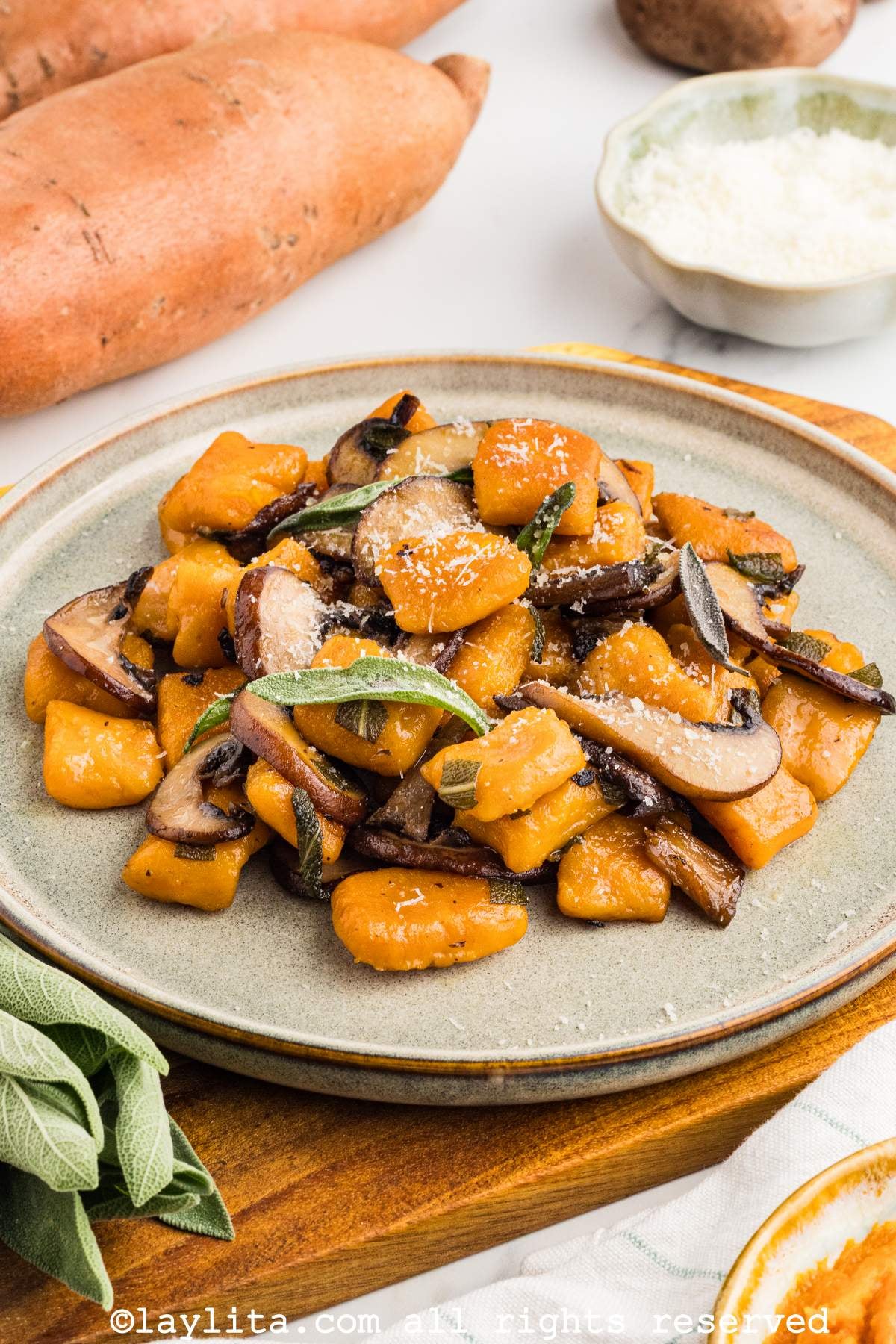
The culinary landscape of homemade Italian pasta has long been dominated by traditional russet potato gnocchi. However, contemporary home cooking trends are increasingly embracing nutrient-dense, flavorful alternatives that elevate simple ingredients into sophisticated comfort food. A prime example of this evolution is the rising popularity of homemade sweet potato gnocchi paired with an earthy mushroom sage butter sauce. This dish bridges the gap between traditional techniques and modern palate preferences, offering a harmonious balance of natural sweetness, savory umami, and velvety textures.
Culinary Evolution and Background Context
Gnocchi—small, pillowy dumplings traditionally made from potatoes, flour, and eggs—traces its origins back to Roman times, long before potatoes were introduced to Europe from the Americas. Over centuries, Italian regional cuisines adapted the recipe to incorporate whatever starchy ingredients were locally abundant. While standard potato gnocchi remains a staple of Northern Italian gastronomy, culinary artisans and home cooks alike have experimented with squash, ricotta, and sweet potatoes to introduce complexity and vibrant color to the dining table.
The incorporation of sweet potatoes into gnocchi dough introduces several distinct variables. Unlike starchy russet potatoes, sweet potatoes contain higher sugar levels and varying moisture content, which historically made them difficult to work with for amateur cooks. Early iterations of sweet potato gnocchi often suffered from dense, gummy textures due to the excessive amounts of flour required to absorb excess moisture. Culinary testing and recipe development over recent years have refined this process, introducing precision techniques such as oven roasting rather than boiling, and utilizing stabilizing agents like cornstarch to maintain a light, airy crumb without overworking the gluten in the flour.
The Engineering of Foolproof Sweet Potato Gnocchi
Developing a reliable recipe for sweet potato gnocchi requires careful attention to food science. Professional recipe developers emphasize that the primary enemy of pillowy gnocchi is excess moisture and over-kneading. When sweet potatoes are boiled, they absorb significant water, necessitating far more flour to form a workable dough. This excess flour results in heavy, chewy dumplings that fail to meet culinary standards.
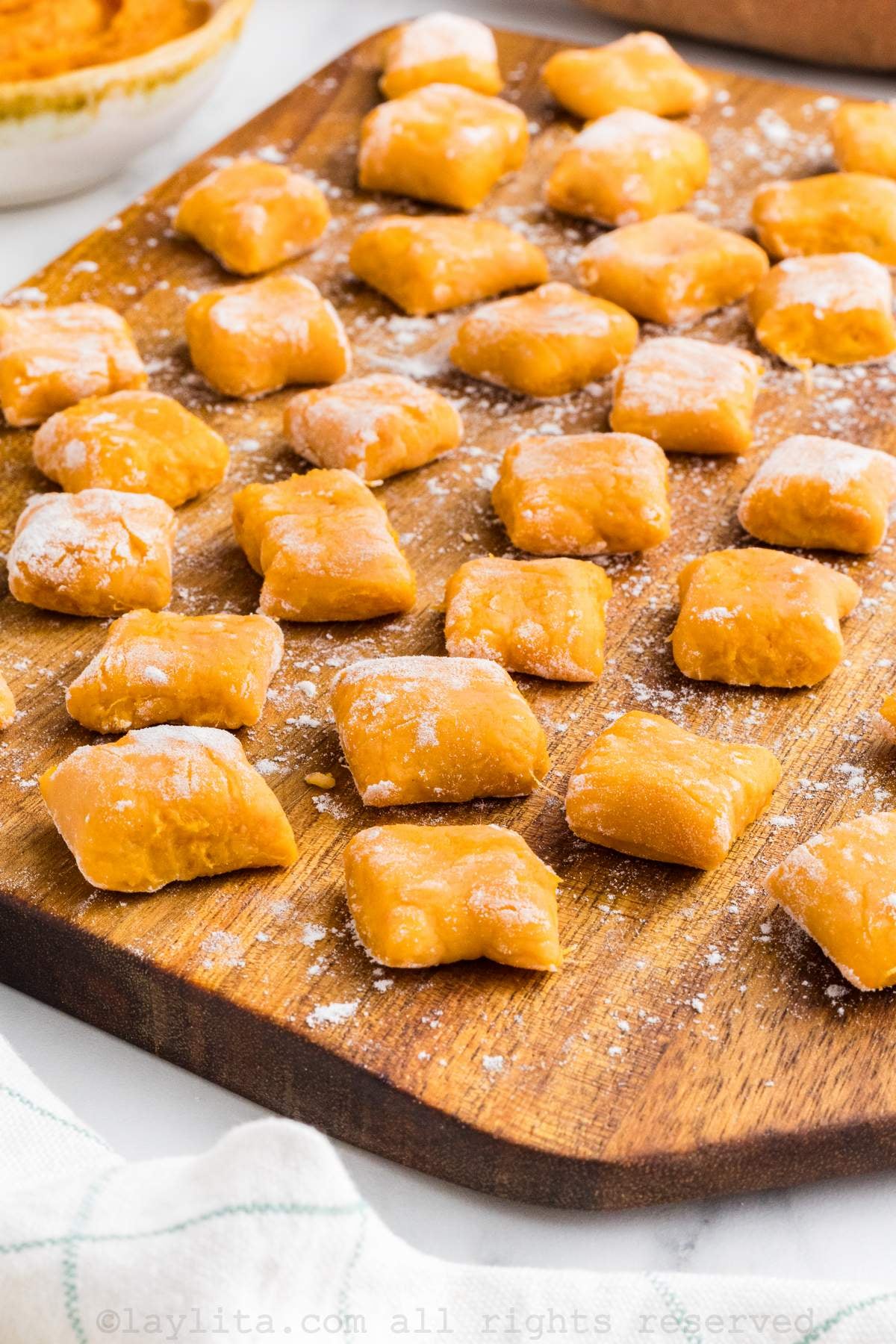
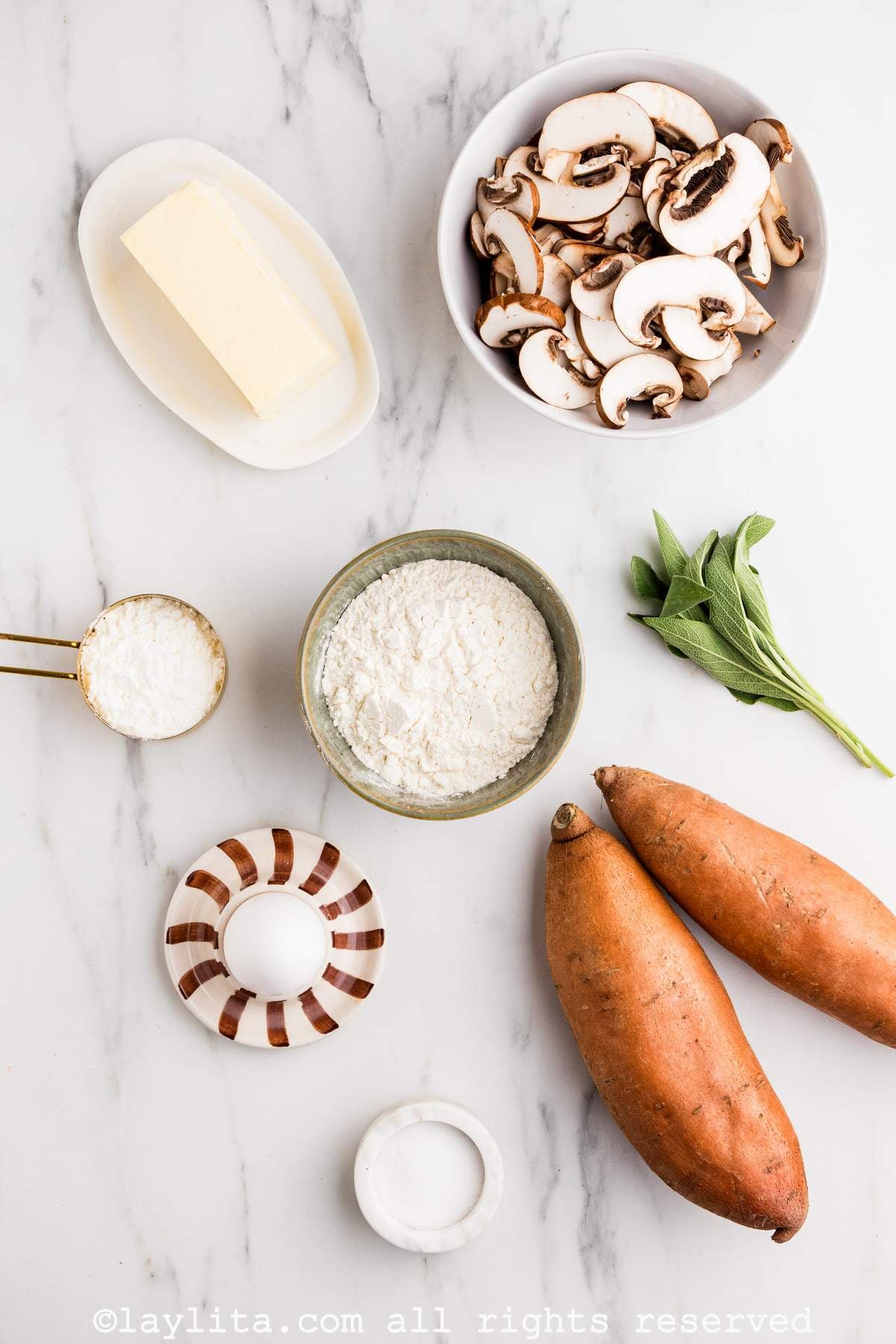
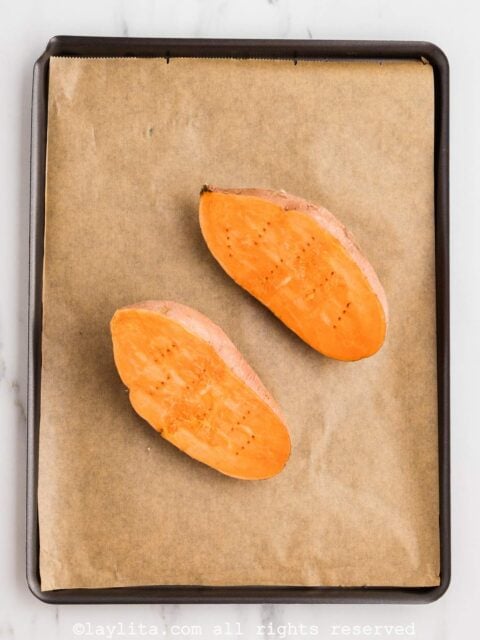
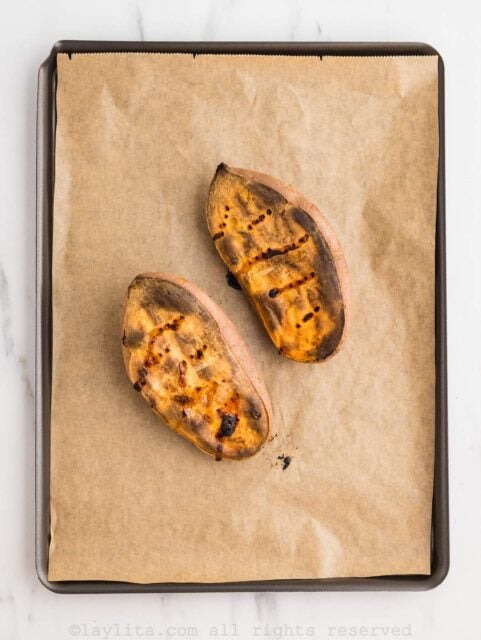
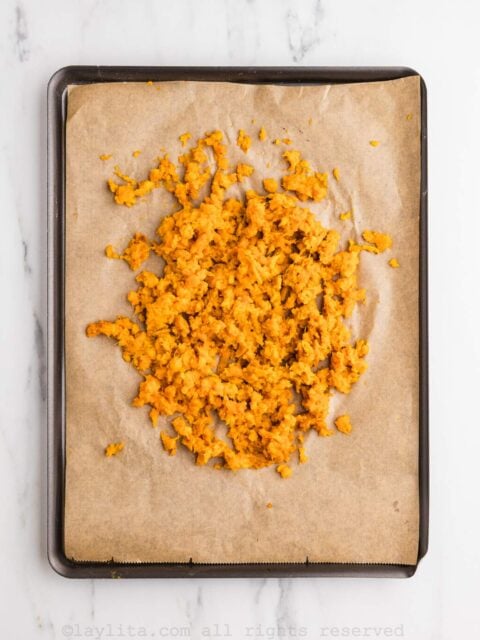
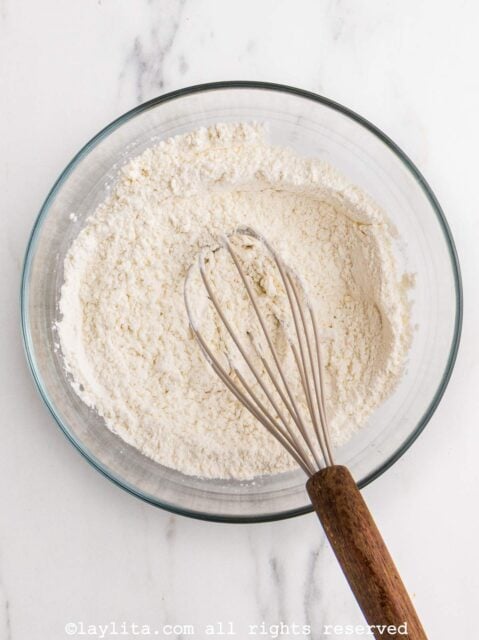
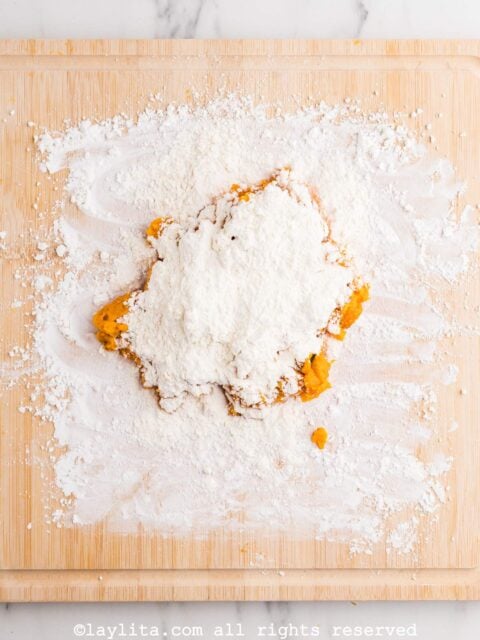
To counteract this, modern culinary practices dictate roasting sweet potatoes whole in their jackets. This method allows internal moisture to evaporate, concentrating the natural sugars and starches while keeping the flesh relatively dry. Furthermore, incorporating cornstarch into the flour mixture acts as a safeguard. Cornstarch inhibits excessive gluten development, ensuring that even if a cook accidentally adds too much flour during the rolling and shaping phase, the final product retains its signature melt-in-the-mouth texture.
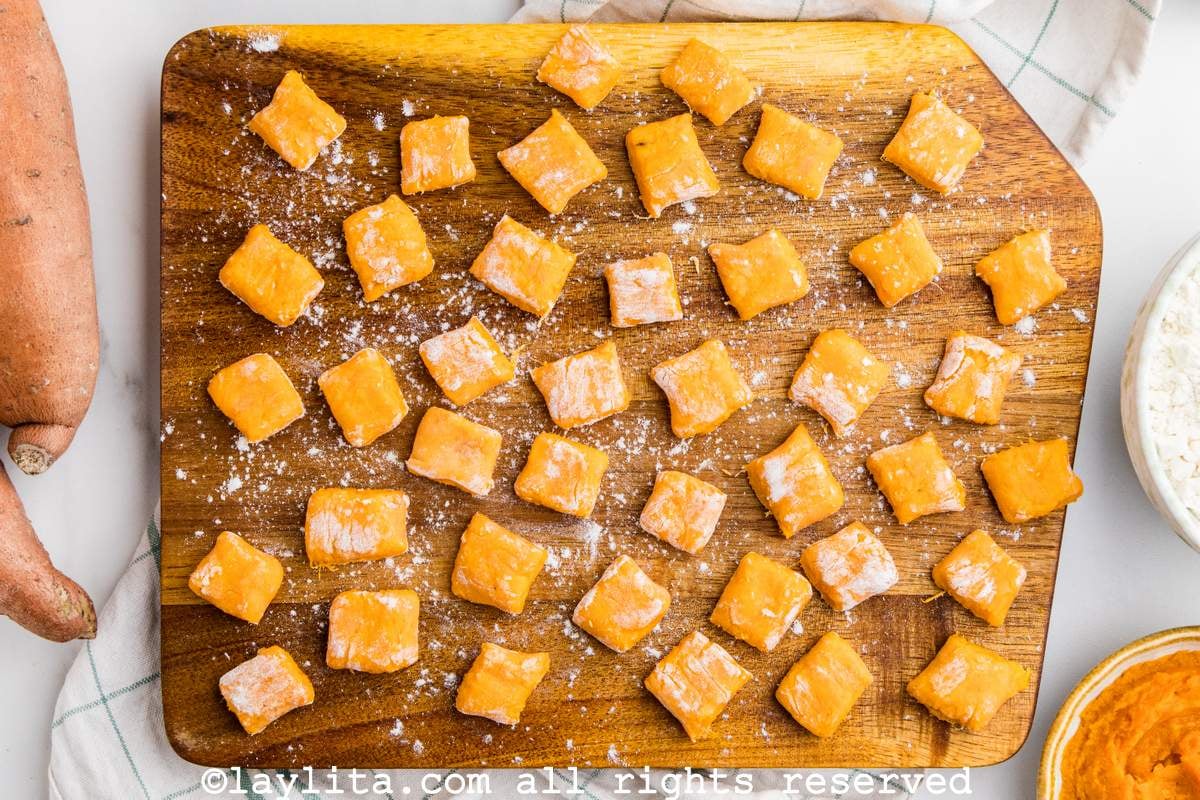
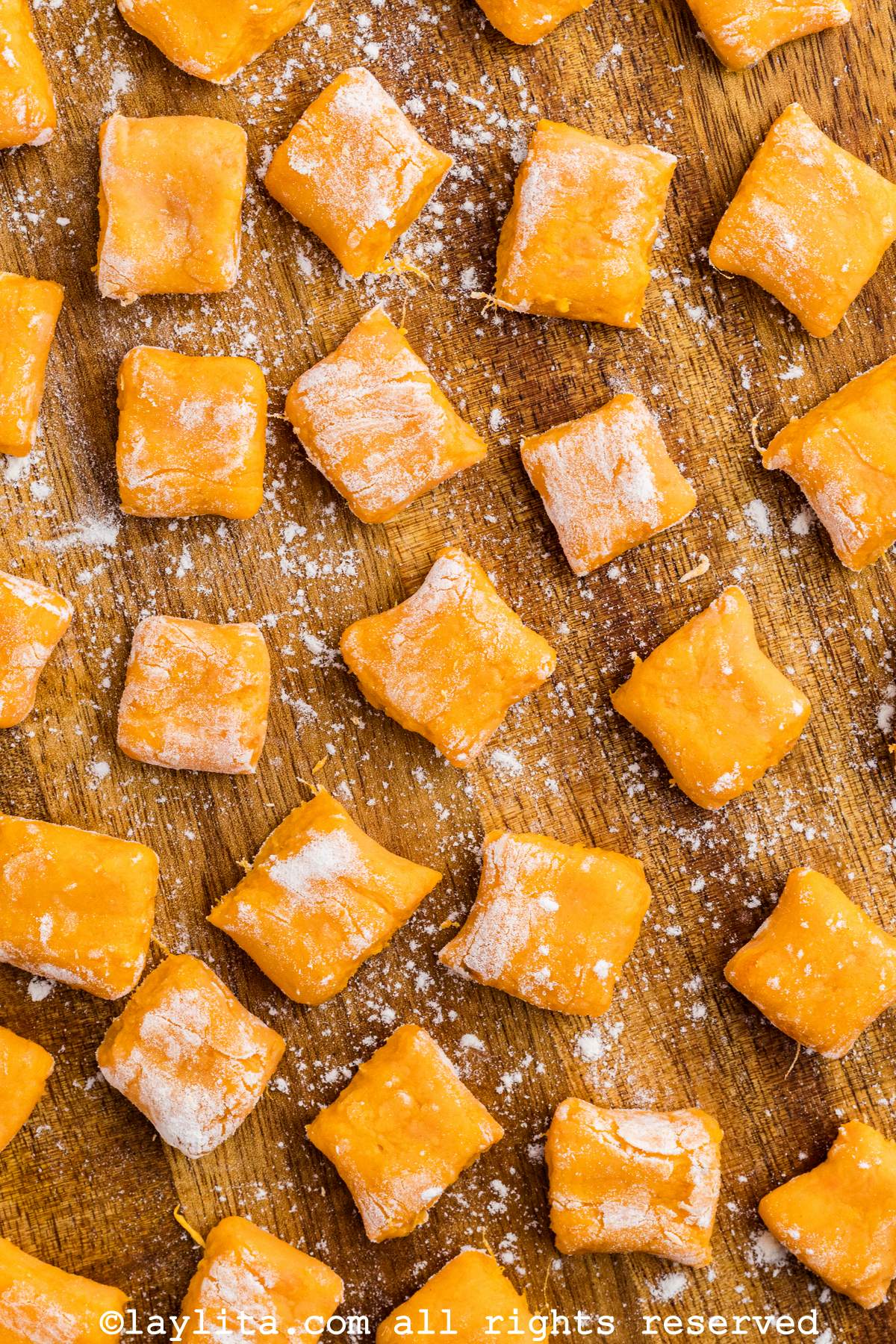
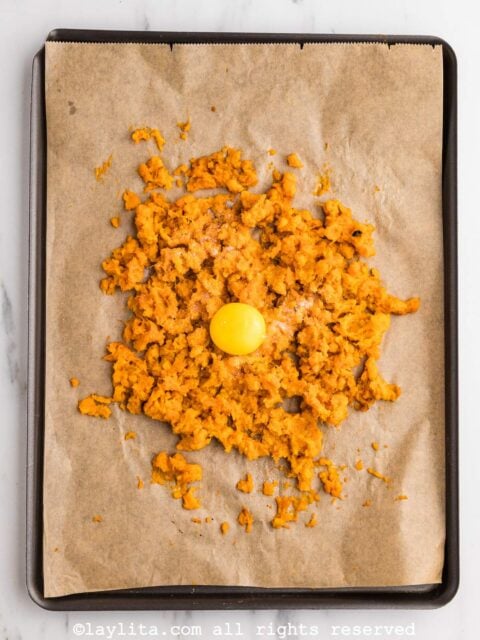
Another critical component of the preparation timeline involves handling the dough while the sweet potato flesh is still warm. Warm starches bind more effectively with egg yolks and dry ingredients, requiring less mechanical manipulation. Chefs advise gently bringing the dough together using a scraper or fork rather than traditional bread-kneading techniques, preserving the delicate structure necessary for superior gnocchi.
Flavor Pairing: Balancing Sweetness and Umami
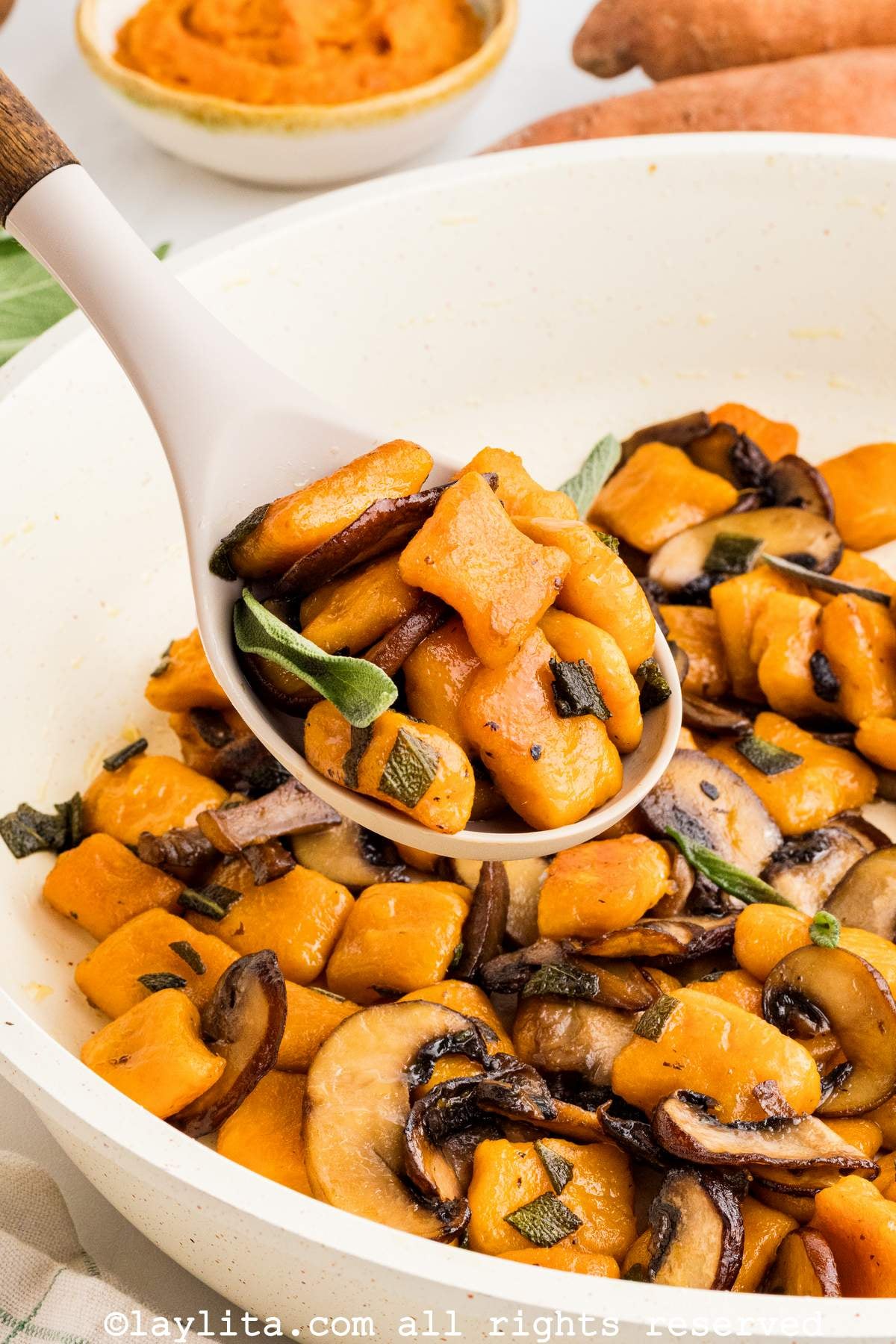
The natural sweetness of sweet potatoes requires a thoughtful pairing of sauces to prevent the dish from becoming cloying. Culinary experts have found that rich, savory, and herbaceous flavor profiles provide the ideal counterweight. A classic mushroom sage butter sauce achieves this balance masterfully.
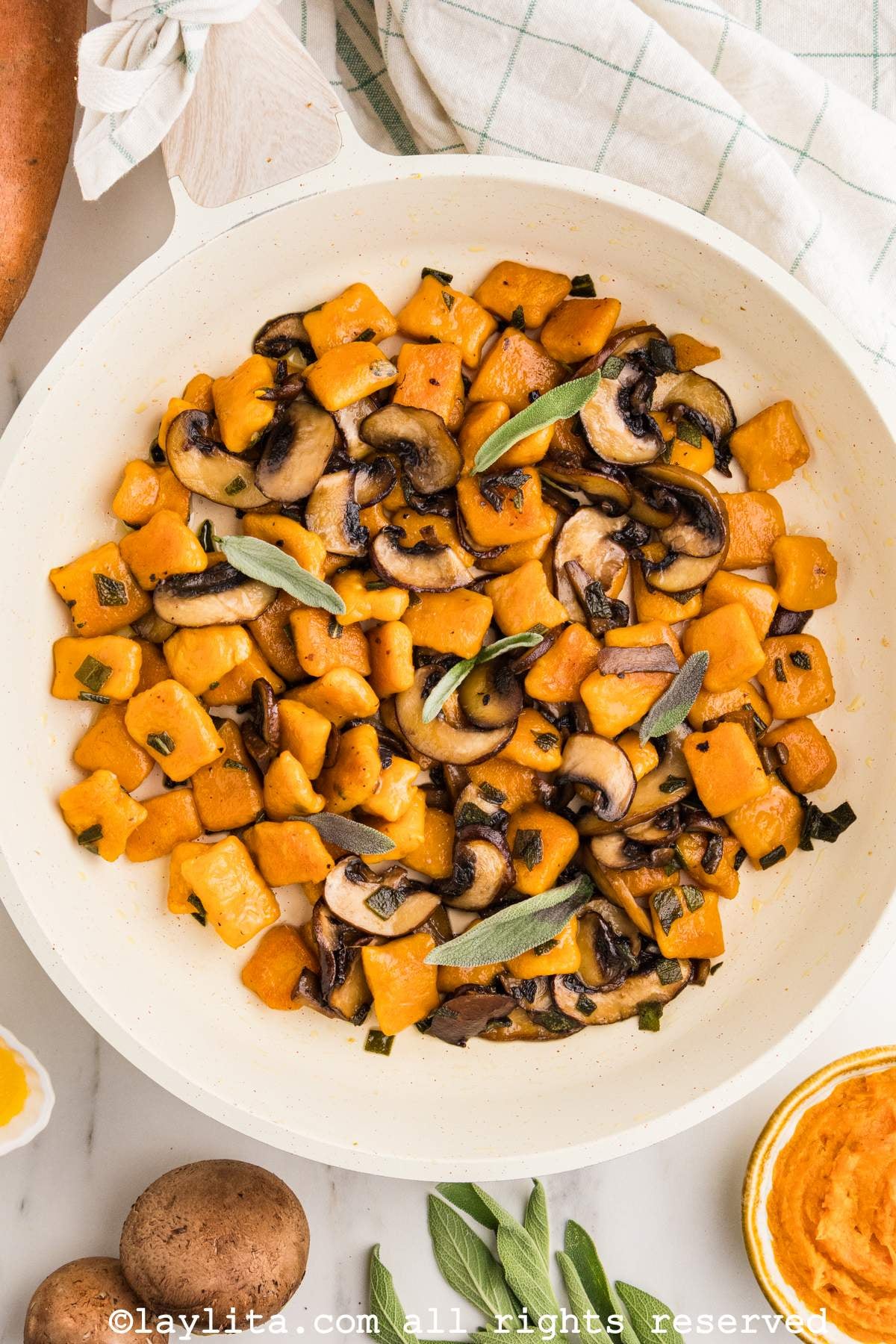
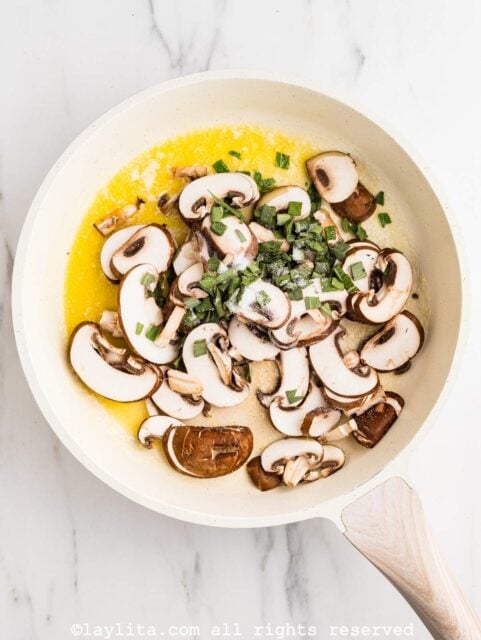
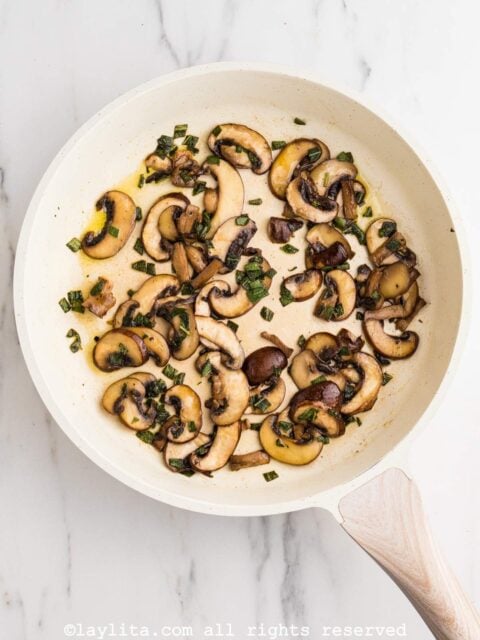
Earthy mushrooms—such as cremini or wild varieties—contribute significant umami compounds, which interact with the natural sugars in the sweet potato to create a multi-dimensional flavor profile. Meanwhile, browned butter infused with fresh sage leaves adds a nutty, aromatic depth that cuts through the richness of the dish. Finished with freshly grated Parmesan cheese, the plate delivers a sophisticated interplay of sweet, salty, earthy, and savory notes suitable for both weeknight suppers and formal dinner party hosting.
Storage, Preservation, and Commercial Implications
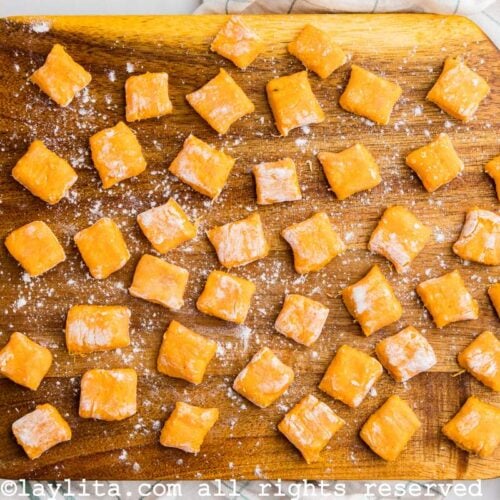
As home cooking trends lean toward meal-prepping and efficiency, the ability to store and freeze homemade pasta has become a major selling point for culinary content. Freshly made gnocchi can be refrigerated for up to 48 hours if properly dusted with cornstarch and stored in single layers to prevent sticking. However, longer-term preservation requires flash-freezing.
By arranging uncooked gnocchi on a baking tray and freezing them individually for approximately 90 minutes before transferring them to airtight freezer-safe containers, home cooks can preserve the product for up to three months. Crucially, these frozen dumplings can be dropped directly into boiling water without the need for thawing, simplifying the preparation process for busy consumers.
From a broader economic and lifestyle perspective, the resurgence of from-scratch pasta making reflects a wider cultural movement toward mindful consumption and culinary skill acquisition. As consumers spend more time investing in scratch-cooking techniques, recipes that offer high visual appeal, approachable ingredients, and forgiving methodologies—such as this sweet potato gnocchi variation—continue to dominate digital food media and modern cookbooks.
Frequently Asked Questions
Can alternative cooking methods be used for the sweet potatoes?
Yes. While oven roasting is preferred for moisture control, whole sweet potatoes can be pierced with a fork and microwaved for 7 to 10 minutes, or air-fried at 380°F for approximately 40 minutes. The imperative step across all methods is to mash the flesh while still warm to eliminate trapped steam.
Is store-bought sweet potato puree an acceptable substitute?
Culinary experts strongly advise against commercial canned sweet potato puree. Canned varieties typically possess a higher water content and a slippery texture, which demands significantly more flour and invariably results in dense, unpalatable gnocchi.
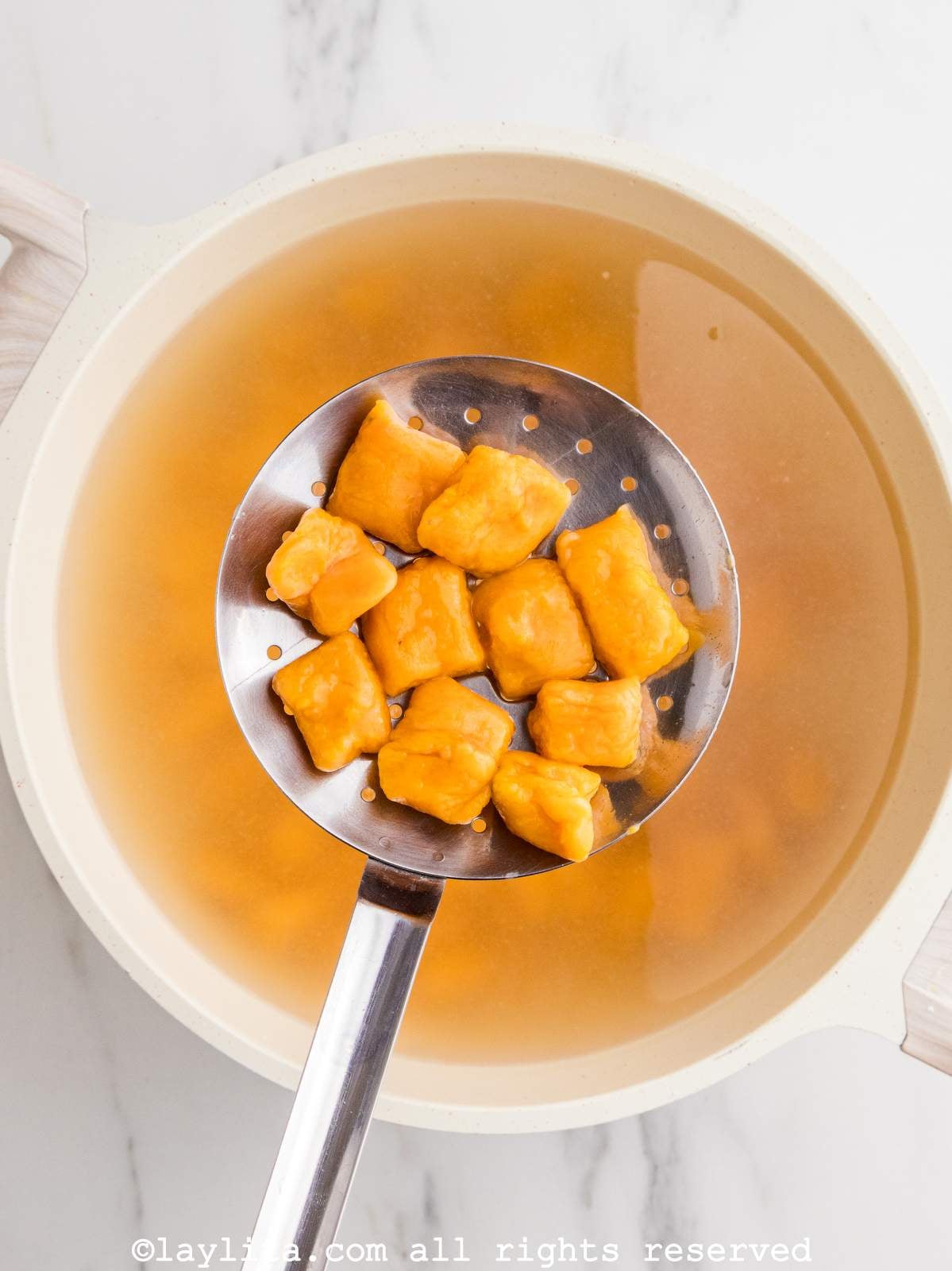
What causes gnocchi to dissolve during boiling?
If gnocchi disintegrates upon hitting boiling water, it is almost always indicative of insufficient flour or excessive moisture in the dough. Chefs recommend performing a test run by boiling a single piece before cutting the entire batch, allowing adjustments to be made to the flour ratio beforehand.