Air Fryer Mofongo Video Recipe Offers a Healthier Take on a Caribbean Classic

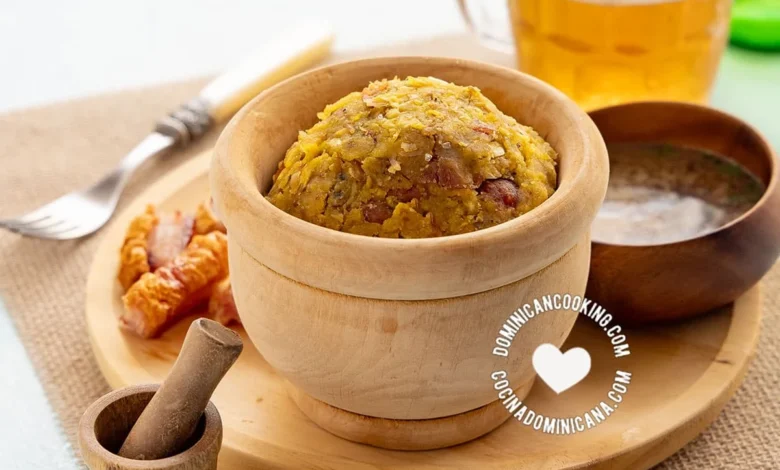
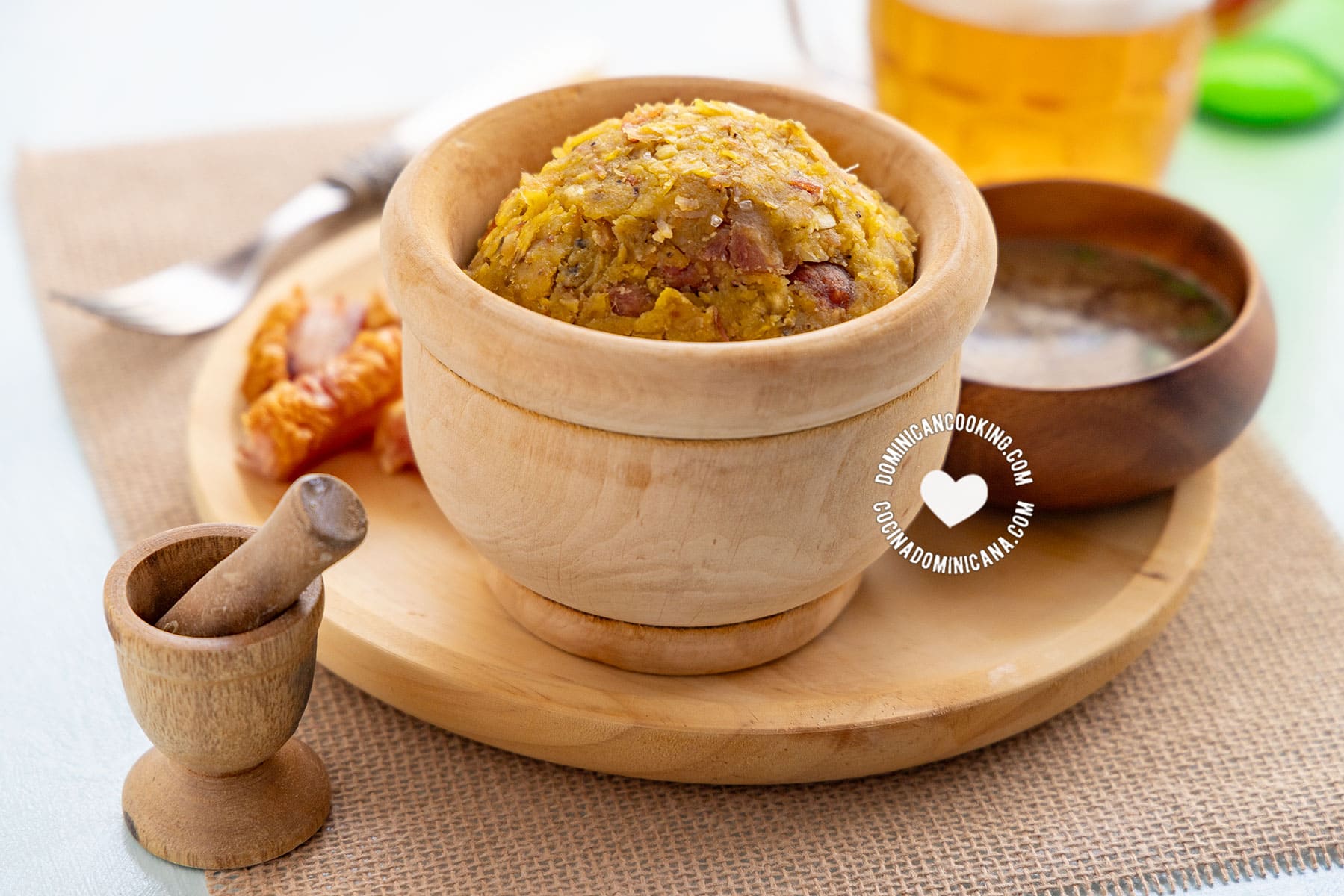
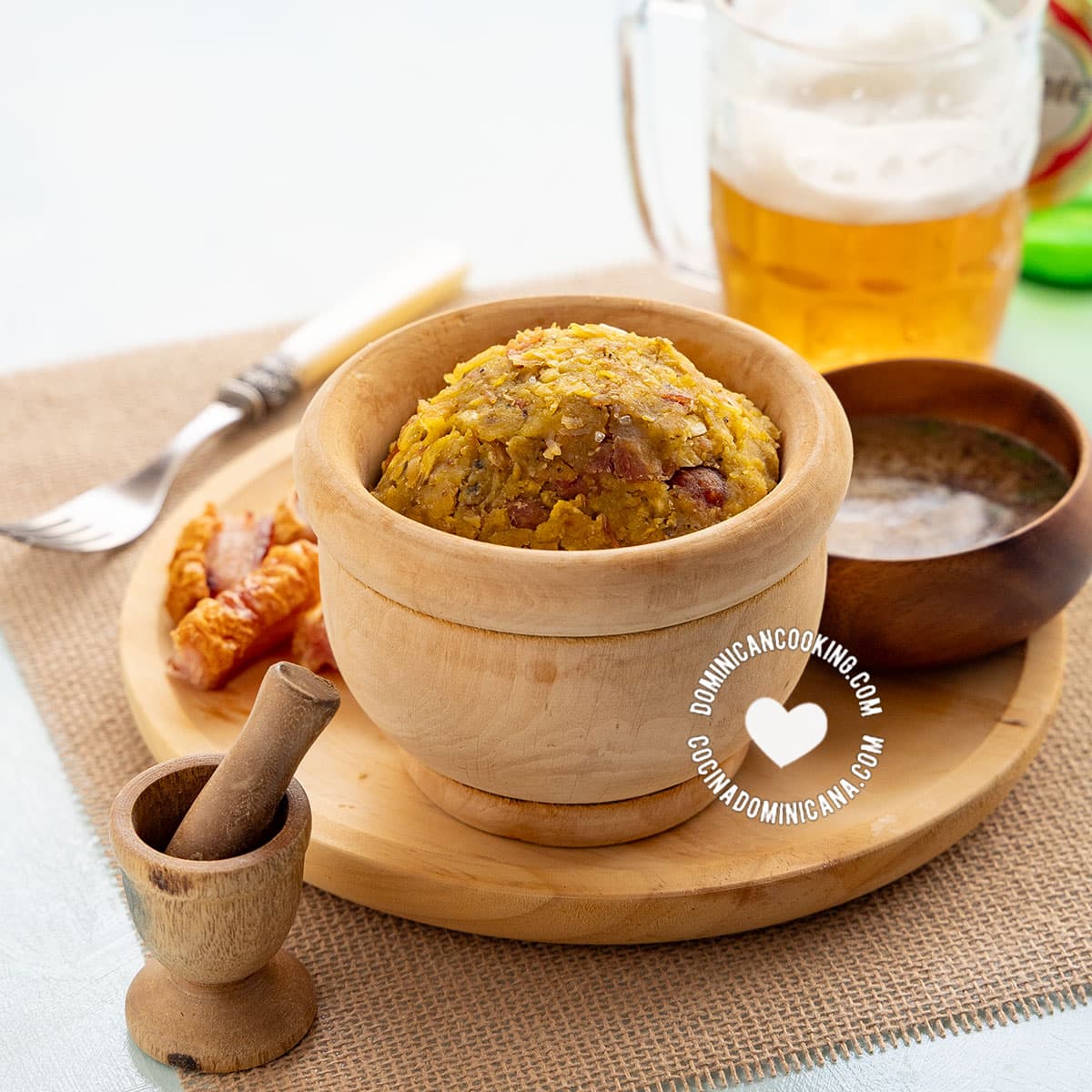
The culinary landscape of the Caribbean has long celebrated the green plantain as a foundational staple, giving rise to iconic dishes such as Puerto Rico’s mofongo and the Dominican Republic’s mangú. Traditionally, creating mofongo requires deep-frying chunks of green plantain before mashing them in a wooden mortar, known as a pilón, alongside garlic, salt, and crispy pork cracklings, or chicharrón. While deeply flavorful, this conventional method yields a high-calorie dish associated with significant amounts of cooking oil and subsequent kitchen cleanup. In response to shifting culinary trends toward healthier home cooking, recipe developer Clara Gonzalez has released a modernized air fryer adaptation of the classic mofongo, aiming to preserve the dish’s signature umami profile while significantly reducing its fat content.
Background and Cultural Significance of Mofongo
Mofongo holds a cherished status across the Caribbean, particularly in Puerto Rico and the Dominican Republic, where plantains symbolize cultural identity—a concept often celebrated under the banner of #platanopower. Historically, variants of the dish trace their roots to African culinary traditions brought to the Caribbean during the transatlantic slave trade, where cooks adapted local starches using techniques reminiscent of fufu. While early iterations frequently relied on boiling or roasting plantains, frying eventually became the dominant preparation method in commercial and home kitchens alike due to the rich texture it imparts.

Despite its cultural prominence, modern dietary considerations have prompted home cooks to seek alternatives to deep-frying. High-calorie counts and the logistical challenges of managing large quantities of hot cooking oil have driven innovation in kitchen appliance adaptation. Air fryers, which circulate superheated air to crisp foods with minimal oil, have surged in popularity across Latin America and the Caribbean diaspora, becoming an indispensable tool for adapting criollo cuisine to contemporary lifestyles.
Chronology and Development of the Air Fryer Adaptation
The integration of air fryers into traditional Caribbean cooking is part of a broader, decade-long movement to modernize heritage recipes without sacrificing authenticity. Gonzalez’s specific adaptation follows a structured, multi-step process designed to mimic the texture of fried plantains through thermal convection.
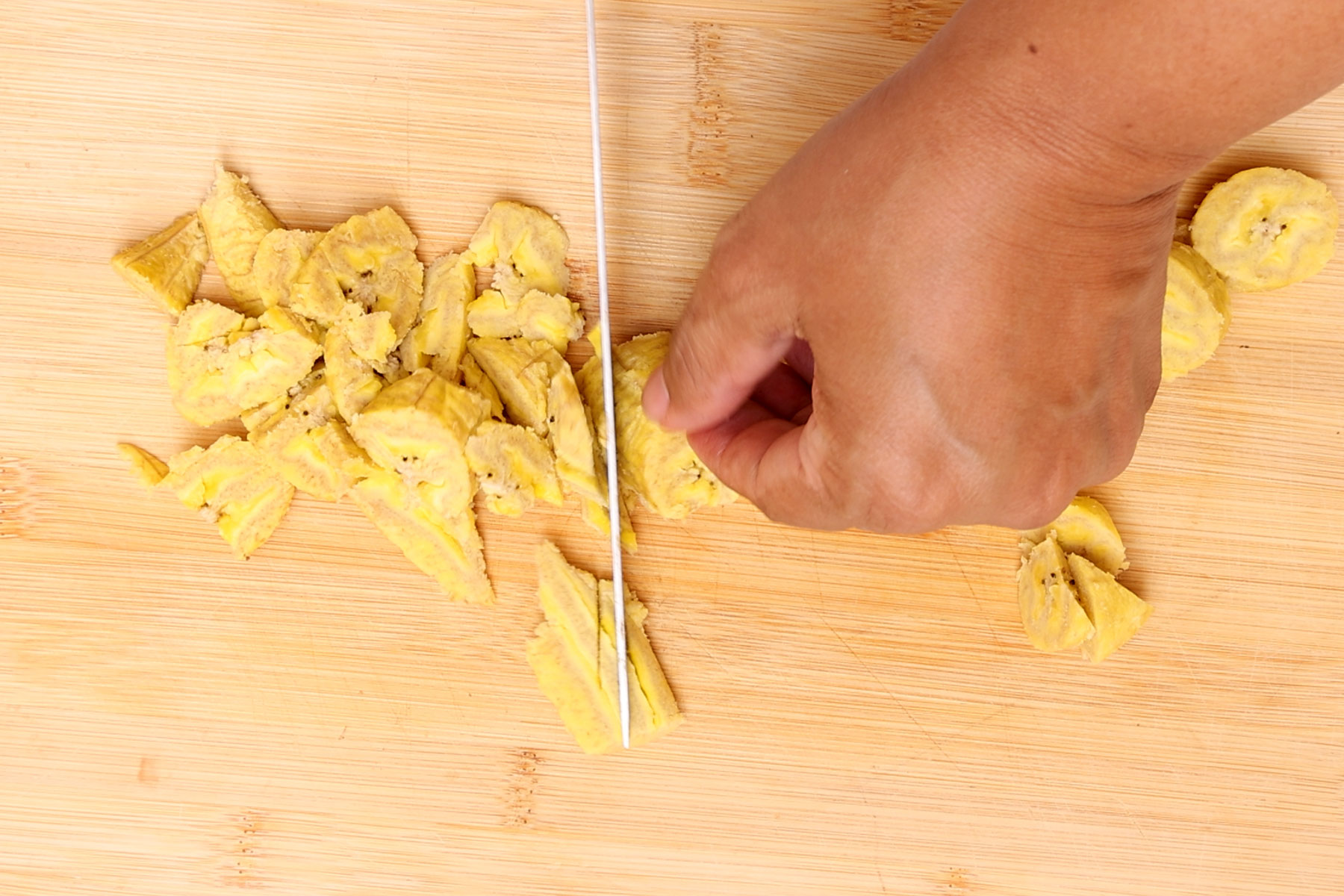
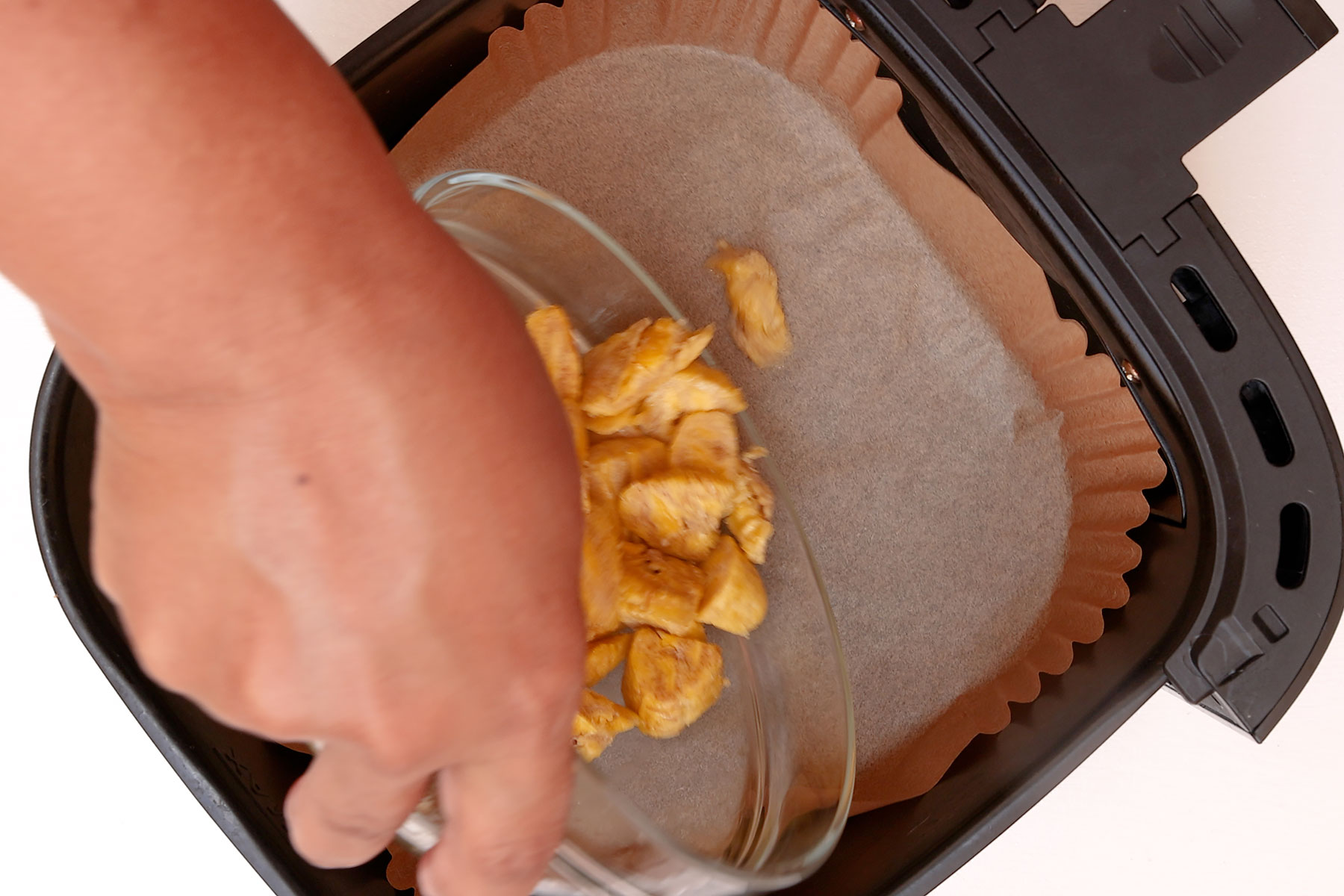
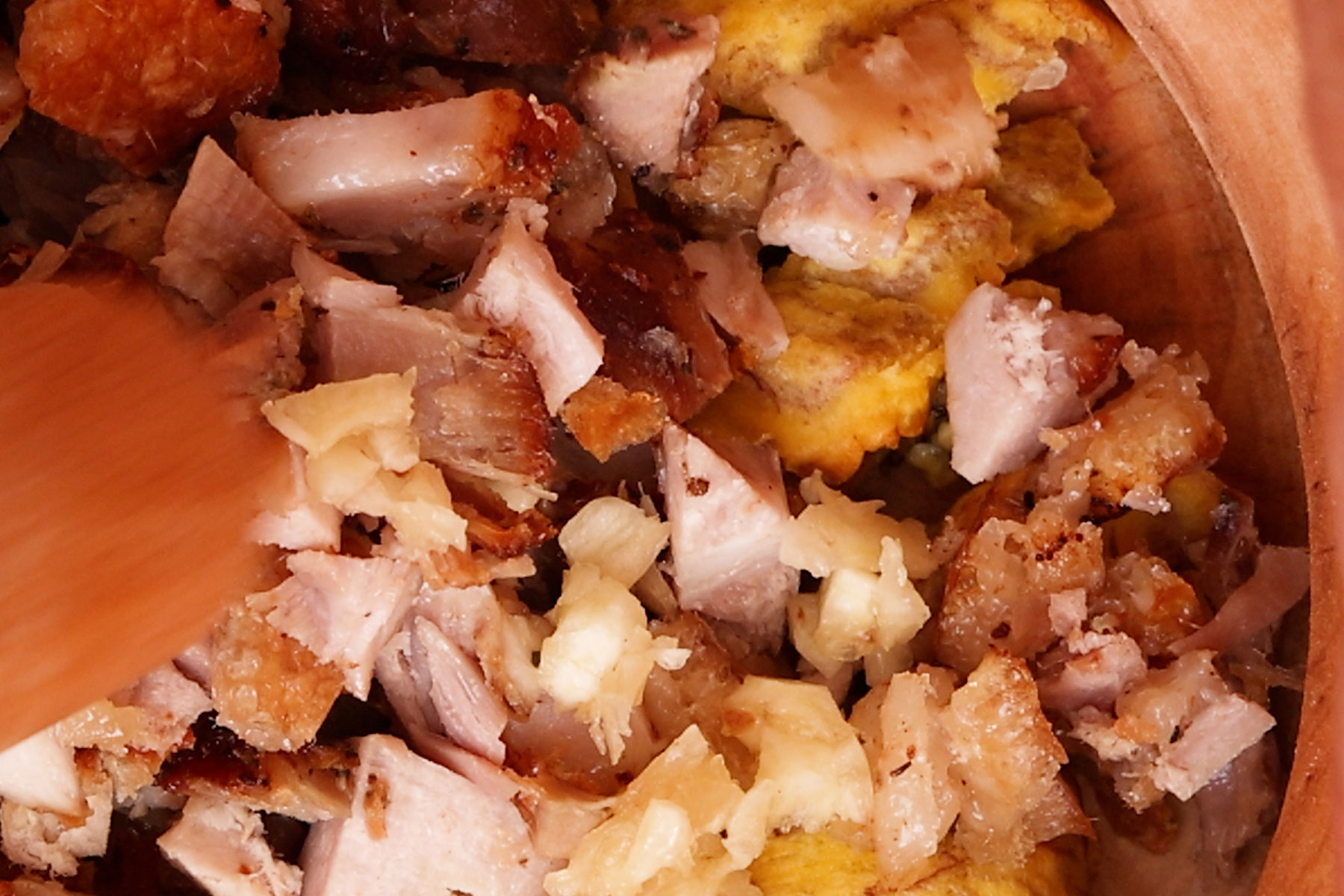
The preparation begins with peeling and sectioning raw green plantains, followed by an initial cooking phase in the air fryer to soften the interior starches. Unlike the traditional method of submerging the plantain chunks in boiling oil or a deep fryer, the air fryer uses dry heat combined with a minimal coating of oil. After the initial cooking phase, the plantains are removed, chopped, and seasoned with traditional aromatics, prominently featuring fresh garlic and crisp pork skin. The second phase involves returning the elements to the air fryer for a brief period to achieve a golden exterior before the final mashing process inside a pilón.
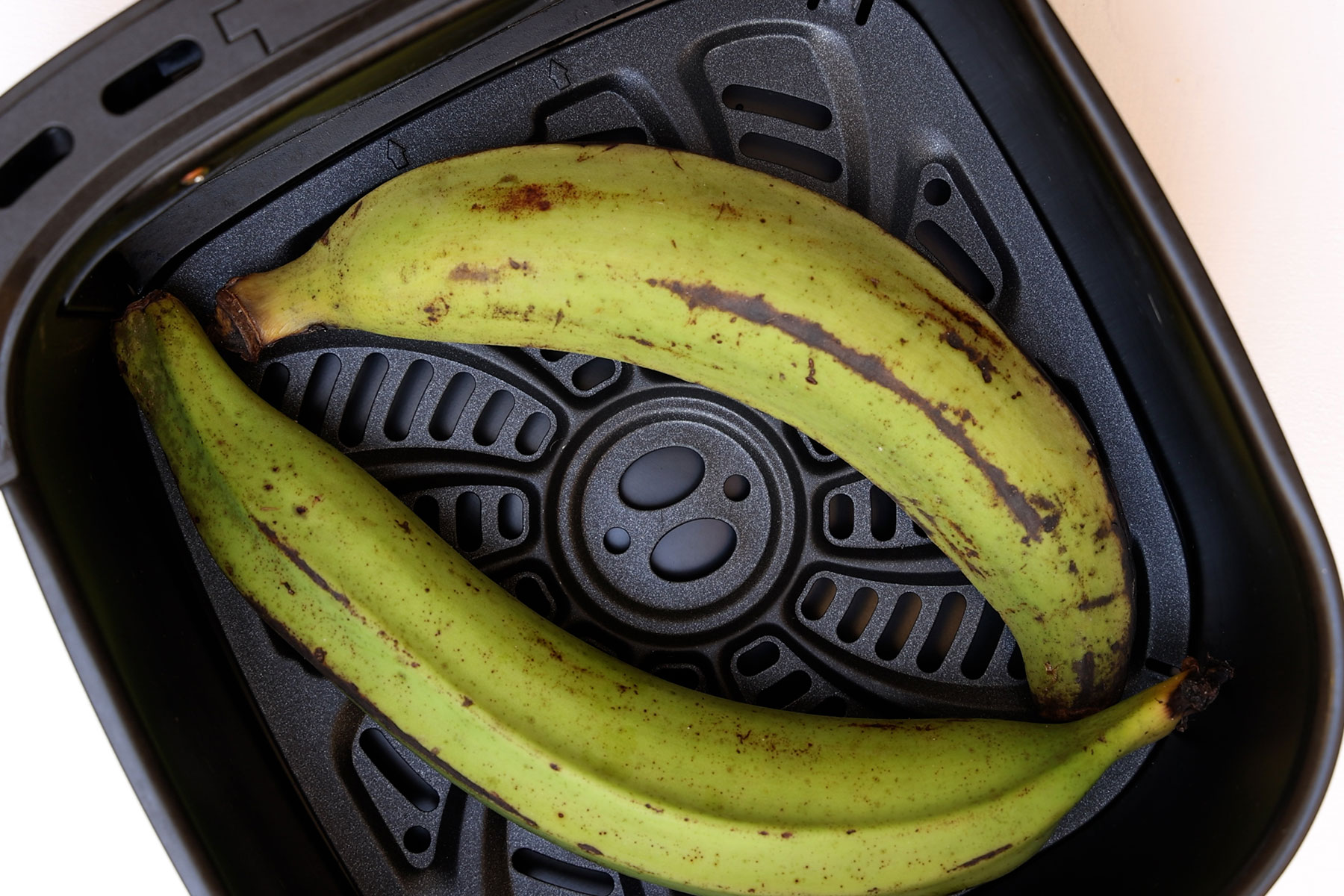
This streamlined approach reduces active preparation and cooking time to approximately 50 minutes—comprising 15 minutes of prep and 35 minutes of cooking—while eliminating the smoke, heavy odors, and messy splatters associated with traditional stovetop frying.
Nutritional Analysis and Dietary Implications
From a nutritional standpoint, traditional mofongo can easily exceed standard caloric recommendations for a single side dish or main course, driven primarily by the absorption of cooking oils during the deep-frying process. According to nutritional data compiled for the air fryer mofongo recipe, a standard serving contains approximately 690 kilocalories, 58 grams of carbohydrates, 37 grams of protein, and 36 grams of fat, of which 9 grams are saturated fat.
While the dish remains calorie-dense due to the inherent starch content of plantains and the inclusion of pork protein, the air fryer method reduces the total volume of added lipids compared to immersion frying. Public health analysts note that kitchen appliance innovations like air fryers play a constructive role in lifestyle modification trends, allowing consumers to maintain cultural dietary traditions while moderating their intake of dietary fats. Furthermore, the inclusion of dietary fiber—estimated at 3 grams per serving—alongside significant levels of potassium (884 mg) and vitamin C, highlights the inherent nutritional value of the green plantain when prepared with reduced heavy oils.
Broader Industry Impact and Consumer Response
The release of the air fryer mofongo recipe reflects a wider commercial and digital trend in which food creators bridge the gap between heritage cuisine and modern health consciousness. Culinary platforms dedicated to Dominican and Puerto Rican cooking have reported a sustained surge in search queries related to air fryer adaptations, as consumers increasingly prioritize convenience, ease of cleanup, and lower caloric profiles.
Food industry analysts observe that traditional foodways are remarkably resilient, adapting readily to new technological formats rather than fading away. By utilizing appliances already present in millions of households globally, recipe developers enable diasporic communities and international enthusiasts to recreate complex, labor-intensive Caribbean dishes on weeknights rather than reserving them exclusively for weekend gatherings.
As culinary creators continue to experiment with appliances like air fryers, convection ovens, and pressure cookers, classic dishes such as mofongo, tostones, and pastelón are undergoing a quiet evolution. This technological shift ensures that historical recipes remain viable, accessible, and aligned with the nutritional priorities of modern households, securing the culinary heritage of the Caribbean for future generations.
Related posts: