The California Carbon Conundrum: How Factory Farm Methane Digesters Spark a Double-Counting Controversy

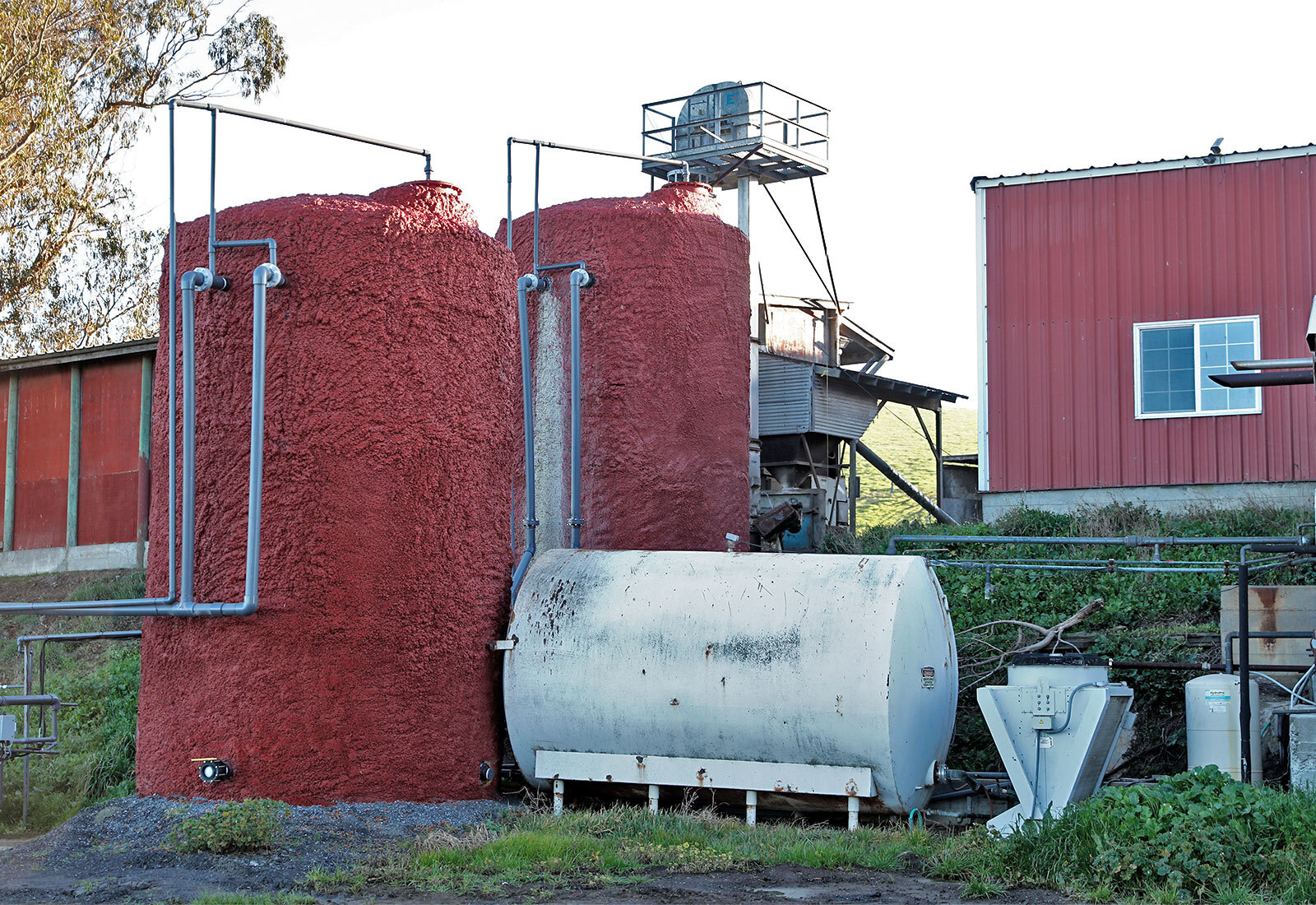
California has long positioned itself as a global leader in environmental policy, setting ambitious climate goals aimed at curbing greenhouse gas emissions and transitioning toward a sustainable, low-carbon economy. At the heart of this strategy is the state’s push to rein in methane emissions from its massive agricultural sector, specifically large-scale dairy farms. By utilizing anaerobic digesters—towering silos designed to capture methane from decomposing manure before it escapes into the atmosphere—the state hopes to significantly diminish its carbon footprint. However, an intricate and controversial accounting mechanism employed by California regulators has turned these agricultural waste systems into financial goldmines, sparking accusations of double-counting, questionable climate math, and perverse regulatory incentives.
The Mechanics of Methane Capture and State Subsidies
Every year, California’s dairy farms emit hundreds of thousands of tons of methane, a potent greenhouse gas with a warming potential significantly higher than carbon dioxide over a 20-year timescale. To incentivize farmers and energy companies to capture this gas, the state has lavished the livestock sector with lucrative grants and subsidies.
These mitigation efforts are a cornerstone of California’s target to reduce methane emissions by 40 percent below 2013 levels by the end of the decade. Projects like the one implemented at the 11,000-head Vander Poel Dairy in Tulare County—which received a $1.9 million state grant in 2018 for a methane digester funded by the California Department of Food and Agriculture—are projected to prevent hundreds of thousands of metric tons of carbon dioxide equivalent from entering the atmosphere.
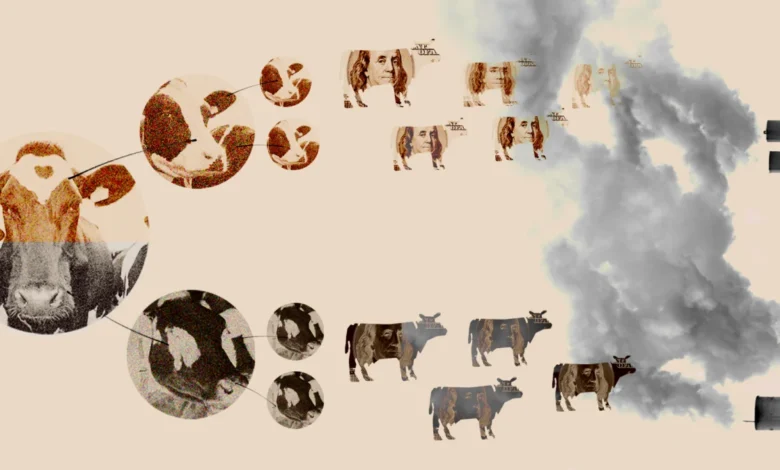
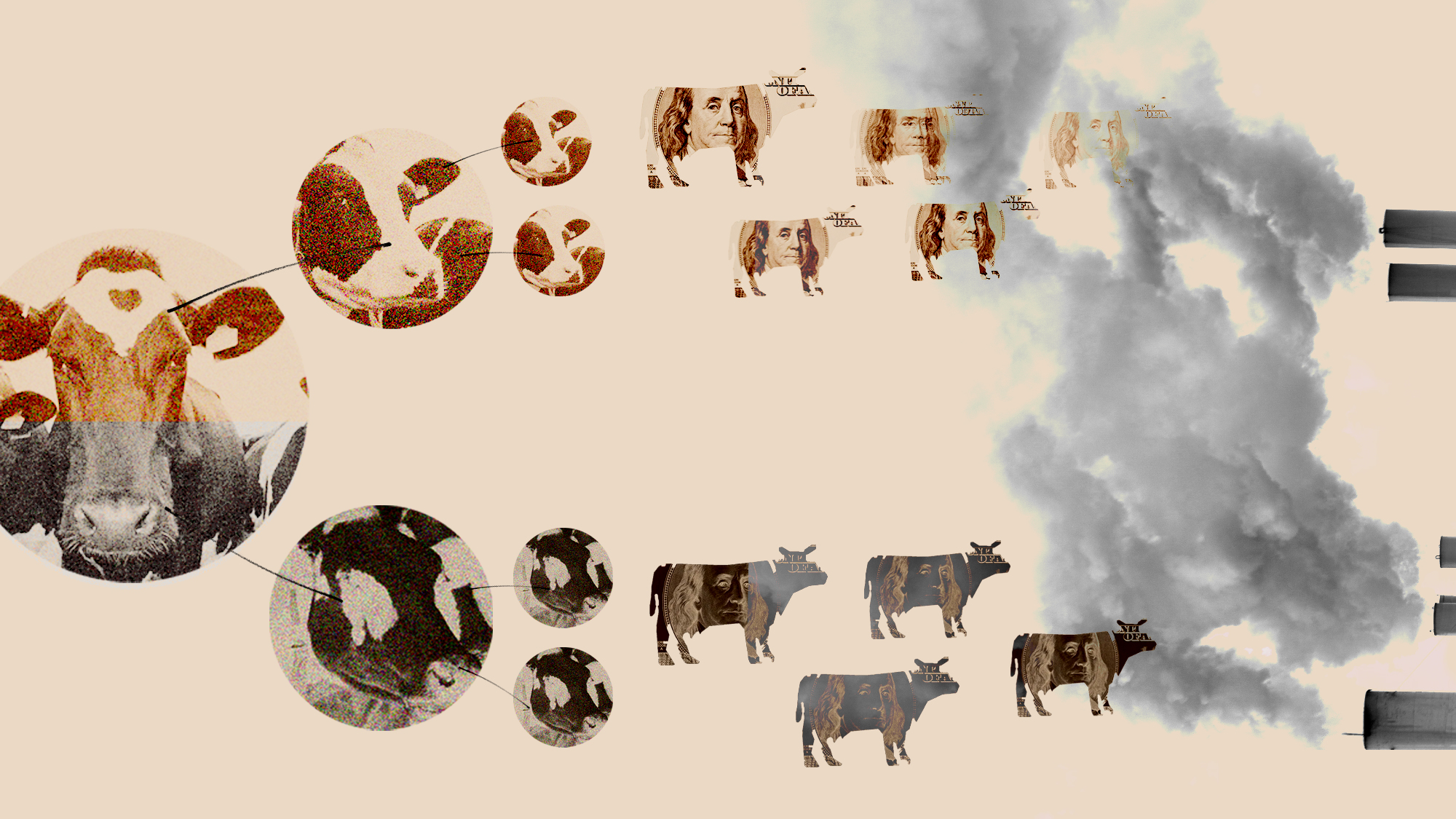
The complication arises from how the California Air Resources Board (CARB), the state’s primary climate and air pollution regulator, logs these emissions reductions. Rather than attributing the climate benefit solely to the agricultural sector where the reductions physically occur, CARB simultaneously credits the exact same emissions savings to the state’s transportation fuel sector.
The Low Carbon Fuel Standard and the "Carbon-Negative" Designation
Established in 2011, California’s Low Carbon Fuel Standard (LCFS) is designed to progressively lower the average carbon intensity of the state’s transportation fuels. Petroleum-based fuels like gasoline and diesel carry heavy carbon deficits, while renewable energy producers can generate and sell valuable LCFS credits if they fall below the state’s annually declining carbon intensity targets.
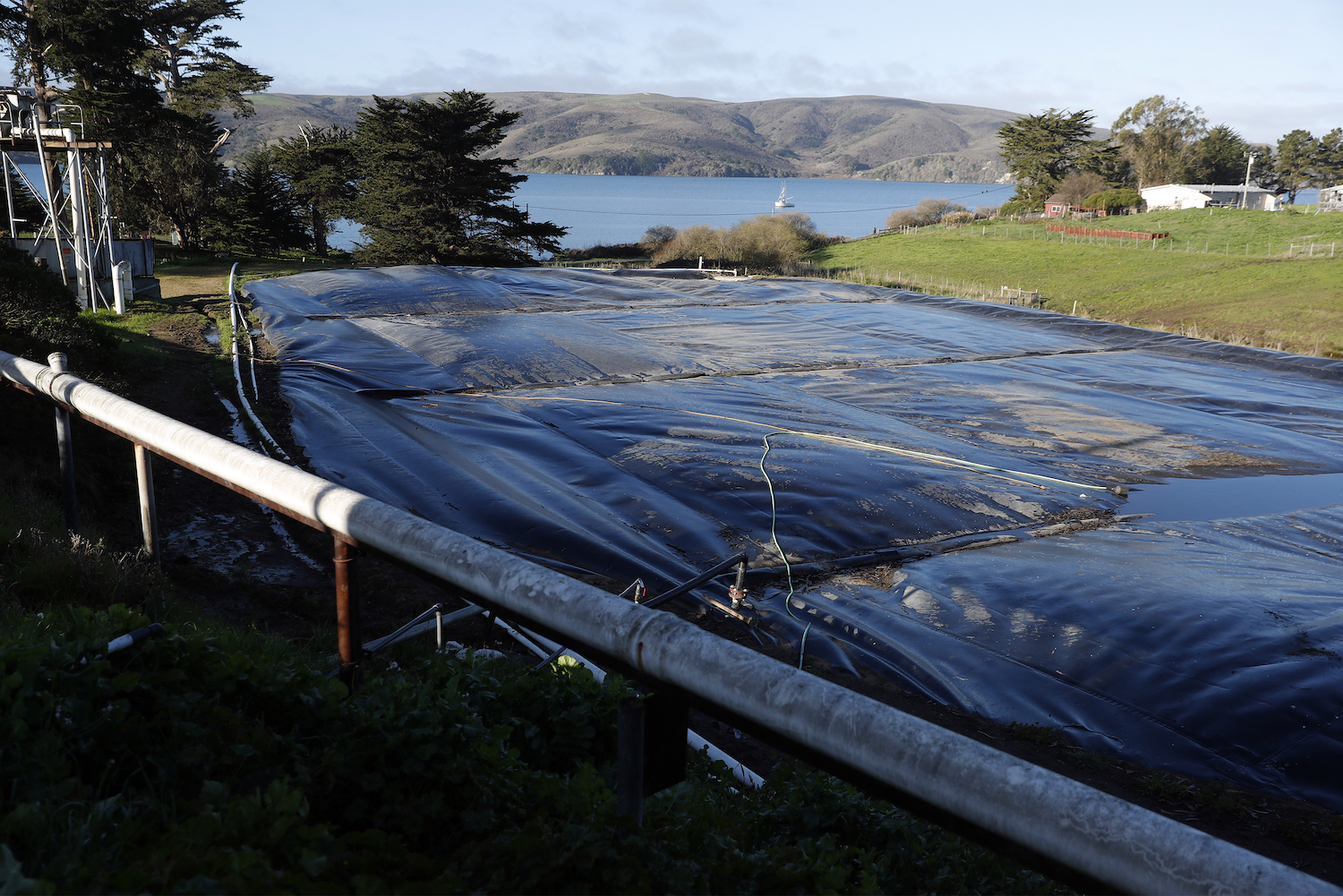
When a dairy farm captures manure methane and converts it into biomethane to be injected into the state’s natural gas pipeline, CARB calculates the fuel’s carbon intensity using a "well-to-wheel" analysis. Because this process prevents baseline manure emissions from occurring naturally in open lagoons, CARB assigns dairy-derived biomethane a deeply negative carbon score. In the eyes of the LCFS program, this fuel is treated not merely as a clean alternative, but as a substance that actively pulls carbon out of the atmosphere—functioning metaphorically like a carbon-suck device.
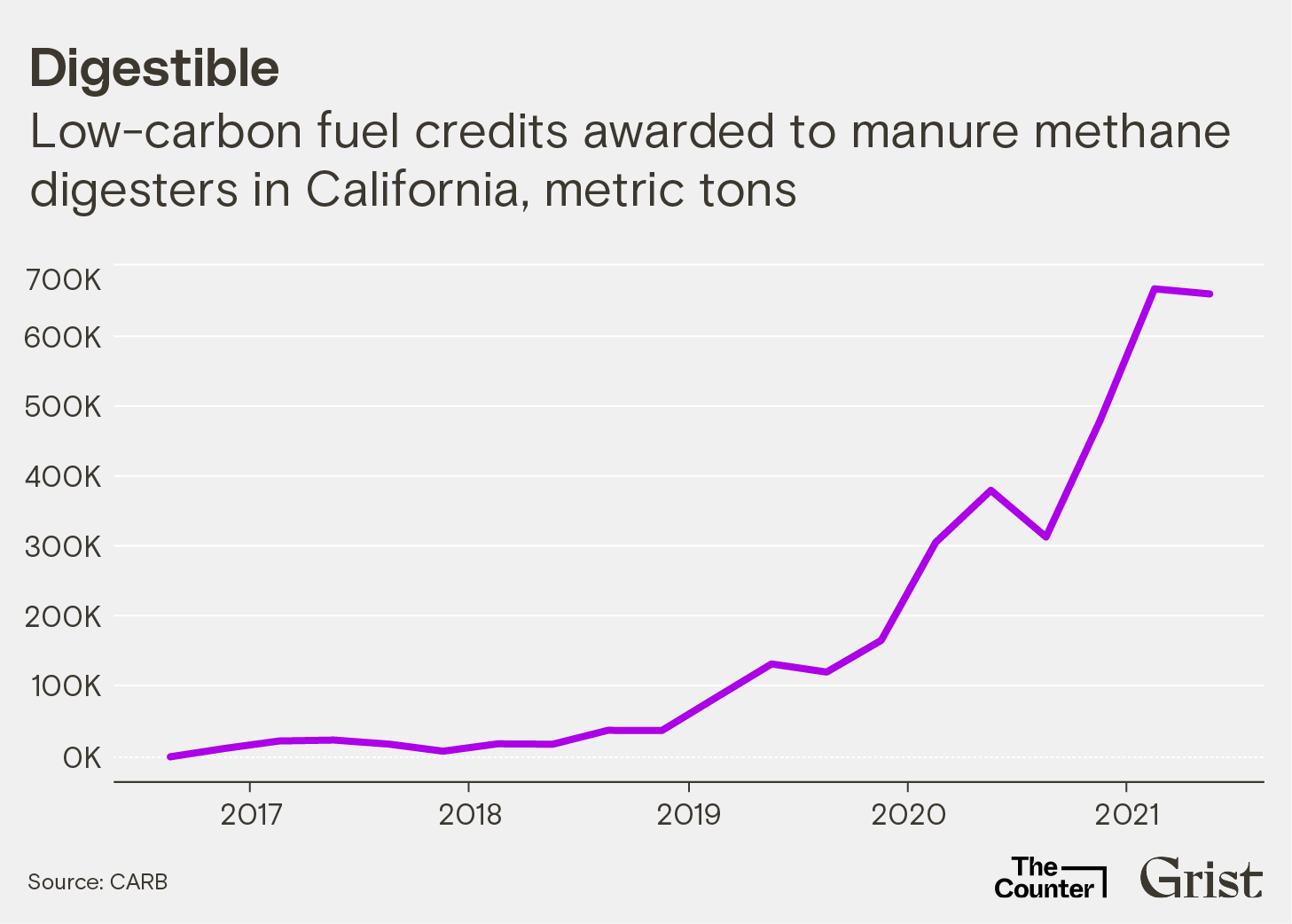
Consequently, energy companies and mega-dairies can monetize these negative scores by selling LCFS credits to fossil fuel producers, who use them to offset their own high-emission operations. According to aggregate program data, manure-based fuels generated over 2.1 million credits in 2021 alone, accounting for roughly 10 percent of all LCFS credits generated that year despite representing a small fraction of total renewable fuel volumes.
The Double-Counting Controversy: Aliso Canyon and Livestock Targets
This accounting practice has drawn fierce criticism from environmental attorneys, policy analysts, and public interest groups who argue that the state is engaging in classic double-counting. Critics point out that attributing the same ton of avoided methane emissions to both agricultural reduction mandates and transportation fuel compliance creates an illusion of greater climate progress than what is actually occurring.
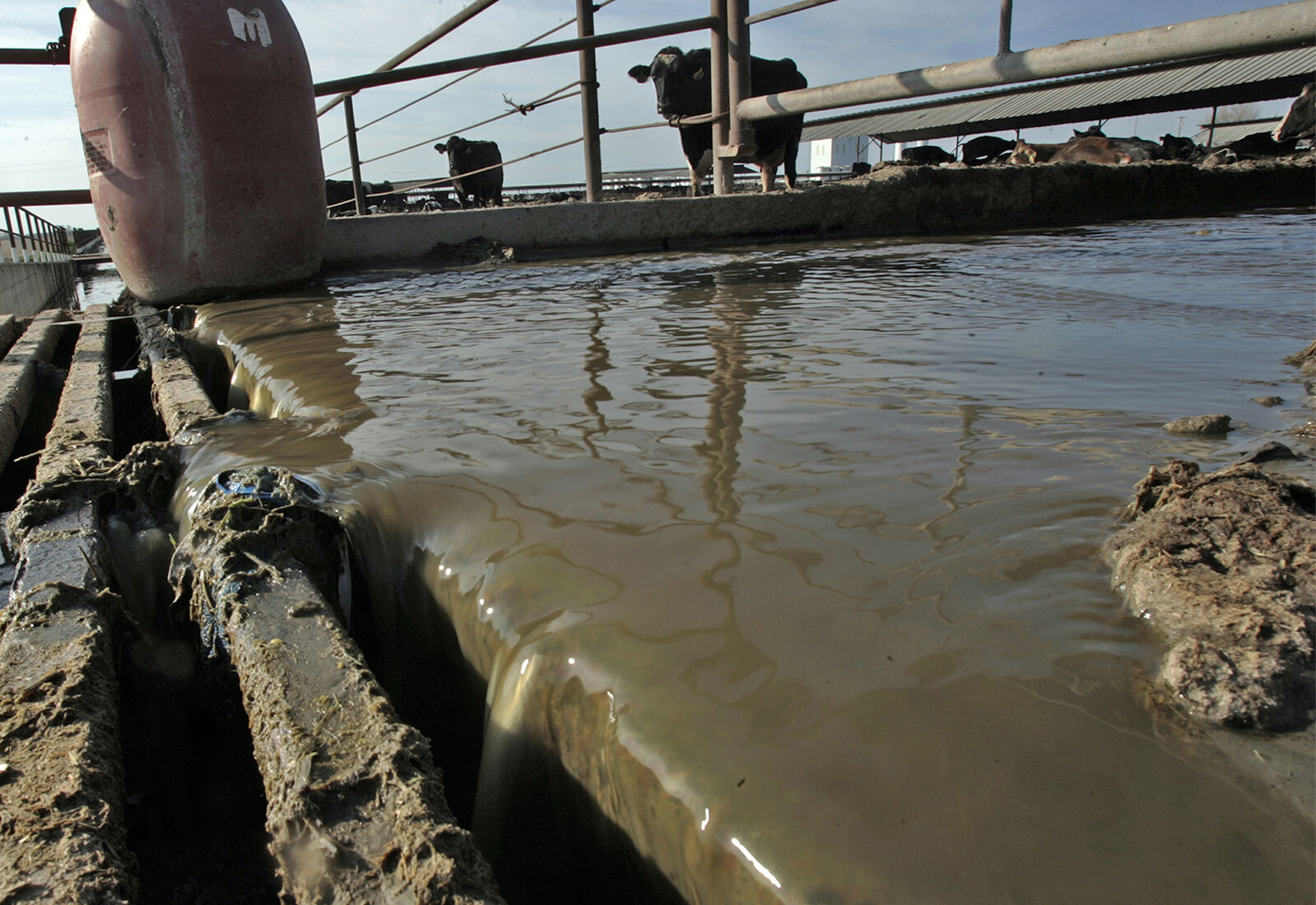
A prime example of this phenomenon involves the Aliso Canyon Mitigation Agreement. Administered by CARB, this program was established to offset the catastrophic 2015 natural gas leak at a SoCalGas facility in Los Angeles County—one of the largest methane disasters in U.S. history, which released 109,000 metric tons of methane and displaced thousands of residents. To offset the disaster, CARB distributed more than $25 million in loans to California dairies to build digesters.
However, environmental legal advocates, including organizations represented by the nonprofit legal advocacy group Public Justice, filed a formal petition highlighting that at least eight of these Aliso-funded dairy projects are simultaneously participating in the LCFS program. This means the emissions reductions are being counted to fulfill a legal disaster mitigation mandate and, at the same time, are generating LCFS credits that permit fossil fuel refiners to emit higher levels of greenhouse gases elsewhere.
Danny Cullenward, a policy director at the nonprofit Carbon Plan, sharply criticized the practice, labeling it "a classic case of double counting where the same ton is counted in two places."
The Missing Link: Additionality and Stacked Subsidies
At the heart of the debate is the concept of "additionality"—a foundational principle in climate policy stipulating that a subsidized project must achieve emissions reductions that would not have happened otherwise. Critics argue that if a dairy farm has already received public grants or legal settlement loans to construct a methane digester, the LCFS program is no longer providing an authentic financial incentive for the infrastructure. Instead, the program simply rewards projects that were already guaranteed to be built.
Industry representatives, however, defend the practice of "stacking" multiple revenue streams. Michael Boccadoro, executive director of the dairy trade coalition DairyCares, has argued that combining grants, mitigation loans, and LCFS credits is an absolute economic necessity. Without the cumulative financial support, the capital-intensive technology of anaerobic digestion would remain financially impractical for the vast majority of agricultural producers.
Furthermore, major corporate players stand to reap substantial financial windward from these combined incentives. In investor presentations, energy giant Chevron projected double-digit returns on its joint-venture dairy digester investments in the San Joaquin Valley, driven primarily by the lucrative negative carbon intensities afforded to biomethane under the LCFS framework.
Regulatory Resistance and the Future of California Climate Policy
As the debate intensifies, environmental advocates argue that the convergence of these subsidies creates a perverse economic incentive. When biomethane production becomes exceptionally profitable, farms may inadvertently find financial motivation to maintain or even expand herd sizes to maximize manure and methane generation, rather than reducing waste at the source.
Despite formal petitions from coalitions of environmental justice and conservation groups demanding an overhaul of the LCFS accounting rules and the implementation of strict additionality standards, CARB has defended its administrative framework. In its formal denial of the petition, the agency maintained that state law does not explicitly require an additionality test for the LCFS program and asserted that the current architecture successfully encourages both agricultural methane capture and fossil fuel displacement.
With dozens of additional dairy digesters currently under construction and scheduled to come online, the tension between aggressive regulatory accounting and environmental integrity shows no sign of abating. For now, California continues to rely on a complex web of overlapping subsidies to hit its climate targets, leaving scientists, policymakers, and communities to grapple with the real-world atmospheric consequences of paper-driven emissions reductions.