Double Dipping on Dairy: How California’s Climate Accounting Turns Factory Farm Methane Into Phantom Carbon Reductions

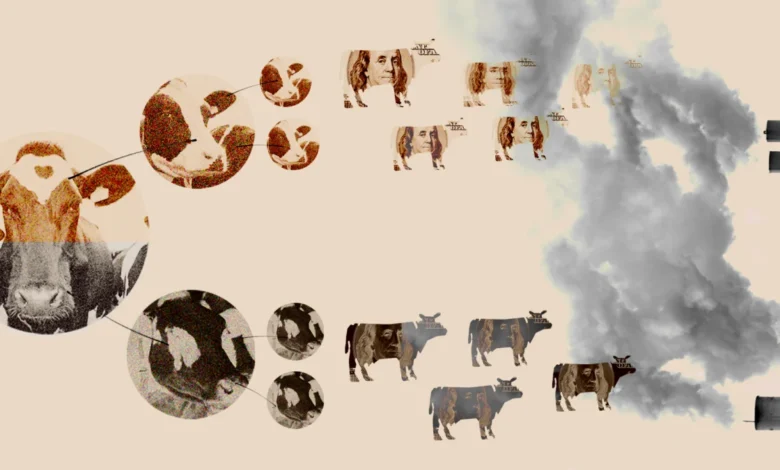
California is treating factory farm gas systems at dairy farms like they are devices that actively suck carbon from the air, creating a complex web of environmental accounting that critics argue severely overstates the state’s progress toward its ambitious climate goals. Behind the sunny headlines of agricultural innovation and renewable energy production lies a controversial regulatory practice known as "double counting," where a single greenhouse gas reduction is claimed across multiple distinct state programs.
The Mechanics of Methane and Dairy Digesters
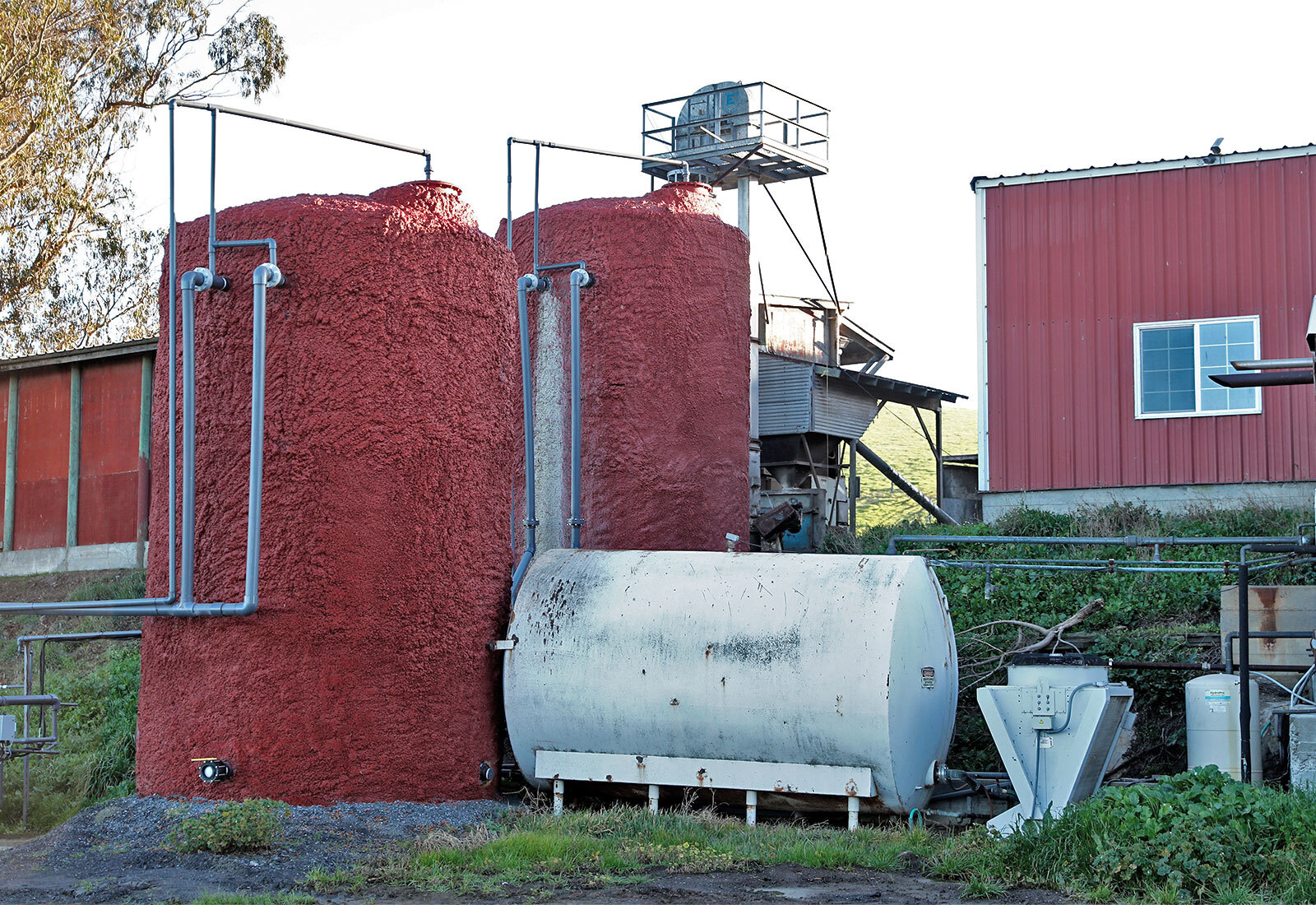
Every year, California dairy farms emit hundreds of thousands of tons of methane—a greenhouse gas roughly 28 to 36 times more potent than carbon dioxide over a 100-year timescale. This methane is primarily released when massive livestock operations pool manure in open-air lagoons. To curb these potent emissions, the state has increasingly relied on financial incentives to encourage the installation of anaerobic digesters. These towering silos capture methane before it can escape into the atmosphere, converting it into biogas that can be refined into natural gas and injected into the state’s pipeline network.
By the end of the year, these mitigation efforts are projected to prevent 1.8 million tons of carbon dioxide equivalent (CO2e) from being emitted annually. This progress is vital for the Golden State’s statutory mandate to shrink livestock methane emissions by 40 percent below 2013 levels by 2030.
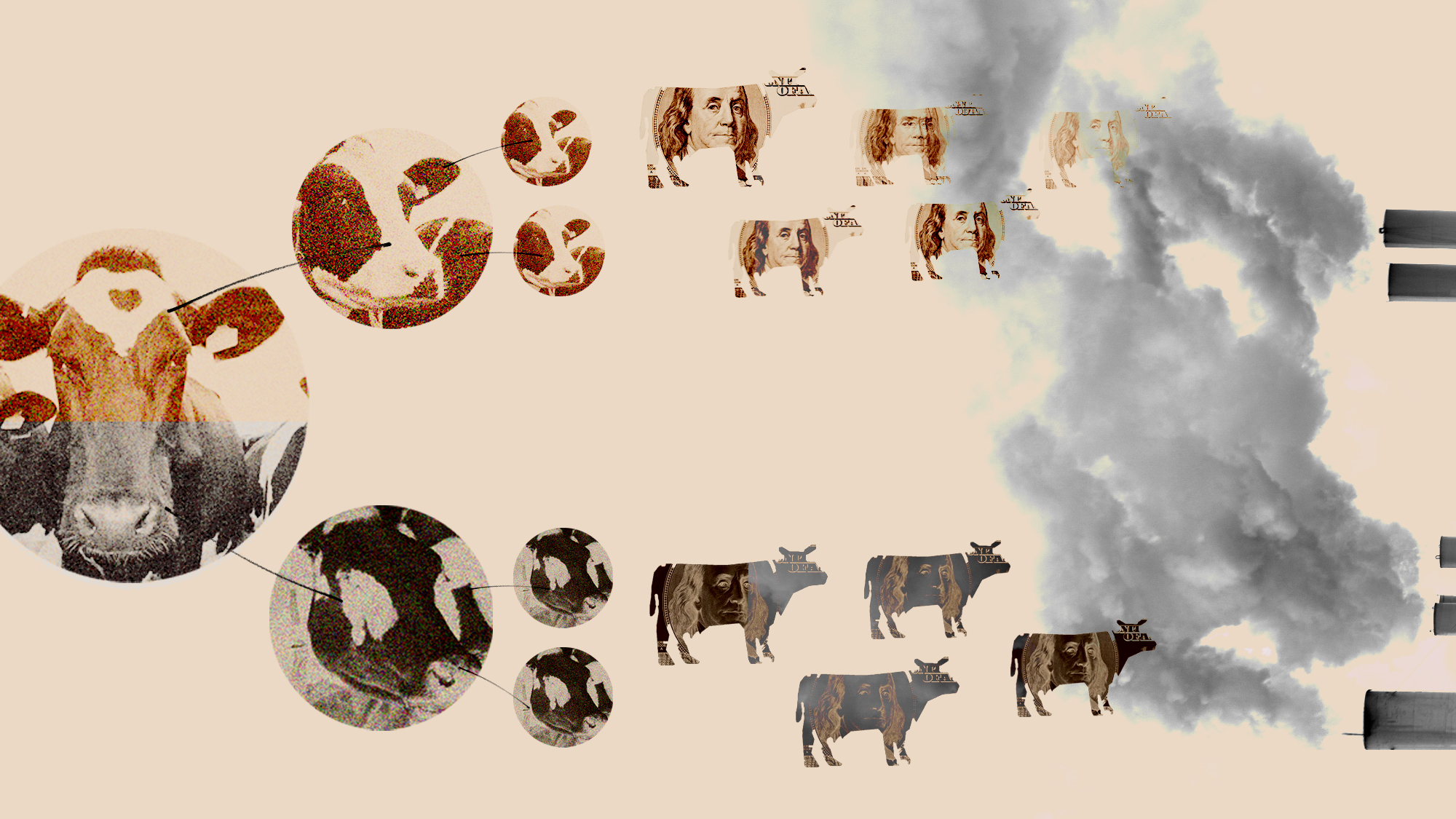
However, complications arise because California does not merely credit these reductions once. Instead, the state simultaneously attributes the exact same emissions cuts to its transportation fuel sector, banking them toward entirely separate climate compliance targets.
The Double-Counting Phenomenon
The core of the controversy centers on how the California Air Resources Board (CARB) calculates emissions and assigns regulatory credit. Under the state’s sector-specific climate targets, reductions achieved at dairy farms are credited to the livestock industry. Simultaneously, CARB credits those exact same emissions reductions to its Low Carbon Fuel Standard (LCFS), a regulatory program established in 2011 to reduce the average carbon intensity of the state’s transportation fuels.
When a dairy farm captures manure methane and converts it into natural gas, CARB utilizes a "well-to-wheel" lifecycle analysis. Because capturing the gas prevents a massive plume of natural methane from entering the atmosphere, the resulting fuel is assigned a heavily negative carbon intensity score. In the eyes of LCFS regulators, this dairy-derived natural gas does not merely have a low carbon footprint; it is treated as a carbon-negative fuel that actively subtracts emissions from the atmosphere.
Critics argue that this creates a mathematical illusion. "That is a classic case of double counting," said Danny Cullenward, a lawyer and policy director at the nonprofit organization Carbon Plan. "The same ton is counted in two places."
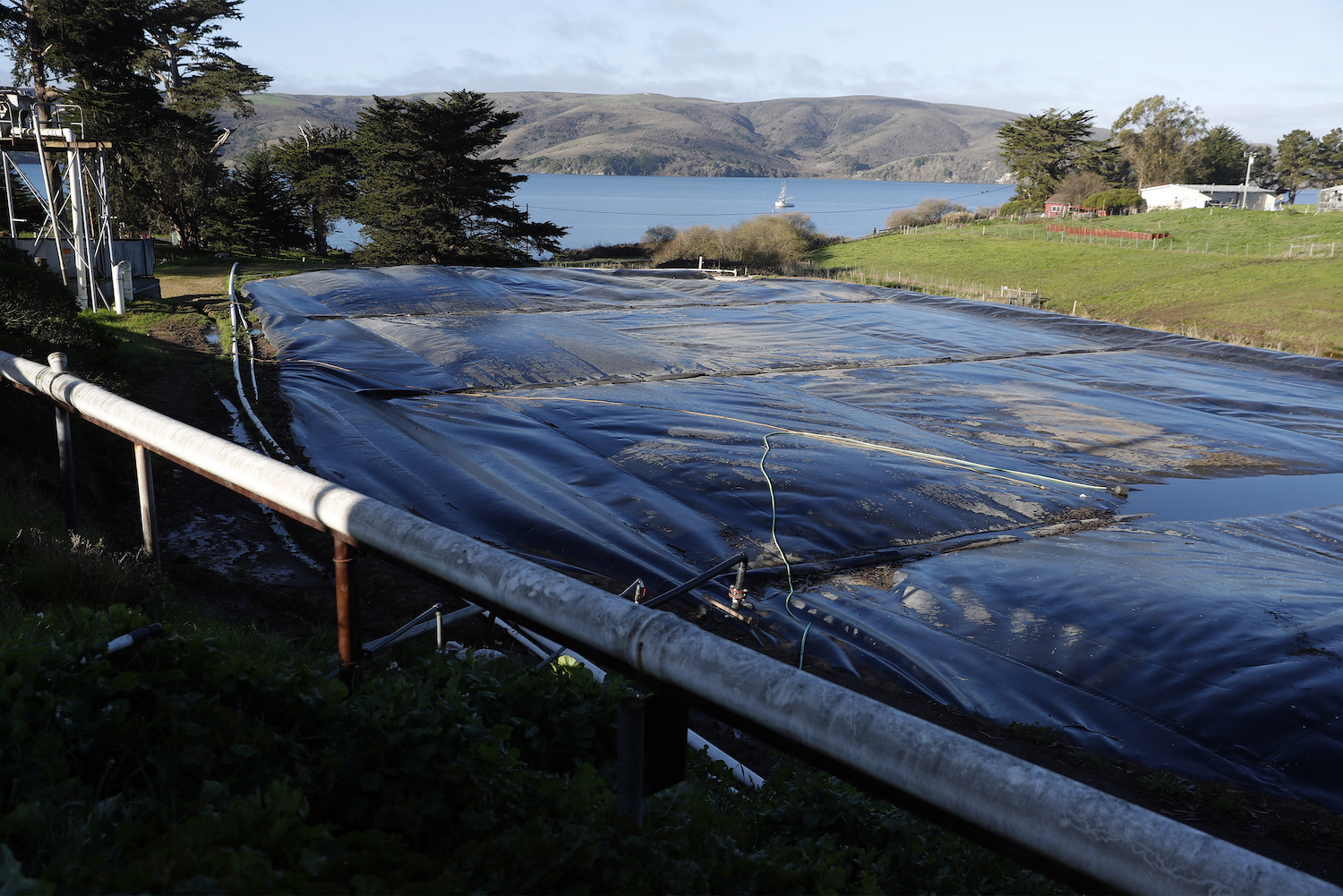
Investigations by environmental journalists have identified numerous instances where the state counts individual dairy climate projects toward livestock sector goals while simultaneously using them to lower transportation carbon intensity metrics. For instance, at the Vander Poel Dairy in Tulare County—which houses approximately 11,000 cattle—a 2018 grant from the California Department of Food and Agriculture helped fund a methane digester expected to prevent 290,000 metric tons of CO2e over a decade. CARB logs these avoided emissions toward 2030 livestock targets while also utilizing them to generate lucrative LCFS credits.
The Aliso Canyon Mitigation Overlay
The problem extends beyond the LCFS and livestock sector overlap. In late 2021, a coalition of environmental groups and local residents represented by Public Justice filed a formal petition with CARB, highlighting systemic double counting involving a third climate initiative: the Aliso Canyon Mitigation Agreement.
The Aliso agreement was established in the wake of a catastrophic natural gas leak in 2015 at a SoCalGas facility in Los Angeles County—one of the largest methane disasters in U.S. history, which released 109,000 metric tons of methane into the atmosphere over 100 days. To offset the disaster, CARB negotiated an agreement requiring SoCalGas to fund the construction of dairy digesters designed to capture an equivalent amount of methane.
Under this framework, CARB distributed more than $25 million in loans to California dairy farms, partnering with energy giants like Chevron and California Bioenergy across projects in the San Joaquin Valley. However, while these specific digesters are legally mandated to offset the Aliso Canyon disaster, they are simultaneously enrolled in the LCFS program.
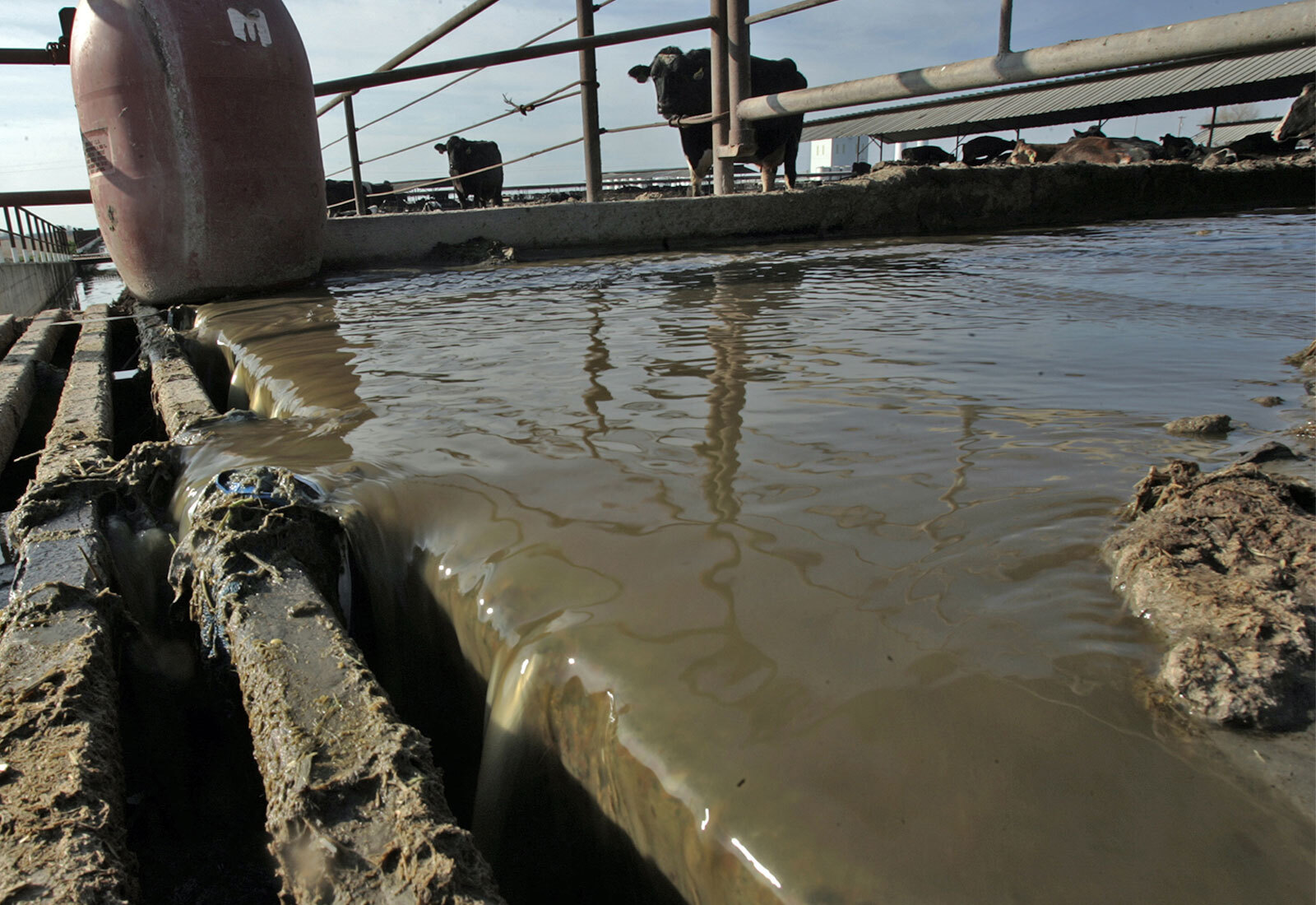
According to legal advocates, this dual participation produces a perverse regulatory outcome. When a dairy farm generates and sells an LCFS credit to a fossil fuel producer, that credit acts as a compliance instrument, legally permitting the buyer to emit higher volumes of greenhouse gases elsewhere. Consequently, the farm reduces emissions under the Aliso mandate, but then generates credits that authorize increased emissions under the LCFS, neutralizing the foundational premise of a one-to-one offset.
The Debate Over Additionality and Incentive Stacking
Central to the debate is the climate policy principle of "additionality"—the requirement that emissions reductions must be directly attributable to a specific program and would not have occurred otherwise.
Environmental attorneys and policy analysts argue that if a dairy farm is already compelled to capture methane due to a state grant, an agricultural subsidy, or the Aliso Canyon legal settlement, the LCFS program is not truly incentivizing the infrastructure.
"There is no causal link between the LCFS and those reductions happening," said Brent Newell, a former senior attorney at Public Justice.
Proponents of the current regulatory structure, however, defend the practice of "stacking" multiple revenue streams. Michael Boccadoro, executive director of the dairy industry coalition DairyCares, maintains that single-source funding is insufficient to make anaerobic digesters economically viable for producers.
"It takes the stacking of incentives to make the projects work," Boccadoro asserted, emphasizing that without lucrative LCFS credits alongside direct grants, the high capital costs of digester technology would stall broader adoption.
Industry Windfalls and Future Implications
Industry projections suggest that stacked incentives can generate substantial financial returns. In late-2021 investor presentations, Chevron executives projected "double-digit returns" on their dairy digester investments, driven largely by the negative carbon intensity scores assigned to manure-derived natural gas under the LCFS framework.
This financial architecture has raised concerns among watchdogs that public climate subsidies are inadvertently creating perverse economic incentives. If manure management becomes a lucrative standalone revenue stream through overlapping credits, critics warn that farms might face economic incentives to sustain or expand manure production rather than fundamentally altering livestock management practices.
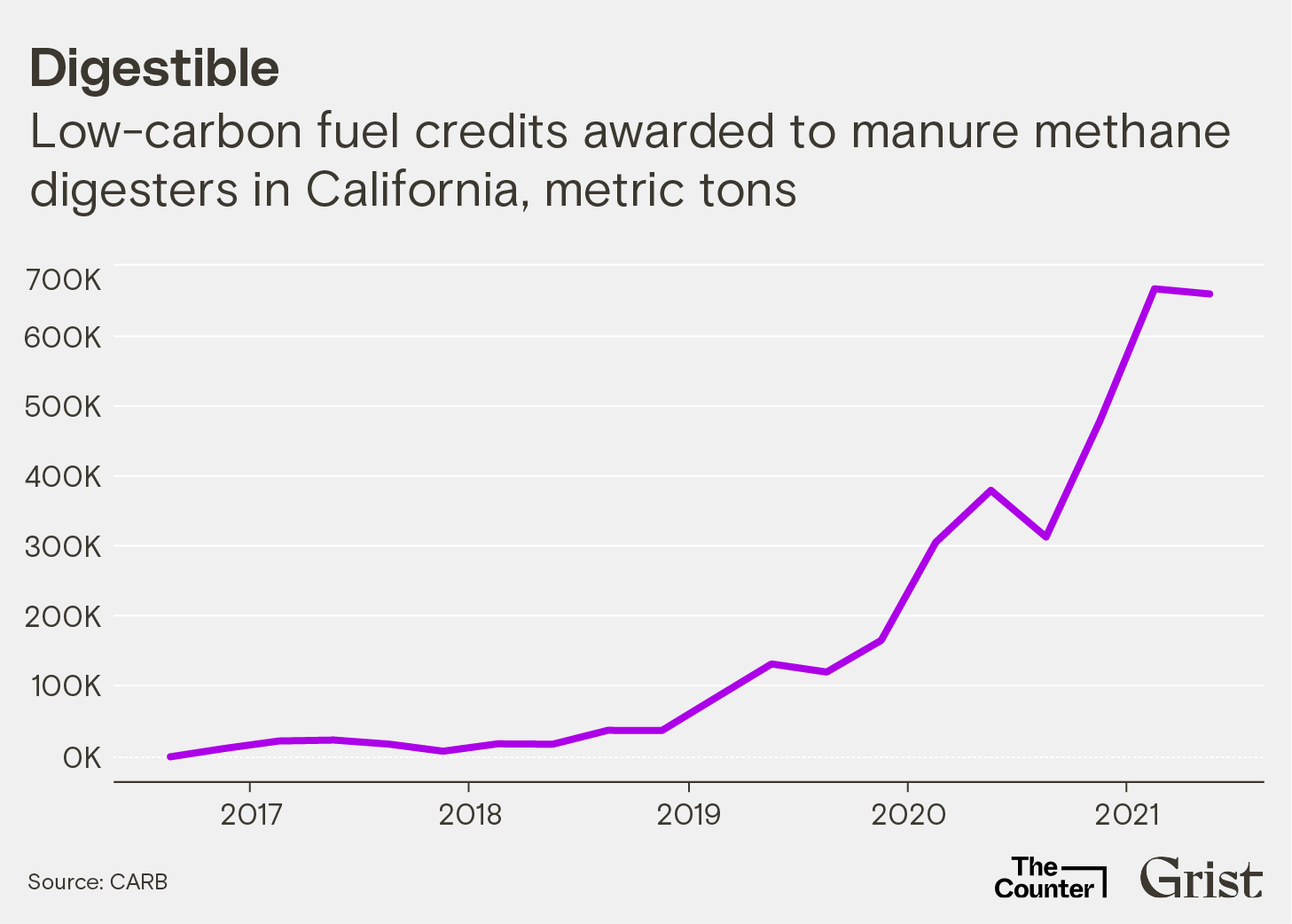
In January, CARB formally denied the petition brought by environmental groups, arguing that it could not implement an additionality test or alter the LCFS program at that time due to ongoing, broader efforts to update the state’s comprehensive climate strategy. Meanwhile, the state continues to expand the infrastructure: CARB reports indicate that dozens more dairy digesters are currently under construction, with nearly 100 expected to come online to feed into the lucrative LCFS credit market.
As California presses forward with its aggressive decarbonization mandates, the friction between administrative flexibility and accounting rigor remains unresolved. Whether regulators will ultimately reform these overlapping frameworks to ensure transparent, single-counted emissions reductions remains one of the central battles in the state’s modern environmental policy landscape.