California Lawmakers and Advocates Push for Universal Food Assistance to End Immigration-Based Exclusions

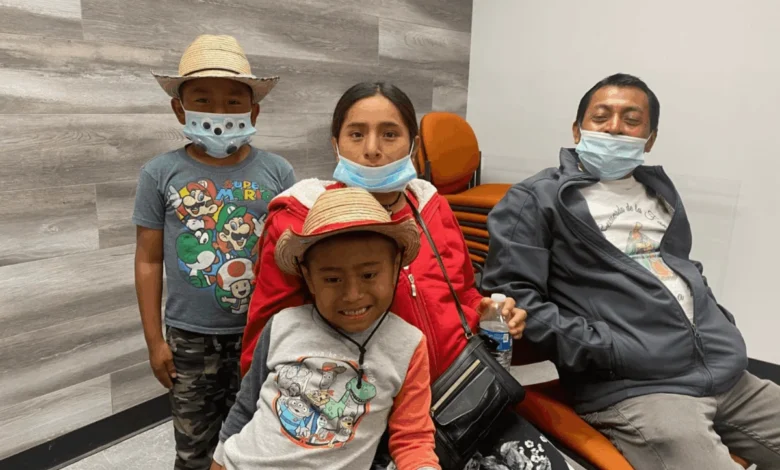
A coalition of California lawmakers, civil rights advocates, and food security organizations is intensifying pressure on Governor Gavin Newsom to eliminate age and immigration status restrictions from the state’s primary food assistance program. As the state navigates an unprecedented budget surplus, the "Food4All" campaign seeks to expand the California Food Assistance Program (CFAP) to include all low-income residents, regardless of their documentation status. Currently, undocumented immigrants—who comprise a significant portion of the state’s essential workforce—are largely excluded from both federal and state nutrition safety nets, leading to disproportionately high rates of hunger in one of the world’s most prosperous economies.
The legislative push is centered on two primary tracks: Senate Bill 464, introduced by State Senator Melissa Hurtado, and direct budget negotiations led by Assemblymember Miguel Santiago. While Governor Newsom’s 2022-2023 budget proposal included a provision to expand food benefits to undocumented Californians, it limited that eligibility to individuals aged 55 and older. Advocates argue that this age-based "carve-out" ignores hundreds of thousands of younger families and essential workers, particularly those in the agricultural sector, who face chronic food insecurity while producing a significant portion of the nation’s food supply.
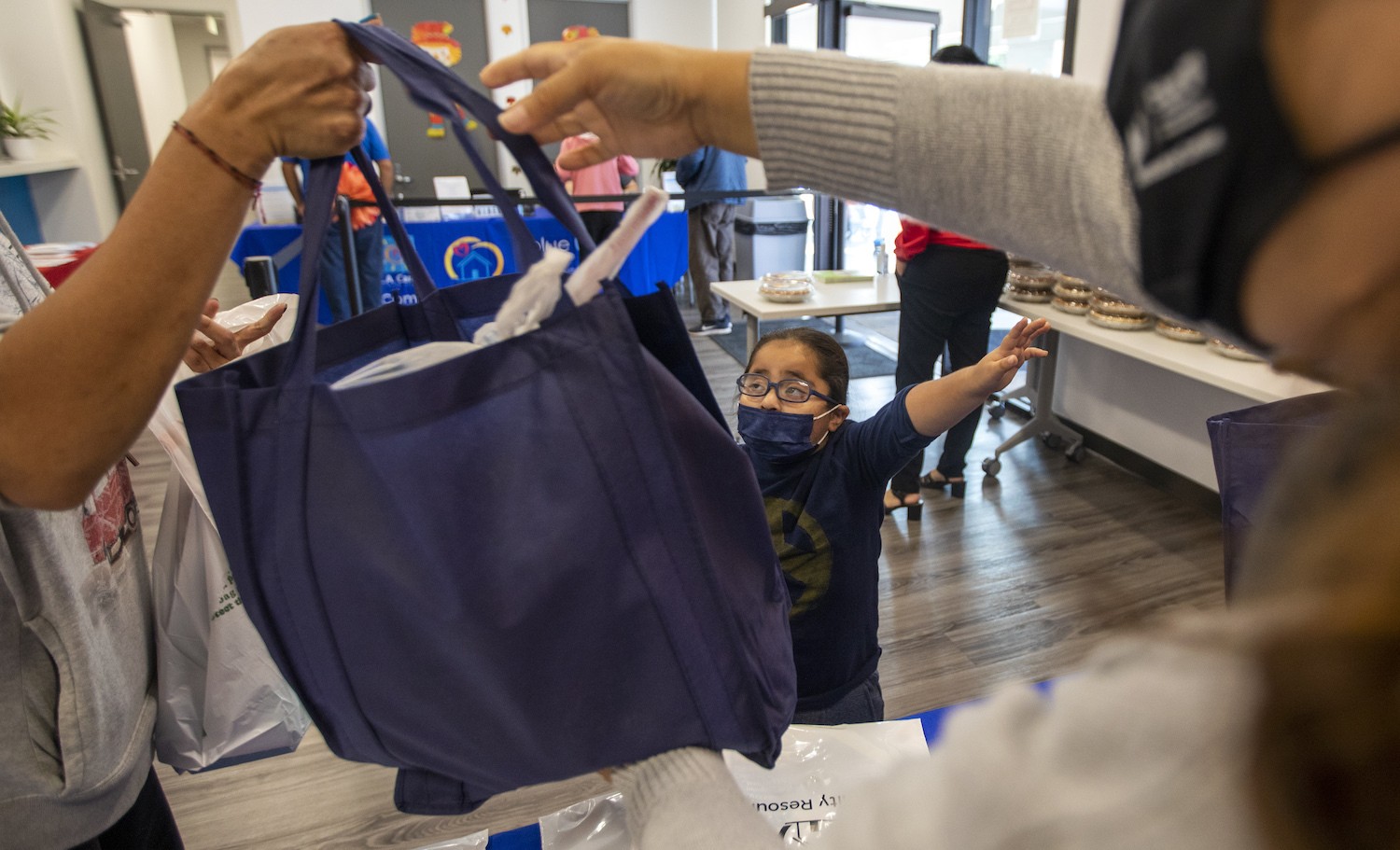
The Paradox of the Salad Bowl: Hunger in the Central Valley
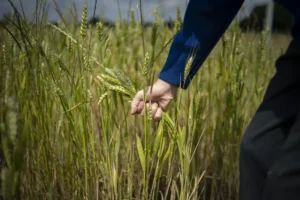
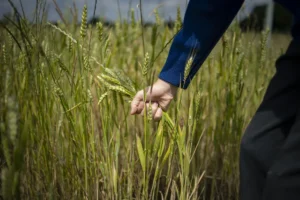
The debate over food assistance highlights a stark irony in California’s socio-economic landscape. The state’s Central Valley is often referred to as the "salad bowl of the world," producing roughly one-fourth of the nation’s food and nearly 40% of its fruits and nuts. However, the workers who labor in these fields—many of whom are undocumented—experience food insecurity at nearly double the rate of the general population. Data indicates that 45% of undocumented immigrants in California struggle to put food on the table, a crisis exacerbated by the COVID-19 pandemic and rising inflation.
Senator Melissa Hurtado, whose district encompasses parts of the Central Valley, described the current system as a "cruel reality." Growing up in a family of immigrants, Hurtado has witnessed firsthand the struggle of farmworkers who toil in extreme heat, droughts, and wildfires to feed the country, only to find themselves unable to afford basic produce. "It should not be controversial to say that everyone should have access to food, documented or not," Hurtado stated during a legislative session. Her bill, SB 464, aims to bridge this gap by establishing a state-funded nutrition benefit that mirrors the federal Supplemental Nutrition Assistance Program (SNAP), but without the federal government’s restrictive immigration requirements.
A Legacy of Exclusion: From Prop 187 to the Public Charge Rule
The current barriers to food assistance are rooted in a complex history of state and federal policies designed to limit immigrant access to public benefits. To understand the "Food4All" campaign, one must look back to the 1990s, a decade marked by significant anti-immigrant sentiment in both Sacramento and Washington, D.C.
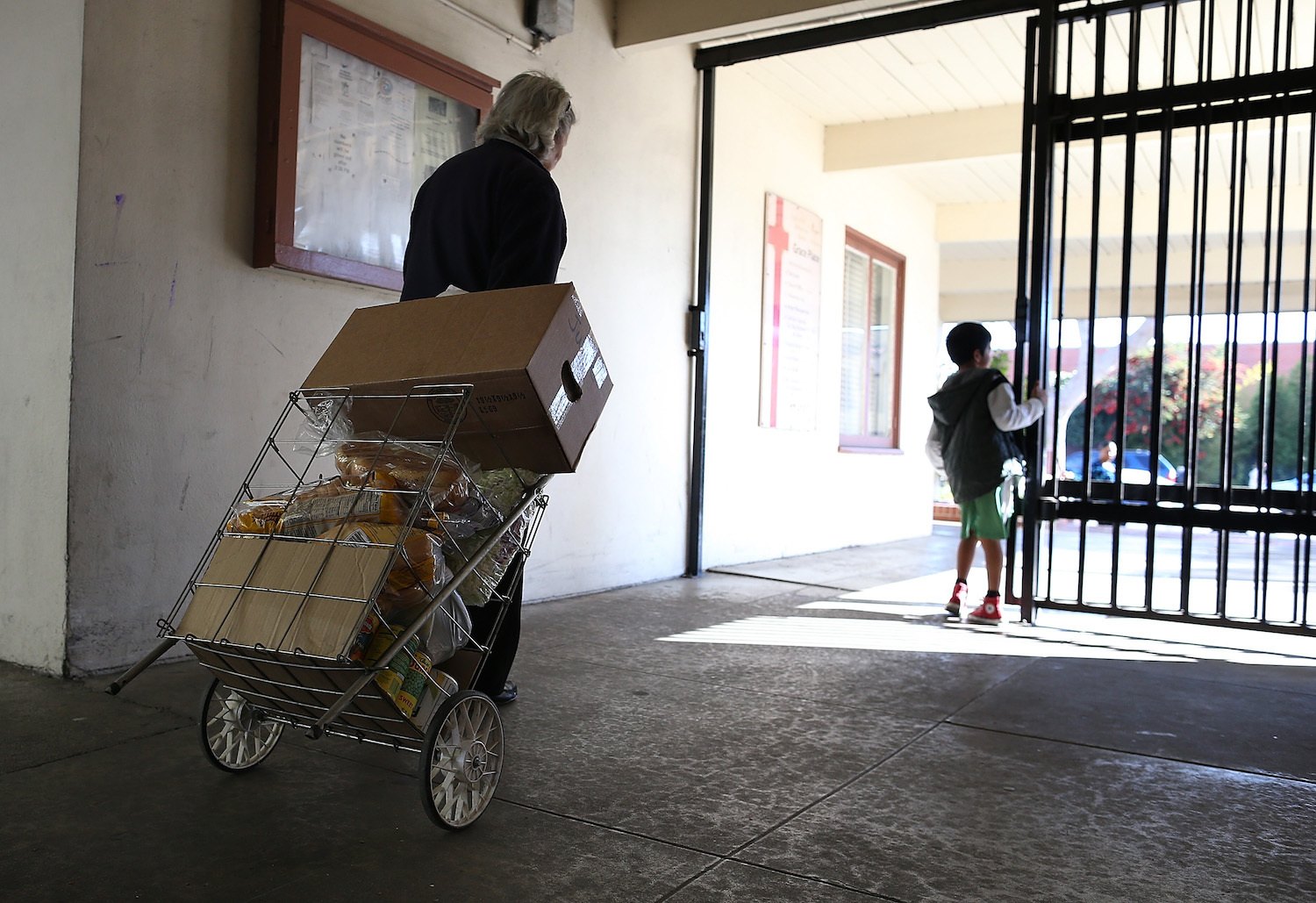
In 1994, California voters passed Proposition 187, a ballot measure intended to deny undocumented immigrants access to public education and non-emergency healthcare. Although the measure was eventually ruled unconstitutional, it created a lasting culture of fear. This was followed in 1996 by President Bill Clinton’s signing of the Personal Responsibility and Work Opportunity Reconciliation Act (PRWORA). This federal law overhauled the welfare system and prohibited even "qualified" immigrants—such as Lawful Permanent Residents—from accessing federal benefits like food stamps for their first five years in the country.
While California eventually created the state-funded CFAP to cover those qualified immigrants during their five-year waiting period, undocumented residents remained entirely excluded. This exclusion was further weaponized during the Trump administration through the expansion of the "public charge" rule. The rule allowed immigration officials to deny green cards to individuals who used public benefits, including nutrition assistance. Although the Biden administration repealed these changes in 2021, the "chilling effect" persists. Recent surveys suggest that three out of four immigrant families remain unaware that the rule was reversed, or they fear that participating in food programs will jeopardize their future legal status or that of their children.
The Indigenous Perspective: Language and Cultural Barriers
For many undocumented Californians, the barriers to food security are not only legal but also linguistic. California is home to an estimated 170,000 Indigenous migrants from the Mexican states of Oaxaca, Guerrero, and Michoacán. These populations, including Mixtec, Zapotec, and Purépecha communities, often speak pre-Hispanic languages and may have limited proficiency in Spanish or English.
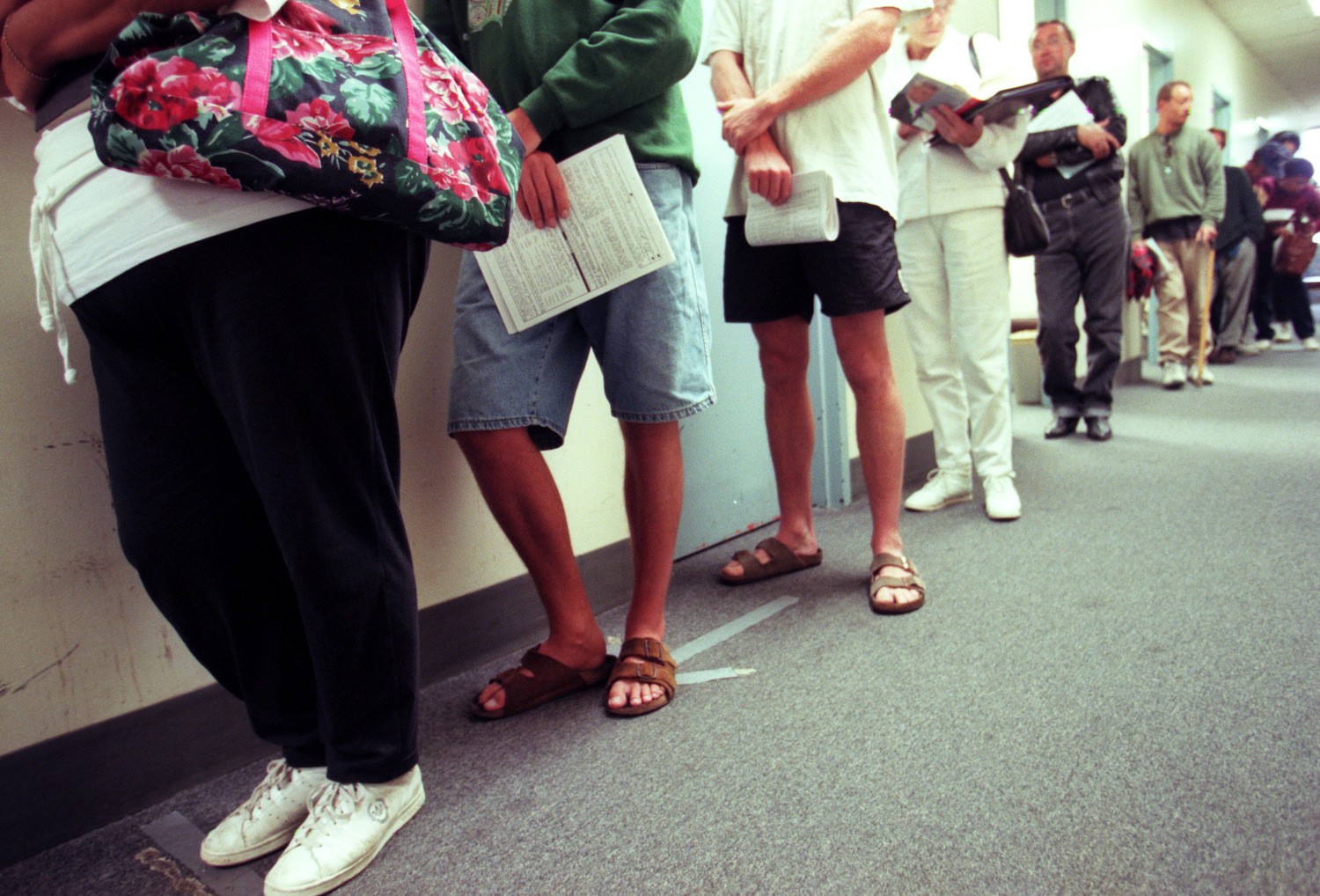
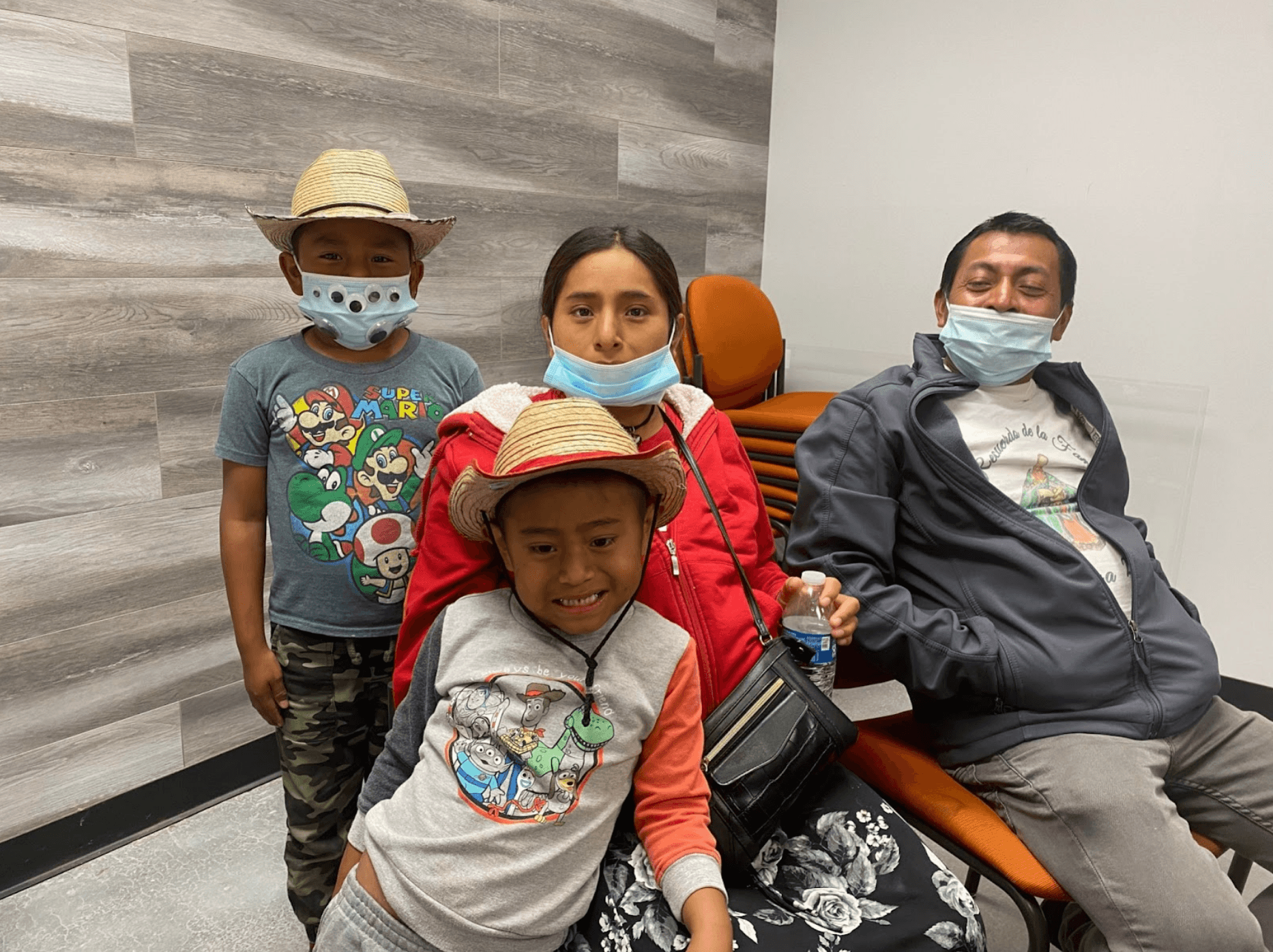
Guillermo and Augustina, undocumented Mixtec farmworkers living in California, shared their experiences through a series of interpreters. They settled in the state in 2019 to work in the strawberry fields, earning seasonal wages that fluctuate wildly. During the off-season, when work hours are slashed, the couple relies on staples like beans and rice, often finding fresh vegetables and meat prohibitively expensive.
"We would sign up for the support if it was guaranteed the law would not change to hurt us in the future," Guillermo said, highlighting a common fear that benefits received today might have to be paid back tomorrow or used against their children when they reach adulthood. Furthermore, Augustina noted that even if they were eligible, the lack of Indigenous language speakers at social service agencies makes the application process nearly impossible without outside help. Advocates argue that any expansion of CFAP must include robust funding for community-based organizations that can provide translation services and cultural outreach.
Economic Analysis: The Case for a Universal Safety Net
The push for "Food4All" comes at a time when California is grappling with a $68 billion budget surplus. Lawmakers are currently debating how to allocate these funds, with proposals ranging from one-time gas tax rebates to long-term infrastructure investments. Proponents of food assistance expansion argue that investing in nutrition is one of the most cost-effective ways to improve public health and economic stability.
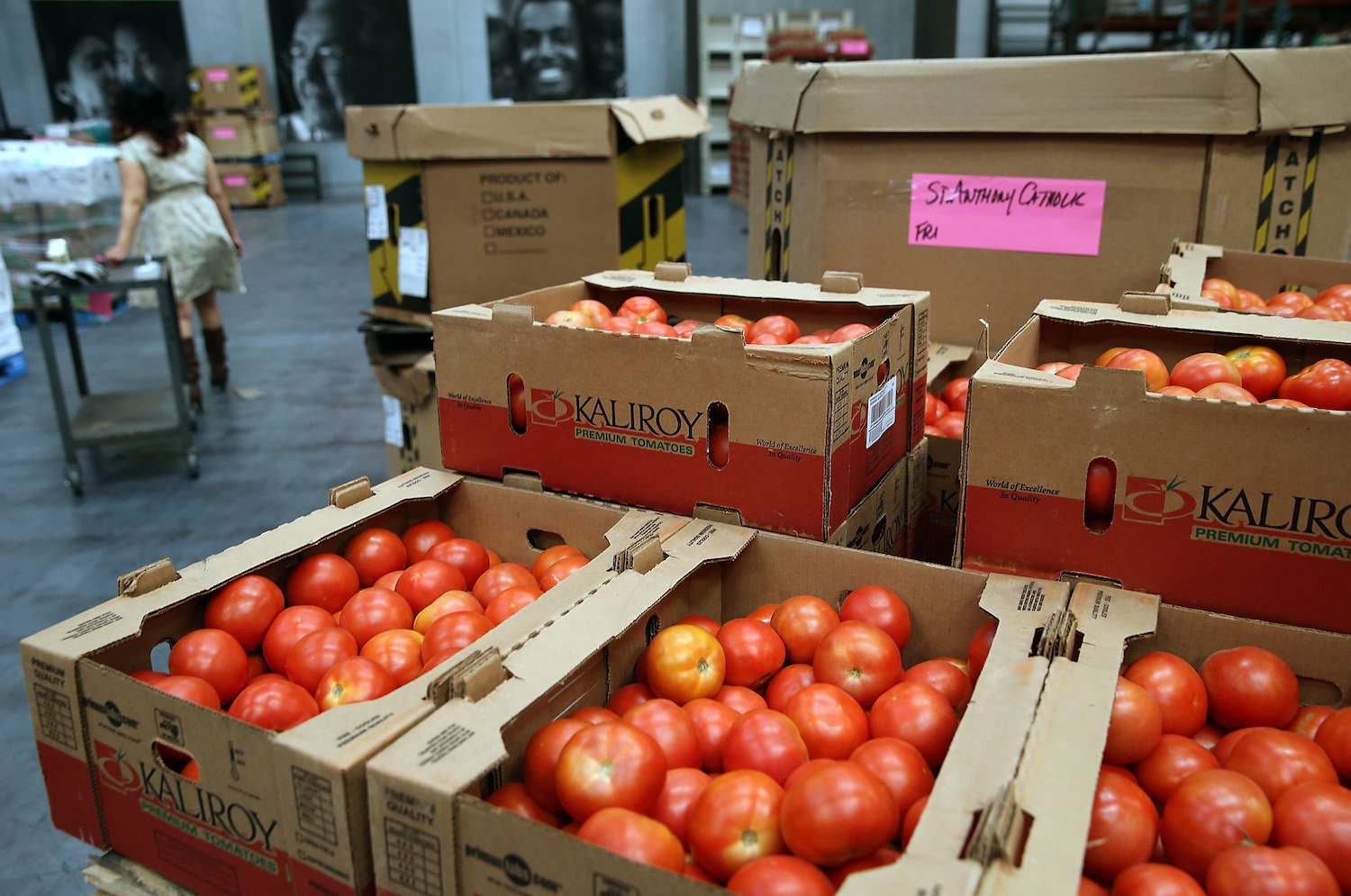
Research consistently links food insecurity to poor physical and mental health outcomes, particularly in children. Children in food-insecure households are more likely to experience developmental delays, struggle in school, and develop chronic conditions like asthma or anemia. By providing undocumented families with the means to purchase nutritious food, the state could potentially see a reduction in long-term healthcare costs and an increase in educational attainment for the next generation of Californians.
Betzabel Estudillo, a senior advocate at Nourish California, criticized short-term fixes like the proposed $200 gas rebates for taxpayers. "You can’t eat a gas rebate," Estudillo remarked. She emphasized that while one-time payments are helpful, they do not address the systemic inequities that keep the state’s most vulnerable residents in a cycle of poverty. "This budget surplus is unprecedented, and I think it’s important to use our state’s resources wisely and not lose sight of the long-term investments we could make that would really get to the root of so many injustices."
Official Responses and the Path Forward
Governor Newsom’s office has defended the administration’s record, citing "historic investments" in immigrant communities. A spokesperson pointed to the expansion of Medi-Cal to all eligible residents regardless of status and the creation of college savings accounts for immigrant families as evidence of the Governor’s commitment to equity. However, the administration has remained non-committal regarding the full expansion of CFAP to all age groups in the upcoming June budget.
The "Food4All" coalition, which includes the California Immigrant Policy Center and Nourish California, continues to mobilize. They argue that excluding younger undocumented adults and children from food assistance is not only a moral failing but an economic oversight. As the budget deadline approaches, the focus remains on whether California will leverage its massive surplus to become the first state in the nation to provide a universal food safety net.
For families like Guillermo and Augustina, the outcome of these political negotiations will have immediate, tangible consequences. The ability to purchase a bag of vegetables or a carton of milk during the winter months represents more than just a policy shift; it represents a recognition of their humanity and their contribution to the state’s prosperity. As the "salad bowl" continues to produce wealth for the nation, the debate in Sacramento will determine whether those who harvest the crops will finally be allowed to share in the harvest.