Regreening the Desert: Evaluating Egypt’s Agricultural Evolution and the Role of Sustainable Innovation through the SEKEM Initiative

The modern agricultural landscape of Egypt represents a complex intersection of millennial-old traditions and the urgent demands of the 21st century. As the nation grapples with a rapidly expanding population and the acute pressures of climate change, the quest for sustainable food systems has moved from the periphery to the center of national policy. May Wheeler, the Global Farm Metric Trials Manager for the Sustainable Food Trust, recently conducted an extensive field study in Egypt to assess how these pressures are manifesting on the ground and to evaluate the efficacy of "regreening" initiatives. Her findings highlight a significant transition period for Egyptian agriculture, characterized by a tension between industrial intensification and regenerative ecological models, most notably exemplified by the SEKEM initiative.
The Historical Foundation of Egyptian Agriculture
To understand the current state of Egyptian farming, one must account for its foundational relationship with the Nile River. For millennia, Egyptian civilization was sustained by the "gift of the Nile," a system of natural basin irrigation that relied on the annual flooding of the river. This cycle deposited nutrient-dense volcanic silt from the Ethiopian Highlands across the Nile Valley and Delta, creating some of the most fertile soil on Earth. Historically, this allowed Egypt to serve as the breadbasket of the Mediterranean, producing surpluses of wheat, barley, and flax.
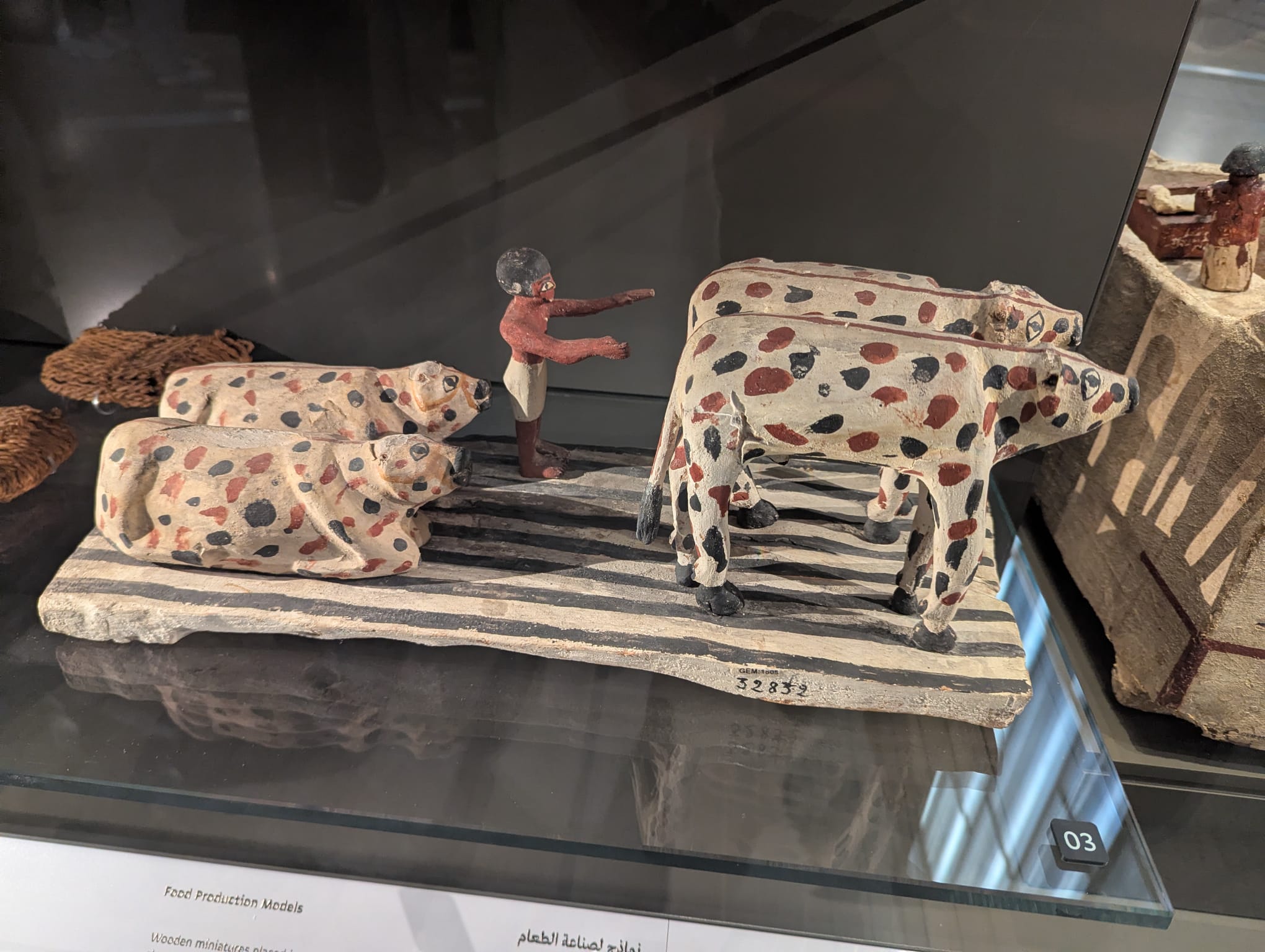
Agriculture was not merely an economic activity but the bedrock of social and spiritual life. Ancient records, including hieroglyphs and tomb miniatures, depict a society where grain storage was a matter of state security and where livestock were integrated into religious iconography. However, the 20th century brought a radical departure from these seasonal rhythms. The completion of the Aswan High Dam in 1970 ended the annual floods, providing year-round irrigation and hydroelectric power but also halting the natural deposition of silt. This shift necessitated a heavy reliance on chemical fertilizers to maintain soil productivity, marking Egypt’s definitive entry into the era of industrial agriculture.
The Geographic Constraint: Old Lands vs. New Lands
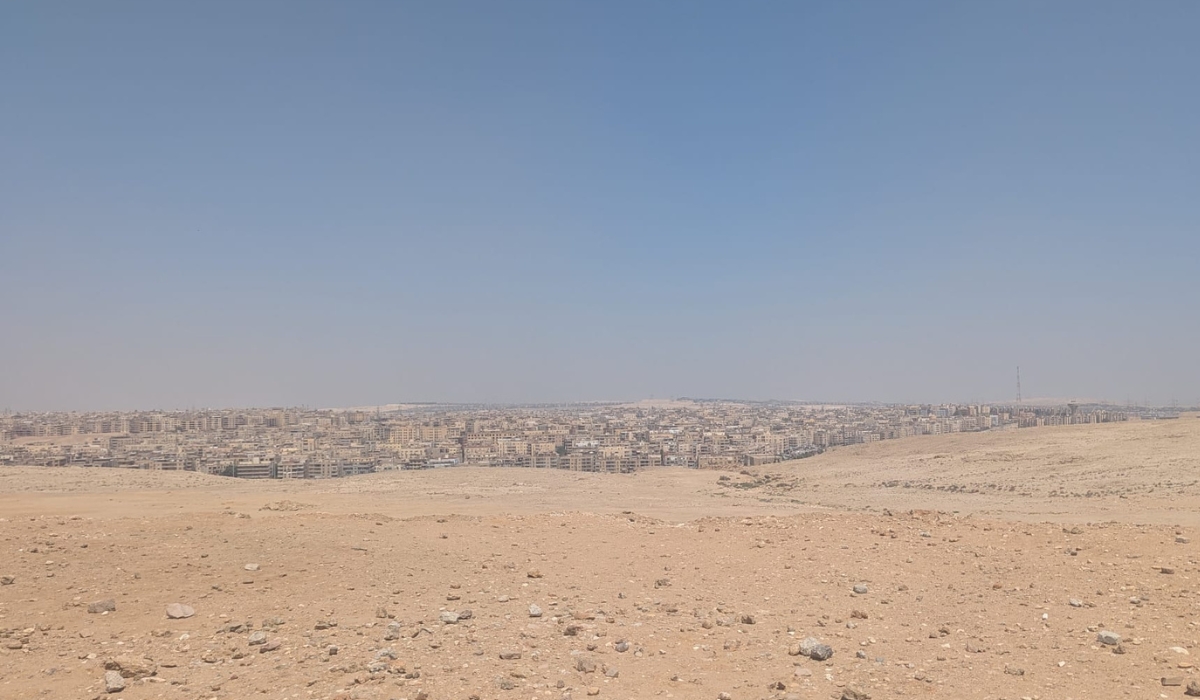
Egypt faces a geographic reality that dictates its agricultural policy: only approximately 4% of its total land area is arable. This tiny fraction of land must support a population that has surged from 35 million in 1970 to over 110 million today. This demographic pressure has created a sharp divide in the agricultural sector, categorized by the "Old Lands" and the "New Lands."
The Old Lands comprise the traditional fertile tracts along the Nile Valley and Delta. These areas are currently under immense strain due to urban encroachment, where concrete housing for the growing population is rapidly replacing prime topsoil. Furthermore, continuous irrigation without the cleansing effect of the annual floods has led to rising soil salinity, which threatens long-term yields.
In response, the Egyptian government and private investors have turned toward the "New Lands"—ambitious desert reclamation projects. These initiatives attempt to transform arid, sandy expanses into productive farms through sophisticated irrigation technology. While these projects offer a vent for population pressure, they are energy-intensive and rely heavily on finite groundwater resources or diverted Nile water, raising significant questions regarding their long-term environmental viability.
The SEKEM Initiative: A Model for Desert Regeneration
Amidst the challenges of desert reclamation, the SEKEM initiative stands as a primary case study in regenerative practices. Founded in 1977 by Dr. Ibrahim Abouleish, SEKEM was established on 70 hectares of untouched desert land northeast of Cairo. The project’s original goal was to prove that biodynamic farming—a form of organic agriculture that treats the farm as a self-sustaining organism—could restore life to sand.
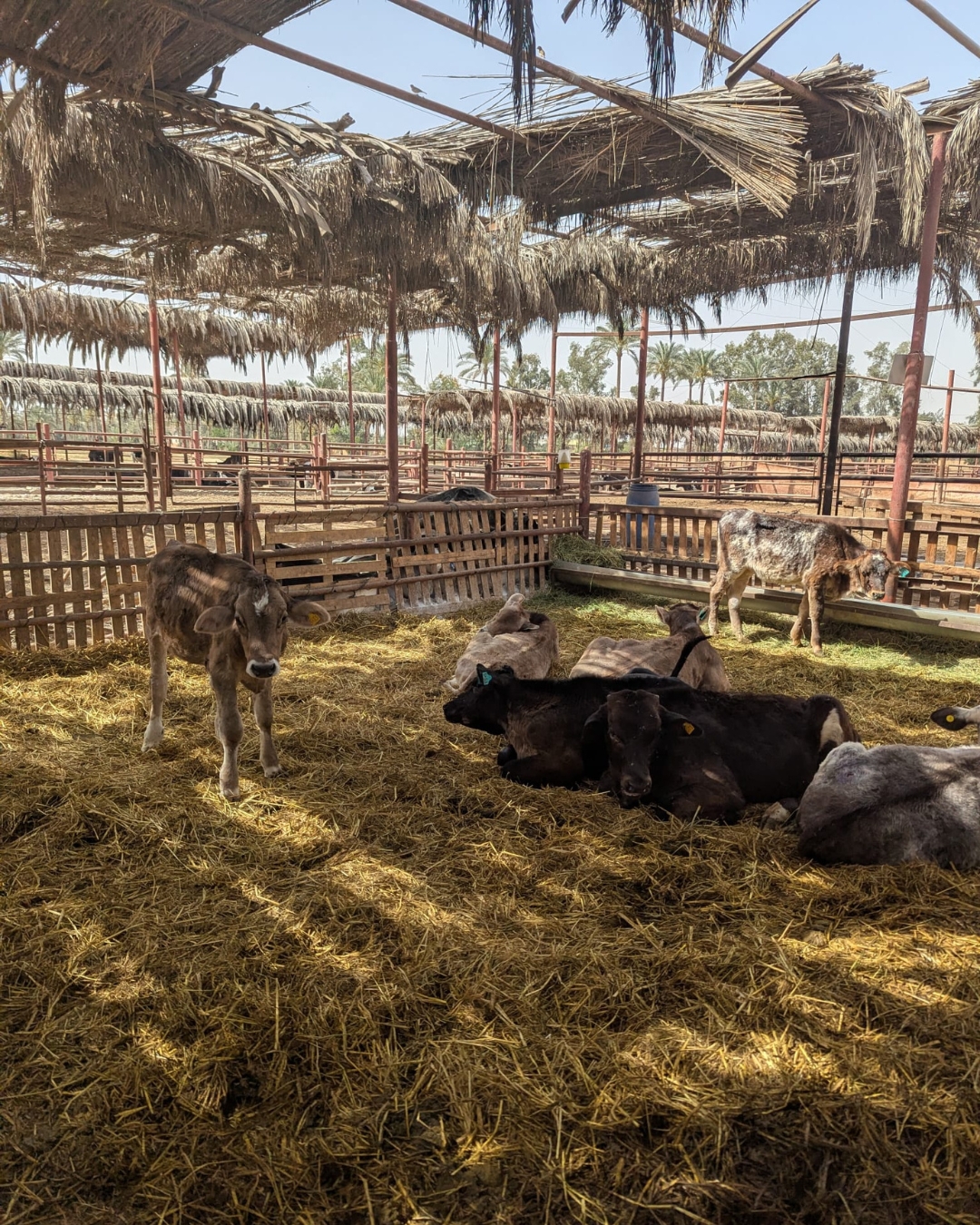
SEKEM’s methodology involves the intensive use of organic compost to build soil structure and water-holding capacity, the planting of thousands of trees to create microclimates and windbreaks, and the integration of livestock. Decades later, the project has expanded into a multi-faceted social enterprise that includes a university (Heliopolis University), medical centers, and schools.
May Wheeler’s observations at SEKEM suggest that the project’s success is rooted in its "Economy of Love" philosophy. This framework posits that ecological health, social justice, and economic profitability are mutually dependent. In practical terms, this has translated into the "Economy of Love" certification, which helps smallholder farmers across Egypt transition to organic methods by providing them with technical training and access to carbon credit markets. By sequestering carbon in the soil through regenerative practices, farmers can generate additional income, making sustainable transitions financially feasible.
Data and Economic Context of Modern Egyptian Farming
The economic weight of agriculture in Egypt remains substantial, despite the country’s rapid urbanization. According to data from the World Bank and the Egyptian Central Agency for Public Mobilization and Statistics (CAPMAS):
- GDP Contribution: Agriculture accounts for approximately 11-12% of Egypt’s Gross Domestic Product (GDP).
- Employment: The sector employs nearly 25% of the total workforce, and in Upper Egypt, this figure rises to nearly 55%.
- Water Consumption: Agriculture is the largest consumer of water in Egypt, utilizing approximately 80% of the country’s share of Nile water.
- Food Security: Egypt is currently the world’s largest importer of wheat, a vulnerability highlighted by global supply chain disruptions such as the conflict in Ukraine.
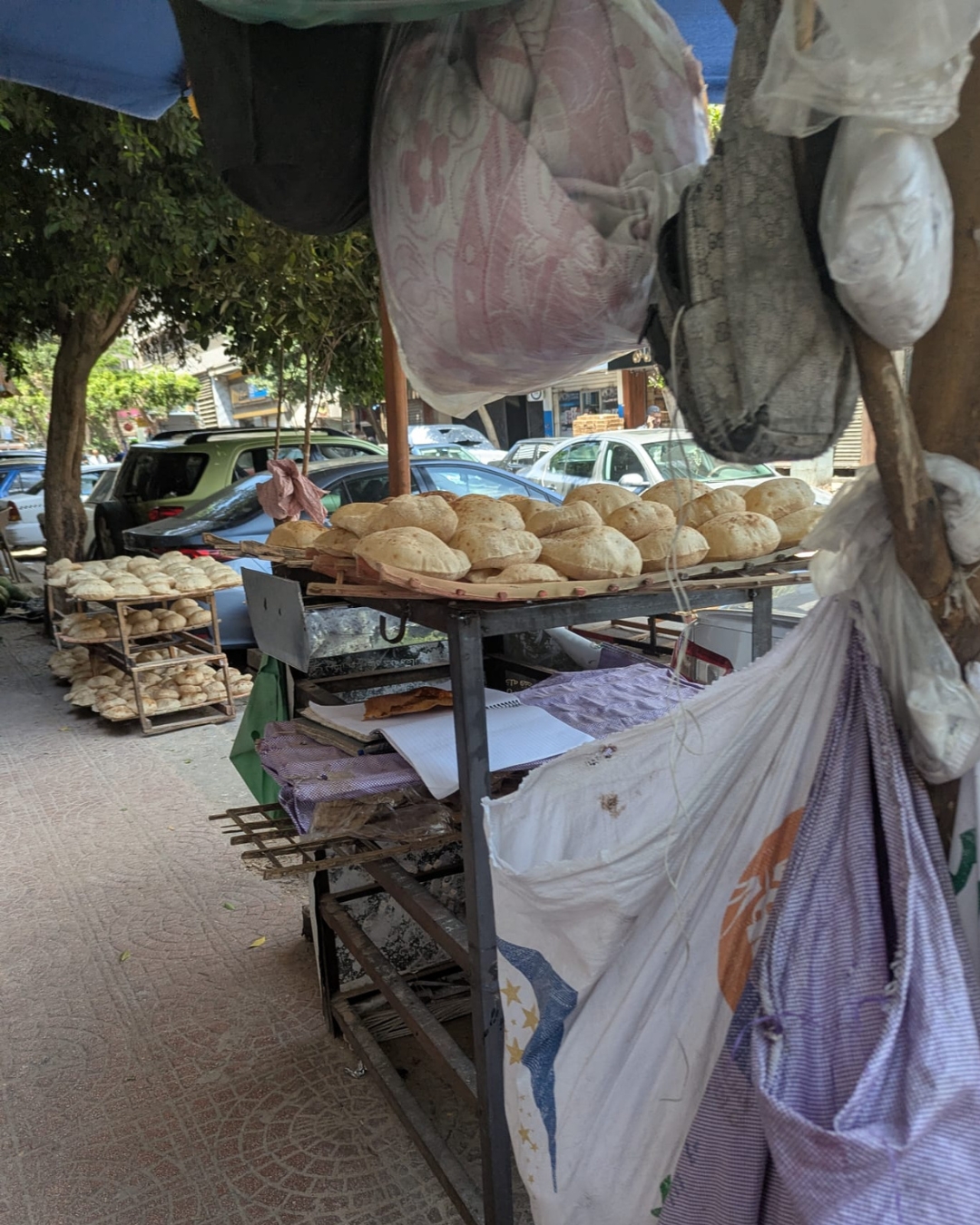
These figures underscore the strategic necessity of increasing domestic productivity. However, Wheeler’s analysis points out that the "status" of farming is a hurdle. Younger generations often view agricultural labor as a low-prospect career, leading to a "rural flight" toward Cairo and other urban centers. To counter this, there is a burgeoning "agripreneur" movement in Egypt, focusing on hydroponics, digital soil monitoring, and high-value organic exports to Europe, aiming to rebrand farming as a high-tech, sustainable profession.
Technical Challenges: Water Management and Soil Integrity
While SEKEM and similar projects demonstrate the potential for regreening, they also highlight significant technical vulnerabilities. In a desert environment, water management is the ultimate arbiter of success. At SEKEM, irrigation is a constant requirement, managed through underground trickle systems and sprinklers that minimize evaporation.
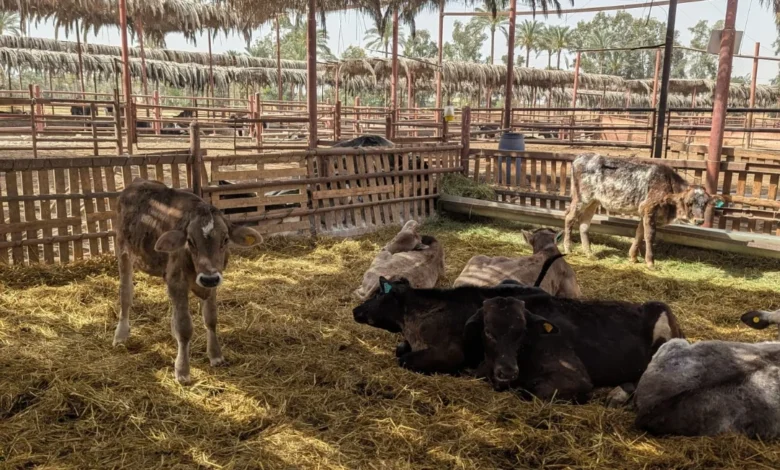
Wheeler notes a distinct difference between UK-based regenerative models and Egyptian desert models. In the UK, regenerative agriculture often emphasizes "mob grazing" and keeping livestock on pasture. In the Egyptian desert, however, the sandy soil cannot withstand the physical pressure of grazing animals without total erosion. Consequently, SEKEM utilizes sophisticated housing for dairy cows, focusing on manure collection for compost production—a vital component for maintaining the "living" quality of the reclaimed sand.
Furthermore, the dependence on groundwater is a point of concern. Much of the water used in desert reclamation comes from the Nubian Sandstone Aquifer System. While vast, this is a fossil water source, meaning it does not recharge at a rate commensurate with modern extraction. Fact-based analysis suggests that without a transition to high-efficiency recycling and potentially desalinated water for inland agriculture, the "New Lands" projects may face a "water wall" within the next century.
The Global Farm Metric and the Measurement of Sustainability
A central component of Wheeler’s mission was the application of the Global Farm Metric (GFM). The GFM is a common language for sustainability, designed to allow farmers, consumers, and policymakers to see a holistic picture of a farm’s impact. The challenge in Egypt is adapting these metrics to a landscape where the baseline is not "restoration" of degraded soil, but the "creation" of soil from sand.
During discussions at Heliopolis University, the focus shifted toward how to quantify the intangible benefits of sustainable farming. The "Economy of Love" initiative is an attempt to solve this by measuring social impacts—such as gender equality and educational access—alongside environmental metrics like soil organic matter and biodiversity counts. This holistic data is becoming increasingly important as international markets demand greater transparency regarding the environmental footprint of imported produce.
Broader Impact and Future Implications
The future of Egyptian agriculture will likely be defined by how well the nation can scale the lessons learned from niche successes like SEKEM. The Egyptian government has recently launched the "Future of Egypt" project, which aims to reclaim over one million acres of desert. If these massive projects adopt industrial, chemical-heavy models, they risk rapid soil salinization and water depletion. However, if they integrate regenerative principles—such as windbreaks, organic soil building, and crop diversification—they could provide a sustainable buffer for the nation’s food security.
The geopolitical context also looms large. The construction of the Grand Ethiopian Renaissance Dam (GERD) upstream on the Blue Nile has introduced a layer of hydro-political uncertainty. Egypt’s need to do "more with less" water has never been more urgent. This pressure is driving innovation in drough-resistant crop varieties and wastewater recycling technologies.
In conclusion, the observations made by May Wheeler suggest that Egypt is at a crossroads. The romanticized image of the Nile-fed oasis is being replaced by a more rigorous, tech-driven, yet ecologically conscious approach to desert farming. The coexistence of ancient stewardship values with modern sustainability metrics offers a potential pathway forward. While the challenges of water scarcity and population growth are formidable, the "regreening" of the desert proves that with a combination of ecological intelligence and social investment, fertile ground can indeed be found in the most unlikely of places. The success of these efforts will not only determine the food security of 110 million people but will also provide a blueprint for other arid nations facing the realities of a warming planet.