The Double-Counting Dilemma: How California’s Dairy Methane Subsidies May Overstate Climate Progress

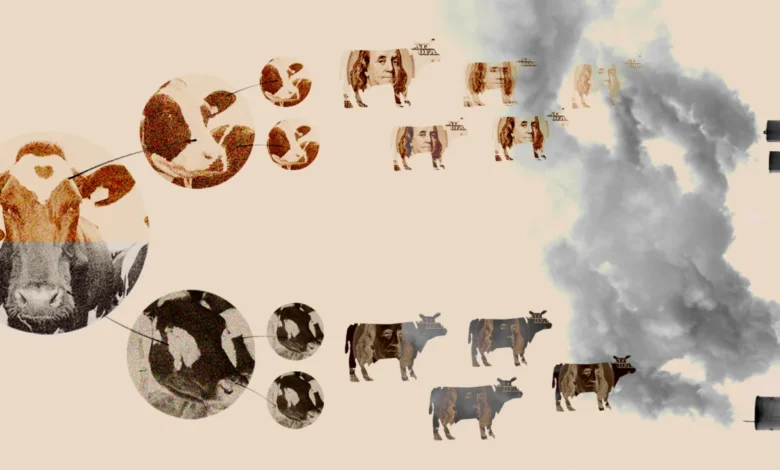
California is currently treating factory farm gas systems at dairy operations as if they are high-tech carbon-sequestration devices, effectively counting the same greenhouse gas reductions multiple times across different state programs. This accounting practice has sparked a heated debate among climate scientists, environmental advocates, and state regulators, as it raises fundamental questions about the transparency and efficacy of the Golden State’s path toward its 2030 climate mandates. At the heart of the controversy is the way California manages methane—a short-lived but highly potent greenhouse gas that is roughly 80 times more effective at trapping heat than carbon dioxide over a 20-year period.
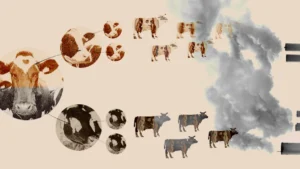
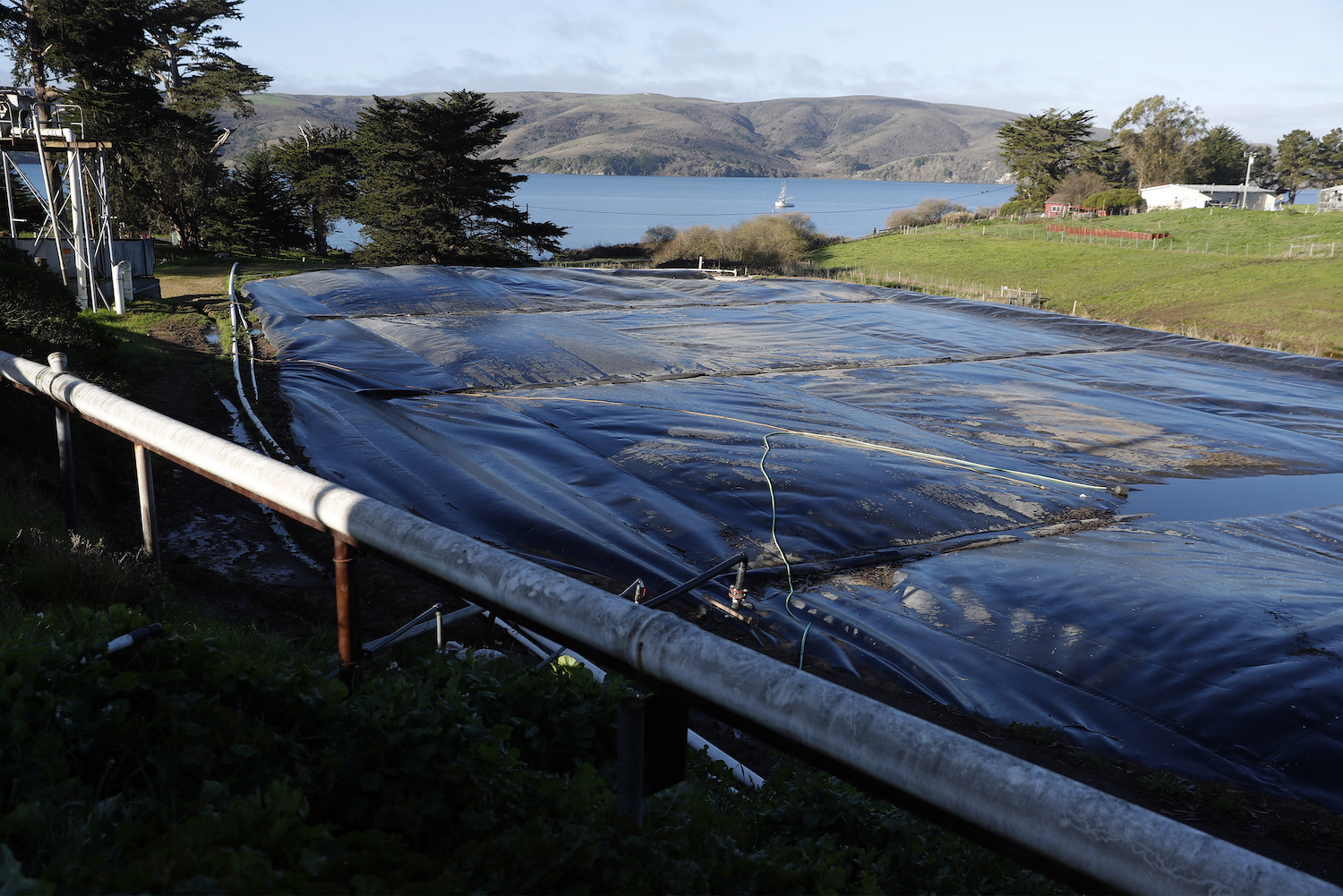
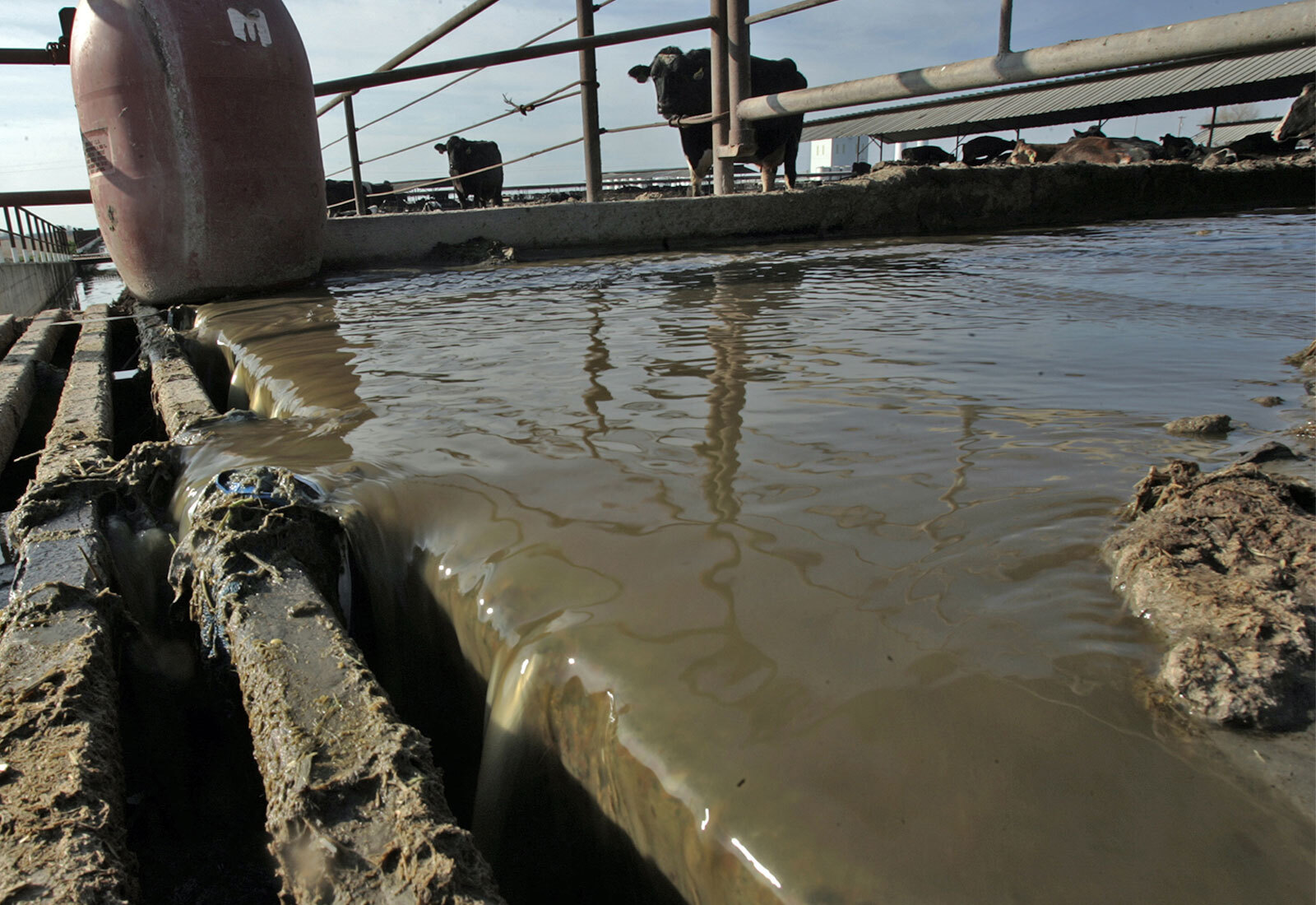
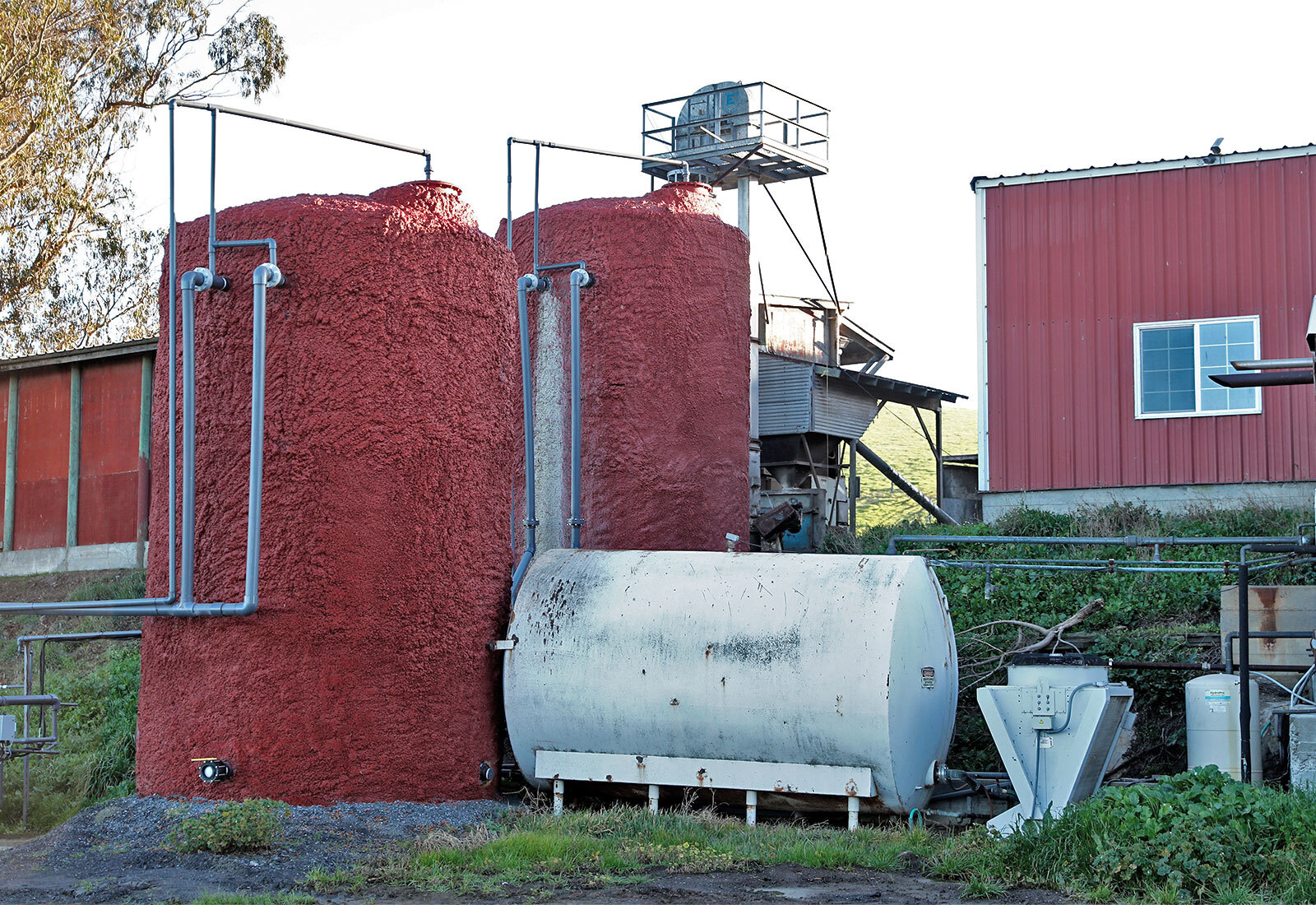
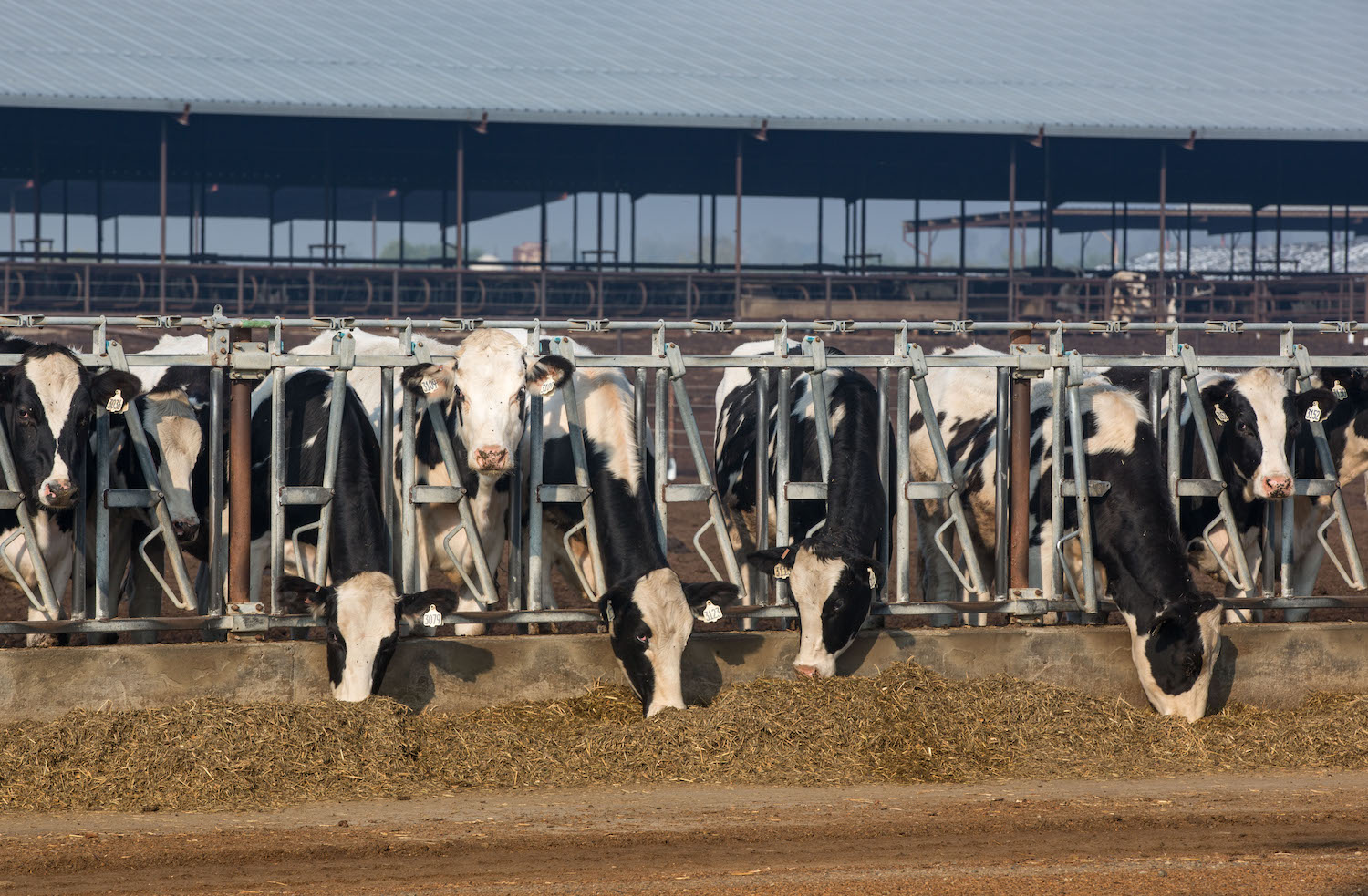
Every year, California’s massive dairy industry, which manages approximately 1.7 million milk cows, emits hundreds of thousands of tons of methane. These emissions primarily originate from manure management systems where waste is stored in large, open-air lagoons. Under anaerobic conditions, this manure decomposes and releases methane directly into the atmosphere. To address this, the state has implemented a series of lucrative subsidies designed to incentivize the installation of anaerobic digesters—towering silos that capture methane before it escapes. While these efforts are on track to prevent 1.8 million tons of carbon dioxide equivalent (CO2e) from being emitted annually by the end of 2024, critics argue that the state’s bookkeeping is fundamentally flawed.
The Mechanics of Double Counting
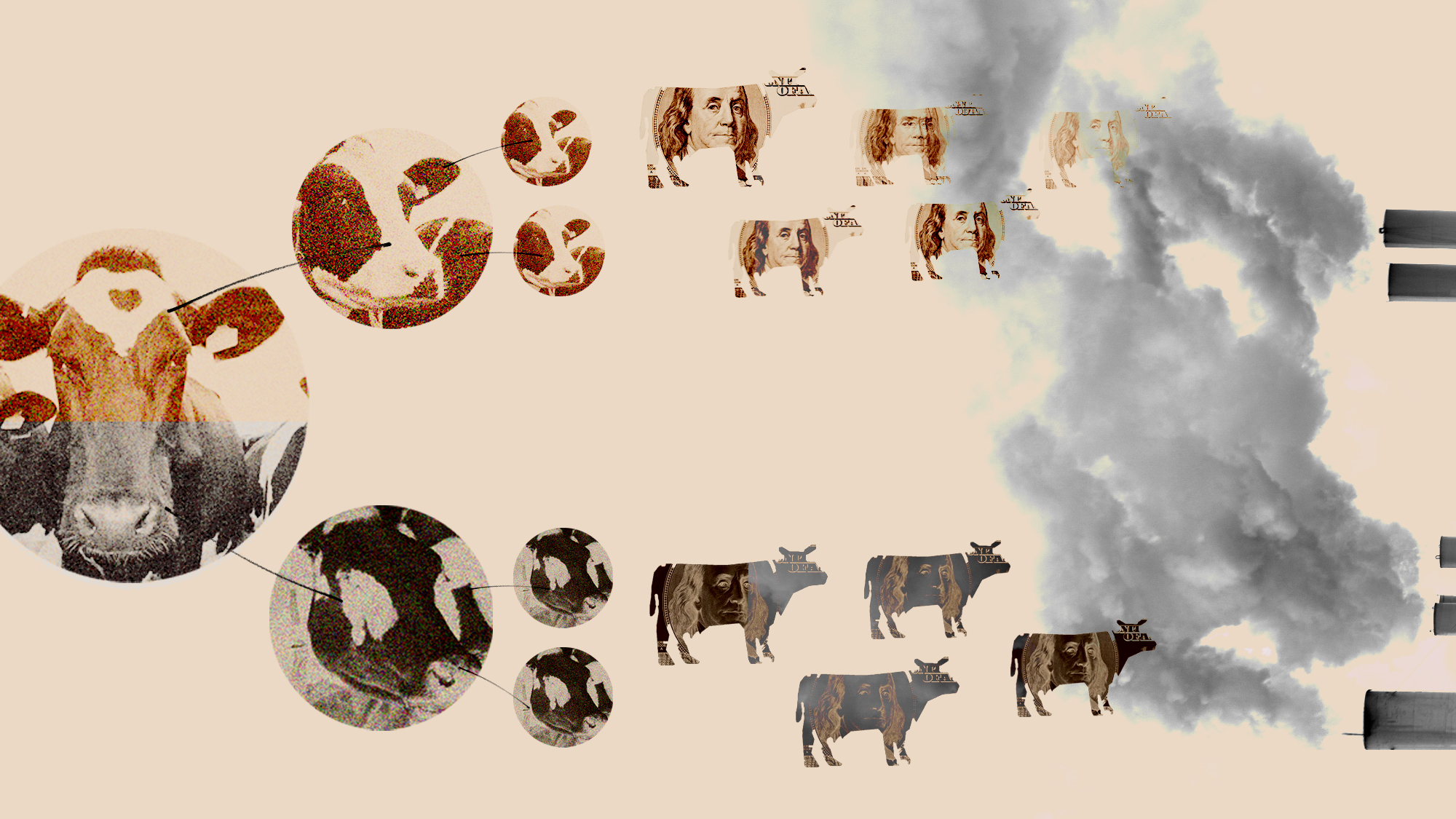
The primary issue lies in the overlap between two distinct regulatory sectors: livestock and transportation. California has established sector-specific targets for emissions reductions, and cuts made at dairy farms are officially attributed to the livestock sector to help meet a state law requiring a 40 percent reduction in methane from 2013 levels by 2030. Simultaneously, however, the state credits these same reductions to the transportation fuel sector through the Low Carbon Fuel Standard (LCFS).
The LCFS, first implemented in 2011, aims to reduce the average carbon intensity of transportation fuels sold in California. Under this program, fuel producers must meet an annually declining carbon intensity target. High-carbon fuels like gasoline and diesel generate deficits, while low-carbon fuels generate credits that can be sold on a private market. When methane captured from a dairy farm is processed into "renewable natural gas" (RNG) and injected into the pipeline for vehicle use, it is assigned a "negative" carbon intensity score.
This negative score is derived from a "well-to-wheel" life cycle analysis. Because the state considers the capture of methane—which would have otherwise been vented from a manure lagoon—to be an environmental benefit, the resulting fuel is treated as if it is actively removing carbon from the atmosphere. Consequently, the state claims a reduction in the livestock sector for capturing the gas and a reduction in the transportation sector for using the gas, despite it being the exact same molecule of methane.
A Chronology of Incentives and the Aliso Canyon Connection
The history of these subsidies reveals a complex "stacking" of financial rewards. In 2015, California experienced the Aliso Canyon disaster, the largest natural gas leak in United States history, which released over 100,000 metric tons of methane into the atmosphere. To mitigate this environmental catastrophe, the California Air Resources Board (CARB) established the Aliso Canyon Mitigation Agreement. This program distributed over $25 million in loans to dairy farms to build digesters, with the goal of offsetting the Aliso leak on a one-to-one basis.
However, the 1.9 million metric tons of CO2e expected to be captured by projects funded under the Aliso agreement are also being used to generate LCFS credits. This creates what environmental groups call a "perverse result." When a dairy farm participates in both programs, it first offsets the Aliso disaster and then generates a credit that allows a fossil fuel company to emit more greenhouse gases elsewhere. This effectively dilutes the mitigation effort of the Aliso agreement, as the "offset" is sold to permit new emissions in the transportation sector.
In 2018, the California Department of Food and Agriculture (CDFA) further incentivized this transition by awarding a $1.9 million grant to Calgren Dairy Fuels for a project at Vander Poel Dairy in Tulare County. This project, which manages a population of roughly 11,000 cattle, is estimated to prevent 290,000 metric tons of CO2e over a decade—equivalent to removing 6,250 cars from the road. Yet, like the Aliso projects, the Vander Poel emissions savings are logged toward the state’s 2030 methane targets while also generating lucrative LCFS credits.
Supporting Data and Market Impact
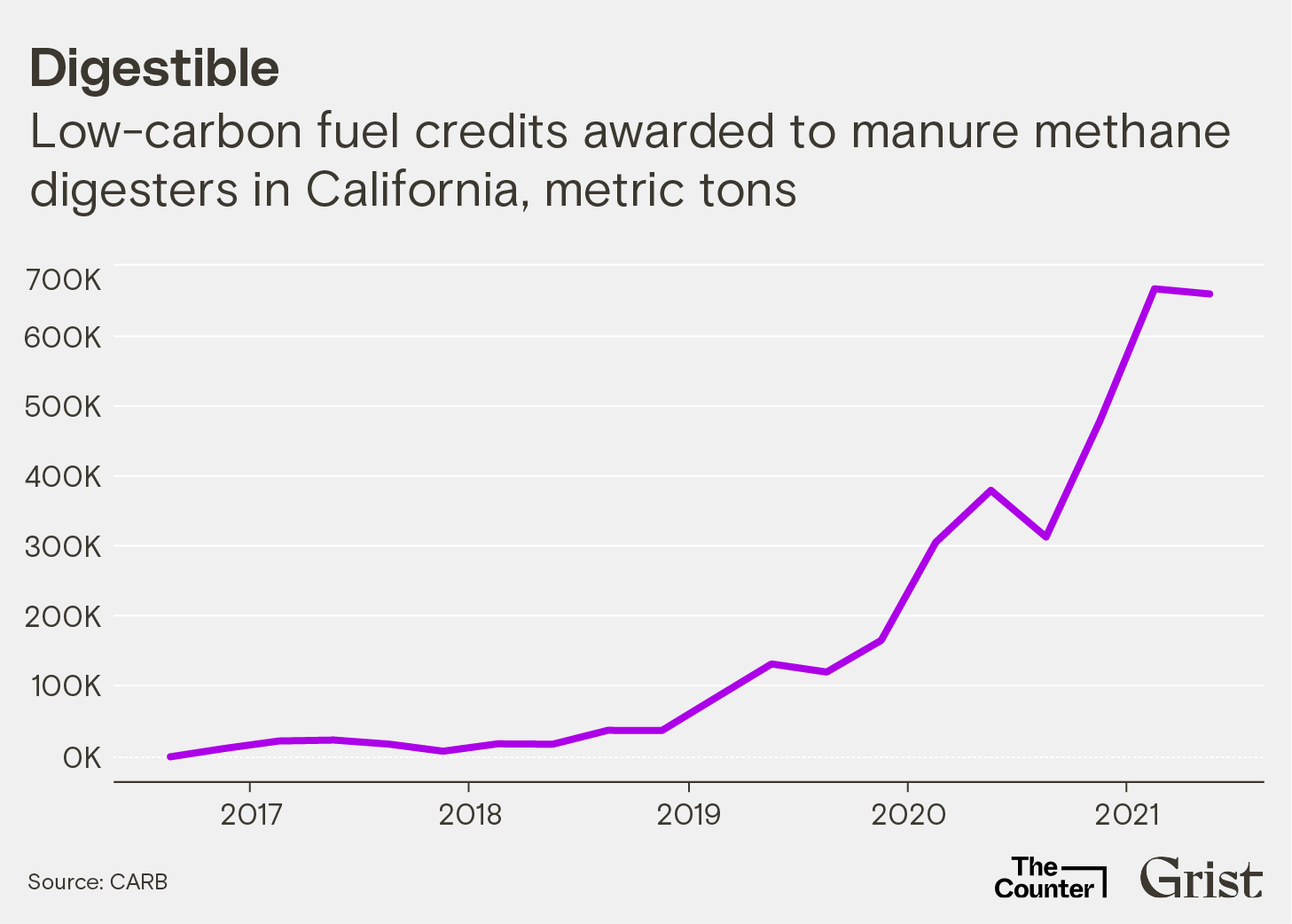
The financial implications of this accounting are significant. According to aggregate data, manure-based fuels generated over 2.1 million LCFS credits in 2021 alone. While these fuels represent a tiny fraction of the total volume of renewable fuels in the state, they accounted for approximately 10 percent of all credits generated that year. This is due to the extraordinarily high value placed on the negative carbon intensity of dairy methane.
For dairy operators and energy partners like Chevron and California Bioenergy, these credits represent a massive revenue stream. In a 2021 investor meeting, Chevron executives projected that their investments in dairy digesters would yield "double-digit returns," driven largely by the negative carbon scores. This has led to concerns that the production of manure—and the methane it generates—is becoming a profit center in its own right, potentially incentivizing the expansion of large-scale factory farms rather than their reduction.
The Additionality Debate and Official Responses
At the center of the legal and ethical debate is the concept of "additionality." In climate policy, a reduction is considered additional only if it would not have occurred without the specific incentive provided by a program. Critics, including Brent Newell, a former senior attorney for Public Justice, argue that if a dairy farm is already capturing methane because of a CDFA grant or an Aliso Canyon loan, the LCFS credit is not actually incentivizing a new reduction. It is merely rewarding an action that has already been paid for by the public.
"There is no causal link between the LCFS and those reductions happening," Newell stated. He and a coalition of environmental groups, including Food and Water Watch, petitioned CARB to reconsider its carbon intensity calculations. They argued that the current system allows for "paper reductions" that do not reflect actual atmospheric improvements.
In its official response, CARB disputed the term "double counting," though it did not deny that the same emissions reductions are applied to different programs. An agency spokesperson explained that the programs are designed to have "interplay," supporting methane reduction in the dairy sector while simultaneously rewarding the displacement of fossil fuels in the transportation sector. The agency ultimately denied the petition for a rule change in early 2022, citing the need to maintain stability while updating the state’s broader climate strategy.
Industry Perspectives and Financial Viability
From the perspective of the dairy industry, "stacking" these incentives is not a loophole but a necessity. Michael Boccadoro, executive director of DairyCares, argues that anaerobic digesters are prohibitively expensive to build and maintain. Without the combination of state grants, loans, and LCFS credit revenue, most farms would find the technology financially impractical.
Industry advocates maintain that the primary goal—keeping methane out of the atmosphere—is being achieved regardless of which ledger the reduction is recorded on. They argue that the high returns are a fair reward for the significant capital risk and operational complexity involved in converting biological waste into pipeline-quality gas.
Broader Implications and Future Outlook
The controversy in California serves as a bellwether for national climate policy. As the Biden administration and other states look to California’s LCFS as a model for their own clean fuel standards, the "double-counting" issue could become a systemic flaw in global carbon accounting. If methane reductions are overstated, the actual progress toward limiting global warming to 1.5 degrees Celsius may be much slower than official reports suggest.
Despite the pushback from environmental advocates, California is doubling down on its current strategy. As of 2024, dozens more dairy digesters are under construction, with nearly 100 additional projects expected to come online shortly. Each of these projects will likely seek to participate in both livestock and transportation credit programs.
The fundamental tension remains: is California successfully pioneering a circular economy where waste becomes fuel, or is it creating an accounting mirage that subsidizes industrial agriculture while allowing fossil fuel emitters to bypass meaningful change? As the 2030 deadline approaches, the pressure to move from "paper reductions" to verifiable atmospheric changes will only intensify, potentially forcing a reckoning for the Golden State’s flagship climate programs.