Walking the Ancient Paths: How Transhumance Offers a Blueprint for Climate-Resilient Agriculture

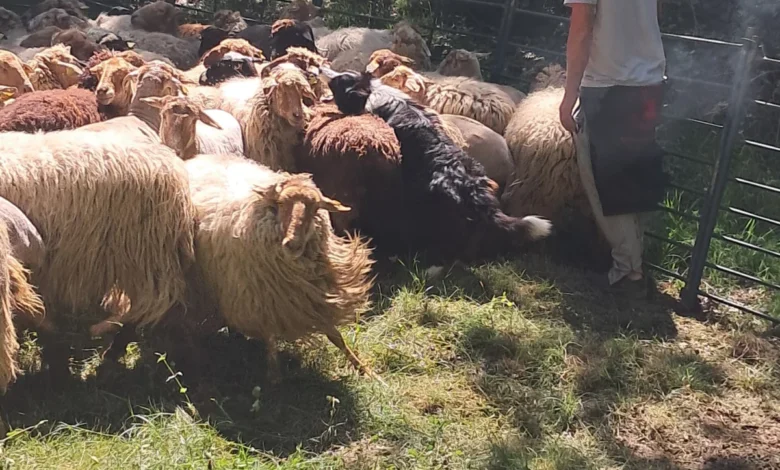
In an era defined by industrial food production and a reliance on long-distance logistics, the ancient practice of transhumance—the seasonal migration of livestock between mountain pastures and lowland plains—is experiencing a profound reassessment. As climate change exacerbates the frequency of wildfires and the severity of droughts across Southern Europe, the centuries-old wisdom of nomadic pastoralism is being rediscovered not merely as a cultural relic, but as a critical strategy for landscape management and food security. From the rugged peaks of Spain’s Sierra del Rincón to the arid landscapes of the Horn of Africa, the movement of herds remains a vital, albeit threatened, mechanism for ecological balance.
A Legacy of Movement: The Historical Context of Spanish Transhumance
The practice of transhumance in Spain is woven into the very fabric of the nation’s history. Its formal recognition dates back to 1273, when King Alfonso X, known as "The Wise," established the Royal and Honoured Council of the Mesta. This powerful institution provided a legal framework for transhumant farmers to move their flocks across the Iberian Peninsula via an extensive network of droving routes known as cañadas. These "ecological highways," spanning approximately 125,000 kilometers, were designed to facilitate the seasonal transit of sheep and goats, ensuring that livestock could access optimal grazing conditions throughout the year.
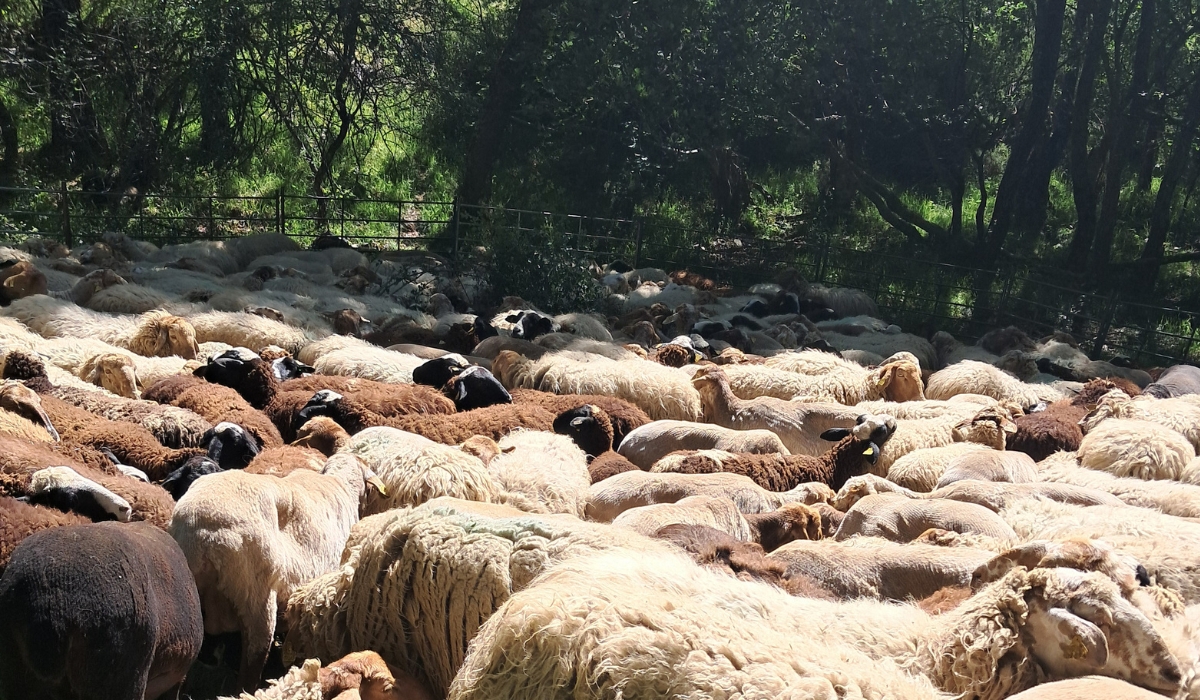
For centuries, this system functioned as a self-sustaining cycle: sheep grazed the mountain grasses during the summer months, while the arrival of autumn signaled a journey toward the milder climate of the southern plains. This cyclical movement ensured that pastures were not overgrazed and that the land remained naturally fertilized. Today, this tradition is preserved by dedicated groups like the Los Apisquillos Collective, based in the mountain village of Puebla de la Sierra. Formed 26 years ago, the collective manages a flock of 500 sheep—comprising native breeds like the Rubia de El Molar and Negra Castellana—with the dual purpose of food production and environmental stewardship.
The Modern Crisis: Wildfires and the Loss of Biodiversity
The transition from hoof to truck has had unintended and severe consequences for the Spanish landscape. As the majority of modern commercial livestock operations shifted toward mechanized transport to move animals between grazing grounds, the ancient cañadas began to fall into disuse. Without the constant grazing and trampling of sheep and goats, these corridors have become overgrown with scrubland and biomass.
The implications for fire safety are catastrophic. In the absence of grazing animals to manage the undergrowth, these pathways have transformed into vast reservoirs of dry fuel. During the scorching Mediterranean summers, this overgrown vegetation acts as a catalyst for uncontrollable wildfires. Manuel Bahíllo, secretary for the organization Trashumancia y Naturaleza, notes that the cessation of traditional grazing allows for the rapid accumulation of flammable biomass. "Transhumance controls the overgrowth of scrubland," Bahíllo explains. "When that practice is abandoned, the landscape becomes a tinderbox that only requires a single spark to ignite."
Supporting data from recent environmental studies indicates that areas managed through traditional extensive grazing show a marked reduction in the intensity and spread of forest fires. By clearing scrub, livestock act as a biological firebreak, effectively partitioning the landscape and limiting the capacity of wildfires to propagate across vast, contiguous forest regions.
Economic and Ecological Impulses: Beyond the Bottom Line
The argument for returning to foot-based transhumance is often met with skepticism from proponents of modern industrial agriculture, who cite logistical efficiency and cost-effectiveness. However, advocates such as Lawrence Sudlow, an environmental consultant and advisor for Trashumancia y Naturaleza, argue that the economic metrics currently used to judge agricultural success are fundamentally flawed. They fail to account for the "ecosystem services" provided by transhumant herds, such as carbon sequestration in permanent pastures, the maintenance of biodiversity, and the preservation of rare, climate-adapted livestock breeds.
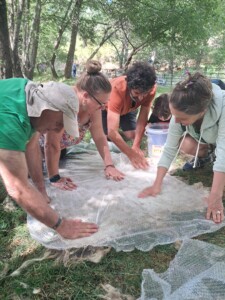
Sudlow maintains that transhumance should be recognized as a cultural and ecological right. For many shepherds, the motivation transcends simple profit margins. There is a deeply ingrained, almost primitive connection to the land that is lost in intensive, stationary farming. The Latin maxim Solvitur ambulando—"it is solved by walking"—is frequently cited by practitioners who believe that the act of moving across the landscape is the only way to truly understand its requirements and limitations.
A Chronology of a Working Season
The annual cycle of the Los Apisquillos Collective provides a clear model of how this system operates in a contemporary setting:
- Autumn (The Departure): The collective gathers its flock in Puebla de la Sierra. Over a period of several weeks, the shepherds and their dogs traverse approximately 240 kilometers along the traditional cañadas.
- Winter (The Lowlands): The flock arrives at the Casa de Campo in Madrid. This urban grazing period serves two purposes: the livestock benefit from the lower-altitude winter forage, and the park’s vegetation is naturally managed without the need for chemical fertilizers or heavy machinery.
- Spring (The Return): Following the lambing season in the safety of the park, the flock begins the return journey to the mountain pastures.
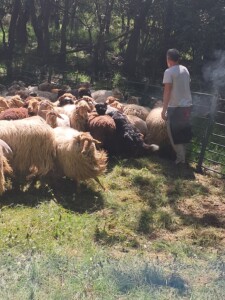
- Summer (Shearing and Maintenance): Upon returning to the high altitudes of the Sierra del Rincón, the sheep are shorn at the annual shearing festival. This event, which integrates music, communal dining, and traditional wool processing, acts as a critical knowledge-transfer bridge between generations.
Implications for Global Food Security
The challenges faced by the shepherds of Spain are mirrored globally. Whether it is the Somali pastoralist navigating 45 kilometers to find water for a herd of 2,000 camels, or the Spanish farmer clearing scrubland to protect a village from wildfire, the lessons are universal: food systems that are rooted in the local ecology are inherently more resilient.
As climate change continues to destabilize weather patterns, the reliance on high-input, static agriculture becomes increasingly risky. Droughts can decimate stationary crops and confined animal operations, while the degradation of soil health in intensive systems leaves land vulnerable to erosion. Conversely, transhumant systems are inherently adaptive. By moving livestock, farmers can mitigate the impact of localized droughts and exploit the seasonal diversity of various landscapes.
Policy Recommendations and the Path Forward
For transhumance to survive and flourish in the 21st century, experts suggest a multi-faceted approach:
- Legal Protections: The formal recognition of cañadas must be bolstered by stricter enforcement of right-of-way laws. Physical obstructions on these historic routes must be removed to allow for the safe passage of livestock.
- Financial Incentives: Governments should reclassify payments for ecosystem services. Rather than subsidizing transport costs for industrial livestock, funding should be redirected toward the support of shepherds who provide wildfire management and biodiversity conservation as part of their daily labor.
- Knowledge Preservation: Programs that connect the older generation of pastoralists with younger, aspiring farmers are essential to prevent the "continuity of knowledge" from being severed by rural depopulation.
- Market Development: Increasing the value of products associated with transhumance—such as wool and mountain-grazed dairy—can provide the necessary economic stimulus to ensure the viability of these operations.
Conclusion
The annual gathering at Puebla de la Sierra is a reminder that modernity does not have to be synonymous with the abandonment of tradition. The shepherds of the Los Apisquillos Collective are not merely tending to sheep; they are tending to the health of the Spanish countryside. As the world faces the growing pressures of a changing climate, the ancient, measured pace of the droving routes offers a compelling alternative. By embracing systems that are shaped by place, responsive to seasonal cycles, and respectful of ecological limits, we may find the most effective path toward a more secure and sustainable food future. The wisdom of the past, preserved in the steady, rhythmic movement of the herd, remains one of our most potent tools for navigating the uncertainties of the future.