The Ancient Art of Transhumance: How Spain’s Droving Routes Offer a Blueprint for Climate-Resilient Agriculture

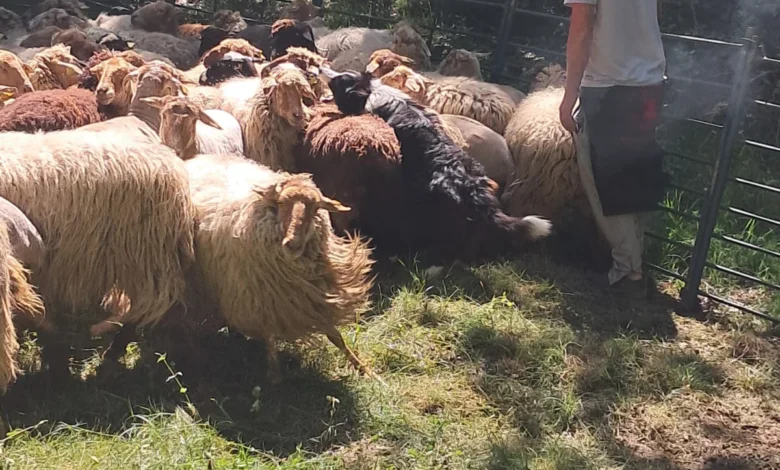
As climate change accelerates, manifesting in prolonged droughts, record-breaking temperatures, and increasingly volatile wildfire seasons across the Mediterranean, agriculturalists are looking toward the past to secure the future of food production. In the rugged mountains of Spain, the practice of transhumance—the seasonal migration of livestock between lowland winter pastures and high-altitude summer grazing grounds—is emerging not as a relic of antiquity, but as a sophisticated, science-backed strategy for ecological management and food security.
The Historical Architecture of the Iberian Landscape
The history of Spanish transhumance is etched into the very geography of the Iberian Peninsula. Its formal recognition dates back to 1273, when King Alfonso X, known as "The Wise," established the Honrado Concejo de la Mesta. This powerful association of sheep farmers institutionalized the use of cañadas—a vast, intricate network of public livestock trails spanning approximately 125,000 kilometers. These "ecological highways" were designed to ensure that livestock could navigate the peninsula, moving in harmony with the seasonal shifts in vegetation and climate.
For centuries, this movement was the engine of the Spanish economy, providing wool, meat, and dairy while simultaneously preventing the encroachment of dense scrubland. However, the 20th century saw a decline in these practices due to rural depopulation, the rise of industrial farming, and the increasing reliance on motorized transport for livestock. Today, experts and activists are working to reverse this trend, arguing that the abandonment of these routes is a primary contributor to the current ecological crises in rural Spain.
The Shearing Festival: A Case Study in Continuity
At the heart of the modern preservation effort is the Los Apisquillos Collective, based in the mountain village of Puebla de la Sierra in the Madrid mountains. Formed 26 years ago, the collective serves as a hub for the revival of traditional rural practices. Each year, the collective hosts a shearing festival—a vibrant, communal event that blends technical skill with cultural celebration.
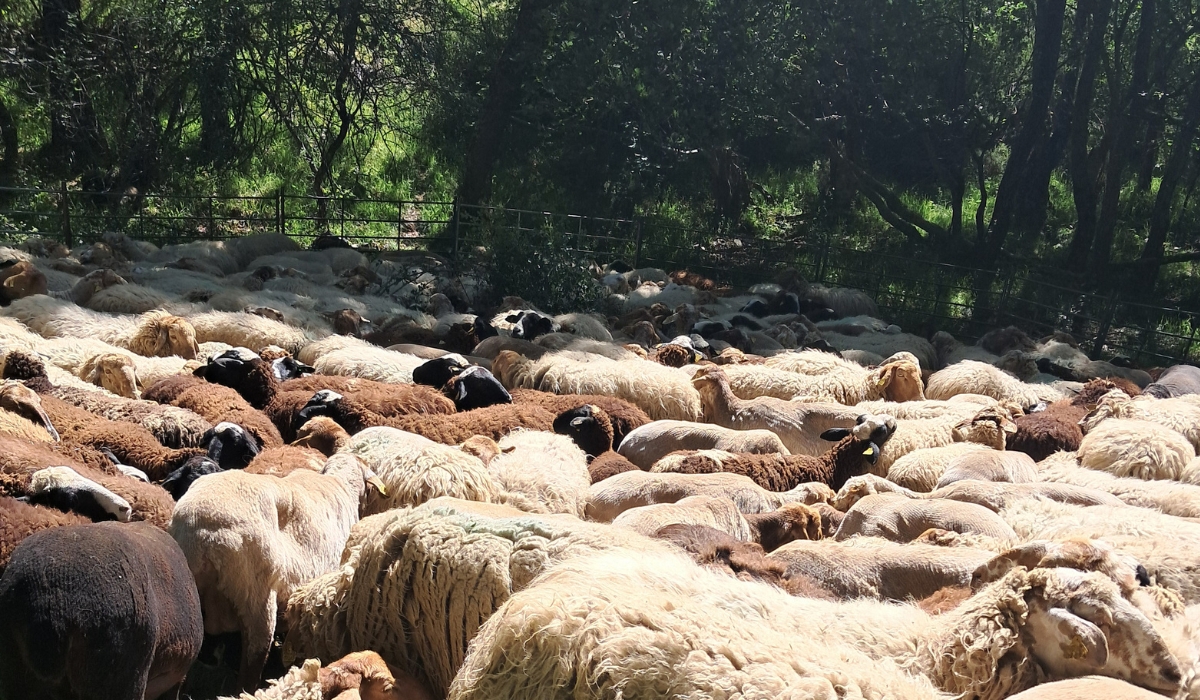
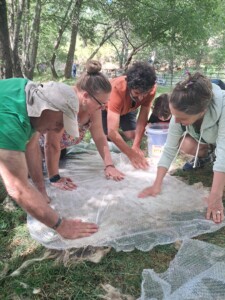
During the festival, participants process rare, native breeds such as the Rubia de El Molar and Negra Castellana. The event serves as a practical demonstration of how traditional knowledge, such as manual carding and spinning, integrates with broader environmental goals. While the festival is a joyous occasion featuring music and local cuisine, its underlying purpose is deeply serious: the maintenance of a lineage of knowledge that is essential for managing the landscape. Each autumn, the collective performs a 240-kilometer migration to the Casa de Campo, a major public park in Madrid, where the sheep provide vital ecological services, grazing the parklands through the winter and allowing the mountain pastures to recover.
The Ecological Argument: Livestock as a Firebreak
The decline of transhumance has had measurable environmental consequences. As the traditional cañadas have fallen into disuse, they have become overgrown with biomass. In the absence of grazing animals to trample and consume this vegetation, the landscape has become a tinderbox.
Manuel Bahíllo, secretary for the advocacy group Trashumancia y Naturaleza, notes that transhumant pastoralism acts as a natural wildfire mitigation strategy. "Transhumance controls the overgrowth of scrubland," Bahíllo explains. "If it ceases, all that biomass that the livestock neither eat nor trample remains in the landscape, acting as fuel that only needs a spark to ignite."
Data supports this assertion. Studies on landscape management in the Mediterranean basin indicate that areas managed through extensive grazing exhibit lower fuel loads, which significantly reduces the intensity and speed of wildfire spread. Javier, a farmer from Sanabria, confirms this, stating, "Fires can be stopped; that’s been proved time and again. The fire’s behavior depends entirely on the amount of forest fuel it encounters." When livestock graze these routes, they effectively act as mobile, low-carbon firebreaks, protecting biodiversity and rural infrastructure alike.
The Economic and Cultural Conflict
Despite the clear ecological benefits, the industry faces significant hurdles. Modern agriculture policy often prioritizes the efficiency of trucking livestock over the slow, methodical process of walking herds. Critics of the traditional model argue that the cost of labor and time makes driving animals on foot economically unviable.
However, proponents of transhumance, such as environmental consultant Lawrence Sudlow, dismiss the "efficiency" argument. Sudlow argues that transhumance should be recognized as a cultural right and an essential environmental service. He contends that the economic framing is too narrow, failing to account for the "ecosystem services" provided by the shepherds—services that include fire prevention, soil fertilization, and the preservation of rare, climate-resilient breeds.
Juan García, a key figure with the organization Ecologists in Action, echoes this sentiment. He advocates for the state-level protection of the 125,000 kilometers of livestock trails, arguing that the cañadas are public assets that serve the common good. The de facto power once held by the Mesta is no longer present, but the need for a modern, institutionalized framework to support transhumant farmers is arguably more critical than it was in the 13th century.
Global Implications for Food Security
The lessons learned from the Spanish highlands resonate globally. The experience of the Somali pastoralist—who, like her Spanish counterparts, must navigate vast distances to find water and grass—highlights a universal truth about climate-resilient food systems. Whether in the Horn of Africa or the Iberian Peninsula, the ability to move with the seasons is a safeguard against the destabilizing effects of localized drought.
As nations grapple with the risks of centralized, intensive food production, the model of extensive pastoralism offers a pathway toward a more distributed and adaptable system. By utilizing land that is otherwise unsuitable for crops and managing it in a way that promotes biodiversity, transhumance represents a "circular" approach to agriculture. It minimizes inputs, such as synthetic fertilizers and supplemental feed, and relies instead on the animal’s natural movement across the landscape.
Future Outlook and Policy Recommendations
For transhumance to survive and thrive, it requires a shift in public policy. Currently, many of the traditional routes are physically obstructed by new infrastructure, such as highways and residential developments, which cut across the historical paths. Furthermore, the financial burden of managing a flock on the move—often without the subsidies afforded to industrial operations—places these farmers at a competitive disadvantage.
Analysts suggest three key pillars for the revitalization of the practice:
- Legal Protections: Strengthening the status of the cañadas to ensure they remain clear of development and industrial encroachment.
- Environmental Subsidies: Recognizing the role of shepherds as "landscape managers," providing financial support for the fire prevention services they provide to the state.
- Market Development: Promoting the high-quality, sustainable meat and wool products produced by these flocks, allowing consumers to support the practice through their purchasing power.
The wisdom of the old adage Solvitur ambulando—"it is solved by walking"—is increasingly relevant in the face of modern climate anxiety. By reconnecting with the rhythmic, seasonal movement of livestock, society may find a way to reconcile the need for food production with the necessity of protecting the land. As the shepherds of Los Apisquillos return to the mountains each spring, they carry with them more than just a flock of sheep; they carry a living, breathing solution to one of the most pressing challenges of the 21st century. The path forward, it seems, is one that has already been walked for a thousand years.
Related posts: