Beyond the Bagel: How Modern Cookbooks Are Redefining and Reclaiming Jewish Culinary Identity

The landscape of Jewish culinary literature has undergone a significant transformation over the last decade, shifting from traditional, community-focused recipe collections to high-concept "lifestyle" books that grapple with the complexities of modern identity. This evolution reflects a broader dialogue within the Jewish diaspora regarding what it means to be Jewish in the 21st century—a question that encompasses religious practice, cultural heritage, ethnic roots, and national affiliation. In a detailed examination of the genre, prominent food journalists Charlotte Druckman and Rebecca Flint Marx have analyzed how contemporary cookbooks both reflect and reframe these ideas, revealing a tension between authentic cultural preservation and the commercialization of heritage.
The Jewish culinary tradition is inherently diasporic, shaped by centuries of migration, adaptation, and the blending of local ingredients with religious dietary laws (kashrut). However, in the American context, Jewish food has often been reduced to a "beige" monolith of Ashkenazi (Eastern European) staples: brisket, gefilte fish, and bagels. Today’s writers are increasingly challenging this narrative, though their approaches vary wildly—from scholarly explorations of global migrations to "Instagram-ready" reinventions of classic dishes.
The Four Pillars of Modern Jewish Identity
Central to the discussion of these culinary guides is the difficulty of defining "Jewishness" itself. Druckman identifies four distinct ways that contemporary authors engage with the subject: cultural identification, religious observance, ethnic heritage, and national identity (specifically the relationship between the American diaspora and the state of Israel).
While many modern cookbooks lean heavily into the cultural aspect—focusing on the "vibe" or social experience of Jewish life—they often skirt the religious significance of the foods they present. This creates a landscape where a recipe for fennel gratin or roasted turnips can be labeled "Jewish" simply because it is intended to round out a holiday meal, rather than possessing an inherent religious history. This shift toward "cultural Judaism" reflects a secularizing trend in the American Jewish community, where food serves as the primary bridge to a heritage that many feel disconnected from in a religious sense.
A Chronology of the Jewish Culinary Renaissance
The current wave of Jewish cookbook publishing can be traced back to a "renaissance" that began in the mid-2010s. This movement sought to "elevate" and "modernize" traditional foods, applying the techniques of the artisanal food movement to Old World staples.
2015: The Modernization of Tradition
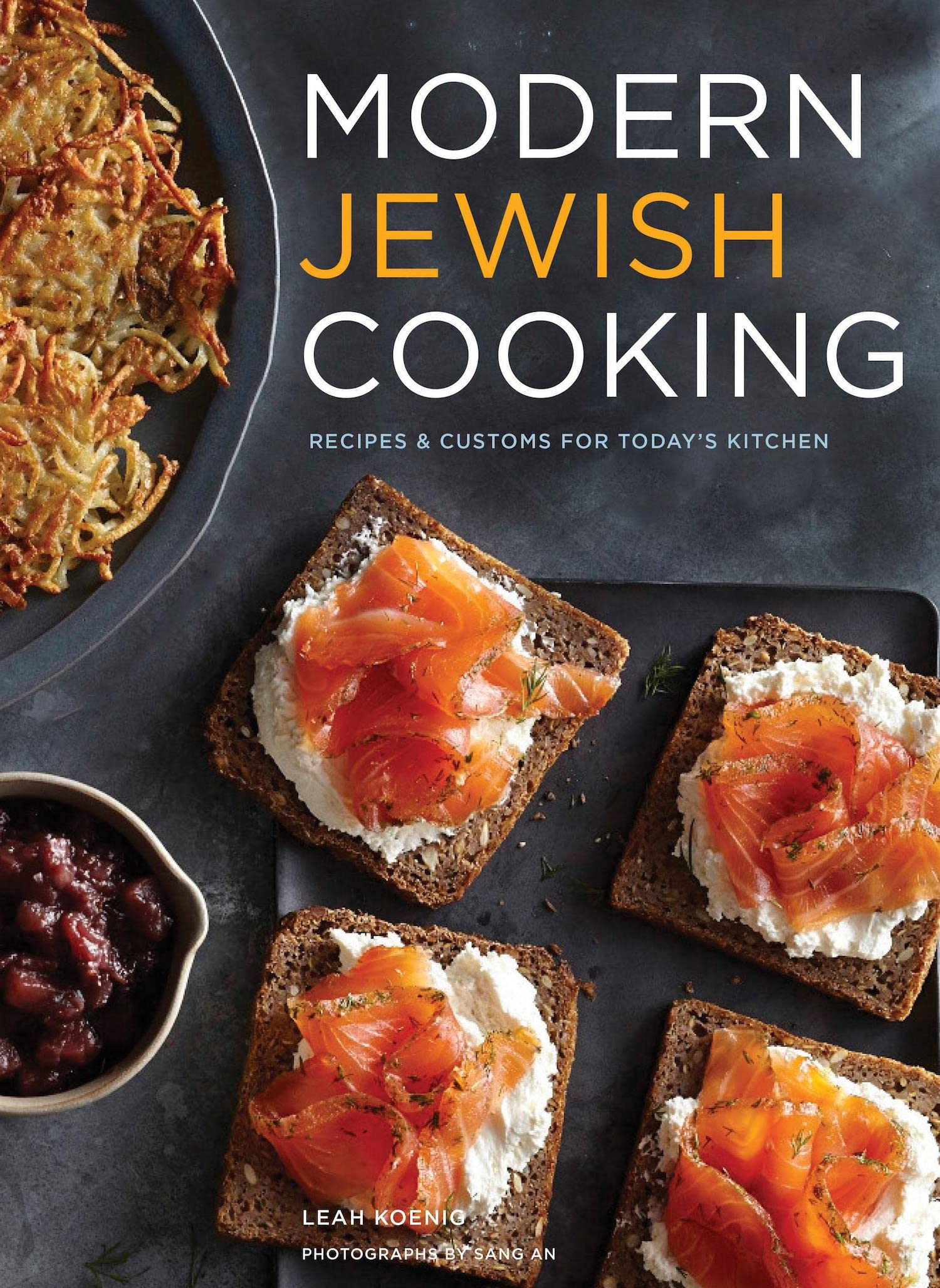
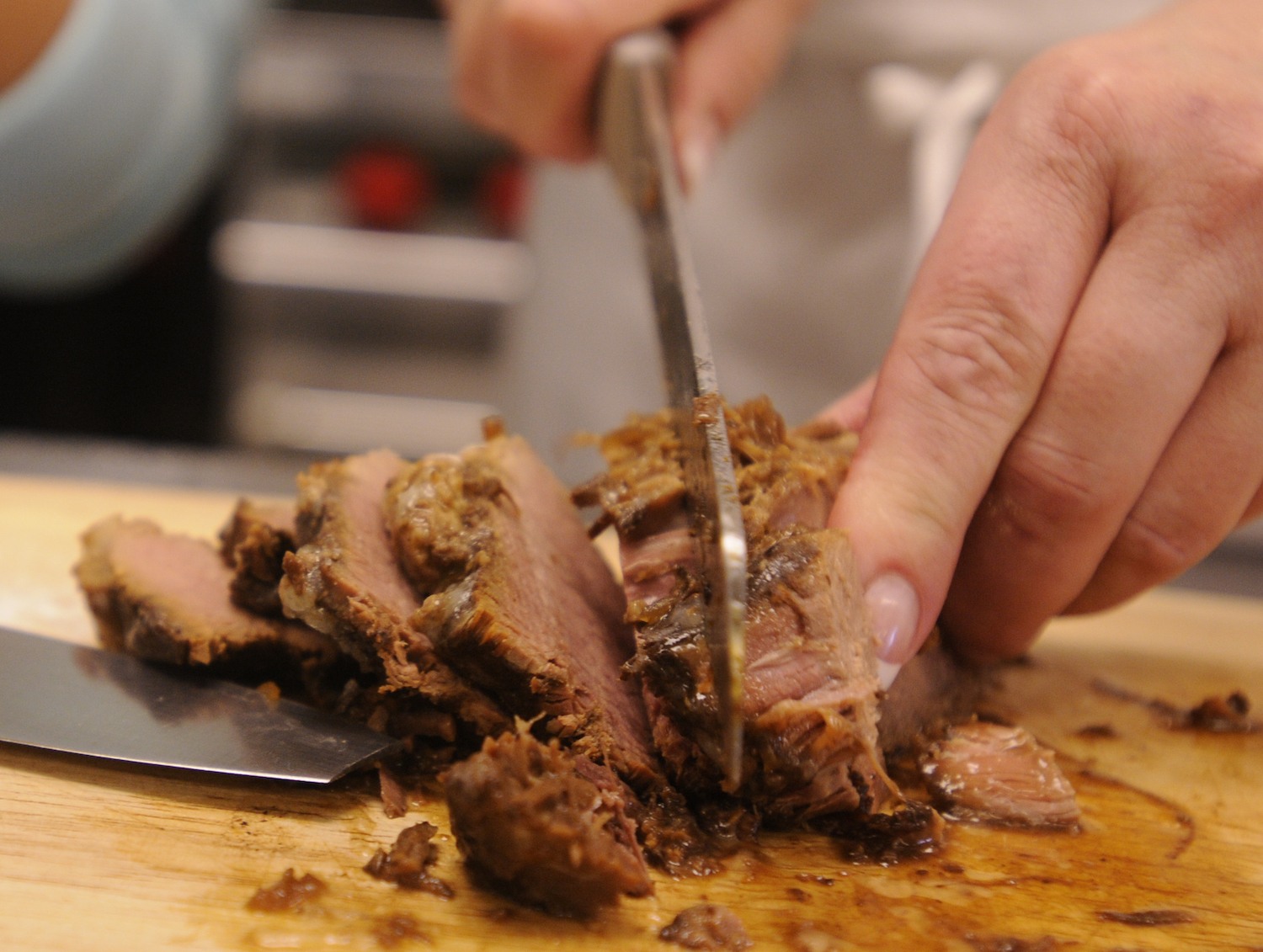
Leah Koenig’s Modern Jewish Cooking (2015) is cited as a foundational text in this era. Koenig’s approach was seen as a bridge between the heavy, stodgy recipes of the past and a new, vegetable-forward American palate. Critics note that "modern" in this context often serves as a euphemism for "assimilated," as the recipes are designed to fit seamlessly into the broader American food landscape. While Koenig’s work is praised for its elegance and functionality, it also highlights the challenge of defining what makes a specific vegetable dish "Jewish" without a strong narrative connection to ritual or history.
2019: The Philosophical Debate
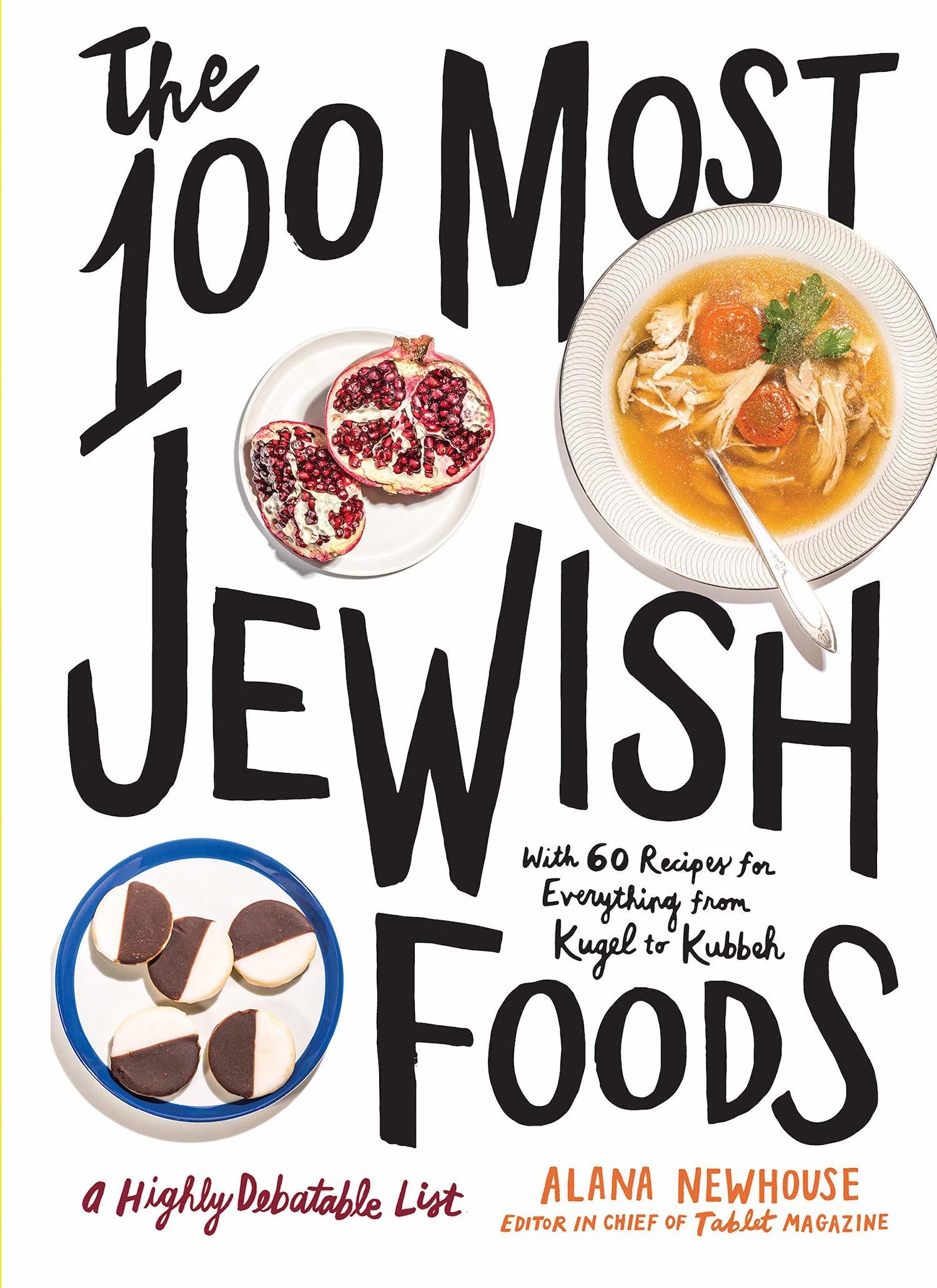
In 2019, Alana Newhouse’s The 100 Most Jewish Foods moved the conversation from the kitchen to the library. Not strictly a cookbook, this collection of essays by various contributors—including chefs, writers, and cultural critics—attempted to define Jewishness through objects as varied as the brisket and the "used tea bag." The book’s success signaled a hunger for a more "crotchety" and argumentative exploration of identity, one that embraced the neuroses and debates inherent in Jewish culture. However, it also faced criticism for its New York-centric point of view, often conflating the "New York Jew" with the global Jewish experience.
2020: Nostalgia for the Suburbs
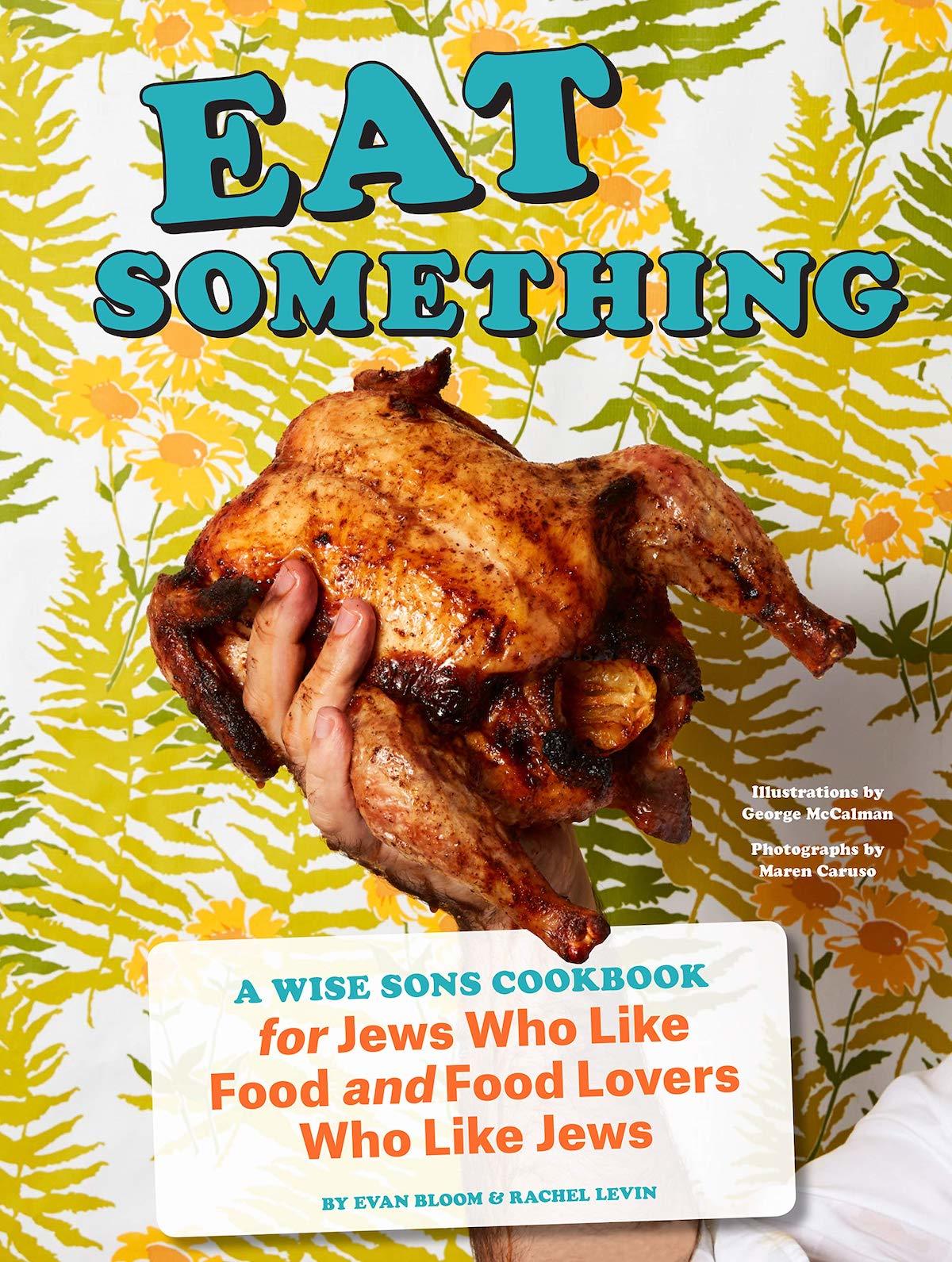
The 2020 release of Eat Something by Evan Bloom and Rachel Levin (of the San Francisco-based Wise Sons Deli) signaled a shift toward "Gen-X nostalgia." This book leaned into the "shtick" of suburban Jewish life in the 1980s and 90s, focusing on bar mitzvahs, summer camps, and the specific aesthetic of Jewish community life. While it resonated with those who grew up in similar environments, some critics argued that it risked feeding stereotypes back to the community, offering a "nostalgia for nostalgia" that felt more like a caricature than a deep connection to roots.
The Branding of Religion and the "Lifestyle" Trend
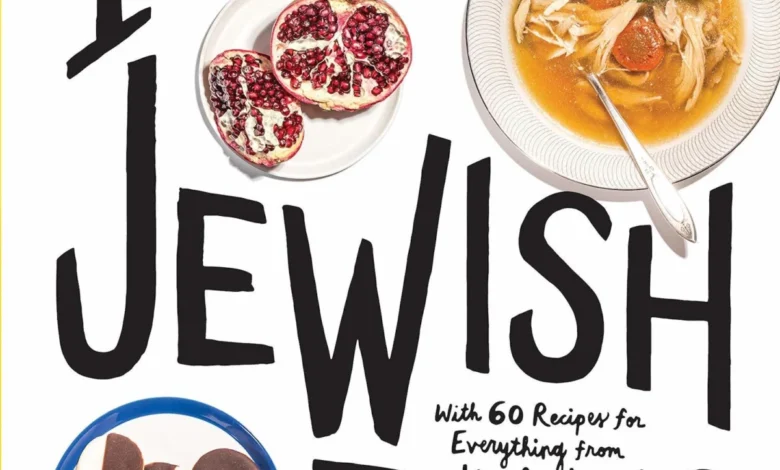
Perhaps the most controversial development in the genre is the emergence of the "Jewish lifestyle brand." Jake Cohen’s Jew-Ish (2021) exemplifies this trend, billing itself as a guide for the "modern mensch." The book has been criticized by some for its glib approach to identity, suggesting that one can be "Jew-ish" (hyphenated) by simply throwing dinner parties and using "everything bagel" seasoning.

This decontextualization of Jewish ritual has sparked a debate about the "Alison Roman-ification" of ethnic cooking—where traditional foods are stripped of their historical and religious weight to be repackaged as aspirational content for social media. When a babka is flavored with "pumpkin spice" or a tomato galette is marketed as a "reinvented" Jewish staple, critics argue that the goal is no longer cultural preservation, but rather personal branding. This approach raises questions about the "selective parts of Judaism" being used as a fashion statement rather than a lived experience.
Toward a Global and Ritual-Based Future
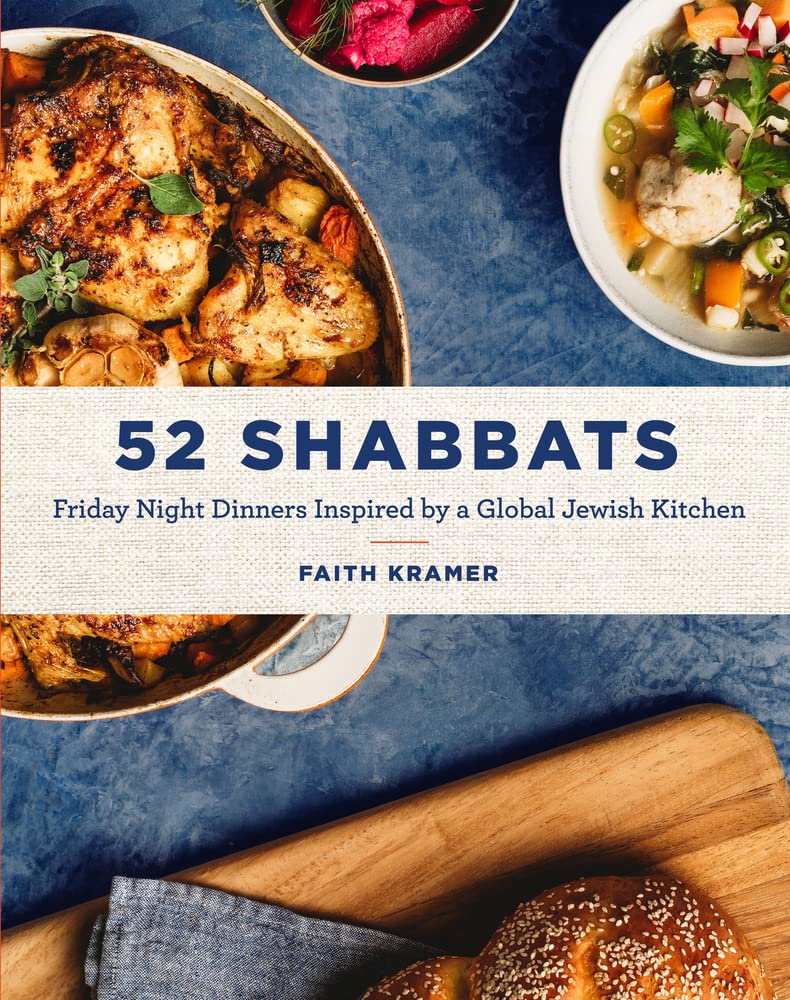
In contrast to the lifestyle-centric books, Faith Kramer’s 52 Shabbats (2021) represents a move toward a more journalistic and inclusive approach. By focusing on the weekly ritual of Shabbat, Kramer anchors the food in religious practice while simultaneously exploring the global diversity of the diaspora.
The Geography of Migration
Kramer’s work highlights that Jewish food is not a monolith but a series of "double cultural exchanges." As Jews migrated—from Eastern Europe to Shanghai, or from North Africa to France—they carried culinary traditions that were constantly being reshaped by their surroundings. Data shows that the Jewish population in cities like Shanghai peaked at over 20,000 during World War II, only to dwindle to a few thousand by the 21st century. Cookbooks like Kramer’s document these "waves" of movement, showing how a single ingredient like salmon or lentils is treated differently by Jewish communities in different parts of the world.
The Sephardic and Mizrahi Gap
Despite the proliferation of new titles, there remains a significant gap in the market. Most mainstream Jewish cookbooks in the U.S. continue to prioritize the Ashkenazi experience. Journalists Druckman and Flint Marx point out that the representation of Jewish food remains "monochromatic," with insufficient voices from Sephardic (Spanish/Portuguese), Mizrahi (Middle Eastern), and Black Jewish communities. While writers like Michael Twitty have begun to bridge these gaps, the industry has yet to fully embrace the "monolithic representation" of Jewish food as a collection of Arab, African, and Asian influences.

Implications for Cultural Preservation
The rise of the modern Jewish cookbook serves as a barometer for the state of Jewish identity in America. As the distance between the immigrant generation and their descendants grows, food becomes the primary medium for "reclamation." However, the effectiveness of this reclamation depends on whether the books offer "gravitas" and context or merely "lifestyle" tips.
Data from the Pew Research Center indicates that while religious affiliation among American Jews is declining, cultural and "ethnic" pride remains high. Cookbooks are filling this void, serving as both instruction manuals for the kitchen and textbooks for a secular heritage. The challenge for future authors will be to balance the "fun" and "modern" aspects of cooking with a responsible handling of the history and rituals that have kept the Jewish culinary tradition alive for millennia.
The evolution from the "stodgy" community cookbooks of the 20th century to the sophisticated, globalized guides of 2024 reflects a community that is no longer just trying to assimilate, but is actively trying to remember who it was. Whether through the "cranky" essays of a New York intellectual or the "seasonal" Shabbat recipes of a global traveler, these culinary guides are ensuring that the story of the Jewish people continues to be told—one plate at a time.