The Resurgence of British Leather: A Sustainable Shift in Luxury Fashion and Agriculture

Once a thriving UK industry, leather production in the UK had all but disappeared. So why are global luxury brands suddenly so interested in it again and what does it mean for fashion and farmers? Brodie Crouch investigates.
For decades, the British leather industry endured a slow, systematic decline. As manufacturing moved to overseas markets with lower labor costs and synthetic materials—such as polyurethane and recycled plastics—began to dominate the high-street retail landscape, the traditional British tannery became a relic of the industrial age. This collapse was not merely an economic shift; it triggered a cascading failure across the UK’s rural infrastructure, most notably impacting the network of small-scale, local abattoirs.
When the demand for hides plummeted, they transitioned from a valuable commodity to an expensive burden. Today, a significant percentage of British hides are relegated to waste streams, either shredded, processed in biodigesters, or sent directly to landfill. This waste represents a missed economic opportunity and a breakdown in the circularity of the UK’s food and agricultural systems.
A Chronology of Decline and Renewal
The trajectory of the British leather industry reflects broader global trends in globalization and industrial consolidation.
- 1970s–1990s: The peak of mass-market synthetic innovation, coinciding with the outsourcing of UK manufacturing to Southeast Asia and South America.
- 2000s–2015: A period of stagnation for domestic tanneries as industrial chromium-based tanning became the global standard, favoring high-volume, low-cost production models that UK tanneries could not match.
- 2020–2024: The emergence of "conscious consumption" and supply chain transparency requirements. Luxury brands began facing pressure from investors and consumers to reduce their carbon footprint and address the ethical failings of global leather supply chains linked to Amazonian deforestation.
- 2025–2026: A pivotal shift as partnerships like those between British Pasture Leather (BPL) and luxury houses like Mulberry demonstrate the viability of "farm-to-product" traceable leather.
The Economic and Environmental Stakes
The decline of the local abattoir sector is inextricably linked to the crisis in leather. Small abattoirs are essential to a decentralized food chain, allowing farmers to maintain provenance and minimize the stress on livestock caused by long-distance transport. However, without the secondary revenue stream of hides, many of these small-scale facilities have become financially unviable, forcing them to shutter. This leaves farmers with fewer options for slaughtering their animals locally, thereby increasing both the carbon footprint of meat production and the welfare risks to livestock.
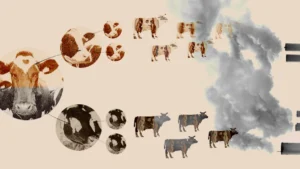
From an environmental perspective, the optics of leather have been challenged by the rise of vegan alternatives. Recent studies, including those published in ACS Sustainable Chemistry and Engineering, have highlighted that the global average emissions for finished bovine leather are significantly higher than those of synthetic alternatives. However, this data often conflates industrial, high-intensity feedlot leather with regenerative, pasture-based hide production.
The nuanced reality is that when cattle are raised on species-rich, sequestering grasslands, the hide is essentially a byproduct of a system that contributes to carbon drawdown. By failing to utilize these hides, the industry effectively discards a durable, natural material while simultaneously increasing reliance on fossil-fuel-derived synthetics.
The Technological and Craft Renaissance
The revival of British leather is not an attempt to return to the inefficient industrial practices of the 20th century. Instead, it relies on a marriage of traditional craft and modern data-driven verification.
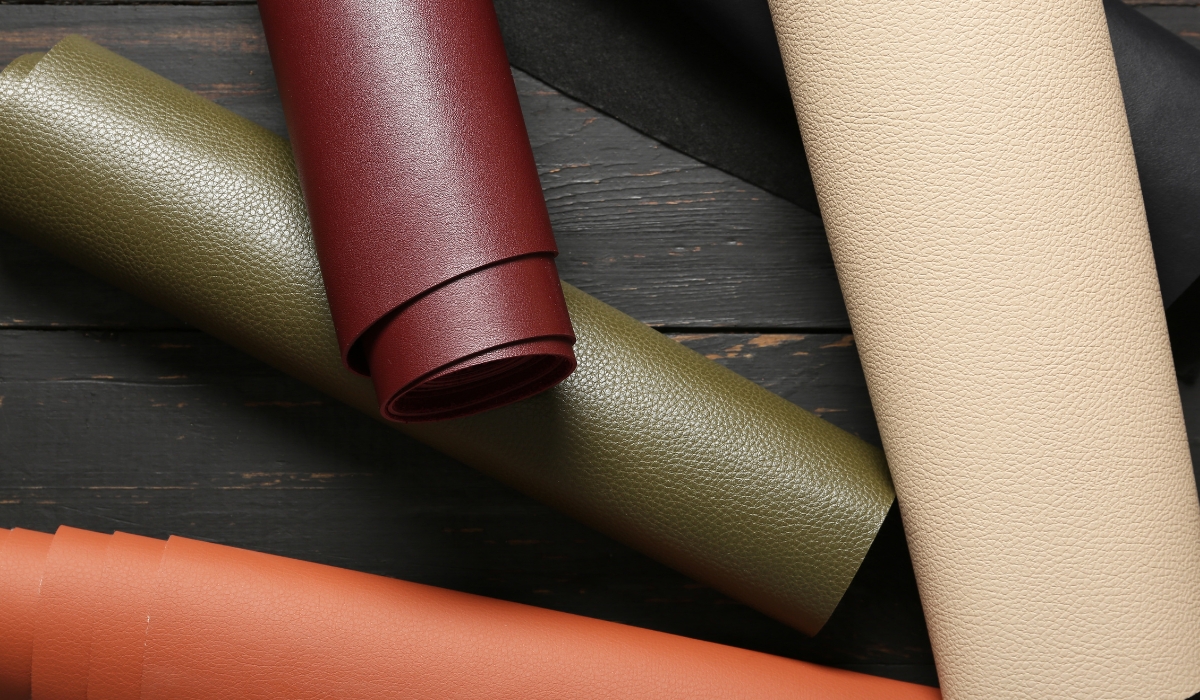
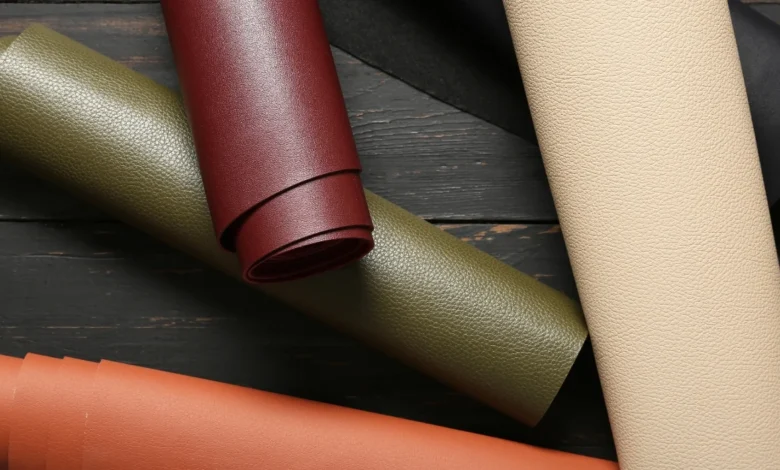
The tanning process is the most significant point of divergence. Conventional industrial tanning relies on chromium salts, a process that is rapid but environmentally taxing, often resulting in heavy water usage and the discharge of toxic heavy metals. In contrast, artisanal tanneries like Thomas Ware and Sons in Bristol have pivoted toward vegetable-based tanning. This ancient method utilizes tannins extracted from bark and other organic matter. While it takes months rather than days to process a hide, the result is a biodegradable, high-quality material that avoids the toxic byproducts of the chemical-intensive alternative.
The Role of Traceability and Global Farm Metrics
For this revival to scale, it requires more than just artisanal skill; it requires rigorous verification. The Global Farm Metric (GFM) has emerged as a crucial tool in this transition. By providing a standardized framework to measure the environmental and social performance of farms, the GFM allows luxury brands to move beyond vague "sustainable" marketing.
Luxury brands are now able to procure leather with complete traceability, knowing that the animals were raised on pasture-based systems that support biodiversity and animal welfare. This transparency is the primary justification for the premium price tag associated with British Pasture Leather. As regulatory bodies in the EU and UK tighten requirements regarding deforestation-free supply chains and carbon disclosure, this level of forensic traceability is becoming a business necessity rather than a luxury niche.
Industry Implications and Future Outlook
The broader implications for the UK economy are significant. By re-integrating the leather industry into the agricultural supply chain, the UK has the potential to revitalize rural economies. Small-scale farmers, such as Wiltshire’s Andy Rumming, are already experimenting with new business models, including direct-to-consumer workshops that allow the public to interact with the material production process. This re-engagement fosters a deeper understanding of the value of animal products, potentially shifting the conversation from "leather vs. vegan" to "circular vs. linear" production.
However, challenges remain. The industry must overcome the entrenched perception that leather is inherently unsustainable. This requires a concerted effort to differentiate between the environmental impacts of global, industrial-scale cattle production and the positive outcomes associated with regenerative, pasture-fed systems in the UK.
Furthermore, the price disparity between mass-produced synthetics and artisanally crafted leather remains a barrier to mass adoption. For this sector to reach a stable equilibrium, the fashion industry must be willing to internalize the true costs of production—including the fair payment of farmers and the maintenance of essential local infrastructure like abattoirs.
Conclusion: A Path Forward
The "impossible dream" of a sustainable, domestic leather industry is currently being proven as a viable economic model. While the sector will likely never return to the massive scale of the pre-industrial era, it is carving out a high-value, high-integrity niche that aligns with the values of the modern consumer.
As luxury brands continue to grapple with their environmental responsibilities, the ability to trace a handbag or a pair of boots back to a specific, regenerative pasture in the British countryside will become the new gold standard. By closing the loop on agricultural waste, supporting the survival of local abattoirs, and championing the craft of traditional tanning, the UK is positioning itself at the forefront of a circular fashion revolution. The future of British leather, it seems, is not in the past, but in the intelligent, data-backed integration of tradition and technology.