Walking the Ancient Path: How Spain’s Transhumant Pastoralism Offers a Blueprint for Modern Food Security

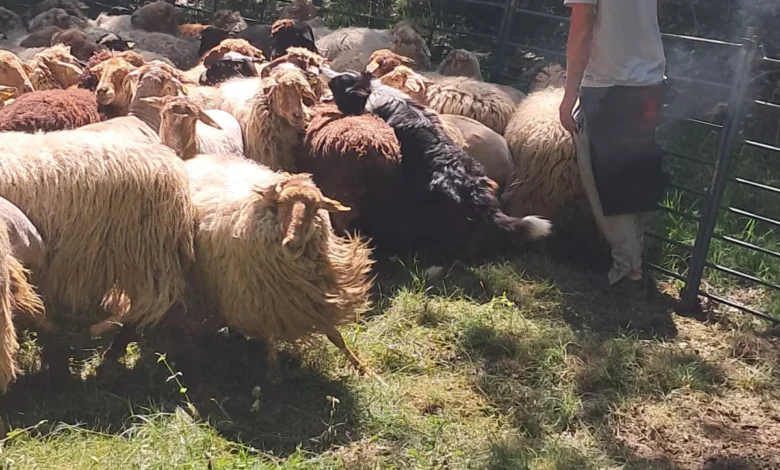
In the rugged, high-altitude terrain of the Sierra del Rincón, northeast of Madrid, a quiet revolution is taking place that relies on an ancient technology: walking. As climate change accelerates, bringing unprecedented drought and a heightened risk of catastrophic wildfires to the Iberian Peninsula, farmers like those in the Los Apisquillos Collective are looking backward to move forward. Transhumance, the seasonal movement of livestock between high mountain pastures and low-lying winter plains, is no longer merely a cultural artifact; it is increasingly viewed by ecologists and agricultural experts as a critical strategy for landscape management and food system resilience.
The practice involves the movement of flocks across a vast, state-protected network of ancient droving routes known as cañadas. These ecological corridors, which span approximately 125,000 kilometers across Spain, have been integral to the nation’s geography since the Middle Ages. In 1273, King Alfonso X, known as "The Wise," granted official recognition to these routes and established the Royal and Honoured Council of the Mesta, a powerful association of transhumant farmers that helped formalize the legal and economic framework for the practice.
A Chronology of a Resilient Practice
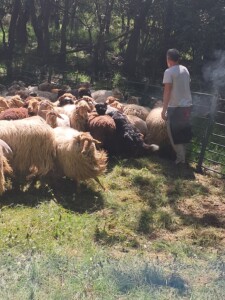
The rhythm of transhumance is dictated by the seasons rather than the convenience of industrial logistics. In the autumn, as temperatures drop in the mountains, the Los Apisquillos Collective—a cooperative established 26 years ago in the village of Puebla de la Sierra—begins the arduous journey. They guide a flock of approximately 500 sheep and goats, primarily rare native breeds like the Rubia de El Molar and the Negra Castellana, over 240 kilometers toward the Casa de Campo, the largest public park in Madrid.
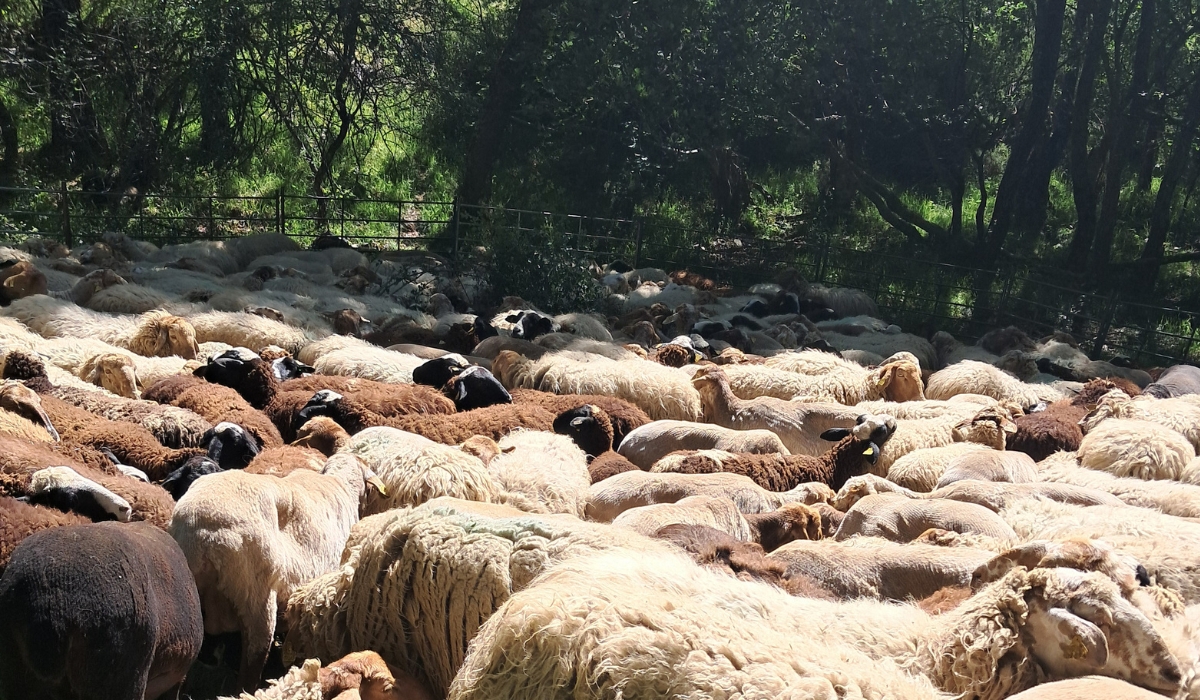
This winter residency serves a dual purpose. It provides the animals with accessible grazing in a milder climate, allowing the delicate, high-altitude mountain pastures of the Sierra del Rincón to recover and regenerate. In the spring, after the lambing season concludes in the sheltered environment of the park, the flock begins the return trek to the mountains, arriving in time for the annual shearing festival. This cycle of migration has been disrupted in the last half-century by rural depopulation, the rise of intensive, grain-fed livestock farming, and the physical obstruction of traditional drove roads by modern infrastructure.
The Ecological Imperative: Fire Mitigation and Biodiversity
The decline of transhumance has left significant gaps in the landscape management of rural Spain. Historically, the continuous movement of large, grazing herds acted as a natural check on vegetation growth. As pastoralism has shifted toward stationary, truck-based transport, the cañadas—once bustling "ecological highways"—have become overgrown with scrub and dense biomass.
According to data from the Spanish Ministry for the Ecological Transition, the abandonment of traditional grazing practices has contributed to a surge in uncontrollable wildfires. When livestock no longer graze these corridors, the accumulation of dry brush provides the "fuel load" necessary for fires to travel rapidly across the countryside. Manuel Bahíllo, secretary for the conservation organization Trashumancia y Naturaleza, notes that transhumance is a form of "living fire suppression." By grazing the land, the livestock reduce the flammable biomass that would otherwise be left to dry under the summer sun.
Environmental researchers suggest that this is a matter of scale. A single herd can clear hectares of undergrowth that would require expensive mechanical clearing or chemical interventions. Furthermore, the animals act as mobile seed dispersers, maintaining high levels of biodiversity within the cañadas. By moving across diverse microclimates, the flocks preserve genetic resilience, helping to sustain breeds that are better adapted to heat and drought than high-output, industrial breeds.
The Economic and Cultural Debate
Critics of transhumance often point to the high labor costs and the logistical ease of transporting animals by truck. However, proponents like Lawrence Sudlow, an environmental consultant with Trashumancia y Naturaleza, argue that the economic calculus is fundamentally flawed. "We are measuring success by the speed of transport, rather than the health of the ecosystem," Sudlow explains. He maintains that transhumance should be recognized not just as a farming method, but as a "cultural right" and a vital public service.
The argument for the practice is supported by a growing body of evidence regarding the nutritional quality and sustainability of extensive livestock farming. Animals that spend their lives moving and foraging on varied, seasonal diets produce different nutritional profiles in their meat and dairy compared to those confined in intensive operations. Juan García, a prominent advocate with Ecologists in Action, emphasizes that the preservation of the 125,000 kilometers of livestock trails is essential to maintaining the "social fabric" of rural Spain. "The drove routes were designed to connect the peninsula," García states. "When you lose the ability to move through them, you lose the connection between the mountain and the plain, between the producer and the landscape."
Global Lessons in Food Security
The challenges faced by Spanish pastoralists resonate far beyond the Iberian Peninsula. During a chance encounter while traveling to Madrid, a local farmer—Julie Baber—recounted a conversation with a Somali taxi driver who spoke of his 90-year-old grandmother. She manages a herd of 2,000 camels, goats, and sheep, traveling up to 45 kilometers in search of seasonal grazing. This anecdote underscores a universal reality: in arid and semi-arid climates, the most resilient food systems are those that are designed to be mobile.
As climate change intensifies, the lessons from both the Somali pastoralist and the Spanish shepherd converge. Food security in the 21st century may depend less on the total intensification of production and more on the ability to manage ecosystems with the same fluidity that traditional pastoralists have employed for millennia.
Implications for Policy and Land Use
The movement to revive transhumance is now intersecting with European agricultural policy. There is increasing pressure on the European Union’s Common Agricultural Policy (CAP) to shift subsidies away from purely output-based models toward those that reward environmental stewardship. Recognizing transhumant routes as "green infrastructure" could provide the necessary funding to clear physical obstructions on the trails and provide insurance and health services for the shepherds who walk them.
However, the barriers remain significant. Rural depopulation continues to drain the expertise needed to manage these large flocks. The work is physically demanding, lonely, and lacks the institutional support afforded to modern agribusiness. Yet, for the members of the Los Apisquillos Collective, the act of walking remains a form of protest and a commitment to a sustainable future.
The philosophy of "solvitur ambulando"—it is solved by walking—appears to be more than a poetic aphorism for these farmers. It is a practical acknowledgement that some of the most complex problems in modern agriculture, such as landscape degradation, loss of biodiversity, and rising fire risks, can be addressed through the deliberate, seasonal interaction between humans, animals, and the land. By allowing the sheep to do what they have done for centuries, the shepherds of Spain are not merely keeping a tradition alive; they are maintaining the functional integrity of the landscape against an increasingly volatile climate. As global food systems face the pressures of a warming world, the ancient, sun-drenched paths of Spain may hold the key to a more stable and sustainable path forward.