How Contemporary Jewish Cookbooks Reflect, Shape, and Challenge Modern Cultural Identity


The intersection of culinary publishing and cultural identity has long provided a fertile ground for examining how immigrant groups assimilate, preserve, and reimagine their heritage. In recent years, a surge of contemporary Jewish cookbooks has entered the literary and culinary marketplace, prompting a profound discussion regarding what it means for a recipe collection to stake a claim on Jewishness. Food writers and critics Charlotte Druckman and Rebecca Flint Marx, both based in New York City, recently convened to analyze five prominent titles published over the past decade. Their discussion sheds light on how these books navigate the complexities of diaspora, assimilation, regionalism, and secular versus religious definitions of identity.
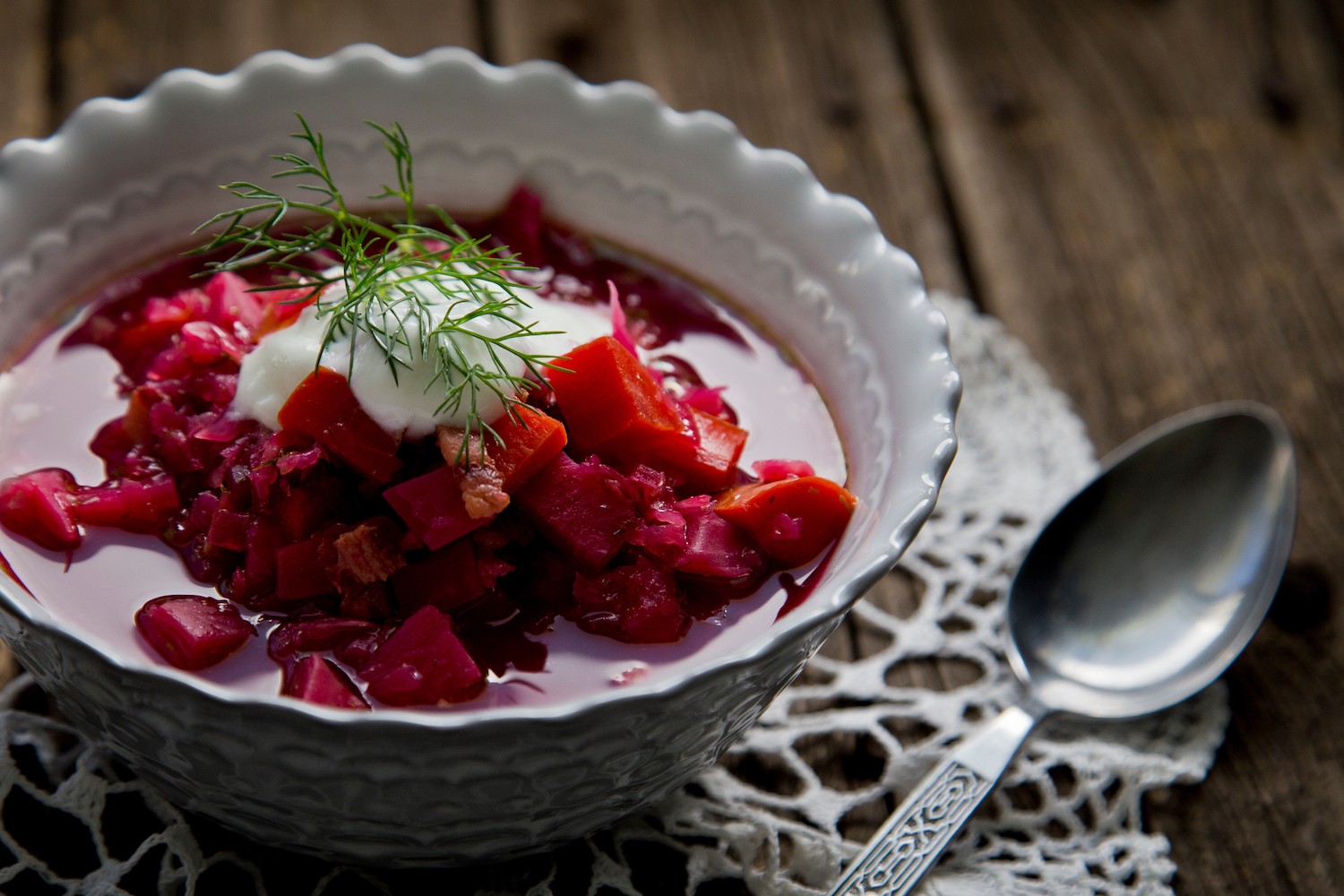
The landscape of Jewish cuisine is inherently diasporic, characterized by shifting geopolitical borders, forced migrations, and the blending of local ingredients with ancient traditions. Defining Jewish food, therefore, is inextricably linked to the broader challenge of defining Jewishness itself—a concept that spans religious, cultural, ethnic, and national dimensions. As the culinary industry has grown increasingly fixated on modernizing and elevating traditional foods, Jewish cookbooks have faced a unique tension between honoring ancestral roots and catering to contemporary American food culture.
Chronological Evolution of Modern Jewish Cookbooks
The recent renaissance in Jewish culinary publishing gained significant momentum in the mid-2010s, riding the wave of the broader artisanal food movement. Writers and chefs began re-examining Old World traditions with the same lens applied to other global cuisines undergoing elevation and reinvention.
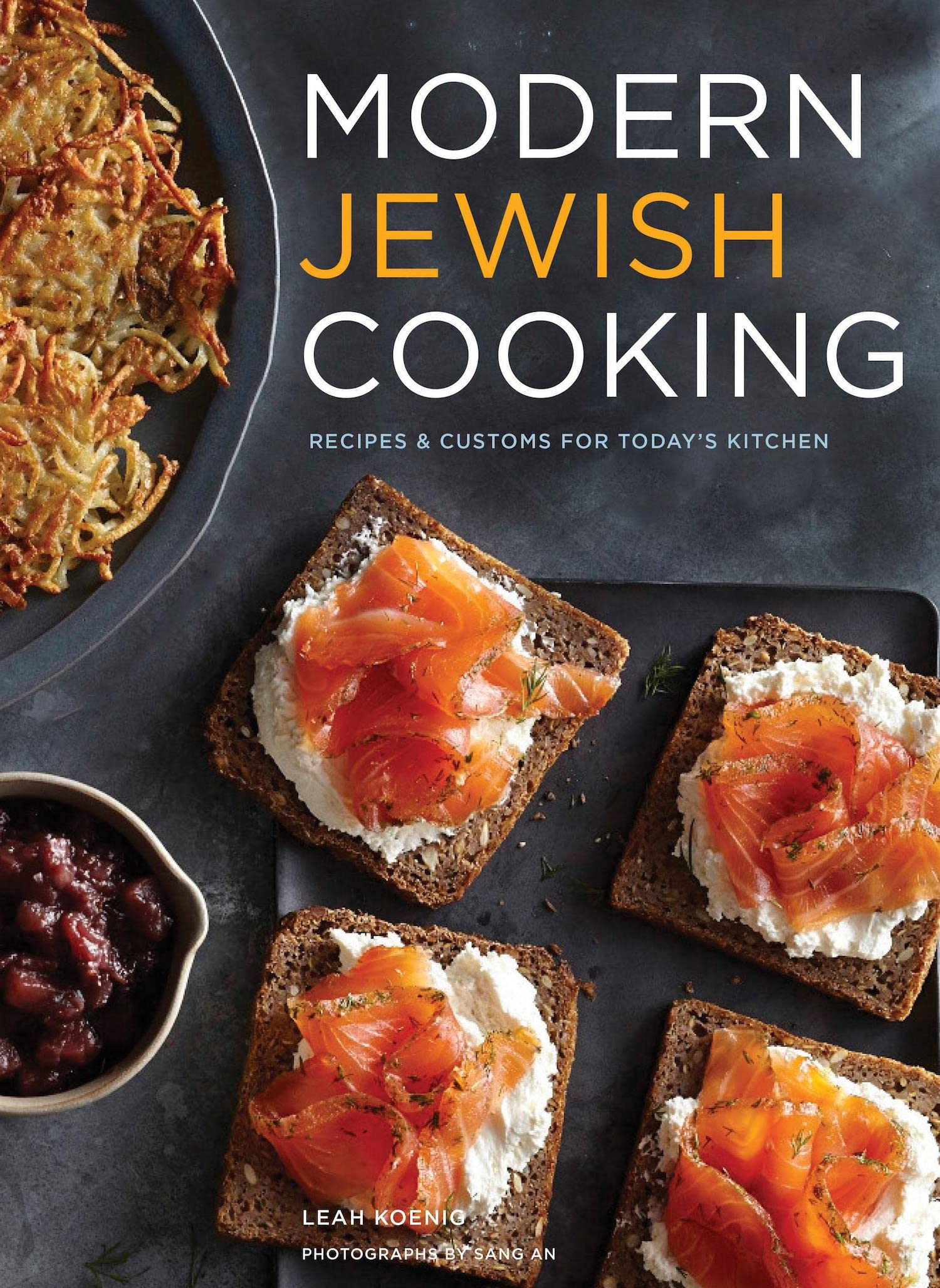
In 2015, Leah Koenig published Modern Jewish Cooking, a volume that Flint Marx and Druckman identify as a turning point. The book successfully introduced a restrained, elegant approach to traditional dishes without relying on gimmicks or cliches. However, the critics noted that the term "modern" often serves as a polite euphemism for "assimilated" into the American food landscape. While the recipes proved reliable and balanced, the book largely skirted explicit explanations of what makes specific vegetable-forward dishes—such as fennel gratin or pan-roasted turnips—inherently Jewish, assuming a readership already familiar with cultural touchstones.

Following this trend toward cultural introspection and debate, Artisan published The 100 Most Jewish Foods in 2019, edited by Alana Newhouse. Rather than functioning strictly as a practical manual for home cooks, the book emerged as a collection of provocative, essay-driven arguments exploring the philosophical boundaries of Jewish culture. By posing questions about unexpected items—such as the cultural resonance of a used tea bag—the book embraced a distinctly intellectual and contentious tone. Yet, critics observed that its heavy reliance on an Eastern European, New York-centric perspective underscored a broader issue within Jewish food media: the marginalization of Sephardic, Mizrahi, and Black Jewish narratives in favor of a monochromatic representation.
Shifting Cultural Lenses and the Rise of Lifestyle Branding
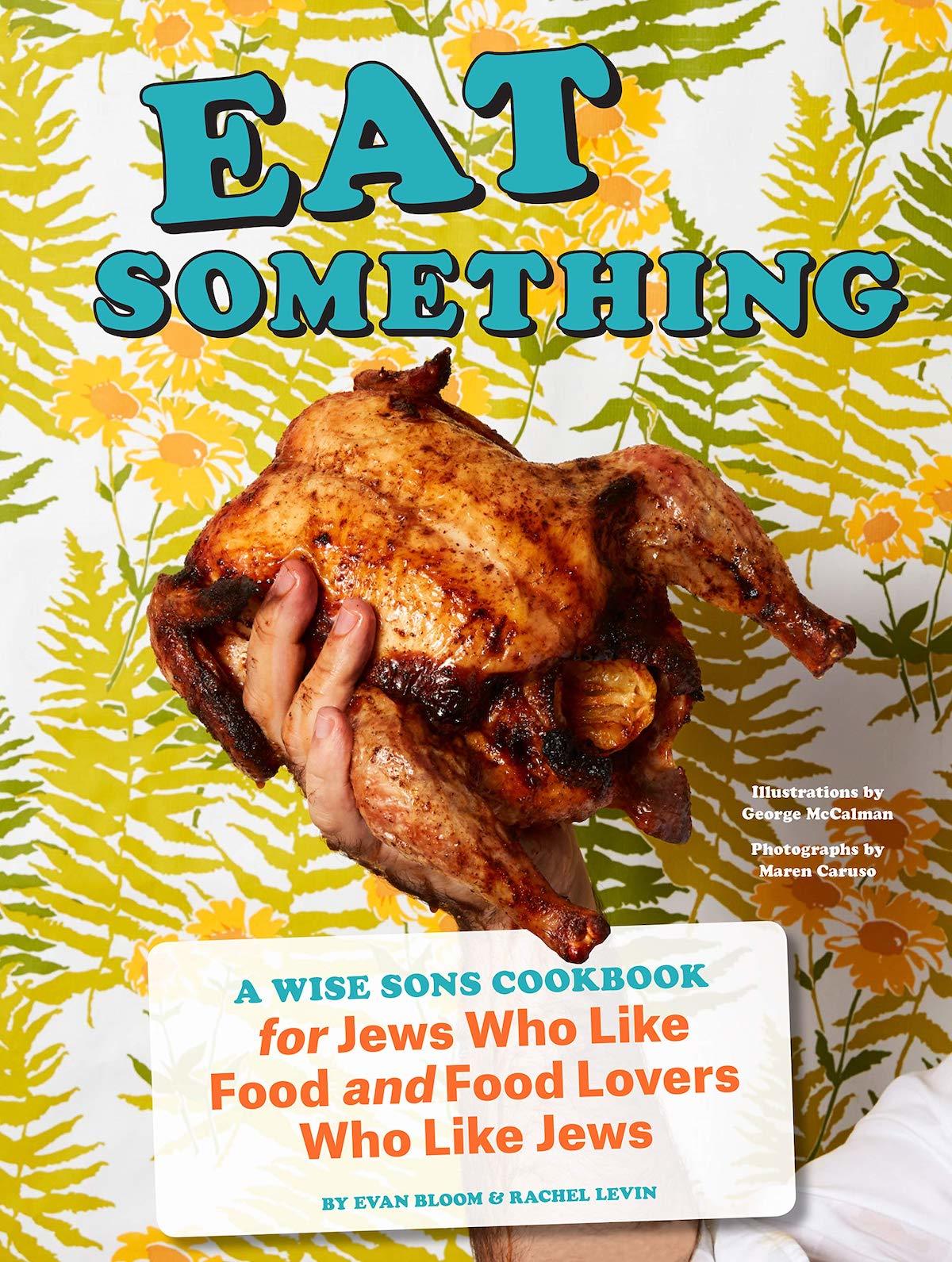
As the genre evolved toward the end of the decade, subsequent publications began tailoring their approaches toward specific generational demographics and lifestyle trends. Eat Something: A Wise Sons Cookbook for Jews Who Like Food and People Who Like Jews (2020), authored by Evan Bloom and Rachel Levin, leaned heavily into a Gen-X, suburban nostalgia. Reminiscent of campy cultural retrospectives, the book channeled the communal energy and chaotic celebrations of suburban coming-of-age rituals, albeit occasionally risking caricature in its packaging of religious traditions.
Conversely, Jake Cohen’s 2021 release, Jew-Ish: Reinvented Recipes from a Modern Mensch, provoked sharp criticism from Druckman and Flint Marx for its commercialized framing of identity. The volume’s premise—which suggested that individuals who do not regularly attend synagogue occupy a lesser, hyphenated category of Jewishness—was viewed as reductive and exclusionary. By packaging Friday night Shabbat dinners as an aspirational lifestyle brand characterized by decontextualized trends like pumpkin spice babka, the book illustrated the risks of reducing a multi-millennial religious and cultural heritage to marketable aesthetics.

A Return to Global Context and Journalistic Rigor
In stark contrast to lifestyle-driven publications, Faith Kramer’s 52 Shabbats (December 2021) offered a return to journalistic depth and historical context. The book approached the weekly Sabbath through a global lens, meticulously tracing how Jewish communities across disparate geographies—from Shanghai to North Africa—adapted local ingredients while preserving ritual continuity.
Kramer’s comparative recipe structure highlighted the intrinsic fusion nature of Jewish cuisine, mapping out how geopolitical migrations and shifting borders have continuously shaped culinary practices. By embedding demographic data and historical migration patterns into the narrative, the book successfully anchored food within the broader tapestry of diaspora and survival, providing readers with both practical recipes and rigorous cultural education.
Broader Implications for Culinary Publishing

The critical dialogue surrounding these five volumes highlights a fundamental tension in modern food publishing: the balancing act between commercial marketability and cultural authenticity. As readers become increasingly discerning, the demand for nuanced, geographically grounded, and inclusive narratives continues to grow.
The analysis by Druckman and Flint Marx emphasizes that food writing about diasporic cultures cannot successfully detach recipes from their historical and human contexts without risking stereotype or trivialization. Ultimately, these cookbooks serve not merely as instructions for the kitchen, but as barometers of how contemporary generations negotiate their place within a complex, multifaceted global heritage.