The Intersection of Renewable Energy and Agriculture: Can Solar Power and Regenerative Farming Coexist?

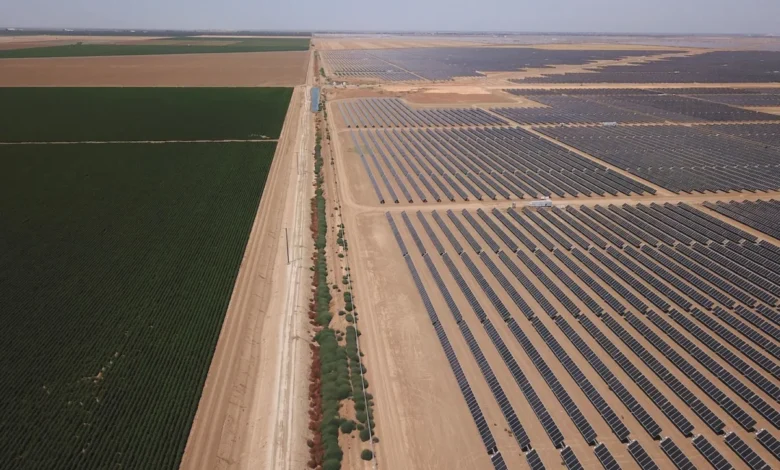
The global transition toward a low-carbon economy has precipitated an unprecedented boom in renewable energy infrastructure, yet this green transition is increasingly colliding with another equally critical imperative: global food security. Across the United States and international markets, fertile agricultural lands that have spent generations producing conventional commodity crops or pioneering regenerative practices are being leased to utility-scale solar energy developers. This land-use conflict places farmers, policymakers, and environmentalists at a complex crossroads, forcing society to weigh the urgent necessity of mitigating climate change against the imperative of preserving productive farmland.
The Genesis of the Land-Use Dilemma
To understand the friction between solar development and agriculture, one must examine the shifting economic realities of the American farmer. For decades, traditional commodity farming—reliant on heavy chemical inputs, extensive tilling, and monoculture crop production—has faced shrinking profit margins, volatile market prices, and mounting environmental pressures. In response to these systemic challenges, a growing cohort of agriculturalists has turned toward regenerative agriculture.
Around 2011, Jonathan and Kaylyn Cobb embarked on a mission to restore a few hundred acres of leased and family-owned farmland in central Texas. Rather than growing conventional row crops like corn and cotton, the Cobbs introduced a diverse mix of native prairie plants, including silver bluestem, yellow Indian grass, and Maximilian sunflowers. Their objective was to rebuild soil carbon, enhance water retention, and foster nutrient cycling. By eventually integrating livestock to graze in patterns mimicking wild bison herds, Green Fields Farm became a celebrated exemplar of regenerative agriculture.
Advocates of regenerative farming argue that shifting even a fraction of global agricultural land to carbon-storing practices could dramatically reduce greenhouse gas concentrations. According to various environmental estimates, increasing soil organic carbon by just two percent could sequester enough atmospheric carbon to return greenhouse gases to safe levels. Consequently, regenerative agriculture has been widely promoted as a vital climate solution. However, the economic hurdles of transitioning away from conventional methods remain formidable. Farmers often face steep startup costs, steep learning curves, and cultural resistance from older generations accustomed to traditional, chemically dependent farming methods.
The Economic Pull of Utility-Scale Solar
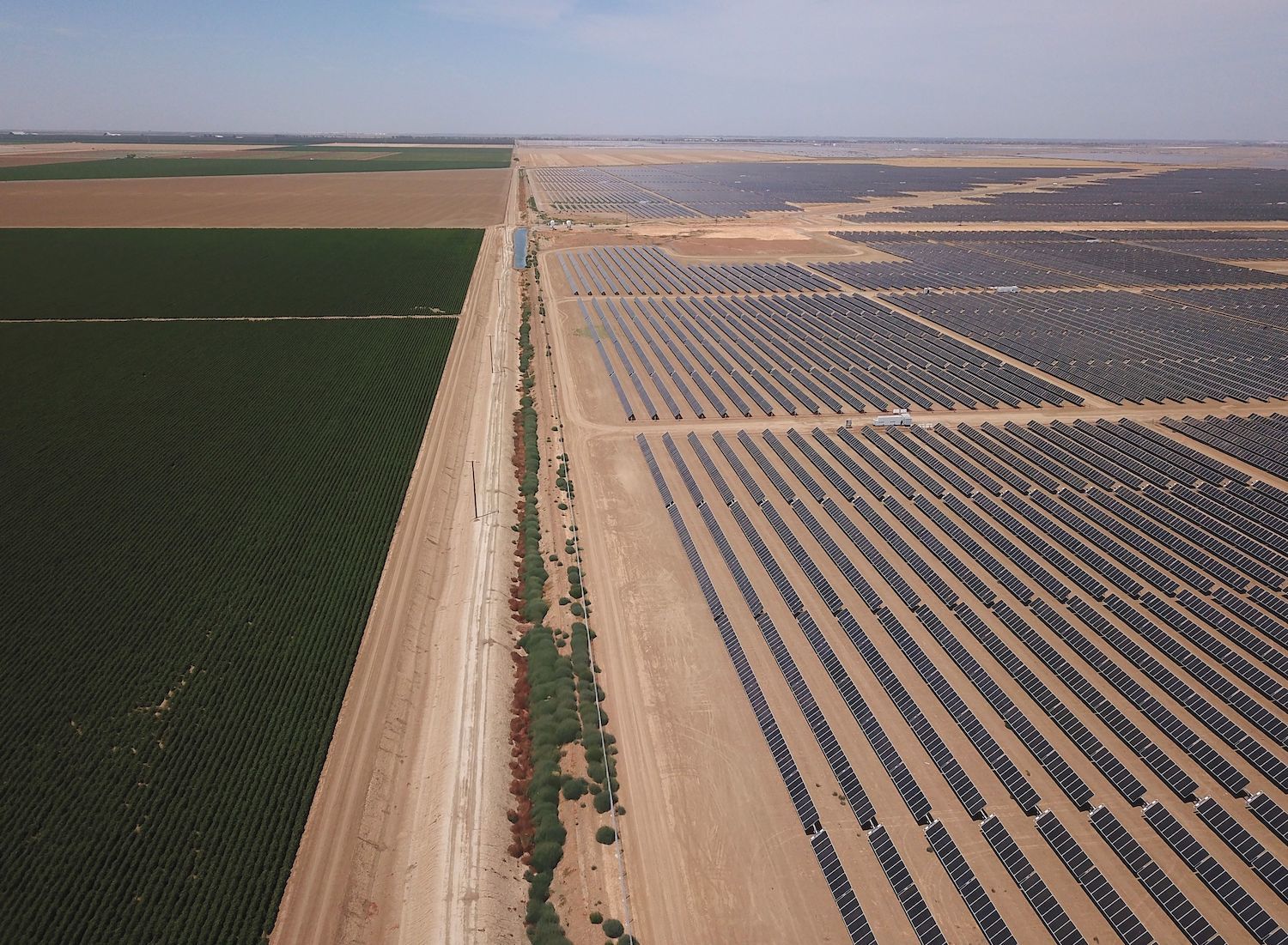
While pioneers like the Cobbs work to restore the ecological health of their soils, the broader agricultural landscape faces an aggressive counter-trend: the rapid expansion of solar energy installations. Driven by federal climate targets and declining photovoltaic hardware costs, utility-scale solar capacity in the United States surged by 26 percent between 2019 and 2020 alone.
For many landowners, leasing acreage to solar developers offers a guaranteed, fixed income that vastly outperforms the financial returns of traditional farming or the uncertain profitability of regenerative agriculture. According to the American Farmland Trust (AFT), U.S. farmers unloaded roughly 11 million acres of agricultural land for development between 2001 and 2016. A significant portion of this lost farmland has been permanently converted into non-agricultural uses, including suburban expansion and commercial energy production.
For aging farmers operating on fixed incomes or facing retirement without an agrarian successor, the guaranteed revenue from a solar lease is exceptionally difficult to refuse. For instance, an 80-acre parcel dedicated to solar generation can yield tens of thousands of dollars annually—revenue that far surpasses typical grazing or crop yields. Yet, every acre surrendered to solar infrastructure represents a permanent or long-term loss of active food-producing capacity, eroding the surrounding agricultural infrastructure, local supply chains, and community knowledge base.
Global Responses and the Promise of Agrivoltaics
Recognizing the acute tension between decarbonization and food security, governments and researchers worldwide are exploring innovative frameworks to harmonize solar energy production with agriculture. This emerging discipline, known as agrivoltaics, involves the simultaneous use of land for both solar photovoltaic power generation and agricultural production, such as crop cultivation or livestock grazing.
International pioneers have led the legislative charge in adopting agrivoltaic frameworks. Japan established regulatory standards for "solar sharing" as early as 2013, requiring commercial solar projects built on farmland to maintain active crop or livestock production underneath or around the panel arrays. More recently, Germany enacted legislation to encourage farmers to integrate solar installations across 15 percent of their agricultural land, establishing a legal framework for the parallel use of rural acreage for both food and energy. German policymakers emphasized that maintaining domestic agricultural production is paramount for safeguarding long-term food security, even if combined land use incurs higher initial installation costs.
In the United States, federal agencies and research institutions are actively investigating the economic and agronomic viability of domestic agrivoltaics. Jordan Macknick, lead energy-water-land analyst at the National Renewable Energy Laboratory (NREL) in Golden, Colorado, directs the InSPIRE project. Funded by the U.S. Department of Energy, the initiative evaluates agrivoltaic systems across 25 locations nationwide, studying how elevated or strategically spaced solar arrays impact soil moisture, crop yields, and erosion rates.
Overcoming Technological and Financial Barriers
Despite its theoretical promise, the large-scale implementation of agrivoltaics faces significant technological and financial bottlenecks. Standard utility-scale solar installations typically feature low-slung panels positioned close to the ground to minimize structural expenses and optimize electricity capture. These conventional configurations preclude the operation of large agricultural machinery, such as commercial combines, and restrict the growth of tall crops or large livestock.
Modifying solar infrastructure to accommodate agricultural activity requires taller mounting structures, heavier steel support posts, and wider spacing between panel rows—all of which drive up capital expenditures. Mitch Hunter, research director at the American Farmland Trust, notes that while the concept possesses immense potential, the industry remains in its infancy.
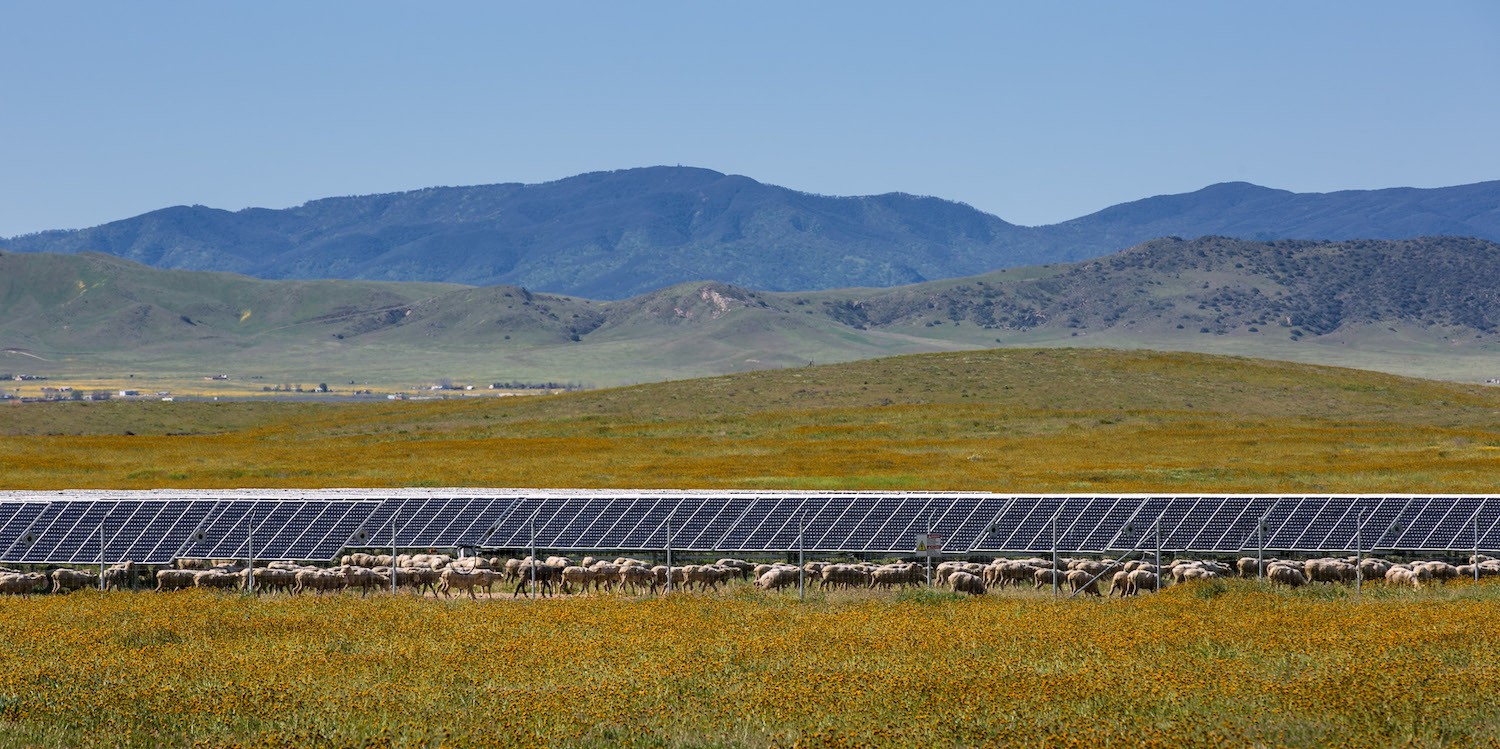
Basic agrivoltaic models have found success primarily through sheep grazing. Sheep, possessing a lower stature than cattle, can graze safely beneath solar arrays while simultaneously functioning as natural landscape managers by keeping vegetation trimmed around the panels. This practice reduces maintenance costs for solar operators while providing forage for livestock. However, scaling these systems to accommodate cattle ranching, heavy machinery, or diverse row crops requires sophisticated tracking panels and optimized rainfall management systems that remain economically prohibitive for many producers.
Preserving the Future of American Agriculture
As the renewable energy transition accelerates, striking a sustainable balance between clean power generation and agricultural preservation remains an urgent policy challenge. Experts agree that solutions must extend beyond technological innovation to encompass structural financial support for working lands. Programs that utilize agricultural conservation easements—such as those administered by the Marin Agricultural Land Trust and the American Farmland Trust—play a crucial role by purchasing development rights from landowners to ensure that acreage remains dedicated to farming in perpetuity.
Ultimately, protecting the future of agriculture requires policymakers, energy developers, and rural communities to actively collaborate on systemic land-use planning. Without intentional frameworks that incentivize dual-use solar technologies and financially empower regenerative farmers, the green energy transition risks undermining the very agricultural foundation upon which global food security depends.
Related posts: