Solutions for Local Slaughter: Small Abattoirs in Local Meat Supply Chains – Groundswell 2026

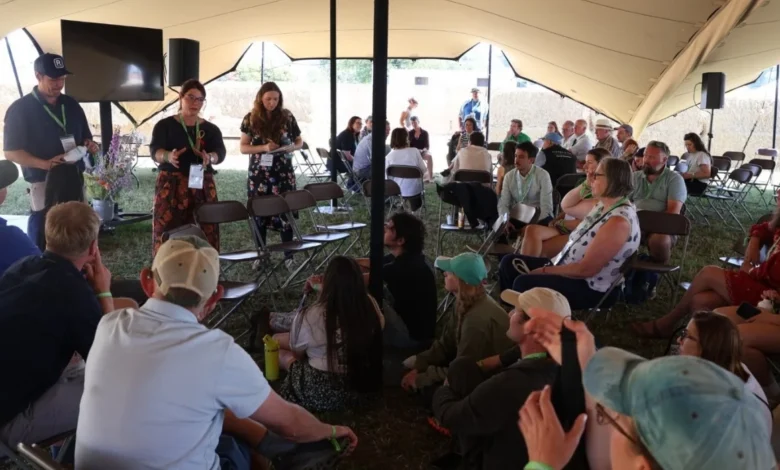
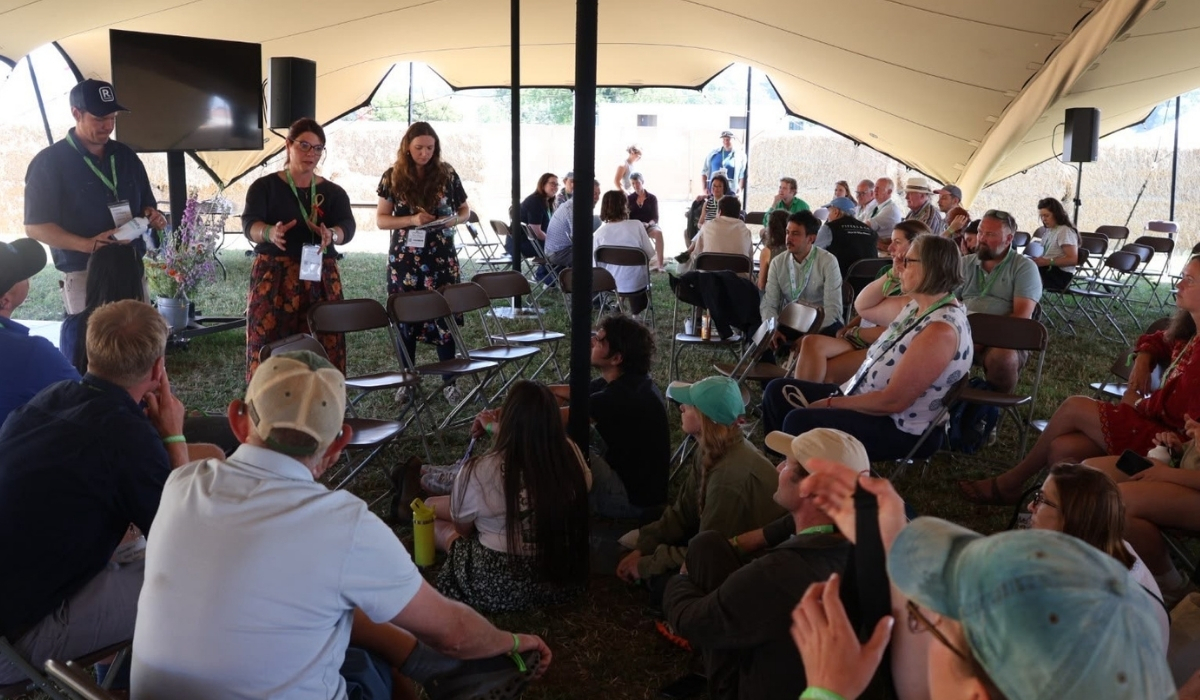
The structural integrity of the United Kingdom’s local meat supply chain remains a critical concern for food security, animal welfare, and rural economic resilience. At the Groundswell 2026 agricultural festival, the Sustainable Food Trust (SFT) convened a high-level panel to address the ongoing decline of small-scale processing facilities. Chaired by Megan Perry, SFT’s Head of Policy and Campaigns, the session, titled "Solutions for Local Slaughter: Small Abattoirs in Local Meat Supply Chains," served as a forum for industry experts, policymakers, and farmers to dissect the systemic barriers preventing the establishment and sustainability of local abattoirs.
Contextualizing the Decline: A Historical Perspective
The UK has witnessed a precipitous drop in the number of red meat abattoirs over the last three decades. Industry data suggests that in the early 1990s, there were over 1,000 licensed slaughterhouses operating across the country. By 2026, that figure has dwindled to fewer than 250, with a disproportionate impact on the small-scale, independent sector. This consolidation has forced livestock farmers to transport animals over increasingly long distances, creating a "slaughterhouse desert" in several rural regions.
This decline is attributed to a combination of factors: rising regulatory compliance costs, aging infrastructure, severe labor shortages, and the centralization of retail supply chains that favor large-scale, high-throughput facilities. The implications for the agricultural sector are profound, including increased carbon footprints from transport, elevated stress levels for livestock, and the erosion of the "farm-to-fork" traceability that defines high-quality, local meat production.
The Groundswell 2026 Deliberations
The SFT-led session at Groundswell 2026 functioned as an interactive workshop, moving beyond theoretical discussion to address the practical, operational, and financial hurdles faced by those attempting to revitalize local slaughter capacity. Participants engaged in breakout groups to explore a variety of critical themes, ranging from business modeling to the complexities of veterinary oversight.
Financial Viability and Business Structures
One of the primary challenges identified during the event is the capital-intensive nature of setting up an abattoir. Participants discussed the necessity of moving away from traditional, sole-proprietor models toward community-owned, cooperative, or social enterprise frameworks. By spreading the financial risk across a collective of farmers and local investors, these models can potentially stabilize the cash flow of a facility that may otherwise struggle with the high fixed costs of compliance and maintenance.
Funding remains a significant bottleneck. While government grants exist, they are often difficult to access or fail to cover the ongoing operational deficits that small facilities face in their first few years. The consensus among the panel was that government policy must shift from providing one-off capital grants to creating a more supportive environment that includes tax incentives and lower regulatory burdens for micro-abattoirs.
The Regulatory and Veterinary Landscape
The role of Official Veterinarians (OVs) emerged as a contentious point during the discussion. While high standards of hygiene and welfare are non-negotiable, the cost of funding veterinary presence is disproportionately high for small-scale operations compared to larger plants. Participants argued that the current inspection model does not adequately account for the scale of throughput, effectively penalizing smaller businesses for their size.
Regulatory reform was a recurring theme. Many attendees noted that EU-derived regulations, inherited and maintained post-Brexit, are often "one size fits all," designed for massive industrial plants rather than artisanal, small-batch processors. There was a strong call for "proportional regulation," where safety standards remain rigorous but compliance mechanisms are tailored to the risk profile and output level of the facility.
Mobile Abattoirs: The Technological Frontier?
The potential of mobile abattoir units—facilities that travel to the farm rather than requiring the transport of live animals—generated significant interest. Mobile units offer a compelling solution to the "stress of transit" issue, as animals are slaughtered in their familiar environment. However, the regulatory hurdles for mobile units remain substantial. Licensing, waste disposal, and the mobility of veterinary inspections create a complex legal landscape that many local authorities are currently ill-equipped to handle. The discussion highlighted that while mobile units are a viable long-term solution, they require a dedicated regulatory "sandbox" to prove their feasibility without being stifled by bureaucracy.
Recruitment, Training, and the Skills Gap
The meat processing industry is currently suffering from a chronic shortage of skilled butchers and abattoir technicians. The aging workforce, combined with a lack of interest from younger generations in entering the profession, threatens the operational viability of any new facility. The panel emphasized that revitalizing local slaughter is as much a labor policy issue as it is an agricultural one. Developing apprenticeship programs and professionalizing the role of the abattoir worker are essential steps to ensure that facilities can operate reliably once established.
Case Study: The North Cotswold Abattoir
The session also provided a platform to discuss successful, albeit rare, examples of innovation, such as the North Cotswold Abattoir. This facility is frequently cited as a model for how a small, community-focused plant can survive through diversified service offerings, such as bespoke cutting, packing, and direct-to-consumer sales. By providing services beyond just slaughter—such as butchery training and local brand support—the facility has managed to integrate itself deeply into the local economy, proving that a localized supply chain can be economically robust if it offers value-added services.
Implications and Policy Recommendations
The broader implication of the Groundswell 2026 session is clear: without intervention, the UK’s local meat sector faces a structural collapse. The SFT and its partners are advocating for a multi-pronged approach:
- Regulatory Reform: Moving toward risk-based, proportional inspection models that do not unfairly penalize low-throughput facilities.
- Infrastructure Support: Prioritizing the development of "hub and spoke" models, where central processing facilities are supported by smaller, specialized units.
- Financial De-risking: Government-backed loan guarantees or long-term operational subsidies to bridge the gap during the critical start-up phase for new abattoirs.
- Skills Investment: Targeted training grants to attract new talent into the butchery and slaughter sector, addressing the looming demographic cliff.
Looking Ahead
The discussion at Groundswell 2026 underscored that the path forward is not merely about preserving the past, but about innovating for a sustainable future. As consumers show an increasing preference for meat with high animal welfare credentials and low food miles, the demand for local slaughter will only grow.
For those looking to enter the sector, the Abattoir Sector Group has published a comprehensive "Playbook" for small-scale red meat abattoir development. This document provides a foundational guide on navigating the planning, licensing, and financial requirements of opening a facility. As industry leaders continue to press the government for systemic changes, the work being done at events like Groundswell remains the primary driver for progress. The message from the session was unequivocal: local abattoirs are not just an agricultural convenience; they are a vital piece of national infrastructure that requires immediate, informed, and sustained support.
The long-term health of the British meat industry will likely depend on the ability of stakeholders to bridge the divide between local production and national regulation. With the insights shared by experts at Groundswell, the roadmap for that transition is becoming clearer, provided there is the political will to enact the necessary structural reforms.