Beyond Principles: Why regenerative agriculture must be defined by what it delivers

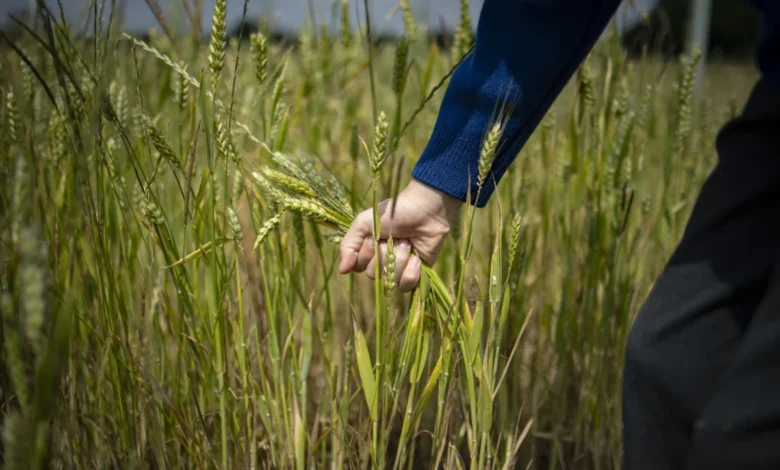
The global conversation surrounding food security and environmental sustainability has shifted significantly over the past five years. As climate change, soil degradation, and biodiversity loss threaten the viability of the world’s food supply, stakeholders have increasingly turned to regenerative agriculture as a potential solution. However, until recently, the term lacked a standardized, global definition. The launch of the Regen10 Outcomes Framework marks a critical transition in this sector: moving away from a prescriptive "checklist" of farming practices toward a robust, outcome-based model that prioritizes measurable environmental and social health.
The Evolution of Regenerative Agriculture
Regenerative agriculture has historically been defined by a set of five core principles: minimizing soil disturbance, keeping the soil covered, maintaining living roots, integrating livestock, and ensuring plant diversity. While these principles provide a foundational roadmap for farmers, they have often been criticized for being too rigid. What works for a wheat farm in the Canadian prairies may be entirely inappropriate for a coffee plantation in Brazil or a mixed-livestock operation in Cornwall, UK.
The realization that context is paramount has led to a paradigm shift. Experts like Olivia Boothman, Projects Manager at the Global Farm Metric, argue that farming is a living system shaped by centuries of land use, local policies, and unique ecological constraints. Consequently, the focus is shifting from "how" a farmer manages the land to "what" the land produces in terms of ecosystem services and human welfare.
A Chronology of the Shift
The necessity for a unified framework became apparent during the global supply chain disruptions of 2020. As the Covid-19 pandemic exposed the fragility of industrialized, centralized food systems, there was a surge in public interest regarding local, resilient food production.
- 2020: The pandemic prompts a widespread re-evaluation of food security. Small-scale, diversified farms demonstrate superior resilience compared to globalized supply chains.
- 2021-2022: The global agricultural community begins to coalesce around the need for standardized metrics. The 4per1000 initiative gains momentum, highlighting the link between soil organic matter and climate mitigation.
- 2023: Consultations intensify among NGOs, farmers’ organizations, and research institutions to reconcile the disparity between theoretical regenerative principles and on-the-ground implementation.
- 2024: The Regen10 Outcomes Framework is formally introduced as the first global attempt to codify success in regenerative agriculture, utilizing the Global Farm Metric as its technical foundation.
Defining Success: The Regen10 Framework
The Regen10 Outcomes Framework represents a departure from traditional certification schemes, which often rely on binary "yes/no" audits regarding the use of synthetic fertilizers or tillage. Instead, the framework establishes a shared vocabulary for success, categorized into key performance indicators that transcend geographical boundaries.
By aligning with international benchmarks like the Sustainable Development Goals (SDGs) and the Kunming-Montreal Global Biodiversity Framework (GBF), Regen10 seeks to harmonize the objectives of diverse actors. Whether a stakeholder is a policymaker in Brussels or a smallholder farmer in Kenya, the framework provides a common language for progress. This is crucial for investment; banks and insurance companies are increasingly looking for ways to quantify the "natural capital" of farms, and a standardized outcomes framework provides the necessary data-driven legitimacy to unlock green financing.
Data-Driven Stewardship
The scientific argument for this transition is rooted in the measurable benefits of soil health. According to data from the 4per1000 initiative, an annual growth rate of 0.4% in soil carbon stocks could significantly mitigate the increase of CO2 in the atmosphere. However, these figures are difficult to capture when management practices vary wildly across the globe.
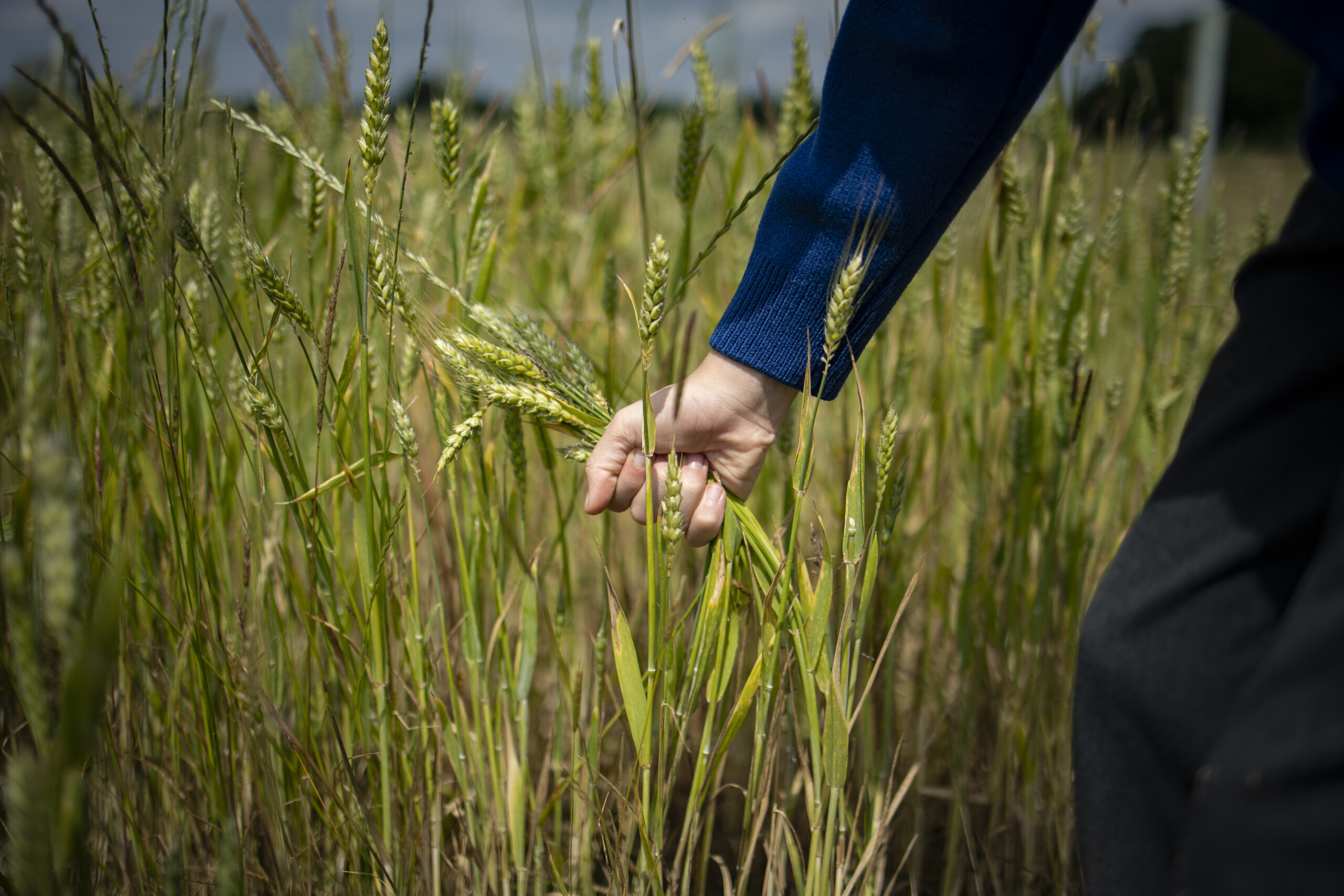
The Global Farm Metric, which underpins the Regen10 approach, emphasizes that a farm is a holistic entity. Key metrics currently tracked include:
- Soil Health: Measured through organic matter levels, microbial diversity, and carbon sequestration rates.
- Water Quality and Availability: Evaluating the farm’s impact on local watersheds and its resilience to drought or flooding.
- Biodiversity: Assessing the presence of pollinators, native flora, and wildlife corridors.
- Social and Economic Viability: Measuring the prosperity of farming livelihoods and the health of the local community.
By tracking these indicators, farmers are empowered to adapt their practices to their specific local context. If a region faces extreme water scarcity, for instance, the framework encourages the farmer to prioritize water-retention outcomes over the blanket application of "cover crops" if those crops exacerbate the water deficit.
Perspectives from the Field
Industry experts and representative bodies have reacted positively to the framework’s flexibility. The consensus among participants in the co-development process—which included Indigenous groups, conservationists, and agronomists—is that "regeneration" is not a destination but a continuous process.
"The danger in labeling a farm as ‘fully regenerative’ is that it suggests the work is finished," says an industry analyst familiar with the framework. "In reality, ecology is dynamic. A farm that was thriving ten years ago may face new challenges today due to climate shifts. An outcomes-based approach forces us to ask the hard, necessary questions: Is the soil healthier than it was last year? Are the livelihoods of the people on this farm more secure? That is the essence of long-term stewardship."
Broader Implications and Future Outlook
The introduction of this framework has profound implications for global food policy. Governments are currently under pressure to reform agricultural subsidies to incentivize environmental benefits rather than mere volume of production. The Regen10 framework offers a ready-made template for these "public money for public goods" policies.
Furthermore, the private sector is expected to utilize these outcomes to improve transparency in supply chains. As consumers demand higher environmental standards, corporations are seeking ways to substantiate their sustainability claims without falling into the trap of "greenwashing." By anchoring their supply chains to the Regen10 framework, businesses can demonstrate tangible, verified progress toward nature-positive outcomes.
However, the transition is not without its challenges. Implementing these frameworks requires significant investment in data collection and monitoring technology, particularly for farmers in the Global South. Ensuring that the framework remains accessible and does not create an administrative burden for smallholders will be a critical hurdle in the coming years.
Ultimately, the Regen10 Outcomes Framework represents a maturation of the regenerative agriculture movement. By shifting the focus from specific tools and techniques to the desired ecological and social outcomes, the framework provides the necessary infrastructure for the global agricultural sector to begin a genuine transformation. It is a recognition that while the methods of farming must be local, the vision for a healthy, functioning planet must be universal. As the industry moves forward, the success of this initiative will be measured by its ability to foster genuine collaboration between the farmer in the field, the policymaker in the capital, and the consumer in the supermarket.