California’s Greenhouse Gas Accounting Dispute Over Dairy Methane Subsidies and Carbon Credits

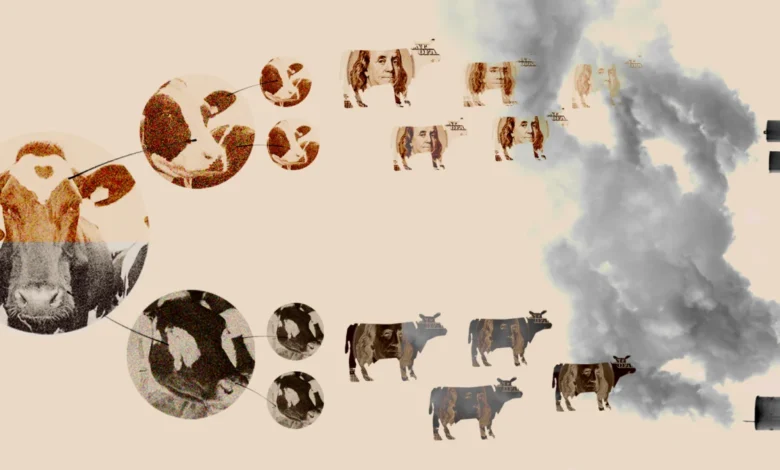
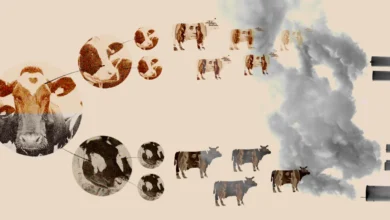
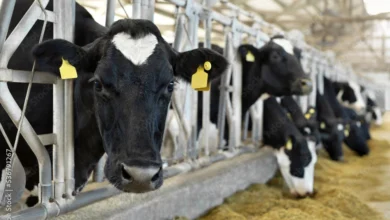
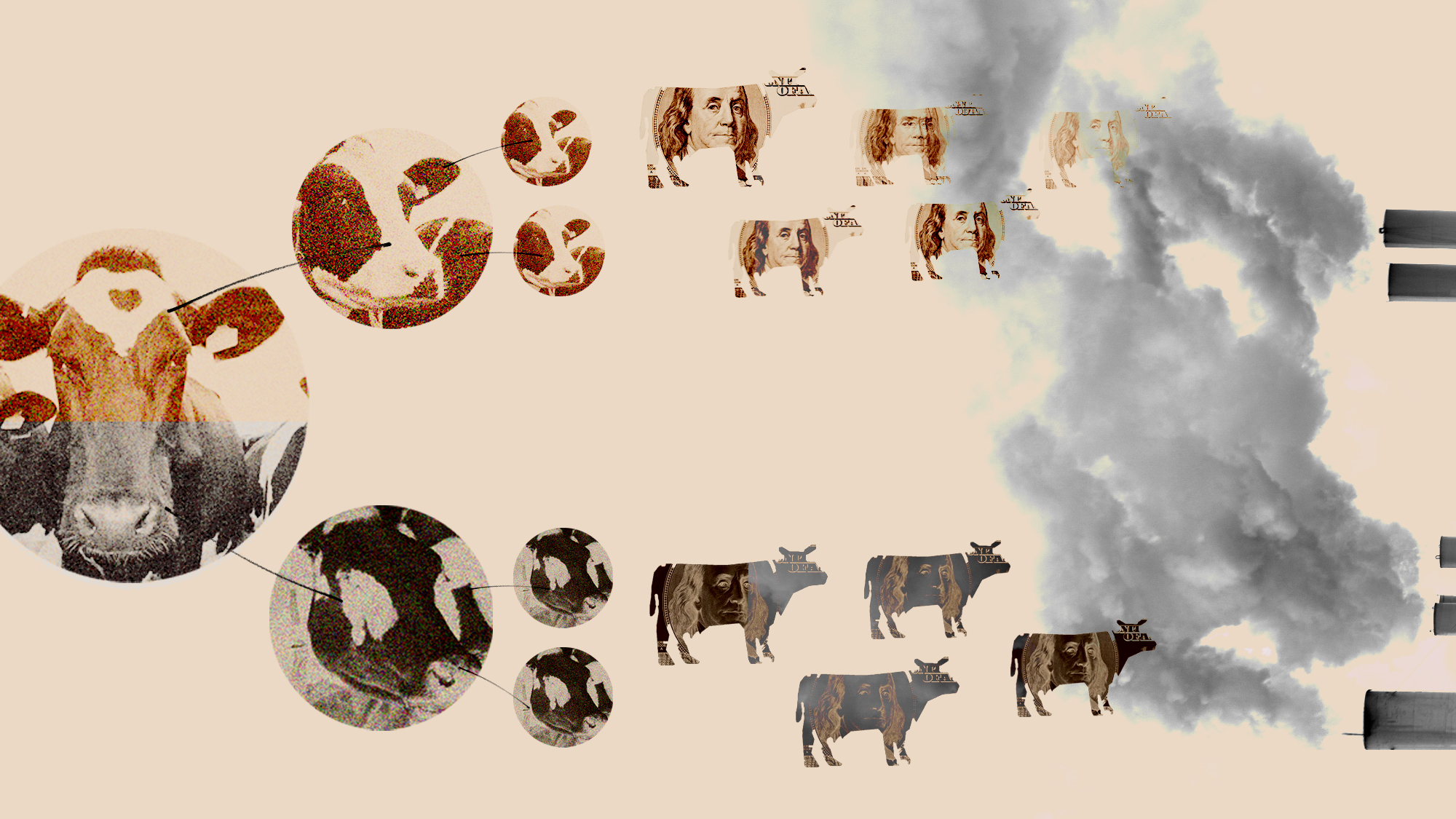
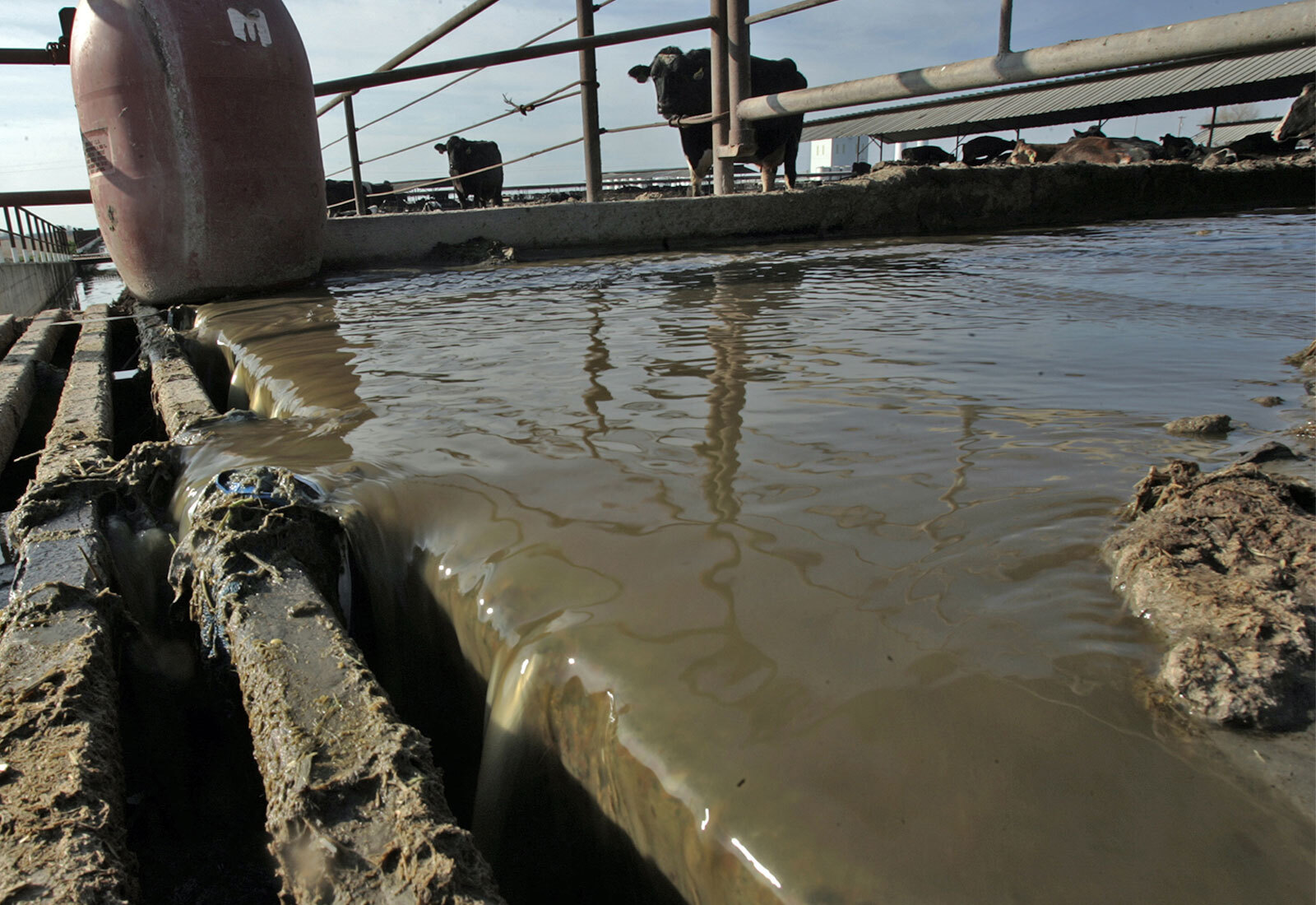
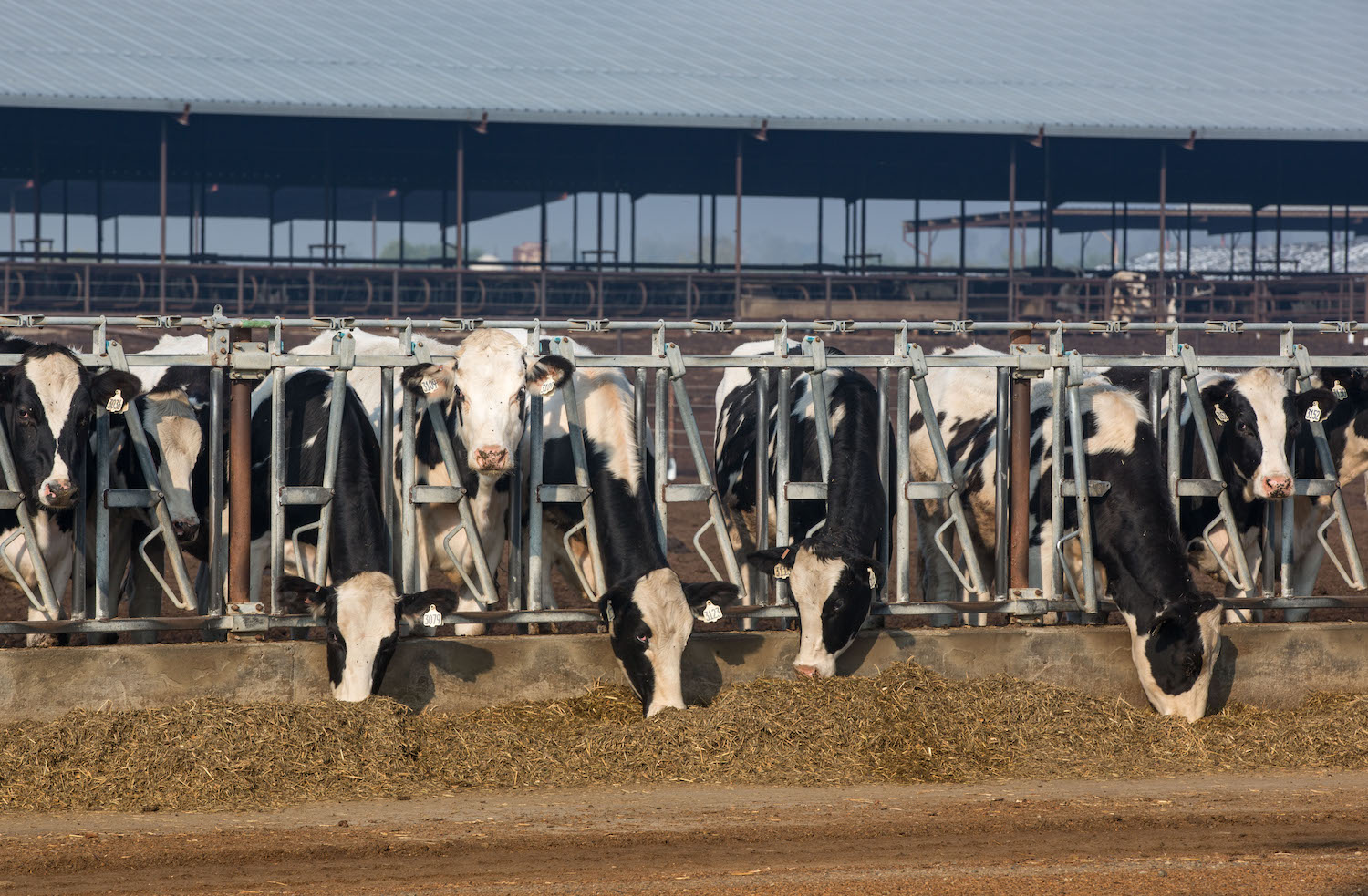
The state of California is currently treating factory farm gas systems at dairy operations as if they were sophisticated carbon-removal devices, sparking a heated debate among climate scientists, policy analysts, and environmental advocates. Every year, California’s massive dairy industry emits hundreds of thousands of tons of methane, a potent greenhouse gas that is released when livestock manure is stored in large, open-air lagoons. To mitigate these emissions, the state has implemented a series of lucrative subsidies designed to capture methane before it reaches the atmosphere. While these efforts are central to California’s goal of reducing methane emissions by 40 percent below 2013 levels by 2030, a growing chorus of critics argues that the state’s accounting methods are fundamentally flawed, resulting in a phenomenon known as "double counting."
At the heart of the controversy is how the California Air Resources Board (CARB) logs these emissions reductions. Currently, the state attributes methane cuts at dairy farms to the livestock sector’s climate targets. Simultaneously, however, the state credits those same reductions to its transportation fuel sector through the Low Carbon Fuel Standard (LCFS). This dual-accounting method has led to accusations that California is dramatically overstating its climate progress, claiming the same ton of prevented carbon dioxide equivalent in two different ledgers to meet two different sets of goals.
The Mechanics of Methane Capture and Carbon Negative Fuel
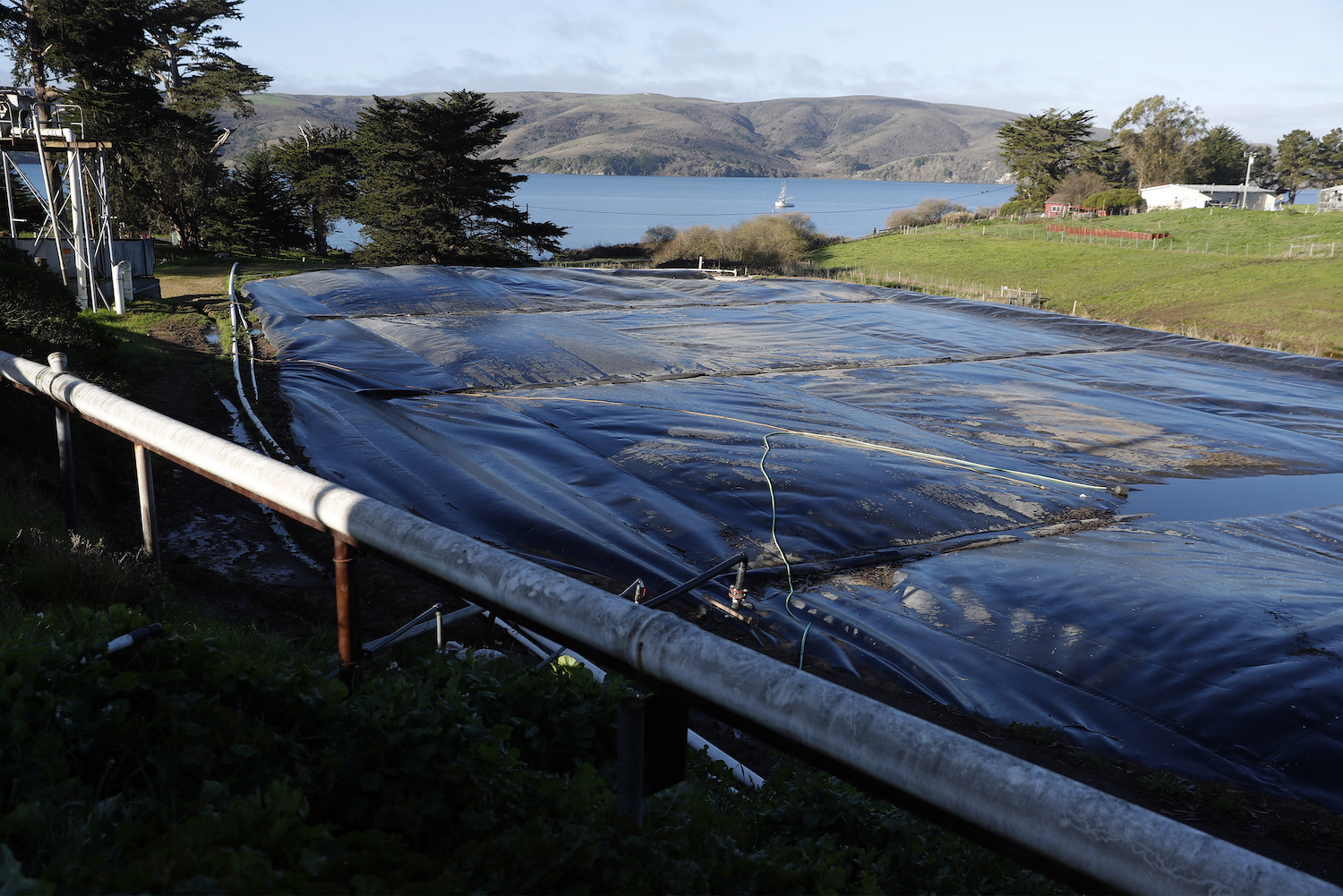
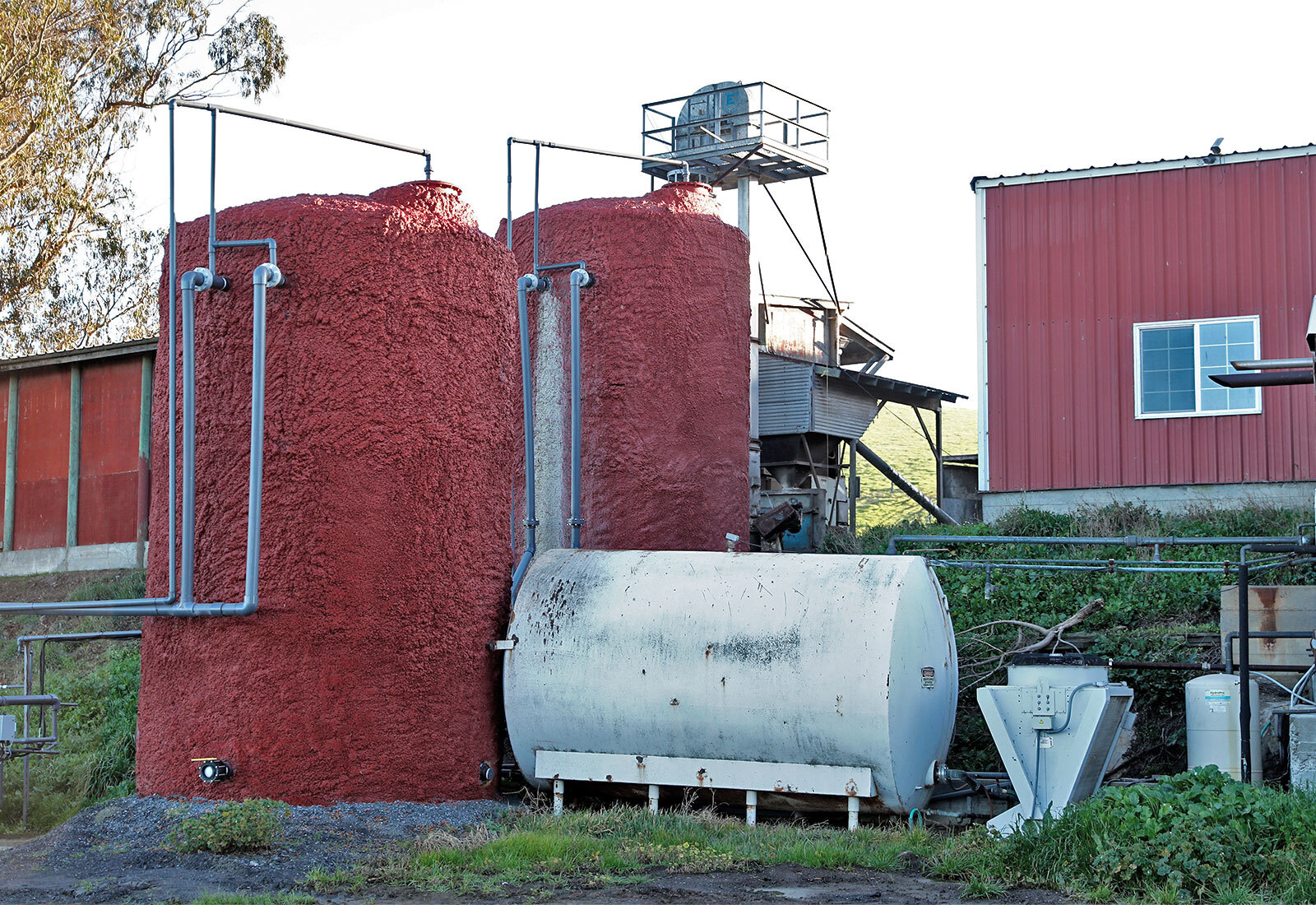
To understand the complexity of the dispute, one must first look at the technology involved. Dairy methane is typically captured using anaerobic digesters—large, airtight silos or covered lagoons that trap the gas produced as bacteria break down manure. This biogas, which is primarily methane, is then refined into renewable natural gas (RNG) and injected into pipelines to be used as transportation fuel.
Under the LCFS, CARB assigns a "carbon intensity" score to every fuel used in the state. Fossil fuels like gasoline and diesel have high scores because they add new carbon to the atmosphere. Conversely, renewable fuels like electricity or biodiesel have lower scores. However, natural gas derived from dairy manure is often assigned a deeply negative carbon intensity score. This is because CARB’s "well-to-wheel" analysis considers the fuel production process as an alternative to allowing methane to vent directly into the atmosphere. In the eyes of the state, using this gas doesn’t just prevent new emissions; it effectively "sucks" existing potential emissions out of the environment.
This accounting logic creates a powerful financial incentive. In 2018, for example, the California Department of Food and Agriculture (CDFA) provided a $1.9 million grant to Calgren Dairy Fuels to install a digester at Vander Poel Dairy in Tulare County. The project, which services a population of approximately 11,000 cattle, is estimated to prevent the release of 290,000 metric tons of carbon dioxide equivalent over a decade. While these savings are logged toward the state’s 2030 livestock methane mandate, the fuel produced also generates LCFS credits that are sold to fossil fuel companies, allowing them to continue selling high-carbon gasoline and diesel.
A Chronology of Policy and Oversight
The current situation is the result of a decade of overlapping climate policies designed to make California a global leader in emissions reduction.
- 2011: California implements the Low Carbon Fuel Standard to reduce the carbon intensity of the state’s transportation fuel pool.
- 2015: The Aliso Canyon natural gas leak occurs in Southern California. The disaster, the largest of its kind in U.S. history, releases 109,000 metric tons of methane.
- 2016: Governor Jerry Brown signs SB 1383, a landmark law requiring a 40 percent reduction in methane emissions from 2013 levels by 2030.
- 2018: The state begins aggressively funding dairy digesters through the Dairy Digester Research and Development Program (DDRDP).
- 2021: A coalition of environmental groups, represented by the nonprofit legal firm Public Justice, files a petition with CARB, alleging that the LCFS program facilitates double counting and lacks "additionality."
- 2022: CARB denies the petition, maintaining that its multi-program approach is necessary to meet ambitious climate targets.
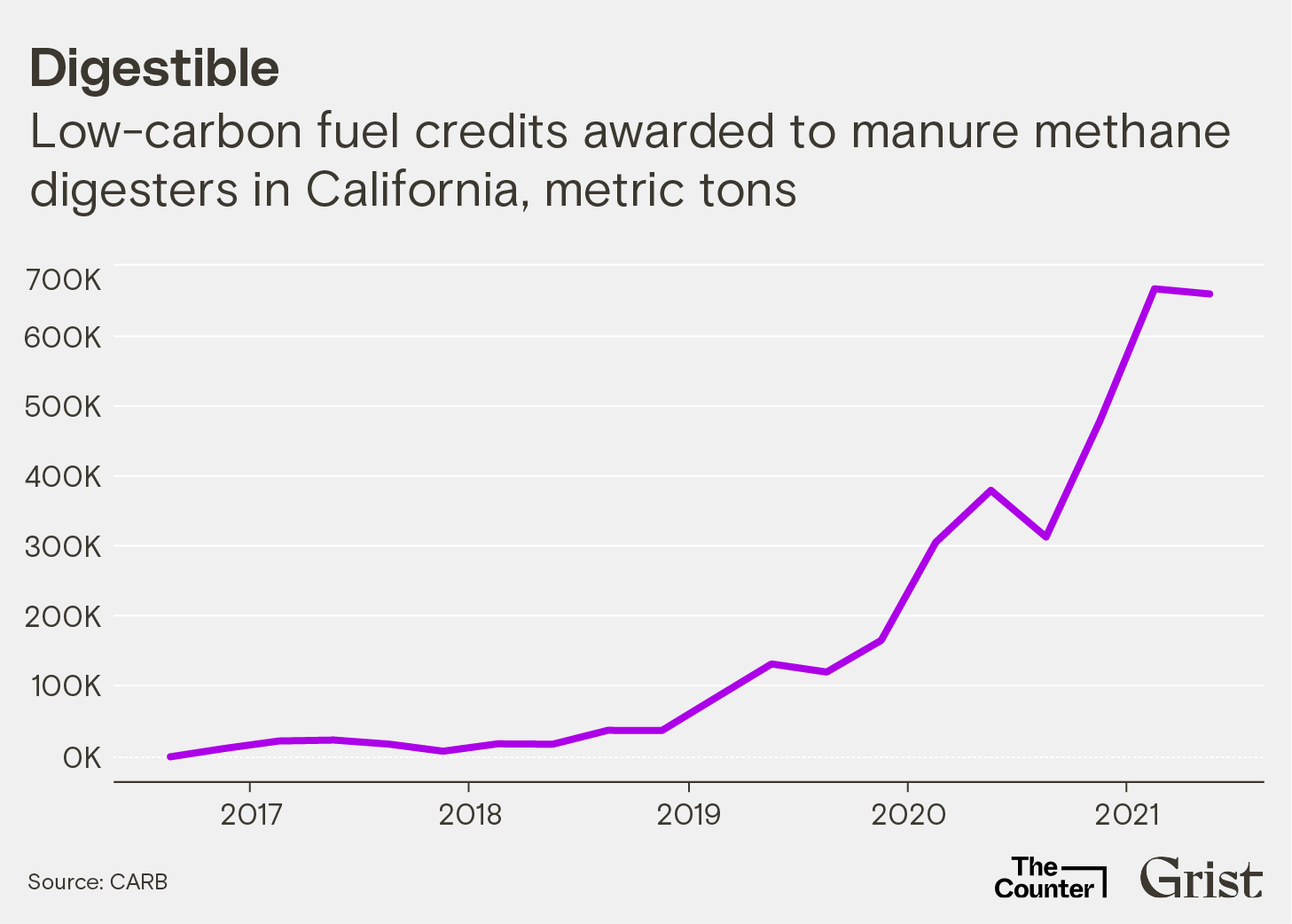
As of early 2022, California is on track to prevent 1.8 million tons of carbon dioxide equivalent from being emitted annually through dairy methane capture. However, the data reveals that the success of the LCFS program is increasingly dependent on these manure-based fuels. In 2021, manure-based RNG generated over 2.1 million credits—roughly 10 percent of the total credits in the program—despite representing only a small fraction of the total renewable fuel volume.
The Additionality Problem and "Stacking" Incentives
The primary criticism leveled by policy experts like Danny Cullenward of Carbon Plan is the lack of "additionality." In the context of carbon markets, additionality refers to emissions reductions that would not have happened without the specific incentive provided by a program. Critics argue that if a dairy farm receives a multimillion-dollar government grant to build a digester, the methane reduction is already achieved and paid for. Therefore, allowing that same farm to sell LCFS credits for those reductions provides no "additional" climate benefit; it simply rewards the farm twice for the same action.
This practice is known in the industry as "stacking." Michael Boccadoro, executive director of DairyCares, argues that stacking is a financial necessity. According to Boccadoro, digester technology is prohibitively expensive, and without combining state grants, LCFS credits, and other revenue streams, the projects would not be economically viable for most farmers.
However, the financial returns on these projects have become so lucrative that they are attracting major fossil fuel players. Chevron and California Bioenergy have invested in at least eight dairy digester projects in the San Joaquin Valley. In a 2021 investor meeting, Chevron executives projected that these investments would yield "double-digit returns," largely due to the negative carbon intensity scores and the resulting high value of LCFS credits.
The Aliso Canyon Controversy: Triple Counting?
The debate over double counting reaches its most complex point with the Aliso Canyon Mitigation Agreement. Following the 2015 SoCalGas leak, the state required the utility to fund methane-reduction projects to offset the damage. This led to $25 million in loans for dairy digesters.
Environmental advocates point out a "perverse result" in this arrangement. Eight projects funded under the Aliso agreement are simultaneously participating in the LCFS program. This means the methane captured is being used to:
- Offset the 2015 Aliso Canyon leak.
- Meet the state’s 2030 livestock methane targets.
- Generate credits that allow fossil fuel companies to exceed carbon limits in the transportation sector.
Tyler Lobdell, a staff attorney at Food and Water Watch, argues that this creates "paper reductions" rather than actual progress. If an LCFS credit generated by an Aliso-funded project is sold to a diesel producer, that producer is then authorized to emit more carbon. Consequently, the original "offset" for the Aliso Canyon leak is effectively neutralized by the increased emissions allowed under the LCFS.
Official Responses and the Path Forward
In response to inquiries regarding these accounting practices, CARB has disputed the characterization of "double counting" while acknowledging that the same reductions are counted across different programs. An agency spokesperson stated that the programs are designed to be complementary, incentivizing the capture of methane while simultaneously displacing fossil fuels in the transportation sector. The agency maintains that this multi-pronged approach is essential for achieving the deep decarbonization required by state law.
The agency’s denial of the 2021 petition was based on the argument that making piecemeal changes to the LCFS would interfere with broader, ongoing efforts to update the state’s Scoping Plan—the comprehensive roadmap for reaching carbon neutrality by 2045.
Despite the controversy, the expansion of dairy digesters shows no signs of slowing. By the end of 2022, nearly 100 additional digesters are expected to be completed, all of which will likely seek to "stack" incentives from various state and federal programs.
Implications for Future Climate Policy
The California dispute serves as a cautionary tale for other jurisdictions looking to implement similar market-based climate solutions. While the subsidies have undoubtedly accelerated the adoption of methane-capture technology, they have also created an environment where the production of manure—and its associated methane—has become a profitable commodity.
If the goal of climate policy is to reduce the overall concentration of greenhouse gases in the atmosphere, critics argue that the system must be transparent and rigorous. The current "double counting" creates a risk that California will reach its targets on paper while the atmosphere continues to warm at an unabated pace. As other states and the federal government look to California as a model for dairy methane management, the resolution of this accounting conflict will determine whether "carbon-negative" fuels are a genuine climate solution or a sophisticated accounting illusion. For now, the state remains committed to its current path, betting that the financial allure of "stacking" will be enough to hit its 2030 targets, regardless of how many ledgers those tons are recorded in.
Related posts: