The Renaissance of Indigenous North American Foodways Through the Culinary and Cultural Significance of Heirloom Beans

The Renaissance of Indigenous North American Foodways Through the Culinary and Cultural Significance of Heirloom Beans represents a profound shift in the American gastronomic landscape as celebrated Indigenous chefs Crystal Wahpepah and Sean Sherman release seminal new works that decenter colonial narratives. Through their respective books, "A Feather and a Fork" and "Turtle Island," Wahpepah, a Kickapoo chef and restaurateur, and Sherman, an Oglala Lakota chef and activist, are elevating the humble bean from a pantry staple to a symbol of cultural resilience and nutritional sovereignty. These publications do more than offer recipes; they serve as manifestos for a movement dedicated to restoring the "truly original American diet"—a system of agriculture and consumption that flourished for millennia before the arrival of European settlers.
The beans featured in these pages—ranging from the Arikara and Deseronto Potato beans to the hardy tepary varieties of the Southwest—are presented as "jewels" of the earth. When transformed into stews, salads, tamale fillings, and even cakes, these ingredients highlight a sophisticated culinary tradition that utilizes the natural bounty of North America: bison, wild onions, chokecherries, salmon, and black walnuts. By focusing on these specific, often localized varieties, Wahpepah and Sherman are challenging the homogenization of the American diet and inviting consumers to reconnect with the land’s ancestral history.
The Three Sisters: A Foundational Agricultural Philosophy
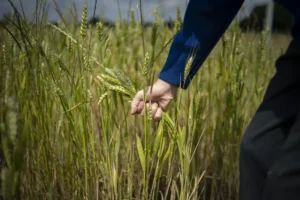
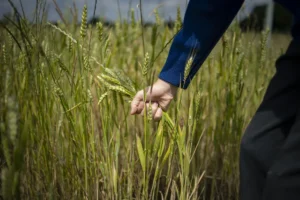
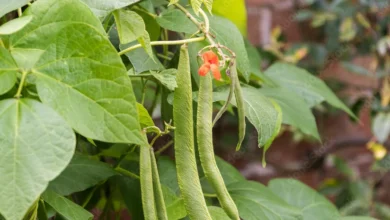
At the heart of Indigenous North American agriculture lies the "Three Sisters" planting method, a sophisticated polyculture system involving corn, beans, and squash. This method is not merely a technical arrangement but a philosophical framework of interdependence. As Wahpepah explains, the three crops function as a family, nurturing both the soil and each other. Beans play a critical biological role by pulling nitrogen from the atmosphere and "fixing" it into the soil, providing essential nutrients for the nitrogen-hungry corn. In return, the corn stalks provide a natural trellis for the bean vines to climb, while the broad leaves of the squash act as a living mulch, shading the ground to retain moisture and suppress weeds.
This symbiotic relationship extends beyond the field and onto the plate. Nutritionally, the Three Sisters provide a complete profile of amino acids, complex carbohydrates, and essential vitamins. This ancient wisdom, which sustained civilizations across the continent for over 800 years, is now being framed by modern chefs as a solution to contemporary environmental and health crises. The resilience of these crops—particularly the drought-resistant tepary beans favored by Wahpepah—offers a blueprint for sustainable agriculture in an era of increasing climate instability.
Historical Context and the Path to Food Sovereignty
The current movement to revitalize Indigenous foodways must be understood within the context of a centuries-long history of displacement and dietary disruption. For much of the 19th and 20th centuries, federal policies such as the Indian Removal Act and the forced relocation of tribes to reservations severed the connection between Indigenous peoples and their ancestral seeds. The subsequent introduction of government commodity foods—high-sugar, high-fat processed items like white flour, lard, and sugar—led to the creation of "survival foods" like frybread. While these foods are now part of many tribal traditions, they also contributed to a public health crisis.
The timeline of the modern Indigenous food movement has seen a significant acceleration over the last decade:
- 1983: The founding of Native Seeds/SEARCH, a nonprofit dedicated to conserving the arid-land crop genetic resources of the Southwest.
- 2014: Sean Sherman founds "The Sioux Chef," a catering and educational company focused on pre-colonial Indigenous foods.
- 2017: Sherman’s "The Sioux Chef’s Indigenous Kitchen" wins a James Beard Award, signaling a mainstream shift in culinary interest.
- 2021: Crystal Wahpepah opens Wahpepah’s Kitchen in Oakland, California, becoming a high-profile advocate for Kickapoo culinary traditions.
- 2022: Sherman opens Owamni in Minneapolis, which earns the James Beard Award for Best New Restaurant in the United States.
- 2024-2025: The release of "A Feather and a Fork" and "Turtle Island," further codifying the techniques and ingredients of Indigenous cuisine for a global audience.
This chronology illustrates a shift from preservation to active culinary innovation, where chefs are no longer just saving seeds but are re-integrating them into the modern economy.
Nutritional Data and Public Health Implications
The advocacy for heirloom beans is deeply rooted in a desire to address systemic health disparities. According to data from the Centers for Disease Control and Prevention (CDC), American Indian and Alaska Native adults are nearly three times more likely to be diagnosed with diabetes than non-Hispanic white adults. They also face higher rates of obesity and cardiovascular disease—conditions that Sherman and Wahpepah argue are directly linked to the loss of traditional diets.
Beans are a nutritional powerhouse in this regard. They are characterized by a low glycemic index, meaning they cause a slower rise in blood glucose levels, which is crucial for managing and preventing Type 2 diabetes. Furthermore, beans are rich in soluble fiber, which helps lower LDL cholesterol and reduce the risk of heart disease. Wahpepah emphasizes that for the Kickapoo and many other tribes, these beans have been a "critical component of foodways for nearly eight hundred years," serving as a "powerful deterrent to chronic inflammatory diseases." By normalizing these "health-sustaining foods," the chefs aim to restore the physical, spiritual, and emotional well-being of their communities.
Sourcing and Economic Empowerment
A key pillar of the Indigenous food movement is the establishment of a robust, Native-led supply chain. Both Wahpepah and Sherman emphasize the importance of sourcing ingredients from Indigenous producers, foragers, and seed savers. This approach seeks to "decenter" European-style globalized food systems and instead foster a hyperlocal or hyperregional economy.
Several organizations are leading this effort:
- NATIFS (North American Traditional Indigenous Food Systems): Founded by Sean Sherman, this nonprofit works to increase access to Indigenous foods and provide education on traditional foodways. Their marketplace facilitates the distribution of heirloom beans and other native products.
- Ramona Farms: A Pima (Akimel O’odham) owned farm in Arizona that has been instrumental in bringing the tepary bean back from the brink of extinction.
- Native Seeds/SEARCH: Based in Tucson, this organization manages a seed bank of nearly 2,000 varieties of crops adapted to the arid Southwest, ensuring that heirloom genetic diversity is preserved for future generations.
- Tocabe Indigenous Marketplace: An extension of the Denver-based restaurant, this platform allows consumers to purchase ingredients directly from Native producers, ensuring that the economic benefits of the food movement remain within the communities of origin.
By supporting these entities, consumers participate in "food sovereignty," a concept that asserts the right of peoples to healthy and culturally appropriate food produced through ecologically sound and sustainable methods.
Analysis of Broader Implications
The work of Wahpepah and Sherman suggests that the "Original American Diet" is not a relic of the past but a viable path for the future of global food systems. As the world faces the challenges of climate change, the agricultural practices of Indigenous peoples—which emphasize biodiversity, soil health, and water conservation—are gaining renewed attention from scientists and policymakers. Heirloom beans, often more resilient than their mass-produced counterparts, represent a genetic reservoir that could be vital for food security in a changing environment.
Furthermore, this movement is a form of "culinary diplomacy." By sharing these recipes and stories, Indigenous chefs are reclaiming their agency and correcting historical omissions in the American narrative. They are demonstrating that Native American cuisine is not a monolithic "anomaly" but a diverse, vibrant, and evolving collection of traditions that belong at the center of the culinary world.
Case Study: The Deseronto Potato Bean
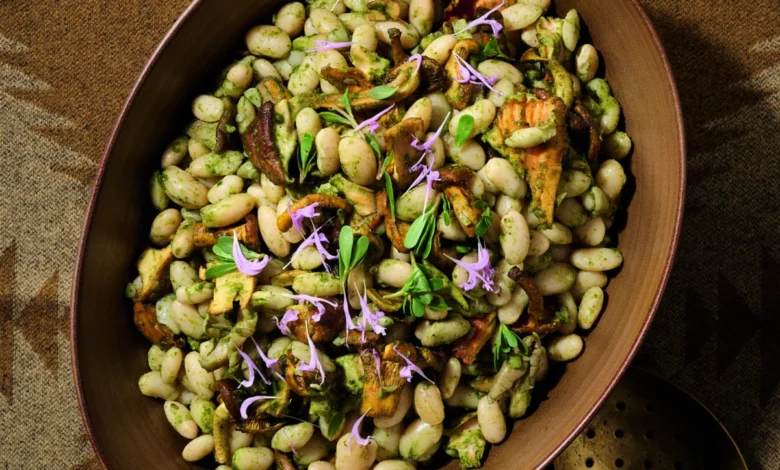
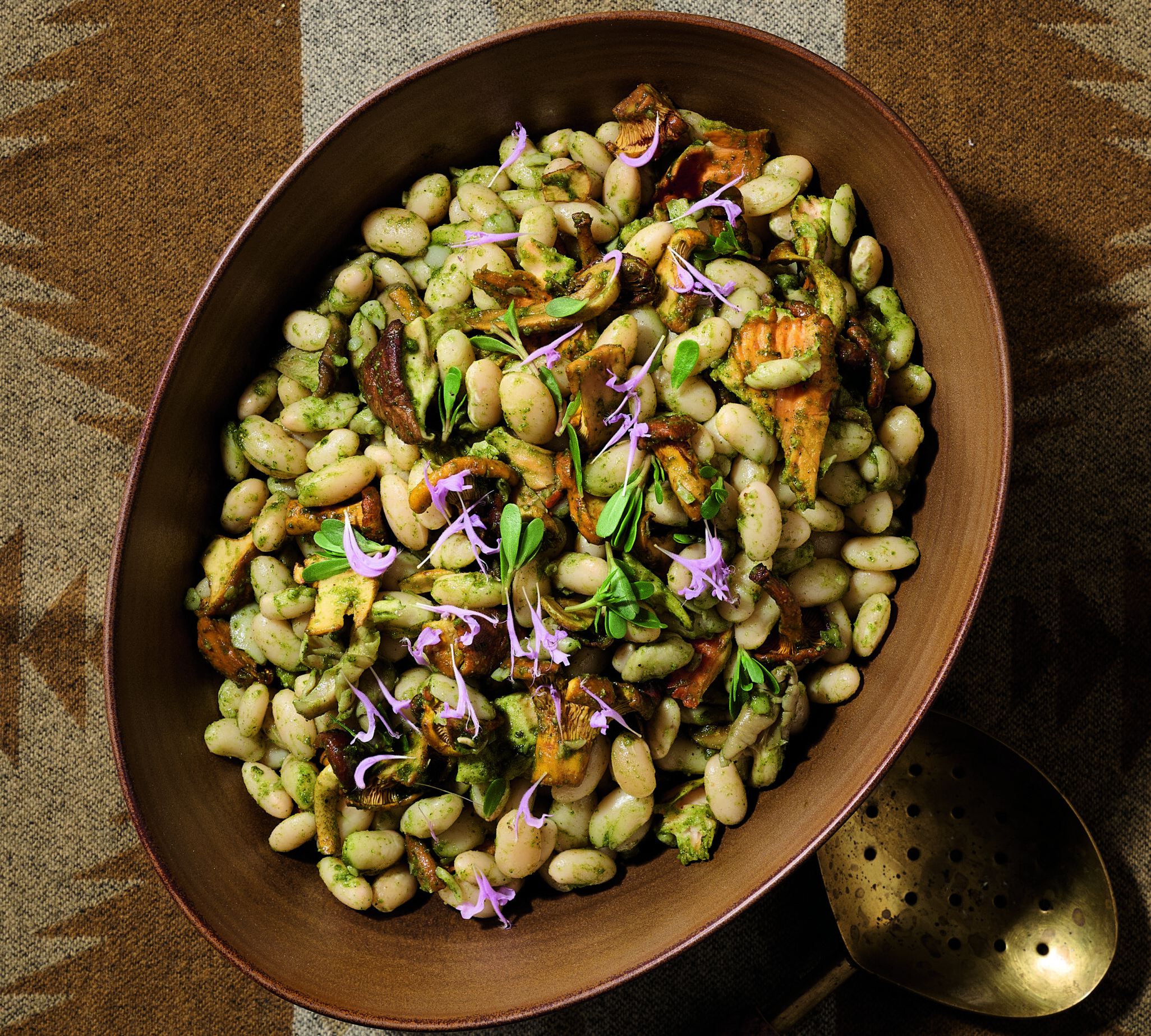
To understand how these philosophies translate to the kitchen, one can look at the Deseronto Potato Bean, a Mohawk heirloom from the Tyendinaga Reservation in Ontario. Featured in Sherman’s "Turtle Island," this bean is prized for its starchy, potato-like texture. Its preparation in a modern dish—paired with roasted mushrooms, ramp powder, and purslane—illustrates the Indigenous approach to flavor: earthy, seasonal, and deeply connected to the forest and field.
Ingredients and Preparation:
The dish requires one cup of dried Deseronto Potato beans (or a substitute like cannellini), soaked overnight. The beans are simmered until tender, then combined with a pound of roasted wild mushrooms. The seasoning profile utilizes "forest flavors" like ramp powder (made from dehydrated wild leeks) and rose hip powder, which adds a tart, vitamin-rich complexity. The addition of maple syrup and cider vinegar provides a balanced acidity and sweetness, while fresh purslane—a common "weed" that is actually a nutrient-dense succulent—provides a juicy crunch.
This recipe exemplifies the "substitution" philosophy encouraged by Wahpepah. While the specific heirloom bean is preferred, the chefs encourage home cooks to use what is accessible, provided they maintain the spirit of the dish. The goal is to move away from being "strangers to these foods" and instead enter into a "community with them."
Conclusion: A Call to the Table
The publications of "A Feather and a Fork" and "Turtle Island" mark a significant milestone in the recognition of Indigenous culinary arts. By focusing on the bean—an ingredient that is simultaneously humble, affordable, and profoundly significant—Crystal Wahpepah and Sean Sherman are providing a practical entry point for all Americans to engage with Indigenous history and health. As these chefs continue to expand their influence through restaurants, nonprofits, and literature, the revival of heirloom seeds stands as a testament to the enduring power of ancestral wisdom in a modern world. Through the simple act of cooking a pot of beans, a new generation is participating in the restoration of a sustainable, healthy, and truly American food system.