Beyond Practices: Why Regenerative Agriculture Must Be Measured by Outcomes

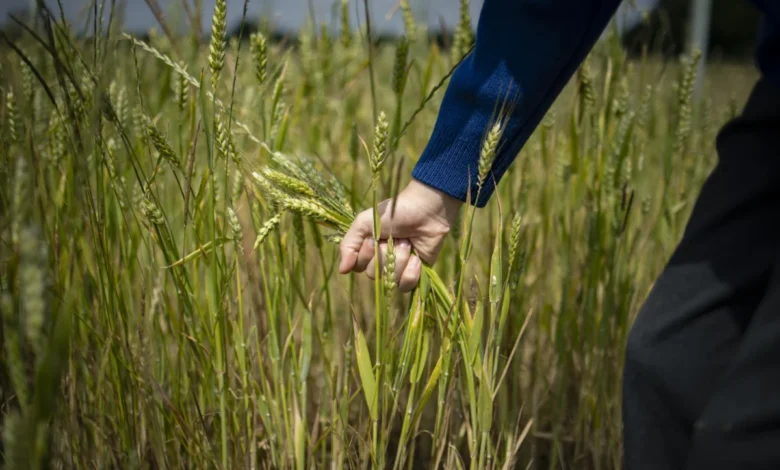
The transition toward regenerative agriculture is increasingly defined not by the rigid application of specific techniques, but by the measurable ecological and social outcomes delivered at the farm level. As global food systems face mounting pressure from climate change, biodiversity loss, and economic instability, the agricultural sector is shifting its focus from prescriptive farming "recipes" to a holistic framework of performance indicators. This evolution is spearheaded by the newly launched Regen10 Outcomes Framework, a global initiative designed to create a shared language for assessing the success of regenerative systems.
The Shift from Practice to Performance
For decades, the definition of regenerative agriculture has been loosely tethered to a handful of widely cited principles: minimizing soil disturbance, maintaining living roots, integrating livestock, and maximizing biodiversity. While these principles have been instrumental in moving agriculture away from extractive, high-input models, they are often insufficient when applied as a universal checklist.
A farm is a complex, living system influenced by distinct pedoclimatic conditions, historical land use, local cultural traditions, and evolving economic policies. Consequently, two farms applying identical techniques—such as no-till planting or cover cropping—may yield vastly different results based on their specific environmental context. An outcome-based approach acknowledges this nuance, empowering farmers to use their site-specific expertise to solve local challenges rather than forcing adherence to a predetermined protocol that may not be optimal for their unique landscape.
A Chronology of a Paradigm Shift
The momentum toward an outcome-focused framework gained significant traction during the global disruptions caused by the COVID-19 pandemic. During this period, vulnerabilities in the international food supply chain became starkly visible, prompting a resurgence in local food systems and a renewed interest in land stewardship.
- 2020–2021: The pandemic serves as a catalyst for local food resilience, prompting academic and professional re-evaluations of agricultural sustainability.
- 2022: The Global Farm Metric (GFM) and allied organizations accelerate work on standardizing how farm-level impact is measured, moving beyond carbon sequestration to include social and economic markers.
- 2023–2024: Development of the Regen10 Outcomes Framework intensifies through collaborative workshops involving Indigenous Peoples, conservationists, and agrifood business leaders.
- 2024–Present: The formal adoption of the framework provides a standardized reference point for stakeholders, aiming to bridge the gap between farm-gate action and international policy goals like the Global Biodiversity Framework (GBF).
Supporting Data: The Need for Holistic Metrics
The limitations of focusing solely on yield or simple carbon accounting are well-documented. According to data from the 4per1000 initiative, soil organic matter is a critical lever for climate resilience, yet it is only one component of a healthy ecosystem. Furthermore, agricultural output must now be balanced against the planetary boundaries defined by the Stockholm Resilience Centre.
The Regen10 framework incorporates data points that traditional metrics often ignore. By aligning with the Sustainable Development Goals (SDGs), the framework tracks progress across:
- Soil Health: Measured through organic matter content and biological activity.
- Biodiversity: Assessing the presence of indicator species and habitat connectivity.
- Water Security: Evaluating usage efficiency and quality preservation.
- Socio-Economic Health: Measuring farm profitability, rural employment, and community integration.
This multi-dimensional approach is necessary because, as analysts note, "optimizing for one outcome—such as carbon—at the expense of another—such as water quality or local employment—is inherently non-regenerative."
The Role of the Regen10 Outcomes Framework
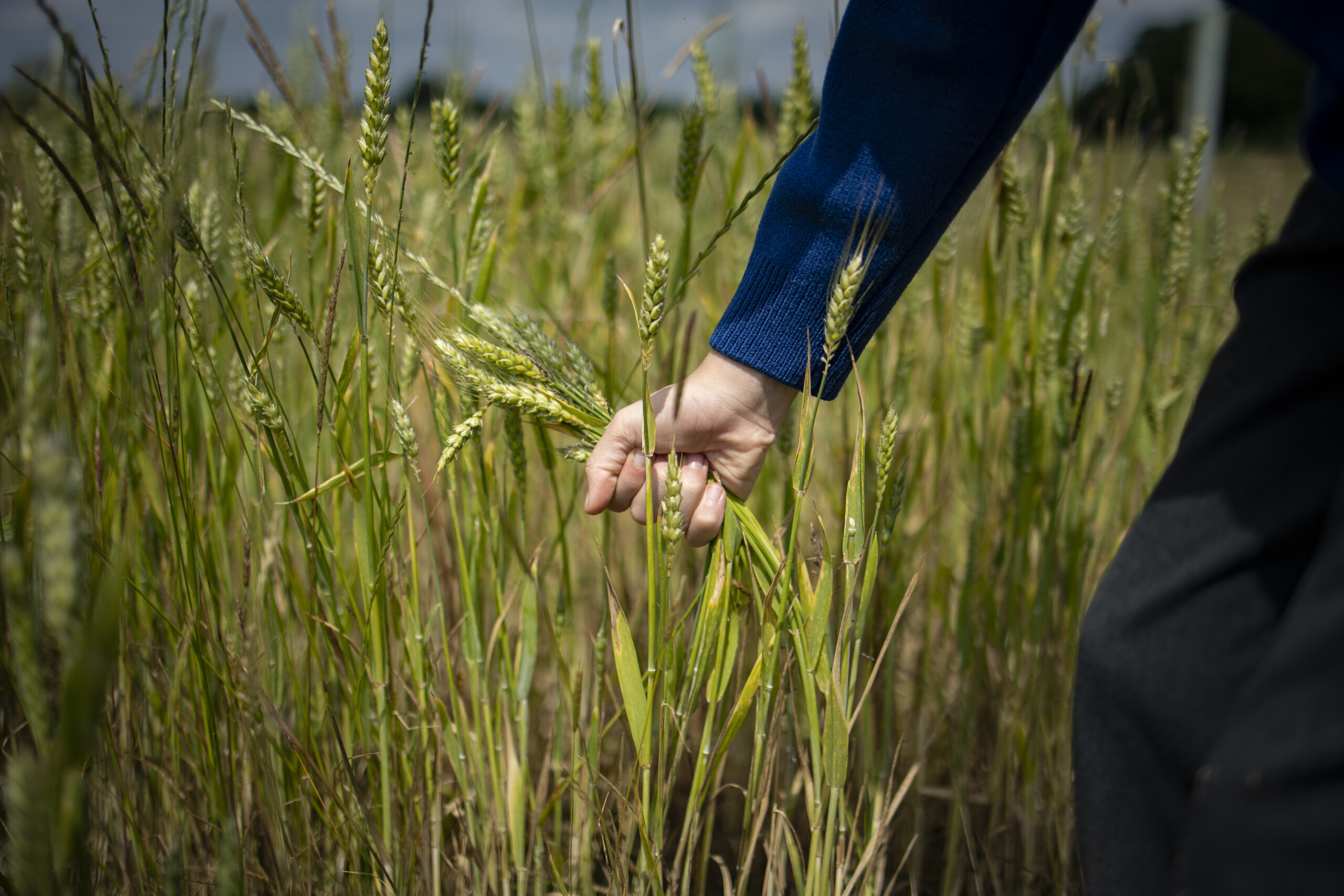
The Regen10 Outcomes Framework serves as a foundational "common language." In the current agricultural landscape, farmers, corporate procurement officers, and government policymakers often operate in silos. A farmer may be incentivized by a company to prioritize soil carbon, while local NGOs may push for biodiversity corridors, and government policies may mandate water reduction. Without a unified framework, these goals often conflict, placing the burden of fragmentation on the producer.
The Regen10 framework does not prescribe how a farmer should manage their land; instead, it defines what success looks like. By establishing these shared benchmarks, the framework enables:
- Collaboration: Aligning stakeholders around common, transparent goals.
- Accountability: Providing clear evidence of progress for investors and public subsidy programs.
- Investment: Reducing risk for capital providers by standardizing the metrics used to judge the "regenerative" status of an agricultural project.
Professional and Scientific Perspectives
Experts in the field, including those from the Global Farm Metric, argue that the "fully regenerative" label is a misnomer. Regeneration is a continuous process of improvement, not a destination or a fixed state. This view is supported by recent research suggesting that agricultural systems must be dynamic to adapt to the unpredictable shifts in global weather patterns.
"If we treat regeneration as a check-box exercise, we risk creating ‘greenwashing’ where practices are adopted in name only without real-world improvement," states an independent policy researcher. "By focusing on outcomes, we force the industry to account for actual ecological and social health, which is far more difficult to fake than the adoption of a specific machine or method."
Broader Implications for Global Food Systems
The move toward outcome-based frameworks has significant implications for global trade and policy. As major retailers and food processors commit to "net-zero" and "nature-positive" supply chains, they require rigorous, evidence-based data to verify their claims. The Regen10 framework provides the necessary rigor to move beyond the qualitative narratives that have historically dominated the regenerative movement.
Furthermore, for the individual farmer, this shift represents a move toward autonomy. By focusing on outcomes, farmers are treated as land managers and stewards rather than mere operators of an industrial process. This shift in perception is essential for attracting the next generation of farmers, who are increasingly drawn to careers that offer tangible environmental and social benefits.
Conclusion
The transition to a sustainable food system requires a move away from the binary debate over which specific farming practices are "best." The Regen10 Outcomes Framework represents a critical maturity in this space, recognizing that the diversity of global agriculture necessitates a flexible approach governed by universal outcomes. By focusing on the health of the soil, the prosperity of the farmer, the vibrancy of the community, and the resilience of the ecosystem, the global agricultural sector is finally building a framework that can withstand the tests of the 21st century.
The task ahead is the widespread implementation and validation of these metrics. As organizations and governments begin to integrate these frameworks into their decision-making processes, the focus will remain on the fundamental goal: ensuring that every hectare of land farmed contributes to the regeneration of the planet, rather than its depletion. The future of farming, it seems, will not be measured by the tools used, but by the legacy left in the soil and the communities that rely upon it.