Pastoralism and the Future of Global Food Systems Lessons from the International Year of Rangelands and Pastoralists

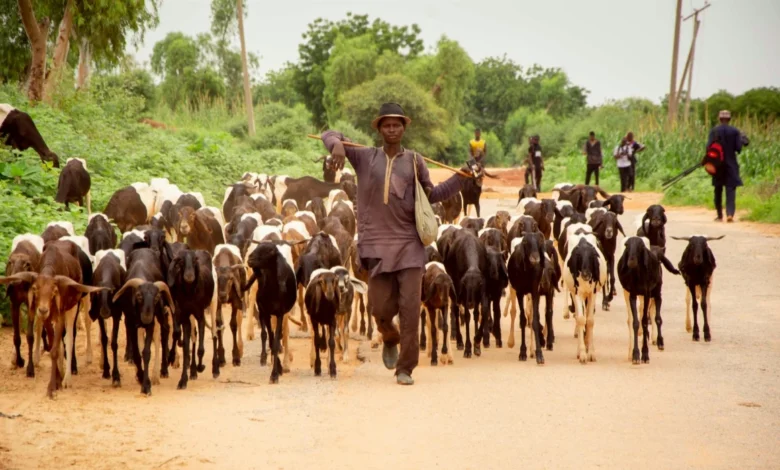
The United Nations General Assembly, spearheaded by a proposal from the Government of Mongolia and supported by the Food and Agriculture Organization (FAO), has officially designated the International Year of Rangelands and Pastoralists (IYRP) to bring global attention to the critical role of mobile livestock production in food security and environmental stewardship. While pastoralism is frequently romanticized in Western media as a simple, idyllic "country life," experts and practitioners are increasingly highlighting it as a sophisticated, science-based approach to land management that could hold the key to reforming modern industrial farming. This global initiative seeks to bridge the gap between traditional knowledge and modern agricultural policy, advocating for a shift from human-engineered chemical solutions to ecological-based production systems.
Redefining Pastoralism: Beyond the Idyllic Imagery
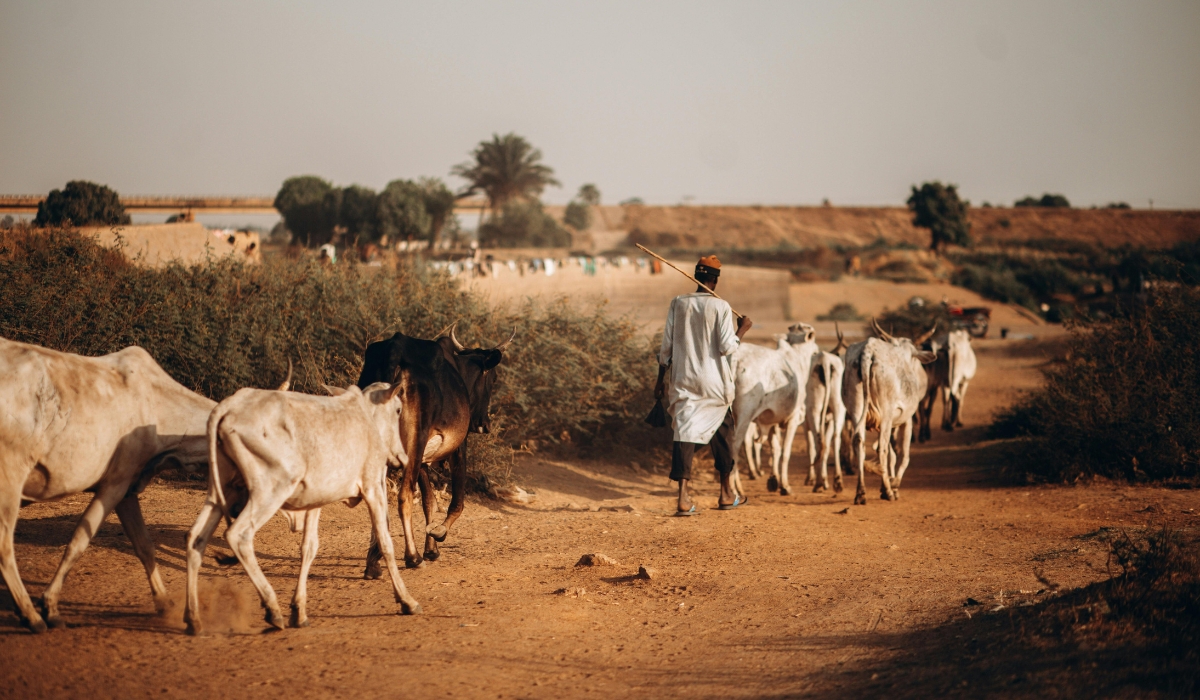
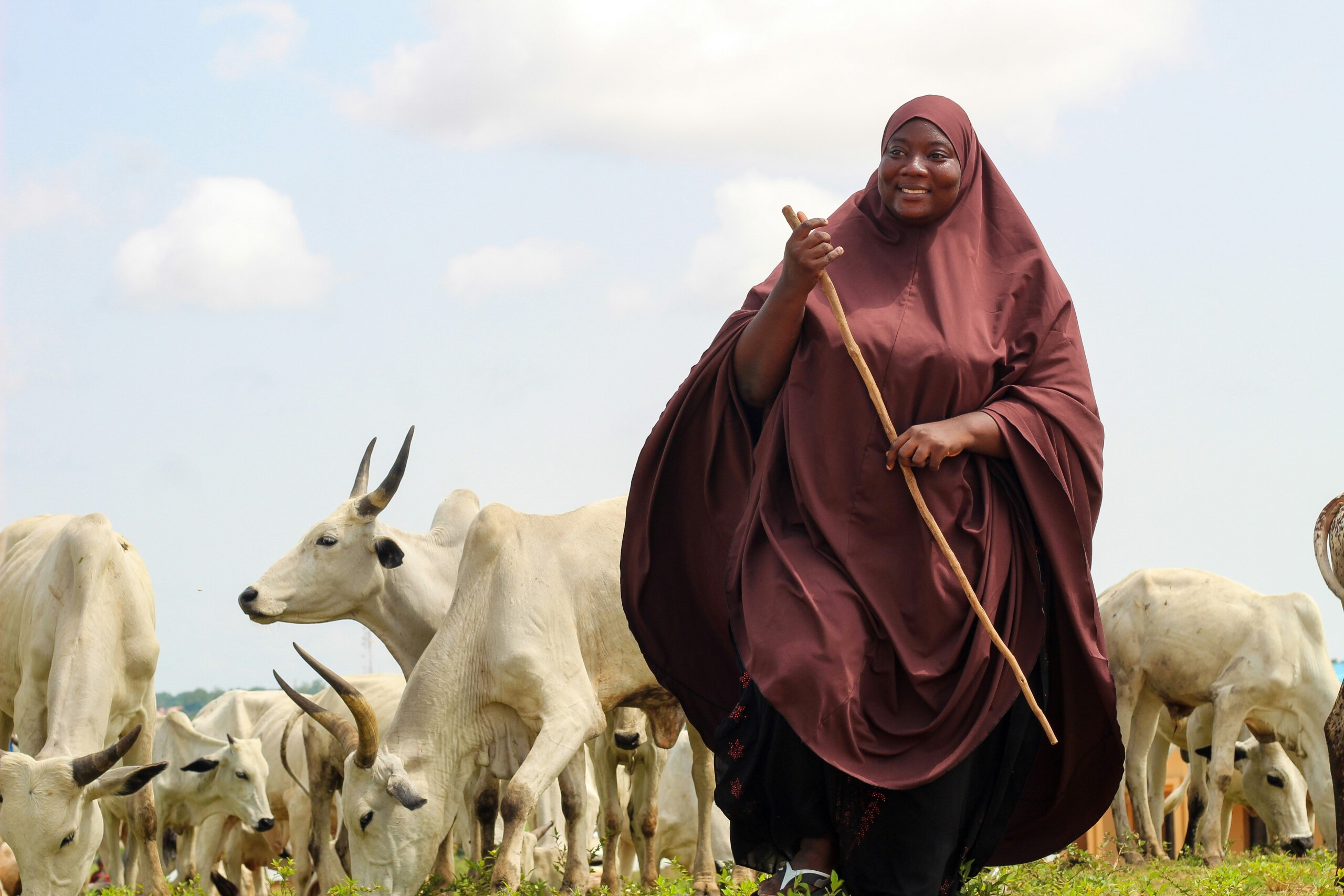
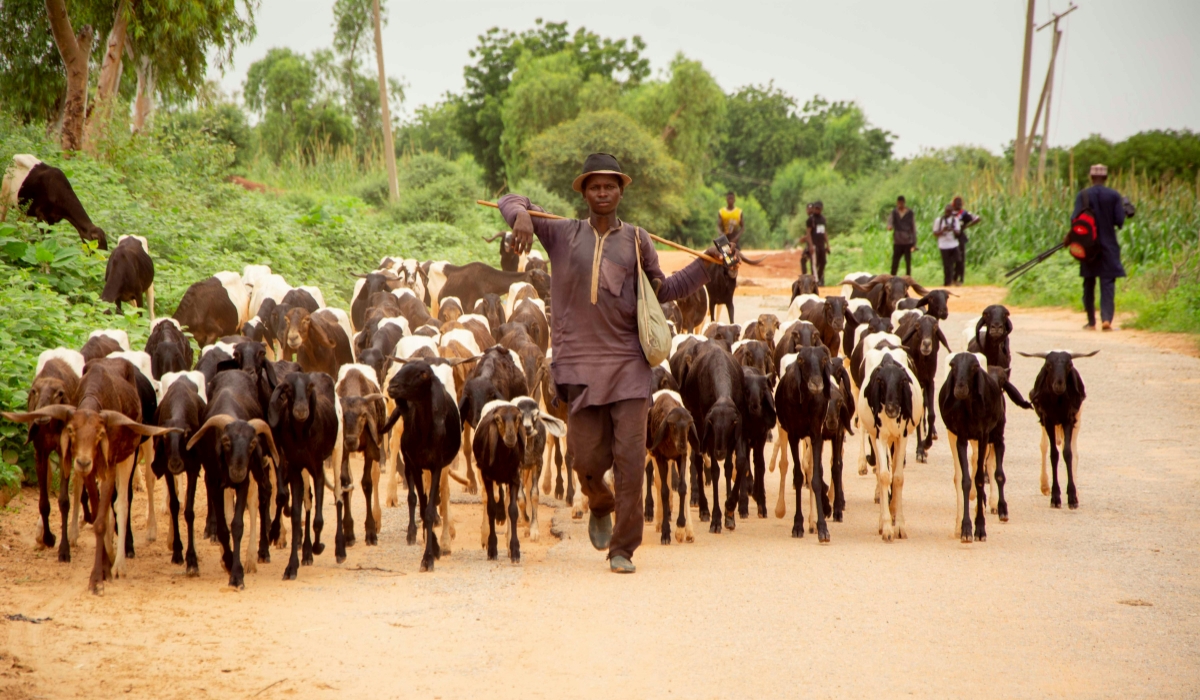
In contemporary Western discourse, particularly within the United Kingdom, "country life" has become a brand characterized by high-end outdoor apparel, heavy machinery, and static, fenced landscapes. This aesthetic, however, often obscures the ecological reality of "true" pastoralism. According to the FAO, pastoralists are individuals whose livelihoods depend primarily on herding domesticated or semi-domesticated animals that feed on natural rangelands. This lifestyle often involves seasonal or regular movement between grazing areas, a practice known as transhumance.
The distinction between the perception and the reality of pastoralist life was recently highlighted in popular culture through programs like the BBC’s "Race Across the World." While the show featured contestants traversing the vast mountain ranges of Kyrgyzstan, it inadvertently showcased the contrast between the frantic pace of modern travel and the intentional, considered journeys of Kyrgyz pastoralists. These herders move with the rhythm of the seasons, ensuring that their livestock find optimal nutrition while preventing the degradation of the fragile mountain ecosystems.
The Industrial Crisis: A Veterinary Perspective on Systemic Failure
The call for a return to pastoralist principles comes at a time when industrial farming faces mounting criticism for its reliance on pharmaceutical interventions. Olivia Boothman, a former farm veterinarian and current Projects Manager for the Global Farm Metric, argues that modern agriculture has "unintentionally engineered" systems that require constant chemical and mechanical corrections because natural ecological regulation has been stripped away.
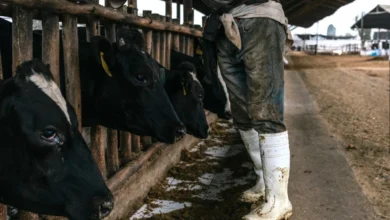
In conventional intensive systems, veterinarians often find themselves applying solutions to problems created by the environment itself. High stocking densities lead to increased parasite burdens, which are managed through heavy doses of anti-parasitic medications. To achieve unnaturally high milk yields, dairy cows are often pushed into negative energy balances, necessitating hormonal injections to maintain fertility. Furthermore, because animals are often confined to monoculture grass fields or indoor facilities, they lack access to the diverse "browse"—such as willow or medicinal herbs—that would naturally supplement their mineral and vitamin needs.
Even the physical structure of modern livestock is a byproduct of these engineered environments. For example, the use of angle grinders to maintain the feet of dairy cows is a direct response to the animals being forced to walk on concrete tracks while carrying udders that are unnaturally heavy due to intensive breeding for production volume. These interventions, while necessary for welfare in the current context, represent a departure from the inherent health and resilience found in pastoralist systems.
The Ecological Science of Pastoralist Systems
Pastoralism functions by mimicking natural patterns of herbivore movement, a strategy that has evolved over millennia to operate within the ecological limits of the landscape. This movement is not random; it is a precise tool for landscape management. Seasonal migration prevents the overgrazing of pasture, allowing vegetation and soils time to recover. This recovery period is essential for carbon sequestration, as healthy rangelands act as significant carbon sinks.
From a health perspective, the movement of herds interrupts the life cycles of various parasites, naturally reducing the disease burden without the need for synthetic chemicals. As livestock move across diverse terrains, they contribute to wider ecosystem processes. They cycle nutrients through their waste, disperse seeds through their movement and digestion, and maintain diverse habitats that support a wide range of wildlife. In this sense, pastoralism is less a food production system and more a form of holistic landscape stewardship.
The "reciprocal relationship" between people and the landscape is the cornerstone of pastoralist survival. Unlike conventional systems that treat land as a static production unit, pastoralism recognizes the land as a living system that requires restoration in balance with production.
Chronology of Global Recognition and the Road to 2026
The journey toward the International Year of Rangelands and Pastoralists has been a multi-year diplomatic and scientific effort.
- 2010–2015: Growing recognition among climate scientists that rangelands, which cover over 50% of the Earth’s land surface, are critical for climate mitigation and the livelihoods of nearly 500 million people.
- 2016: The International Rangeland Congress and the International Grassland Congress begin formal discussions on the need for a UN-designated year to protect mobile herding.
- 2019: The Government of Mongolia, supported by an international coalition of over 300 organizations, formally proposes the IYRP to the FAO.
- 2021: The FAO Committee on Agriculture (COAG) endorses the proposal, highlighting that pastoralism is highly compatible with the Sustainable Development Goals (SDGs), particularly those related to poverty, hunger, and life on land.
- 2022: The UN General Assembly officially adopts the resolution, declaring 2026 as the International Year of Rangelands and Pastoralists.
- Present Day: Advocacy groups and organizations like the Sustainable Food Trust are using the lead-up to 2026 to integrate pastoralist principles into national agricultural policies.
Supporting Data: The Global Impact of Rangelands
Rangelands are often dismissed as "wastelands" or "marginal lands" because they are unsuitable for intensive crop cultivation. However, data from the FAO and the World Bank suggest otherwise:
- Land Coverage: Rangelands cover approximately 54% of the world’s terrestrial surface, making them the largest land-use category on the planet.
- Economic Value: Pastoralism contributes significantly to the GDP of many developing nations. In some East African countries, the livestock sector (primarily pastoralist) accounts for up to 40% of agricultural GDP.
- Biodiversity: Grazing by pastoralist herds is essential for maintaining the health of grasslands, which are among the most biodiverse ecosystems in the world, often rivaling forests in their variety of plant and insect life.
- Climate Resilience: Mobile pastoralism is one of the most resilient food systems in the face of climate change. Unlike stationary farms, pastoralists can move their "assets" (livestock) to follow rainfall and vegetation growth.
The Shifting Role of the Veterinarian and the Food System
The transition toward more pastoral-inspired systems requires a fundamental redefinition of roles across the food chain. For the veterinary profession, this represents a shift from being reactive responders to disease toward becoming "interpreters of systemic health."
Lewis Griffiths, Director at VetSalus—an international network of veterinarians—notes that as agricultural systems change, vets must remain intimately connected with both farmers and animals. This ensures that animal welfare is not compromised during the transition to regenerative practices. In this new model, veterinary expertise expands to include ecology, nutrition, behavior, and systems thinking. By working at the intersection of animal wellbeing and landscape resilience, vets can help break down the "silos" that currently separate agriculture from environmental conservation.
Implications for the Future: Regenerative Agriculture and Connection
While transforming regions like the United Kingdom into vast, rewilded plains may not be feasible, the integration of "ecological principles" is increasingly seen as essential for the survival of the farming sector. The Nature Friendly Farming Network (NFFN) has warned that farms must work with nature to survive rising input costs and climate instability.
Several regenerative techniques are already gaining traction in the UK and Europe, mirroring pastoralist wisdom:
- Mob Grazing: A technique involving high-density grazing for short periods followed by long recovery times, mimicking the movement of wild herds.
- Herbal Leys: The use of diverse pasture mixes containing legumes and herbs to improve soil health and animal nutrition.
- Silvopasture: Integrating trees and livestock, allowing animals to "browse" on foliage, which has been shown to enhance their mineral and vitamin status.
Beyond the technical aspects of farming, the IYRP serves as a mirror to the modern human connection—or lack thereof—with the land. The Sustainable Food Trust has developed the "Beacon Farms Network" to address this separation, providing "seeing is believing" experiences that allow children and adults to reconnect with the origins of their food.
The ultimate lesson of the International Year of Rangelands and Pastoralists is that human survival depends on recognizing the planet not as a series of resources to be extracted, but as a living system of which we are a part. By embracing the principles of movement, diversity, and restoration, modern agriculture may find a path toward a more resilient and sustainable future. These small acts of reconnection—whether through supporting local regenerative farms or understanding the ecological footprint of our diets—begin to rebuild the essential bond between people and the environment that supports them.