Navigating America’s Food Safety Crisis: Inside the 2026 Recalls, Regulatory Gaps, and What Consumers Can Do

The summer of 2026 will long be remembered by American consumers as a period of profound culinary anxiety, characterized by a relentless wave of high-profile foodborne illness outbreaks. From a record-breaking cyclosporiasis outbreak traced to iceberg lettuce and listeria-contaminated pork products to E. coli strains discovered in frozen blueberries, the nation’s food supply seemed besieged by persistent biological threats. This unprecedented cluster of contaminations spawned a viral ecosystem of dark humor and memes regarding gastrointestinal distress, while deepening public skepticism toward the federal regulatory apparatus charged with safeguarding the nation’s food. At the heart of these systemic failures lies a heavy reliance on end-of-the-line recalls—a defensive mechanism deployed only after potentially contaminated goods have already reached store shelves and consumer kitchens.
Anatomy of a Food Recall: Why Products Are Pulled from Shelves
Food recalls represent a critical, albeit reactive, safety net designed to intercept hazards before they cause widespread public health crises. However, the root causes of these regulatory interventions vary widely, stemming from biological, mechanical, chemical, or administrative failures along the global supply chain.
Pathogens such as bacteria, viruses, and parasites remain the most dangerous culprits. Microorganisms like Salmonella, E. coli, Listeria monocytogenes, and Cyclospora can contaminate agricultural products and processed foods at any stage, ranging from agricultural fields irrigated with tainted water to unsanitary meatpacking facilities and processing plants. While routine inspections are intended to catch these vectors early, microscopic pathogens frequently evade detection until finished goods are distributed.
Physical hazards constitute another frequent catalyst for recalls. Inedible foreign objects routinely infiltrate food products during high-speed industrial processing and packaging. Metal shavings and micro-plastics frequently slough off worn-out factory machinery, while brittle plastic or glass fragments can accidentally shatter near production lines. Even minuscule foreign bodies pose severe risks of laceration, choking, or internal injury when swallowed, triggering sweeping recalls of entire production lots.
Allergenic mislabeling represents a third major category. Federal law mandates that manufacturers explicitly disclose the presence of major food allergens, including milk, eggs, fish, crustacean shellfish, tree nuts, peanuts, wheat, and soybeans. Production line errors, ingredient substitution mishaps, and poorly vetted foreign imports frequently lead to undeclared allergens slipping past quality control checks, posing life-threatening risks to vulnerable consumers.
Finally, administrative and regulatory non-compliance accounts for a distinct subset of recalls. Failures to adhere strictly to mandated processing protocols—such as missing a required import inspection for foreign meat shipments—can trigger mandatory product withdrawals even if the underlying foodstuff is entirely free of pathogens. These bureaucratic errors highlight the rigid adherence required within modern food manufacturing frameworks.
The Mechanics of Oversight: FDA versus USDA Jurisdiction
The architecture governing food safety in the United States is fragmented across multiple federal agencies, most notably the Food and Drug Administration (FDA) and the United States Department of Agriculture’s Food Safety Inspection Service (FSIS). Understanding how a recall initiates requires examining this complex jurisdictional division.
The FDA maintains regulatory oversight over approximately 80 percent of the U.S. food supply, encompassing everything from fresh produce and seafood to packaged goods and dietary supplements. However, the agency operates under severe structural constraints; it inspects food production facilities on an infrequent basis and exerts minimal pre-market oversight over most non-meat products.
Conversely, the FSIS holds exclusive jurisdiction over meat, poultry, and processed egg products—high-risk commodities historically associated with severe bacterial proliferation during slaughter and packaging. Under federal law, the FSIS maintains continuous, on-site inspection mandates at meatpacking facilities and must explicitly approve all product labels prior to market entry.
When a safety failure occurs, the discovery process typically follows one of several distinct pathways. In the vast majority of cases, food manufacturers identify anomalies internally through quality assurance audits, equipment malfunctions, or paperwork discrepancies. Alternatively, federal, state, or local health inspectors may uncover contamination during routine facility audits or random product sampling initiatives.
When illness occurs in the general population, epidemiological detective work begins. The Centers for Disease Control and Prevention (CDC), alongside state and local health departments, monitor regional disease clusters. Epidemiologists interview infected individuals to isolate common dietary exposures, subsequently alerting the FDA or FSIS to suspected commercial vectors.
Once notified, regulatory investigators collaborate with corporate entities to determine the scope, severity, and distribution of the affected batches. While companies almost universally execute voluntary recalls to protect their brand equity, federal regulators retain varying degrees of enforcement authority should compliance stall.
Chronology of a Crisis: The 2026 Outbreak Timeline
The vulnerability of the American food system was laid bare during a tumultuous sequence of events throughout the spring and summer of 2026. A chronological examination of these outbreaks highlights systemic delays in reporting, regulatory friction, and the chaotic information flow that accompanied public warnings.
In April 2026, the FDA requested that Raw Farm, a prominent producer of unpasteurized milk and artisan cheeses, voluntarily recall its raw cheddar products after epidemiological data linked the dairy items to an aggressive E. coli outbreak that hospitalized three individuals. Raw Farm initially resisted the federal request, asserting that internal company testing failed to isolate the matching bacterial strain. It was not until subsequent federal inspections uncovered systemic sanitation failures at the production facility that the company agreed to a localized recall, though management continued to publicly dispute its liability. Critics argued that the company’s intransigence kept tainted dairy products on retail shelves for weeks longer than necessary, exposing structural weaknesses in the FDA’s enforcement capabilities.
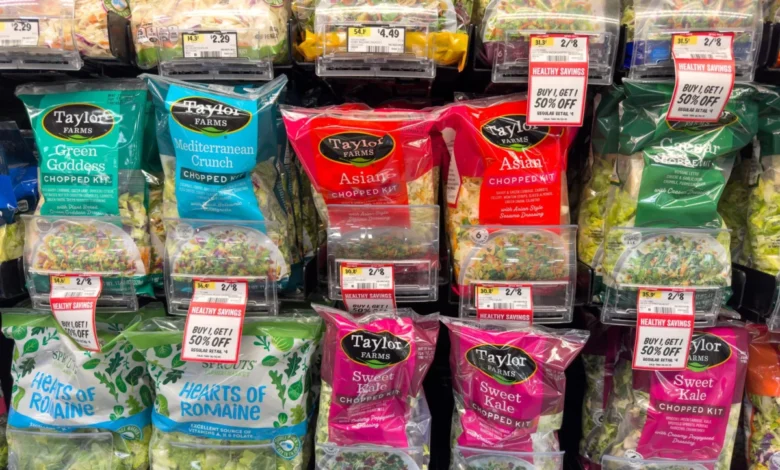
By mid-summer, a much larger crisis unfolded within the fresh produce sector. A record-breaking cyclosporiasis outbreak tied to iceberg lettuce sickened hundreds of consumers nationwide. On August 15, 2026, investigative reports detailed how state health officials in Michigan encountered severe resistance when attempting to trace supply chain records from major fast-food chains back to agricultural distributors. Health investigators submitted repeated data requests to corporate stakeholders before receiving the necessary documentation to implicate Taylor Farms lettuce.
The delay underscored the real-world consequences of regulatory rollbacks. A proposed federal mandate requiring food companies to surrender requested traceability data to health authorities within 24 hours had been shelved following intense corporate lobbying by agricultural trade groups, which argued the recordkeeping burden was too onerous. Consequently, nearly two weeks elapsed between initial information requests and the definitive identification of the contamination source, leaving consumers unprotected during the height of the outbreak.
Adding to the public confusion, the FDA subsequently announced that lettuce samples from Taylor Farms de Mexico tested positive for Cyclospora, prompting an immediate voluntary recall. However, days later, the regulatory agency retracted its statement, conceding that the positive test results were false positives. Taylor Farms capitalized on the misstep by broadcasting claims that the FDA had formally apologized, creating the misleading impression that the company bore no responsibility. This administrative whiplash severely damaged consumer confidence, causing widespread public avoidance of all fresh produce regardless of origin.
Systemic Vulnerabilities: Deregulation and Enforcement Gaps
Public health experts and policy analysts have pointed to structural policy shifts as compounding factors in the 2026 food safety breakdowns. Over recent years, federal budget cuts have left food safety monitoring agencies chronically understaffed and ill-equipped to oversee an increasingly globalized and complex supply chain. Furthermore, regulatory rollbacks under the Trump administration dismantled several active oversight programs and rescinded transparency mandates that would have compelled corporations to disclose contamination risks more rapidly.
While some industry defenders argue that the surge in 2026 recalls reflects more effective testing protocols and sophisticated molecular tracking rather than an absolute increase in contaminated food, critics counter that regulatory blind spots have undeniably expanded. The federal system’s reliance on voluntary compliance creates an inherent conflict of interest, where corporate reputation management can supersede rapid public notification.
While the FSIS lacks statutory authority to issue mandatory recalls for meat products—relying instead on its preemptive inspection authority to seize unapproved goods—the FDA possesses the explicit legal power to enforce mandatory recalls when companies refuse to cooperate. Yet, federal agencies historically treat mandatory recalls as a weapon of absolute last resort, preferring negotiated voluntary withdrawals to avoid lengthy litigation and ensure corporate cooperation in physical product retrieval.
Actionable Guidance: What Consumers Must Do During a Recall
Navigating the constant stream of safety alerts requires a methodical approach that balances vigilance with perspective. Mass media alerts and social media algorithms often generate a sense of pervasive danger, leading consumers to discard safe foodstuffs or abandon entire nutritional categories.
To effectively manage food recall risks, consumers should adhere to established best practices:
Verify the Scope of the Recall: Never assume an entire food category is tainted based on a headline. Consult official databases maintained by the FDA or the USDA FSIS to review specific brand names, Universal Product Codes (UPCs), lot numbers, and distribution regions. Recalls are intentionally cast with wide nets to ensure safety, meaning identical products from unlisted brands remain safe for consumption.
Proactive Monitoring: Consumers seeking real-time updates can subscribe to direct email alert systems provided by federal regulatory agencies or establish customized news filters for regional food safety notifications.
Understand Allergen versus Pathogen Recalls: If a product is recalled due to an undeclared allergen, individuals without food sensitivities may consume the item safely. Conversely, products recalled due to biological pathogens (such as E. coli, Listeria, or Salmonella) or physical foreign objects must never be consumed.
Utilize Return and Refund Policies: Consumers in possession of recalled goods should immediately return them to the retail point of purchase for a full refund or safely dispose of them in sealed containers to prevent accidental ingestion or cross-contamination.
Maintain Rigorous Kitchen Hygiene: Because foodborne outbreaks frequently enter the public consciousness before official product recalls are finalized, rigorous domestic food safety practices remain an essential baseline defense. Thoroughly washing fresh produce under running water, cooking meats to recommended internal temperatures, sanitizing food preparation surfaces, and preventing cross-contamination between raw animal products and ready-to-eat foods significantly reduce the probability of severe illness.
Ultimately, while structural reforms are urgently required to mend America’s fractured regulatory monitoring apparatus, individual awareness remains a vital shield against the unpredictable hazards of the modern food supply chain.