Mexican-Inspired Tortilla Quiche Blends French Culinary Tradition With Modern Weeknight Convenience

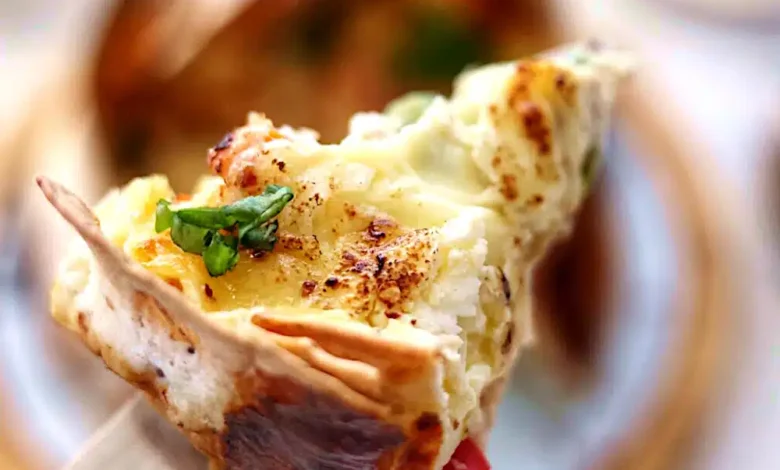
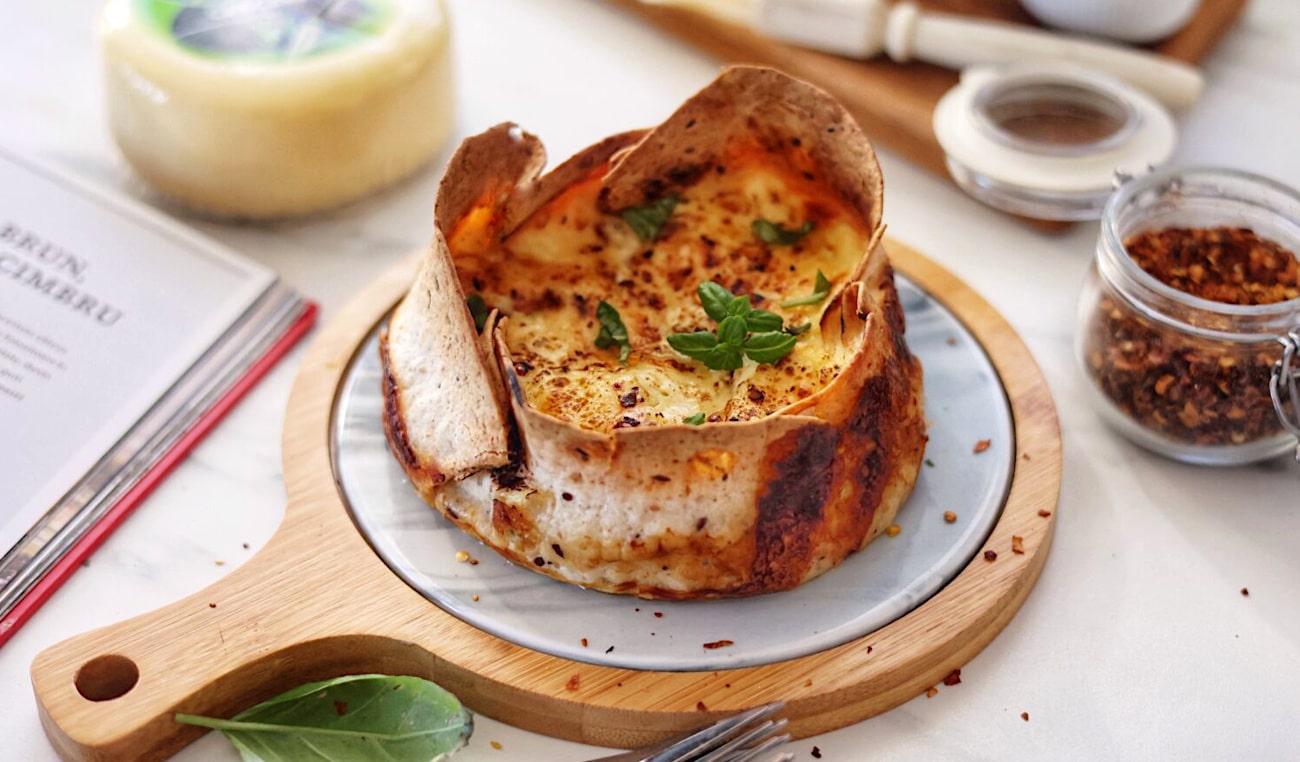
The global culinary landscape has long been defined by the cross-pollination of regional techniques, resulting in innovative hybrid dishes that cater to the evolving demands of modern consumers. The latest addition to this gastronomic trend is the Mexican-inspired tortilla quiche, a recipe developed by food writer and culinary creator Elena-Greta Apostol. Published as part of an ongoing exploration into accessible fusion cuisine, the dish reimagines the classic French quiche by replacing traditional pastry dough with a standard flour tortilla. This modification significantly reduces preparation time while introducing a vibrant profile of Mexican-inspired ingredients, including savory cheeses, colorful vegetables, and chili flakes.
The introduction of the tortilla quiche arrives at a time when home cooking trends increasingly favor efficiency without sacrificing flavor or nutritional value. Industry data from culinary market research firms indicates a steady rise in consumer interest for weeknight meals that require under an hour of total investment. By eliminating the notoriously labor-intensive step of rolling out pie crust or pastry dough, this recipe addresses a primary pain point for busy households. The dish requires approximately 10 minutes of active preparation time, 45 minutes of baking, and a brief 10-minute resting period, bringing the total time to just over an hour.
Culinary Evolution: Bridging French Technique and Mexican Flavor Profiles
At its core, the quiche is a staple of French gastronomy, traditionally consisting of an open-faced pastry crust filled with a savory custard made of eggs, cream, or milk, and various combinations of cheese, meats, or vegetables. While the French approach emphasizes butter-rich, flaky pastry dough, the modern adaptation shifts the structural foundation of the dish to a readily available wheat flour tortilla.
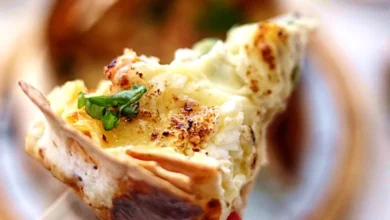
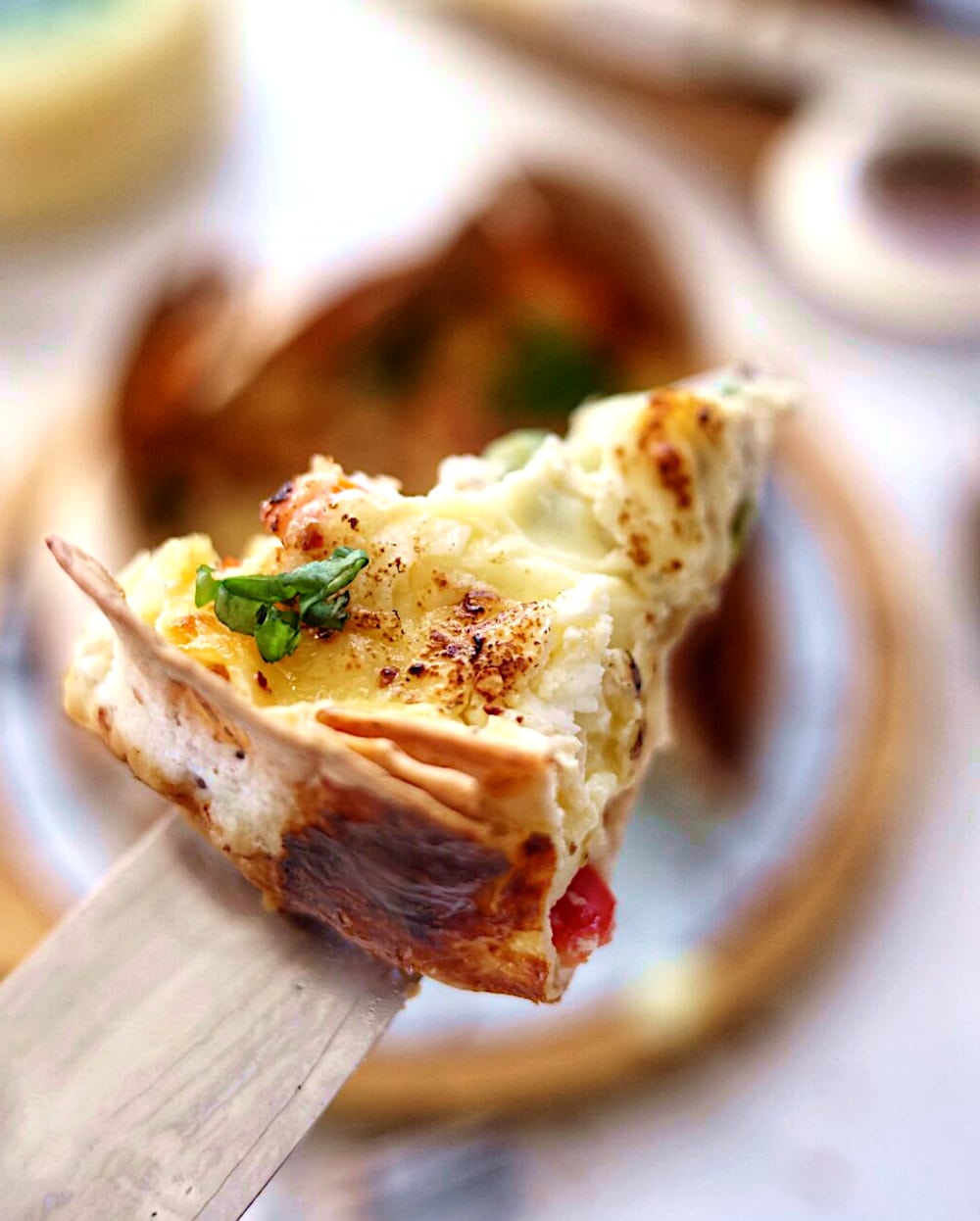
This substitution alters not only the texture but also the nutritional and logistical profile of the meal. Wheat tortillas crisp along the edges during the baking process while maintaining a soft, absorbent base that cradles a rich filling of eggs, sour cream, and melted cheese. The addition of chili flakes introduces a subtle warmth, characteristic of Mexican-inspired cuisine, creating a deliberate contrast to the traditionally mild and rich profile of a classic quiche Lorraine or vegetable quiche.
According to culinary historians and food trend analysts, fusion recipes that utilize staple items like tortillas reflect a broader movement toward pantry-friendly cooking. In an economic climate where consumers are increasingly mindful of food waste and grocery expenditures, utilizing versatile, multi-purpose ingredients—such as tortillas typically reserved for tacos or quesadillas—allows home cooks to minimize specialized purchases.
Nutritional Analysis and Dietary Versatility
From a nutritional standpoint, replacing traditional butter-heavy pie crust with a single flour tortilla alters the caloric and macronutrient distribution of the dish. Traditional quiche crusts are typically high in saturated fats due to the incorporation of butter or shortening. While flour tortillas contain carbohydrates and varying levels of fats depending on the brand, they generally offer a lighter structural alternative that reduces the overall heavy pastry content per serving.
The filling—comprising whole eggs, sour cream, and cheese—provides a substantial source of dietary protein and calcium, while the inclusion of mixed vegetables adds essential micronutrients and dietary fiber. Nutritionists note that egg-based dishes like quiche serve as an effective vehicle for incorporating leftover vegetables, aligning with broader public health initiatives aimed at reducing household food waste and increasing vegetable consumption.
The recipe is scaled natively for two servings, positioning it as an ideal option for smaller households, couples, or individuals seeking portion-controlled meals that do not generate excessive leftovers. However, culinary experts point out that the formula can be easily scaled up or adapted for larger gatherings by utilizing larger baking vessels or multiple tortillas to line standard pie pans.

Integration Into Modern Meal Planning and Dining Trends
The versatility of the Mexican-inspired tortilla quiche extends beyond standard breakfast or brunch menus. Food industry observers note a growing preference for "all-day breakfast" items and multi-functional dishes that can transition seamlessly from a morning meal to an evening supper or a finger food at casual gatherings.
According to recipe guidelines provided by Apostol, the dish can be served warm for brunch or lunch, paired with a crisp green salad dressed in a bright vinaigrette to create a balanced dinner, or allowed to cool completely and sliced into bite-sized wedges for appetizers and snacks. This adaptability makes it a valuable asset for meal-prep enthusiasts and hosts looking for low-stress entertaining options.
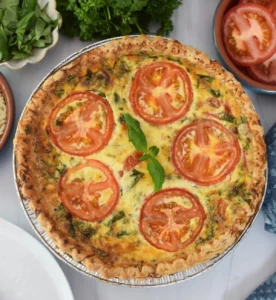
The publication of the tortilla quiche follows a series of similar creative variations featured across culinary platforms, including pea and cream cheese quiche, zucchini quiche, spinach and cheese quiche, salmon and broccoli quiche, and miniature shrimp and bacon quiches. These iterations demonstrate a sustained consumer appetite for reinventing classic comfort foods with unexpected flavor combinations and streamlined cooking methods.
Broader Economic and Cultural Implications
The popularity of hybrid recipes like the tortilla quiche underscores the democratization of global cuisine through digital media. Food bloggers and culinary creators operating independent platforms play a pivotal role in translating professional kitchen techniques into accessible formats for home cooks. By lowering the barrier to entry for complex-seeming dishes like quiche, these digital recipes encourage culinary experimentation and confidence in the kitchen.
Furthermore, the integration of Mexican flavor profiles into European culinary frameworks highlights the ongoing globalization of home cooking. As consumers become more adventurous and culturally diverse in their palates, traditional culinary boundaries continue to blur, paving the way for innovative dishes that respect historical techniques while embracing contemporary convenience.
As food editors and recipe developers look toward future trends, the emphasis remains on speed, accessibility, and flavor customization. The Mexican-inspired tortilla quiche stands as a practical example of how traditional baking can be successfully adapted to meet the fast-paced demands of modern lifestyles without compromising on taste, presentation, or culinary integrity.