Mexican-Inspired Tortilla Quiche Bridges French Culinary Tradition with Mexican Flavors

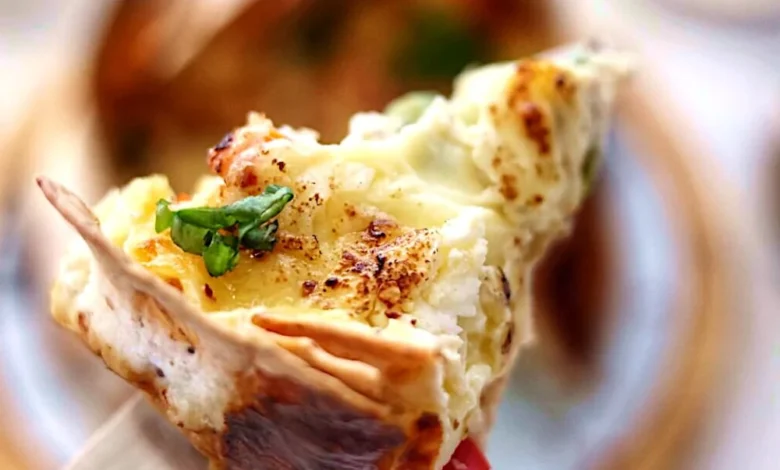
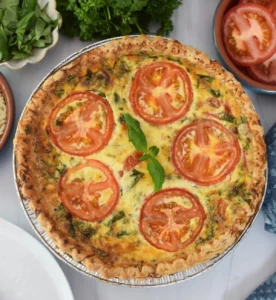
The contemporary culinary landscape is increasingly defined by cross-cultural innovation, where heritage techniques are reimagined using accessible, everyday ingredients. A notable example of this global fusion trend is the introduction of the Mexican-Inspired Tortilla Quiche, developed by food writer and recipe creator Elena-Greta Apostol. Published as part of an ongoing culinary series exploring international flavor integration, the dish merges the traditional French baking technique of the savory quiche with vibrant, spice-forward elements characteristic of Mexican cuisine. By replacing the labor-intensive, butter-heavy pastry crust with a standard flour tortilla, this recipe addresses modern consumer demands for convenience, reduced preparation time, and lighter nutritional profiles without sacrificing textural complexity or depth of flavor.
Background Context of the Culinary Trend
The evolution of home cooking over the past decade has been heavily influenced by the democratization of global recipes through digital platforms. Traditional French quiche, historically anchored by a pâte brisée or pâte feuilletée, requires precise measurement, chilling, and rolling—steps that often deter time-constrained home cooks. Simultaneously, Mexican-inspired flavors, characterized by the inclusion of fresh vegetables, chilies, dairy components like sour cream and queso fresco or regional melting cheeses, and aromatic spices, have achieved mass global appeal.
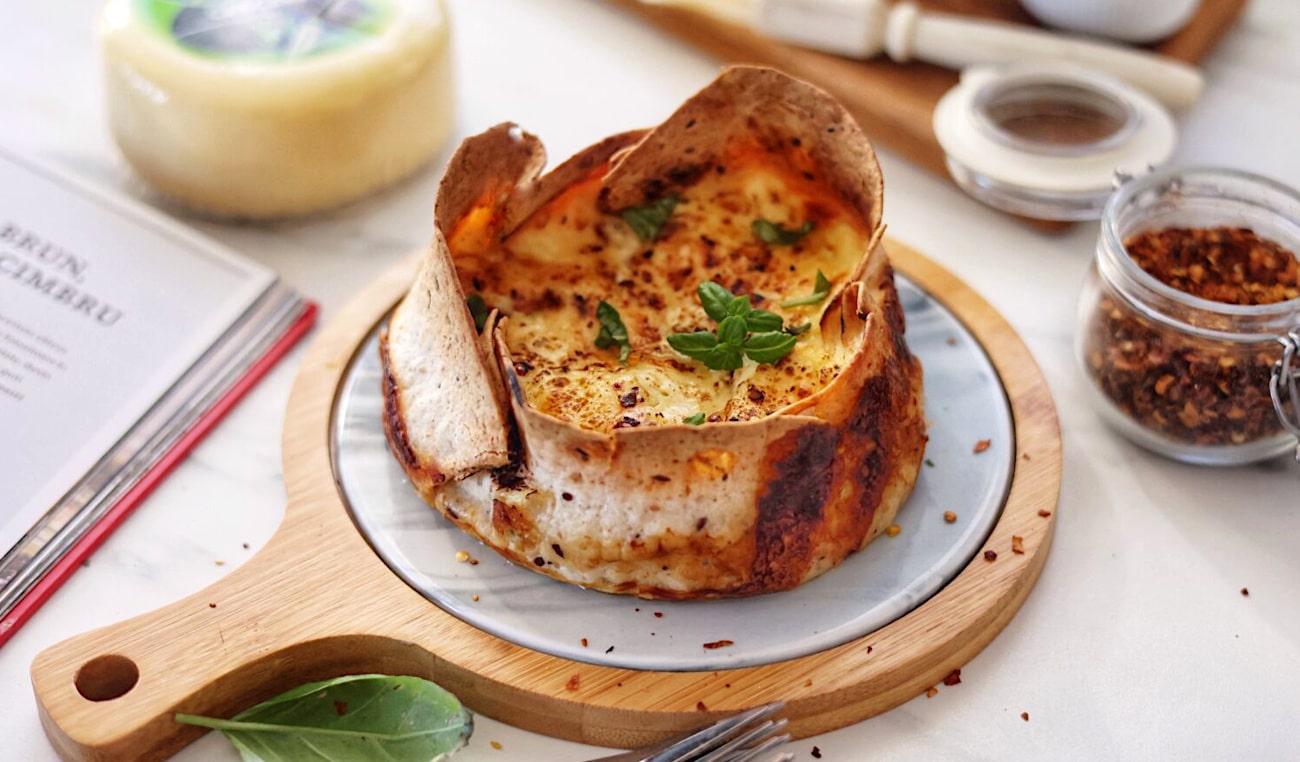
Culinary historians note that ingredient substitution driven by cross-cultural exchange is not a new phenomenon; however, contemporary adaptations focus heavily on fusion-at-home models. The tortilla quiche serves as a prime case study in this movement. By utilizing a flour tortilla as a structural vessel, the recipe eliminates the need for specialized pastry-making skills, lowering the barrier to entry for novice cooks while offering a streamlined workflow for busy households.
Recipe Anatomy and Chronology of Preparation
From a technical standpoint, the preparation of the Mexican-Inspired Tortilla Quiche is designed for efficiency. Designed to yield two servings, the entire process requires approximately one hour and five minutes from inception to the table.
The chronology begins with a rapid 10-minute preparation phase. During this initial window, the flour tortilla is fitted into a suitable baking dish to form the structural base of the quiche. Unlike traditional pastry shells that demand blind baking to prevent a soggy bottom, the tortilla adapts readily to the moisture levels of the filling when managed correctly. The filling components are prepared simultaneously, involving the whisking of fresh eggs with sour cream—a substitution for heavy cream that imparts a distinct tang and lighter mouthfeel—alongside finely diced colorful vegetables and a measured quantity of chili flakes to introduce a mild, warming heat profile.
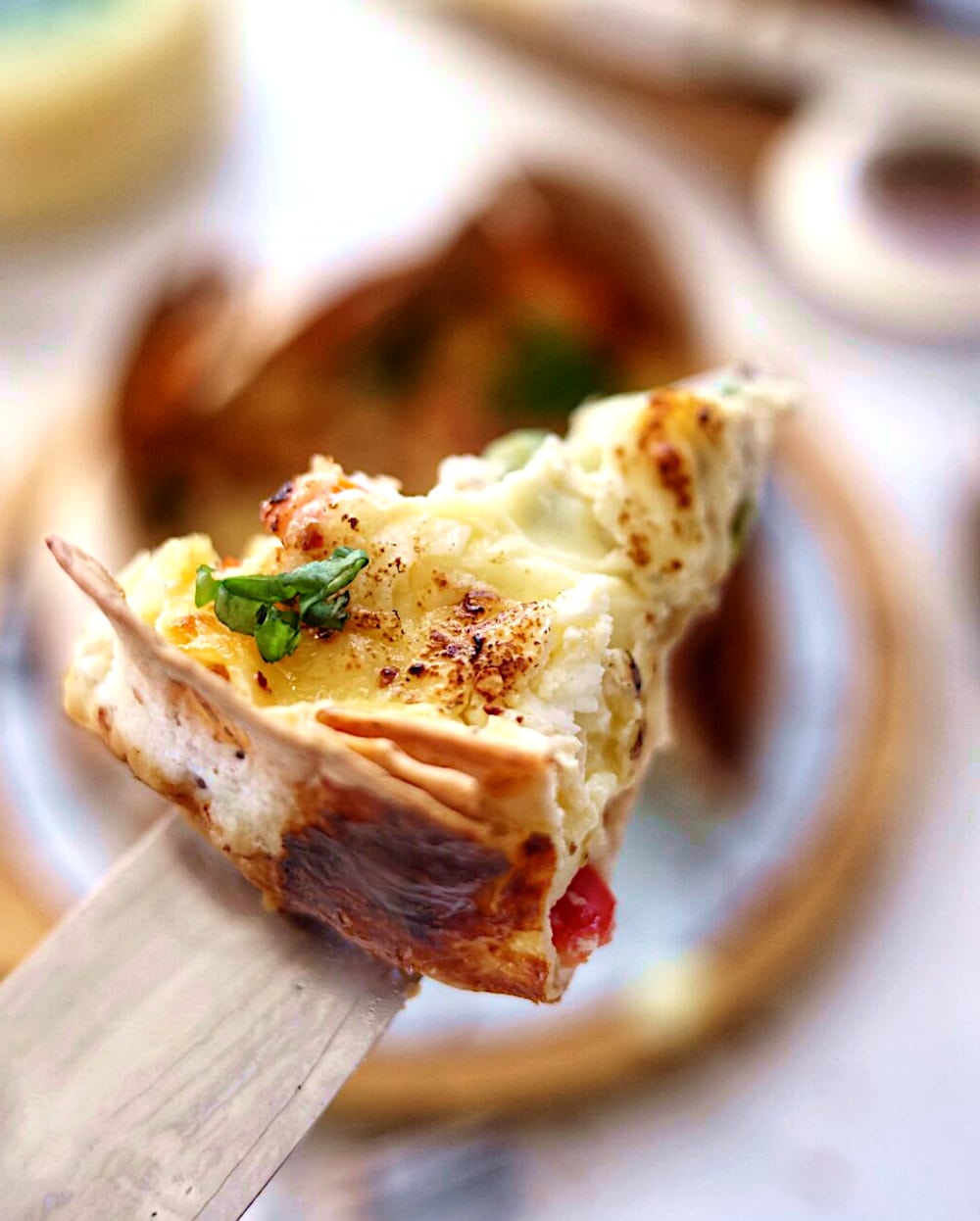
The cooking phase spans approximately 45 minutes, during which the egg proteins coagulate, trapping the moisture of the vegetables and the richness of the melted cheese within the tortilla crust. This is followed by a mandatory 10-minute resting period. Culinary experts emphasize this waiting time as a critical structural step, allowing the internal starches and proteins to set fully, ensuring clean slices when the quiche is portioned for service.
Nutritional and Market Implications
The intersection of convenience and global flavors has significant implications for modern meal planning. According to recent culinary market analyses, home cooks increasingly seek versatile recipes that can transition across multiple dining occasions. The tortilla quiche fulfills this criterion by serving as a viable option for breakfast, brunch, light lunches, or—when paired with a crisp green salad—an uncomplicated weeknight dinner. Furthermore, when sliced into smaller wedges after cooling, it functions effectively as an appetizer or finger food for casual gatherings.
From a nutritional perspective, substituting a traditional butter-based pastry crust with a standard flour tortilla alters the macronutrient profile of the dish. While traditional quiche crusts are dense in saturated fats derived from butter or shortening, flour tortillas generally offer a lower overall fat content per serving, though considerations regarding carbohydrate intake remain. The incorporation of a vegetable-heavy, egg-based filling ensures a balanced profile of micronutrients, dietary fiber, and complete proteins, aligning with current dietary preferences for nutrient-dense, balanced meals.

Expert Insights and Creator Perspective
Elena-Greta Apostol, who transitioned from a successful career in corporate advertising to pursue food journalism and recipe development full-time, designed the dish to reflect both personal nostalgia and professional culinary exploration. According to statements accompanying the recipe’s release, Apostol’s approach heavily incorporates techniques learned from domestic cooking traditions while experimenting with unconventional ingredient pairings.
"What excites me is sharing flavors that transport me back, utilizing fundamental kitchen techniques, and experimenting with new ingredients while exploring forgotten or unexpected corners of gastronomy," Apostol noted regarding her culinary philosophy.
Food industry analysts point out that creators like Apostol play a vital role in shaping contemporary home economics. By lowering the intimidation factor associated with French baking techniques and pairing them with accessible flavor profiles, such recipes encourage culinary experimentation among consumers who might otherwise rely on processed convenience foods.
Broader Industry Impact and Future Outlook
The reception of the Mexican-Inspired Tortilla Quiche highlights a broader shift in how digital food media operates. Recipes that bridge two distinct culinary pillars—in this case, French pastry science and Mexican flavorology—tend to generate high engagement due to their novelty and practicality.
As food media continues to evolve, trends indicate a sustained demand for hybridized dishes that offer reduced preparation times without compromising gourmet presentation. The success of the tortilla quiche points toward a future where traditional culinary boundaries continue to dissolve, driven by home cooks and recipe developers seeking efficient, flavor-forward solutions for modern lifestyles. Whether served warm as a centerpiece for weekend brunch or cooled as a portable snack, the dish exemplifies the adaptability required in today’s dynamic culinary ecosystem.