A Culinary Odyssey: Chef Yurii "Montana" Kliemientiev’s Journey from European Kitchens to Alabama’s Private Dining Scene

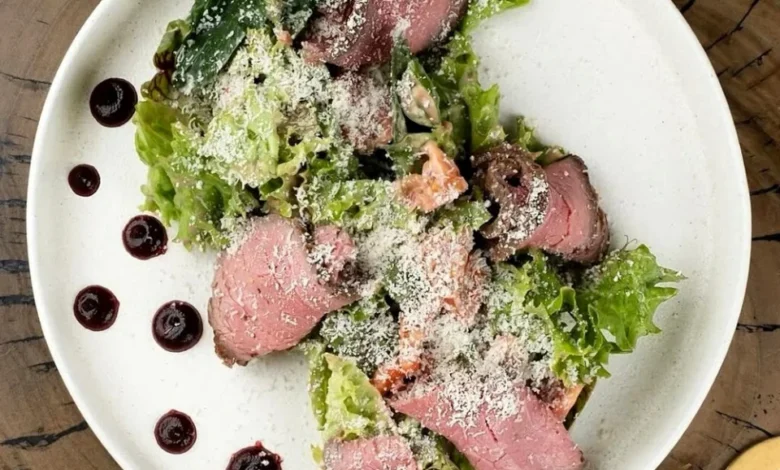
Yurii "Chef Montana" Kliemientiev’s remarkable trajectory from the demanding professional kitchens of Europe to establishing a flourishing private dining business in Huntsville, Alabama, stands as a testament to resilience, unwavering discipline, and a profound reverence for the culinary arts. Having ignited his passion for cooking at the tender age of 17, Kliemientiev meticulously ascended through every tier of the industry, mastering classical techniques, embracing diverse global culinary traditions, and ultimately forging a distinctive style that harmoniously blends French foundations, Mediterranean vibrancy, and Pan-Asian intensity. Today, as a highly sought-after private chef in Huntsville, he translates the precision and artistry of high-end restaurant dining into intimate, personalized experiences, crafting menus deeply rooted in both technical mastery and a heartfelt connection to his guests. This comprehensive account delves into his inspiring journey from Ukraine to the United States, the invaluable lessons gleaned from international kitchens, and the intricate path to succeeding as an independent chef in an entirely new country and cultural landscape.
The Genesis of a Culinary Calling: From Necessity to Passion
Chef Kliemientiev’s initiation into the culinary world began not as an immediate calling, but out of sheer necessity. At 17, cooking was primarily a means to sustain himself – to cover school fees, rent, and daily expenses. However, the relentless rhythm and camaraderie of the professional kitchen soon enveloped him, transforming a job into an all-consuming passion. He recounts the grueling 16-hour shifts, six days a week, where colleagues became a surrogate family and the kitchen itself, a second home. This immersive environment revealed to him the boundless nature of culinary learning, a discipline where the declaration "I’ve learned it all" is perpetually elusive. It was in this crucible of constant discovery and shared endeavor that Kliemientiev recognized his true belonging.
His childhood, like many chefs, played a foundational role, with early culinary explorations guided by his grandmother. These initial steps in a home kitchen, driven by familial warmth, laid a subconscious groundwork that the rigorous restaurant world later refined and elevated. Kliemientiev strongly advocates for the philosophy of learning from the best, stating, "To be the best, you have to work with the best." He emphasizes that true professional development is less about the sheer number of years spent in a kitchen and more about the caliber of one’s mentors. This ethos drove him to seek out environments where he could hone his skills alongside highly accomplished chefs, even if it meant a shorter, more intense period of apprenticeship.

At the core of his culinary philosophy lies a deep respect for French cuisine, which he considers the indispensable "cornerstone of the culinary world." He asserts that mastery of French techniques – from foundational sauces to intricate preparations – is essential for any successful chef. This classical bedrock is then dynamically complemented by the vibrant flavors of Italian and Mediterranean cooking, characterized by their brightness, freshness, and celebration of seafood, cured meats, cheeses, and sun-ripened vegetables. Adding another layer of complexity and excitement is Pan-Asian cuisine, which Kliemientiev associates with "fire and heat, umami, spice, intensity, boldness, and acidity." This potent combination, he believes, harmonizes beautifully with European sensibilities, creating a cohesive and compelling culinary identity.
Lessons Forged in International Kitchens: Discipline and Precision
Over his career, Chef Kliemientiev has navigated more than ten distinct restaurant environments across Ukraine, Poland, Croatia, and Norway, before ultimately landing in the United States. This extensive international exposure instilled a set of core principles that have profoundly shaped his approach to cooking and professionalism. These "five lessons" are hallmarks of high-level culinary operations:
- Impeccable Workspace Cleanliness: Kliemientiev describes his ideal kitchen as a hybrid between a surgical operating room and a Michelin-star establishment. This goes beyond mere hygiene; it’s a fundamental respect for the craft and a prerequisite for precision. Strict training involved even the proper folding and alignment of towels, underscoring the meticulous attention to detail required.
- Strategic Preparation: Every day in the kitchen demands a structured plan with clear priorities. Beyond the immediate demands of service, understanding and executing preparatory tasks ("mise en place") efficiently is critical for seamless operation and consistent quality.
- Professional Appearance: A chef’s appearance, from clean hands and trimmed nails to a pressed apron and spotless shoes, reflects their professionalism and respect for their craft and environment. This visual discipline contributes to the overall order and high standards of a kitchen.
- Respect for Tools: Knives, a chef’s most essential tools, must always be sharp and clean. Kliemientiev humorously (and gravely) recounts the severe implications of presenting a dull knife to a head chef during service, emphasizing the importance of tool maintenance for safety, efficiency, and respect within the hierarchy.
- Military-Level Discipline and Obedience: The kitchen operates as a highly synchronized mechanism, demanding unwavering discipline. This includes arriving early, leaving late, executing instructions precisely, and refraining from unnecessary questioning or improvisation. The chef’s decision is paramount, and responsibility for outcomes rests with them, requiring every team member to function with the precision of a "Swiss watch."
These lessons, cultivated through years of rigorous training in diverse culinary cultures, provided Chef Montana with an unshakeable foundation of technical skill, organizational prowess, and professional ethos that would prove invaluable in his entrepreneurial venture.
The Bold Leap: Private Dining in Huntsville, Alabama

Chef Kliemientiev’s decision to launch a private chef business in Huntsville, Alabama, a city not traditionally renowned for its high-end private dining scene, was driven by a deep-seated love for his craft and a desire for creative autonomy. After years of the demanding, albeit formative, restaurant grind, he sought a new avenue to express his culinary vision without "starting over from zero again" as a line cook. The private chef model offered a "second wind," allowing him to channel his extensive experience into personalized, intimate dining experiences.
He clarifies his service is not "fine dining" in the exclusive, often inaccessible sense of tiny portions and exorbitant costs, but rather a reflection of his accumulated experience, passion, and skill. His philosophy centers on continuous learning and pushing personal boundaries, allowing his unique culinary style to evolve organically. Huntsville, he admits, was not a pre-planned destination but a fortuitous stop on his life’s journey. The city, a rapidly growing technological hub often dubbed "Rocket City," has seen a significant influx of diverse professionals and a burgeoning interest in elevated culinary experiences. This evolving demographic created an unexpected yet fertile ground for Kliemientiev’s unique offering. His success suggests a natural alignment between his sophisticated yet accessible approach and Huntsville’s expanding palate, fostering a shared journey of culinary exploration.
A Symphony of Flavors: French, Mediterranean, and Pan-Asian Fusion
The seamless integration of French, Mediterranean, and Pan-Asian traditions is the hallmark of Chef Montana’s culinary identity. He reiterates French cuisine as the essential "foundation" – the source of classic sauces, fundamental techniques, and intricate details that underpin all high-level cooking. This bedrock provides structure and elegance.
Layered upon this foundation is the "bright, fresh, and full of life" essence of Italian and Mediterranean cuisine. This influence manifests in the abundant use of seafood, a vast array of cured meats and cheeses, expertly crafted doughs, balanced flavor profiles, and vibrant, sun-ripened vegetables. It introduces a lively, sun-kissed energy to his dishes.

Finally, the "fire and heat, umami, spice, intensity, sharpness, boldness, and acidity" of Pan-Asian cuisine provides a dynamic counterpoint. This element offers bold flavors and invigorating sensations, perfectly complementing and completing the European components. Kliemientiev highlights the contemporary trend among professional chefs to embrace such "fusion cooking," where a single dish can harmoniously combine French technicality, Mediterranean freshness, Scandinavian minimalism (through elements like fermentation), and Asian umami. This sophisticated blending allows for complex, multi-dimensional flavor experiences that transcend traditional boundaries.
The Chef’s Essential Palette: Herbs, Butter, and Acidity
When asked about his most frequently used ingredients, Chef Montana reveals a trio that underscores both his classical training and his diverse influences:
- Fresh Herbs: Thyme, rosemary, tarragon, chives, parsley, and sage are indispensable. He often purchases them in bulk to create bouquet garni or sachet d’épices, integrating them into virtually every dish, from sauces and broths to meats, marinades, and reductions. Their aromatic complexity is fundamental to his flavor profiles.
- Quality Butter: As a devotee of French cuisine, good butter is paramount. Beyond being a fat, it’s a foundational element for countless classic sauces, emulsions, and thickeners like roux. Its ability to create a perfect Maillard reaction during searing, to be browned into beurre noisette for a nutty depth, or to impart a glossy finish to meat sauces, showcases its unparalleled versatility. He even notes its utility in separating into fat and whey for distinct culinary applications.
- White Wine and Citrus: These two ingredients, though distinct, share a common crucial role: providing essential acidity. Kliemientiev views them as belonging to the same flavor family, both stimulating the palate and enhancing appetite. Citrus brings a bright, fresh, Mediterranean energy, "giving life to a dish." White wine, conversely, offers a more "mature, structured acidity" – less sharp but subtly present, providing depth and balance without overpowering. This dual approach to acidity allows him to fine-tune the vibrancy and complexity of his creations.
A Taste of Ukraine: National Delicacies
Chef Montana enthusiastically champions Ukrainian cuisine, urging newcomers to explore its rich flavors through three iconic dishes:

- Borscht: Unquestionably the national dish, Borscht holds such cultural significance that it is recognized by UNESCO as part of the world’s Intangible Cultural Heritage. Kliemientiev stresses that there’s no single "correct" recipe; every region and family boasts its unique rendition, reflecting the dish’s deep roots and adaptability.
- Salo: This traditional Ukrainian delicacy, cured pork fat, is often likened to Italian lardo or bacon but without a distinct meat layer. Salted, sometimes smoked, and seasoned with garlic, black pepper, paprika, or herbs, it is typically served thinly sliced with rye bread, fresh garlic, and pickles. Its rich, aromatic, and melt-in-your-mouth quality offers profound comfort.
- Varenyky: These traditional Ukrainian dumplings, similar to Polish pierogi, are celebrated for their simple yet wonderful nature. Made from soft dough, they come with a diverse range of fillings – sweet options like cherries or farmer’s cheese, and savory ones such as potatoes, cabbage, or mushrooms. Boiled, sometimes lightly pan-fried, and typically served with sour cream, butter, or fried onions, Varenyky represent a comforting staple of Ukrainian culinary heritage.
For those with a sweet tooth, Chef Montana recommends two Ukrainian desserts:
- Syrnyky: These small, round, thick pancakes are made from tvorog, a unique dry, crumbly farmer’s cheese distinct from its American counterparts. Mixed with a touch of flour and egg, they yield an incredibly tender, comforting dessert, often accompanied by berry jam or sour cream.
- Napoleon Cake: While its origins may be debated, the Ukrainian rendition of Napoleon cake has become a cherished national favorite, gracing birthdays, New Year’s celebrations, and nearly every family gathering. For Kliemientiev, it’s more than a dessert; it’s a nostalgic connection to his grandmother, who baked it throughout his childhood, solidifying its place in his personal and national culinary heritage.
Food as a Universal Language: Uniting Cultures
Having cooked in Ukraine, Poland, Croatia, Norway, and the United States, Chef Kliemientiev has observed profound cultural nuances in how people enjoy food. Yet, he emphasizes a unifying truth: food transcends mere sustenance. It is a powerful conduit for human connection – the centerpiece of birthdays, milestones, hospitality, and cherished moments with loved ones. Food, he believes, is deeply embedded in human culture, acting as a reflection of respect, warmth, and generosity, and capable of articulating the very spirit of a nation.
For Kliemientiev, food embodies comfort, warmth, home, and celebration, invariably evoking positive emotions. He chooses to focus on this universal unifying power rather than specific cultural differences. While acknowledging that every country possesses unique traditions and values, he views food as a force that can "unite the entire world." Its universal appreciation and indispensable role in human life make working in the culinary industry a profound honor for him.
Overcoming Challenges: The Immigrant Entrepreneur’s Journey

Starting a private chef business in a completely new country presented significant hurdles for Chef Montana, with the language barrier being the most formidable. Despite speaking four other languages, English was initially a formidable challenge, necessitating communication through messages with clients. Like many new immigrants, he initially took construction jobs while diligently studying English with a tutor, simultaneously conceptualizing how to introduce the novel concept of a private chef to a relatively quiet Alabama town.
Navigating the bureaucratic maze of paperwork, permits, certificates, and licenses was another substantial challenge. Though not insurmountable, these legal requirements are essential for establishing any legitimate business. He recalls the experience of explaining the role of a private chef to two women while obtaining his business license, underscoring the initial unfamiliarity with his service model in the region. This meticulous approach to establishing legal credibility, though time-consuming, instilled confidence and a strong foundation for his new venture from day one.
Defining Moments and Empowering Advice
The most significant moment in Chef Kliemientiev’s private dining journey was his very first order – an Italian Mafia-themed birthday dinner for eight women. This event was a maelstrom of emotions: nerve-wracking anticipation mixed with exhilarating excitement, marking the tangible beginning of his independent career. The uncertainty of preparation time led him to arrive four hours early, pacing anxiously, a testament to the high stakes and deep personal investment in this inaugural event. That evening, filled with a whirlwind of emotions, solidified "Chef Montana" in Huntsville’s burgeoning culinary landscape.
To aspiring chefs contemplating their own private dining ventures, Kliemientiev offers empowering advice rooted in self-confidence and decisive action. He stresses the importance of an internal knowing, a deep conviction that one is truly ready for the leap. Recalling a past opportunity to become a head chef, which he declined due to feeling he needed more experience, he highlights the value of self-assessment and continued growth. When that moment of readiness arrives, he urges action: "Leave your doubts behind. The worst thing that can happen is you never try." He encourages stepping out of comfort zones to discover one’s true capabilities, echoing Napoleon’s adage, "Take the plunge, and then we’ll see." His counsel is clear: focus on possibilities, minimize consequences, and simply "Just do it."

Chef Yurii "Montana" Kliemientiev’s story is more than a personal success; it’s a vibrant illustration of how passion, discipline, and a global culinary perspective can flourish in unexpected places. His journey enriches Huntsville’s diverse food scene, serving as an inspiration for immigrant entrepreneurs and a testament to the universal power of food to connect, comfort, and celebrate. His dedication to his craft, combined with an adventurous spirit, continues to shape memorable dining experiences, one meticulously prepared dish at a time.