The Thanksgiving turkey has long reigned as the undisputed centerpiece of the American holiday table, an enduring symbol of harvest celebrations. However, evolving consumer preferences, shifting demographic trends, and the desire for more personalized culinary experiences have prompted a significant cultural pivot. A growing segment of hosts is rethinking the traditional multi-hour roasting of a giant poultry centerpiece, opting instead for alternative main courses that range from luxurious beef Wellingtons and rich braised stews to vibrant, plant-based masterpieces and fresh seafood dishes. This shift reflects broader changes in modern entertaining, where the focus has expanded from rigid adherence to historical menus to a prioritization of culinary creativity, guest dietary needs, and manageable kitchen workflows.
Culinary Evolution and Changing Holiday Traditions

The historical roots of Thanksgiving dinner in North America emphasize bounty and community sharing, yet the standardization of the roast turkey as the universal default is a relatively modern phenomenon popularized by twentieth-century mass media, agricultural production shifts, and corporate marketing. In recent decades, the culinary landscape has transformed dramatically. According to data from culinary research firms and grocery industry analysts, approximately ten to fifteen percent of Thanksgiving hosts now bypass turkey entirely, choosing alternative proteins such as ham, roast beef, pork belly, lamb, or fish.

This departure is driven by several practical and gastronomic factors. Roasting a whole turkey requires precise timing, substantial oven space, and constant monitoring to prevent the breast meat from drying out while the dark meat finishes cooking. For smaller households, multi-generational families with diverse palates, or hosts seeking to minimize holiday stress, preparing a smaller roast, a stovetop braise, or individual plated entrees offers a more efficient and rewarding alternative. Furthermore, the rising cost of poultry and the increasing appreciation for global culinary traditions have normalized departures from the standard menu, welcoming flavors inspired by Italian, French, Greek, Jamaican, and Danish cuisines.
Global Inspirations and Rustic Comforts
The breadth of viable Thanksgiving alternatives demonstrates that a festive holiday meal requires neither a whole bird nor a traditional roasting pan. Culinary traditions from around the world provide sophisticated frameworks for autumn celebrations.
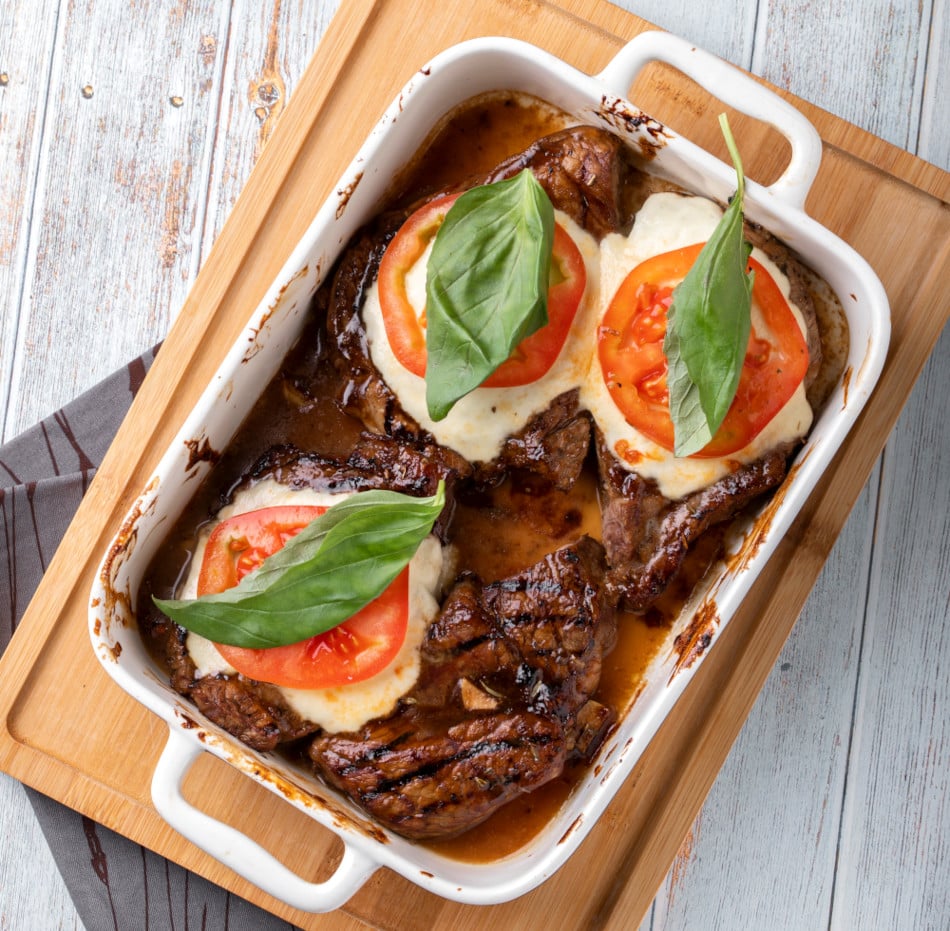
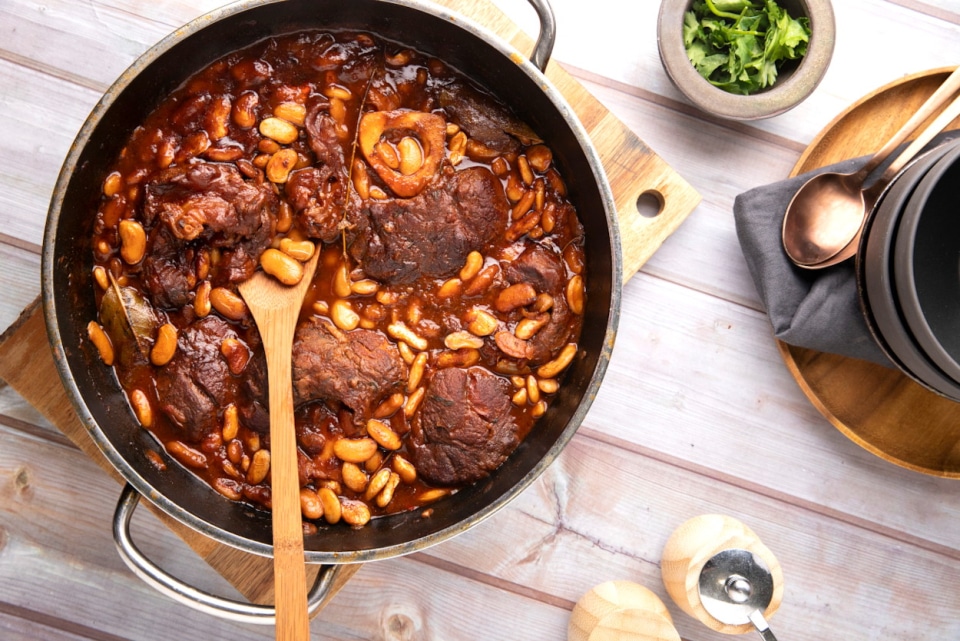
Italian-inspired preparations, for instance, introduce deep, slow-cooked flavors through dishes like Osso Buco served with slow-simmered beans or a bright apple relish. The traditional use of cross-cut veal shanks yields a rich, gelatinous broth that warms diners from the inside out, eliminating the need for tedious table-side carving. Similarly, Mediterranean-style whole stuffed chickens incorporating prunes, pine nuts, and rosemary offer a sweet and savory profile that reinterprets standard poultry expectations.

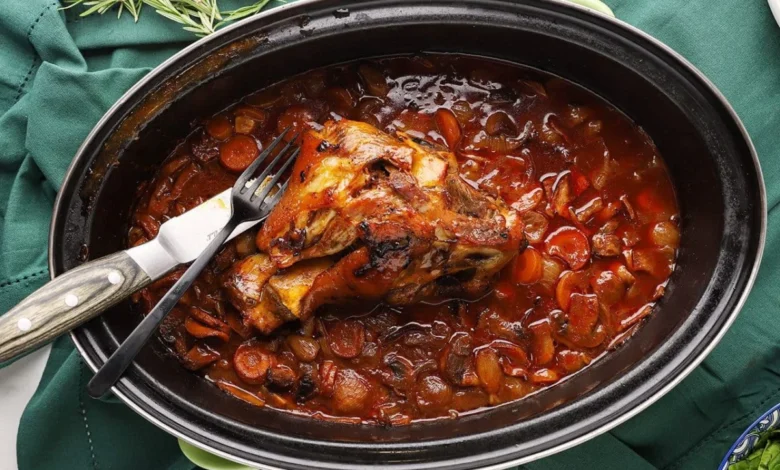
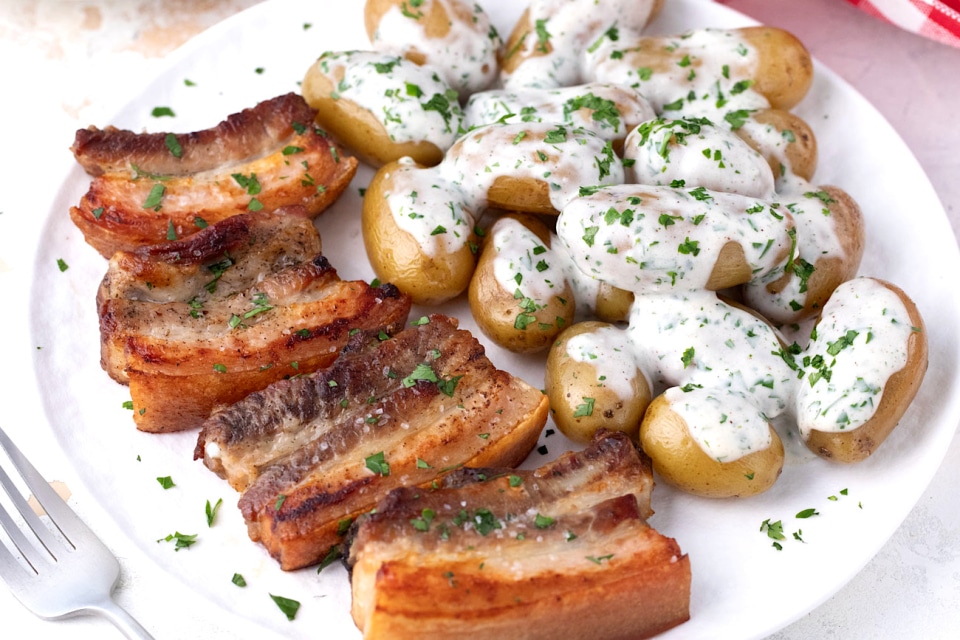
For hosts seeking the dramatic visual impact of a grand roast, pork preparations provide exceptional versatility and rich flavor profiles. A garlic-cinnamon honey-glazed ham offers a caramelized exterior with a savory edge, while honey-glazed pork belly with butter-baked carrots delivers an indulgent combination of crisp edges and tender meat. European favorites such as Danish stegt flæsk—crispy pork belly served with potatoes and a creamy parsley sauce—and French-inspired pork bourguignon utilizing tender pork shanks simmered in a wine-infused broth highlight how comforting winter stews can seamlessly anchor a holiday feast.
Refined Elegance and High-End Centerpieces

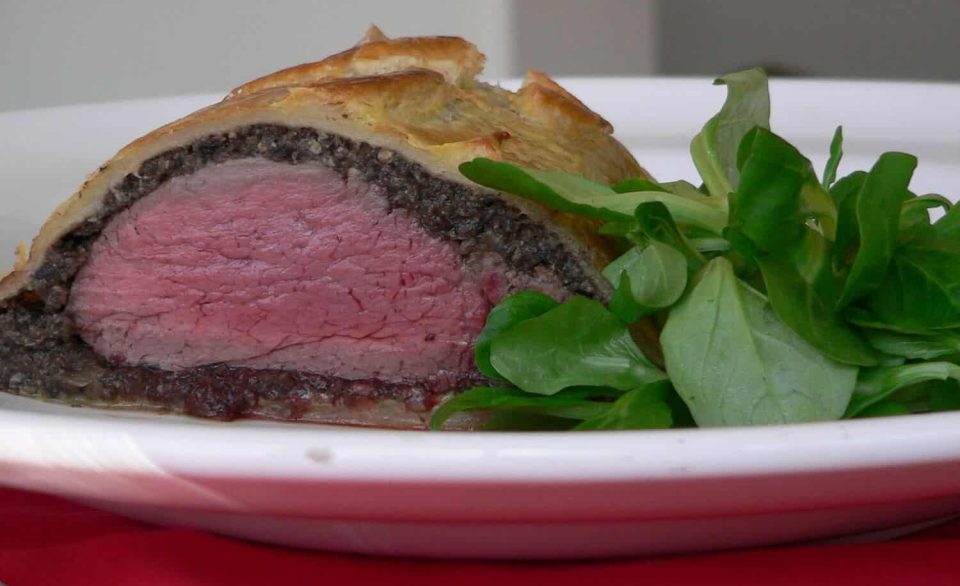
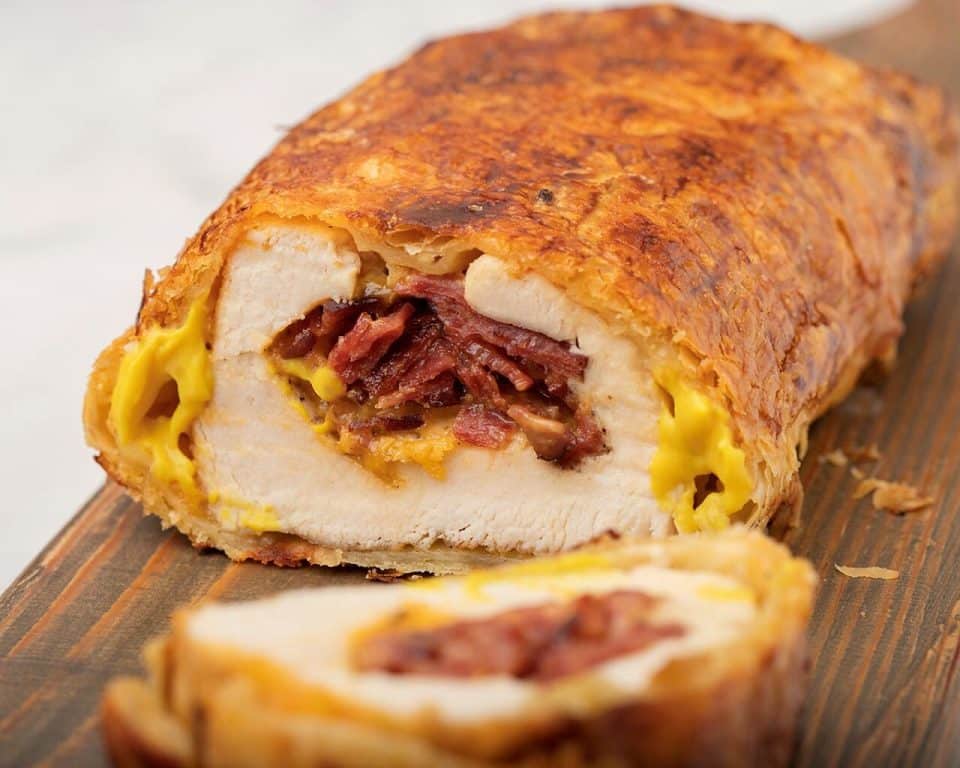
When the objective is to elevate the holiday meal to a fine-dining experience, upscale proteins take center stage. Beef Wellington, featuring a tender cut encased in flaky puff pastry, remains the pinnacle of culinary presentation. Modern variations incorporating luxurious additions like foie gras, truffles, and Madeira sauce, or scaled-down individual chicken Wellingtons filled with bacon and melted cheddar, offer stunning visual and textural contrasts.

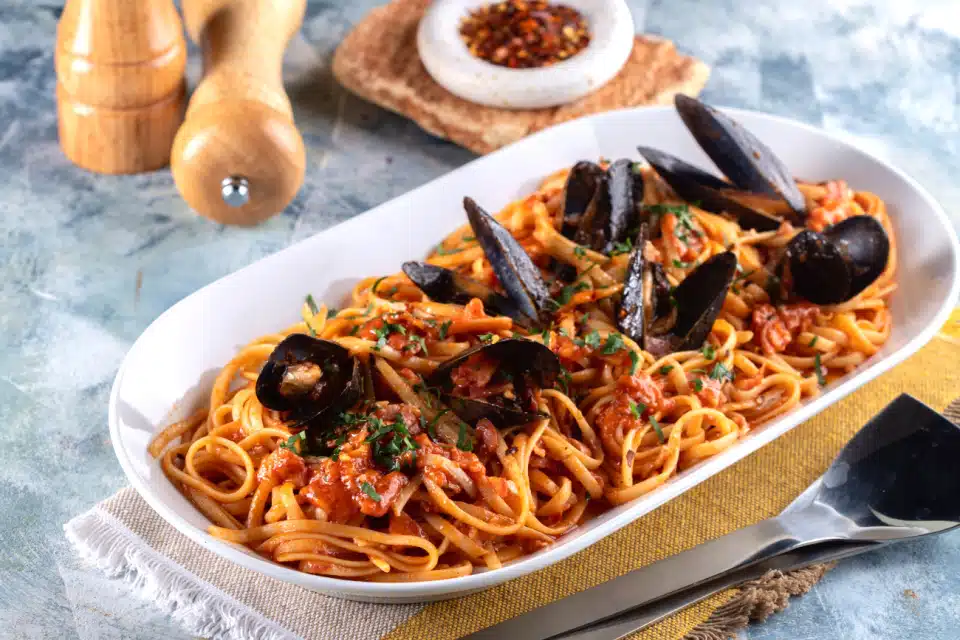
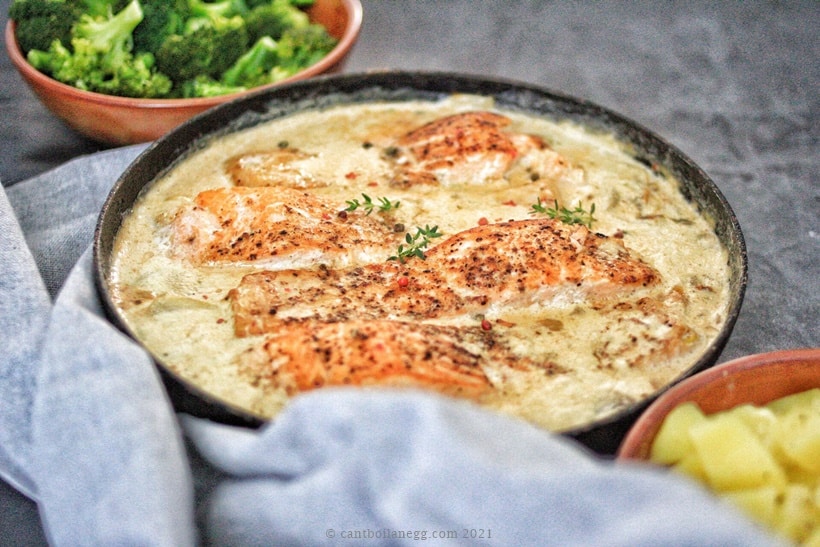
Lamb is another exceptional candidate for holiday gatherings. A pistachio and herb-crusted leg of lamb brings Mediterranean vibrancy to the table, while rosemary and Parmesan-crusted lamb racks served with a rich red wine jus deliver restaurant-quality elegance. Seafood enthusiasts find equally compelling options in dishes such as linguine with mussels in a garlic tomato sauce or pan-seared salmon nestled in a creamy Tuscan garlic sauce with sun-dried tomatoes and mushrooms. These alternatives not only cater to diverse dietary preferences but also utilize stovetop cooking methods, leaving valuable oven capacity free for essential side dishes and desserts.
Plant-Based and Inclusive Holiday Dining

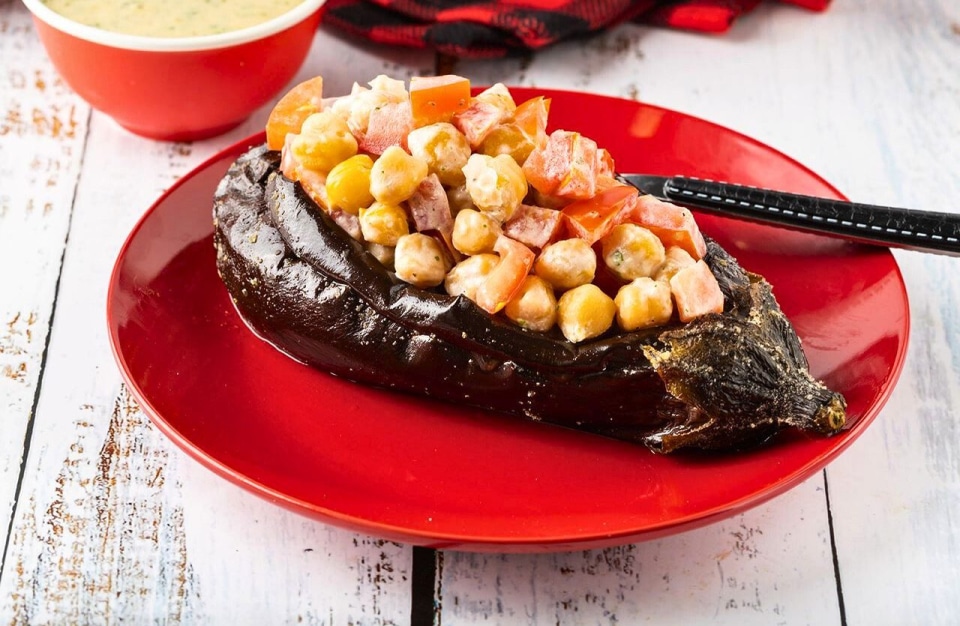
As inclusivity becomes a cornerstone of modern hosting, accommodating vegetarian and vegan guests without relegating them to an afterthought has transformed holiday menu planning. Stuffed eggplants filled with protein-rich chickpeas, tomatoes, onions, garlic, and warmed with hints of cinnamon and nutmeg provide a robust, visually striking main course. These plant-based centerpieces ensure that all attendees share in the communal experience of a thoughtfully prepared, festive meal, reflecting a broader societal movement toward mindful and inclusive dining practices.
Logistical Advantages and Kitchen Efficiency
Beyond gastronomy, shifting away from the traditional turkey offers significant logistical benefits for home cooks. Preparing a complex meal for a large gathering often leads to "oven gridlock," where the turkey, casseroles, and baked goods compete for limited space and temperature zones.
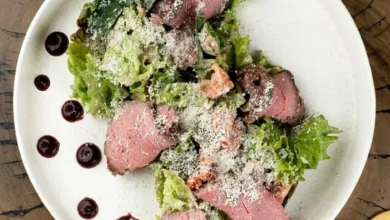
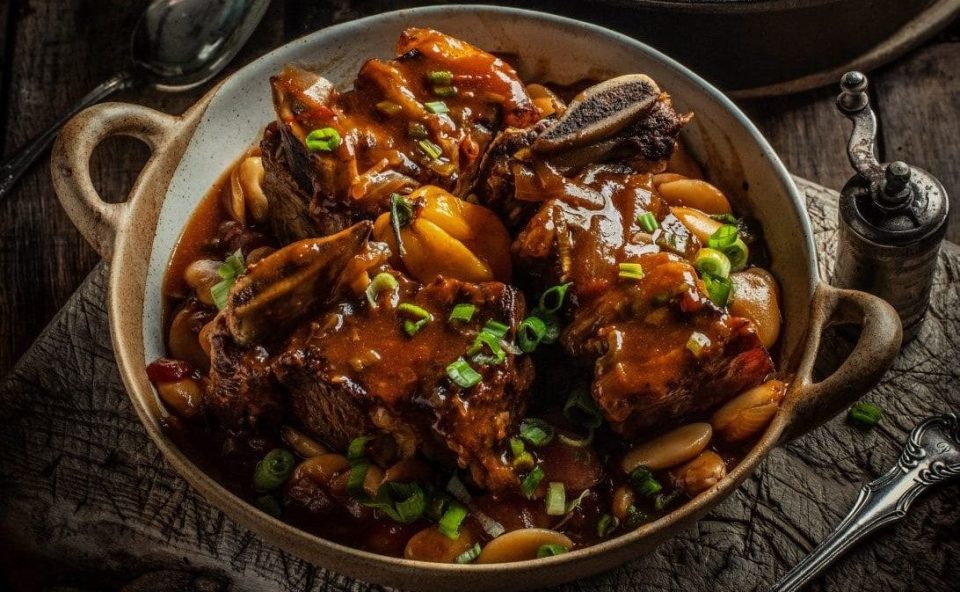
Dishes that rely on stovetop braising, such as Jamaican beef rib stew or Greek beef tenderloin in garlic sauce (sofrito), streamline the cooking process. Similarly, smaller cuts like pan-fried pork chops with mushroom sauce or crispy duck breast paired with glazed butternut squash can be precisely timed, reducing the margin of error associated with roasting a massive bird. These efficient workflows allow hosts to spend less time managing kitchen crises and more time engaging with family and friends.

Implications for the Modern Food Economy

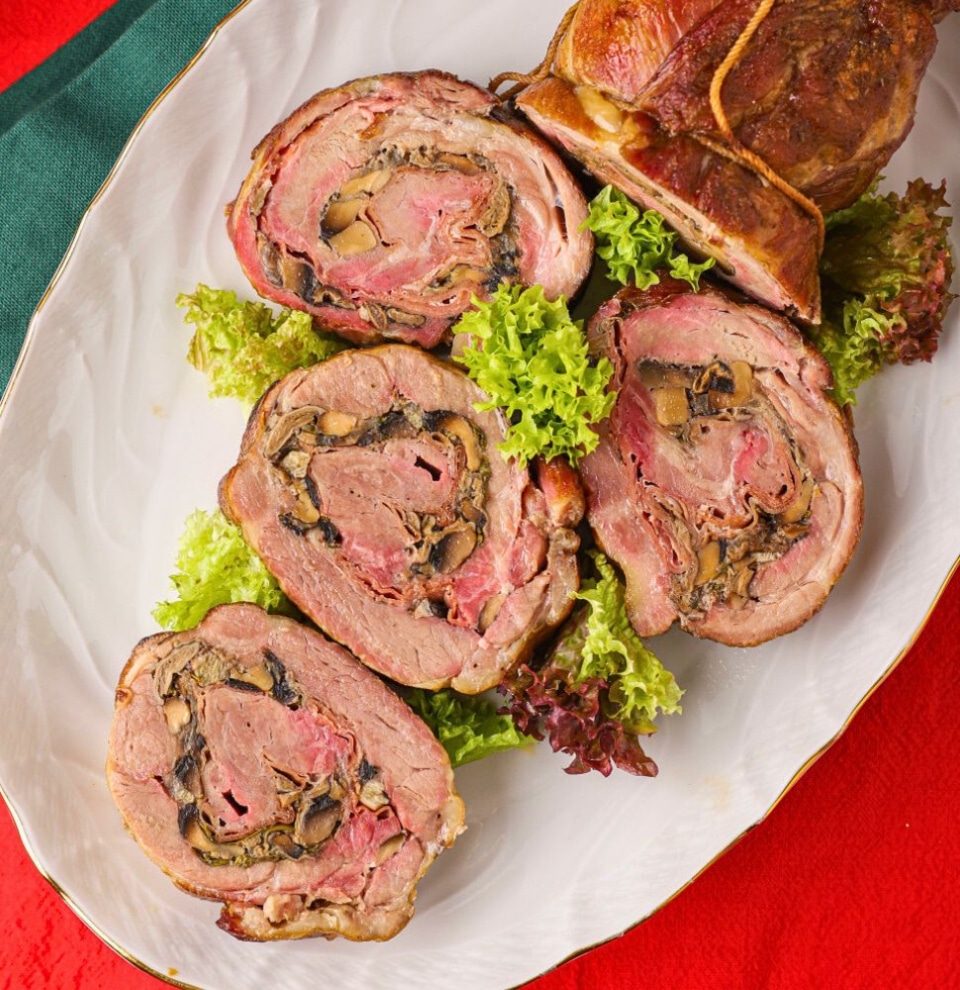
The diversification of Thanksgiving dinner menus carries broader implications for the food and retail sectors. Supermarkets, specialty butchers, and agricultural producers increasingly market a wider array of holiday-appropriate proteins, recognizing that consumer demand is no longer monolithic. Meat and seafood departments now feature pre-scored hams, rolled pork roulades stuffed with prosciutto and mushrooms, and premium beef tenderloins alongside traditional turkeys.
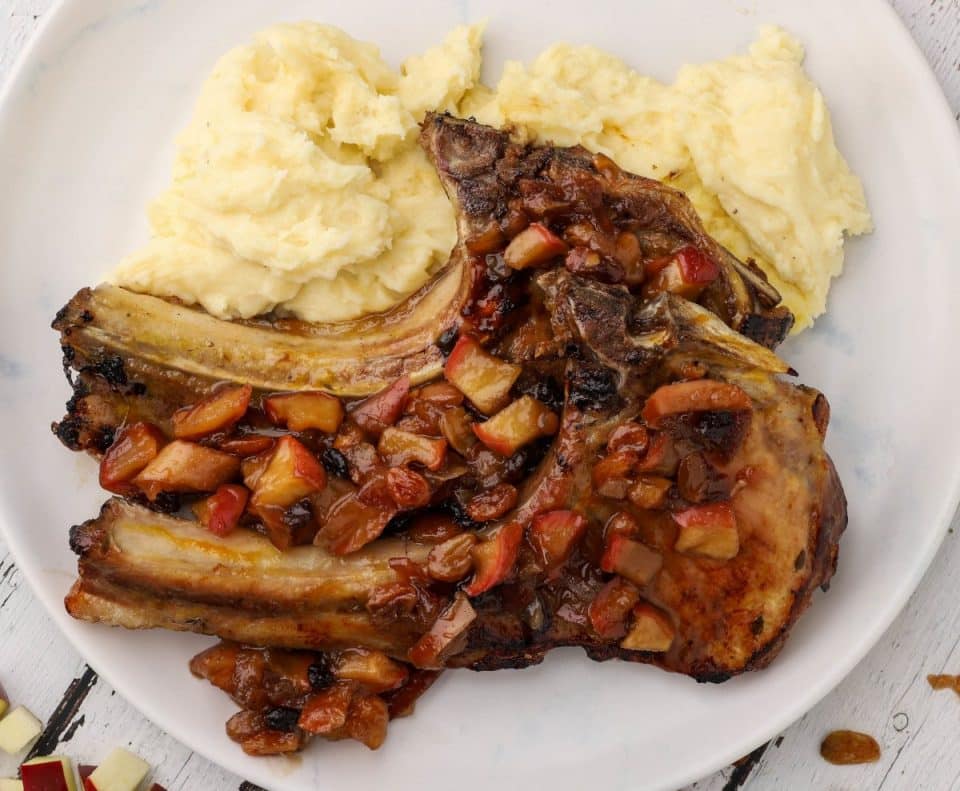
This trend also mirrors broader shifts in cultural identity and culinary fusion in Western societies. As global flavors become deeply integrated into everyday cooking, holidays serve as an opportunity to celebrate these influences rather than adhere strictly to nostalgic formulas. The willingness to experiment with pepper-crusted roast beef tenderloin, porchetta with apple sauce, or honey-glazed pork chops with homemade apple chutney demonstrates a confident, contemporary approach to home cooking.
Conclusion

Ultimately, the enduring success of Thanksgiving is defined not by the specific animal featured at the center of the table, but by the spirit of gratitude, sharing, and hospitality that unites diners. Whether a household chooses a rustic French stew, an elaborate pastry-wrapped Wellington, or a vibrant plant-based creation, the availability of diverse culinary options ensures that the holiday can be tailored precisely to the tastes, traditions, and practical needs of every gathering.