A Global Guide to 35 Tropical Fruits: Origins, Culinary Applications, and Nutritional Profiles

The global agricultural and culinary landscapes have long been shaped by the profound diversity of tropical fruits. While international trade routes have successfully mainstreamed commodities such as bananas, pineapples, and standard mango varieties into supermarkets worldwide, countless other species remain tethered to their native ecosystems. These indigenous flora represent critical components of regional food security, cultural heritage, and biodiversity. Recent shifts in global trade, consumer preferences for functional foods, and the rise of plant-based culinary trends have accelerated interest in exotic produce, elevating once-obscure regional fruits to international prominence.
This comprehensive review examines thirty-five distinct tropical fruits, detailing their geographic origins, sensory profiles, culinary versatility, and biochemical compositions.
The Economic and Agricultural Context of Tropical Horticulture
The cultivation of tropical and subtropical fruits represents a cornerstone of agricultural economies across Southeast Asia, Latin America, Sub-Saharan Africa, and the Caribbean. According to international agricultural market analyses, demand for non-traditional tropical produce has experienced steady compound annual growth over the past decade. This surge is driven by several converging factors: expanding diaspora communities demanding authentic regional ingredients, the proliferation of adventurous culinary tourism, and a growing consumer focus on functional nutrition—specifically foods rich in antioxidants, vitamins, and specialized bioactive compounds.
Agronomists and trade analysts note that while major staples like the Cavendish banana and standard commercial pineapples dominate volume, niche fruits such as mangosteen, jackfruit, and finger lime are carving out high-value specialty markets. However, the perishable nature of many tropical crops presents logistical challenges, requiring rapid cold-chain deployment or alternative processing methods, such as freeze-drying or puréeing, to reach international markets.
Major Commercial Staples: Mango, Pineapple, and Banana
1. Mango (Mangifera indica)
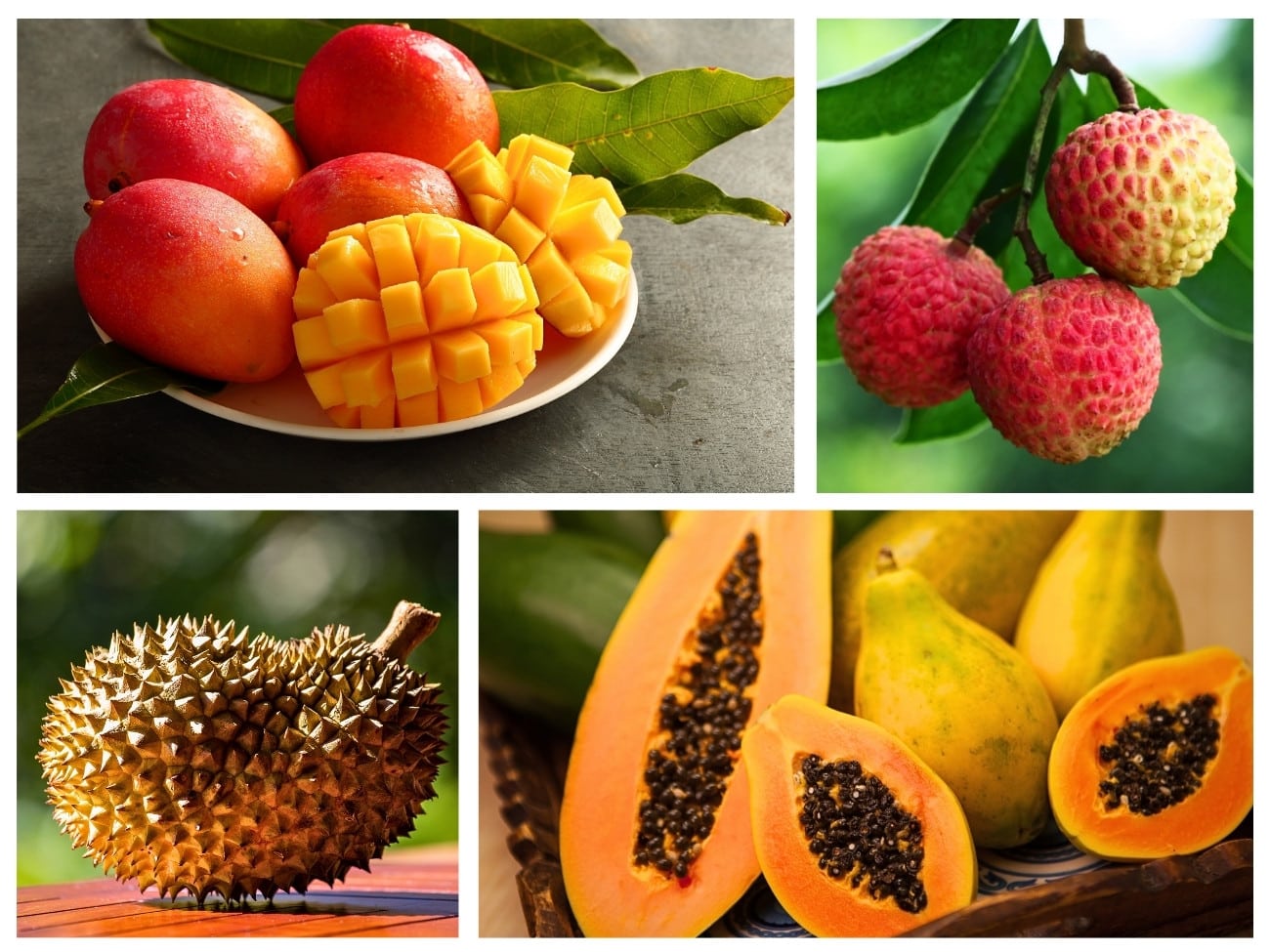
Native to South Asia and cultivated for millennia, the mango is among the most economically significant fruit crops globally, with hundreds of distinct cultivars varying radically in sweetness, acidity, and aromatic profile. While sweet dessert varieties are consumed fresh globally, green, unripe mangoes serve as a vital culinary element in Southeast Asian salads, preserves, and savory marinades. Nutritionally, mangoes are dense in vitamins A and C, dietary fiber, and various polyphenolic antioxidants.
2. Pineapple (Ananas comosus)
Indigenous to South America, the pineapple has achieved global status as a dual-purpose fruit, functioning equally well in fresh consumption, confectionery, and savory applications such as Thai fried rice or regional salsas. Pineapple contains bromelain, a complex mixture of proteolytic enzymes that acts as a natural meat tenderizer and inhibits gelatin from setting. Commercially, the fruit is valued for its high manganese and vitamin C content.
3. Banana and Plantain (Musa spp.)
As one of the world’s most heavily traded and consumed commodities, the banana provides essential caloric intake and economic stability across the tropical belt. While the triploid Cavendish cultivar dominates global export markets, dozens of regional cultivars—ranging from tiny, intensely sweet finger bananas to starchy cooking plantains—underpin local diets. Bananas are a reliable dietary source of potassium, vitamin B6, and resistant starch, which contributes to gastrointestinal health.
4. Blue Java Banana
Often referred to as the "ice cream banana," this cold-hardy cultivar features striking blue-green unripe skin and a remarkably creamy, vanilla-custard-like flavor profile upon ripening. Grown predominantly in Hawaii, Southeast Asia, and Central America, it is prized in home orchards for its unique texture and frost tolerance.
5. Coconut (Cocos nucifera)
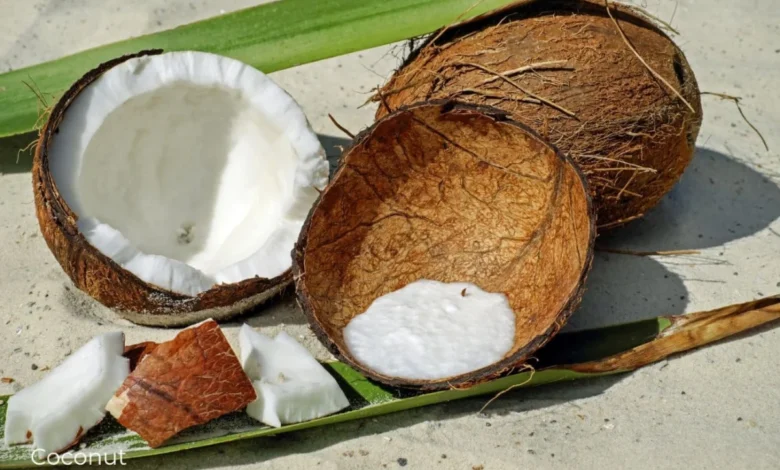
The coconut palm provides an entire subsistence system in regions of South and Southeast Asia, the Caribbean, and West Africa. Every component of the fruit—from the liquid endosperm (coconut water) to the solid white kernel (copra), milk, and oil—serves distinct culinary and industrial purposes. Nutritionally, coconut fat is predominantly composed of saturated fatty acids, notably medium-chain triglycerides (MCTs), which undergo distinct metabolic pathways compared to long-chain fats.

Iconic Tropical Fruits of the Americas and Asia
6. Papaya (Carica papaya)
Papaya exhibits significant culinary duality: ripe fruit yields a soft, musky sweetness rich in carotenoids and papain, a digestive enzyme, while unripe green papaya provides a crisp, neutral base for savory dishes like Thai som tam. The fruit is an excellent source of folate, vitamin C, and beta-carotene.
7. Passion Fruit (Passiflora edulis)
Distinguished by its wrinkled exterior and aromatic, seed-laden interior, passion fruit delivers a potent balance of tart acidity and floral sweetness. Widely utilized in baking, confectionery, and beverage manufacturing, it boasts a higher dietary fiber content per serving than most common fruits, alongside significant levels of vitamins A and C.
8. Guava (Psidium guajava)
Renowned for its intense, perfumed aroma, the guava yields flesh ranging from white to deep crimson. Cultivated extensively in tropical and subtropical regions, it is consumed fresh, processed into pastes, or juiced. Pink-fleshed varieties are exceptionally rich in lycopene, while overall vitamin C concentrations in guava frequently exceed those of citrus fruits by a factor of four or more.
9. Dragon Fruit / Pitaya (Selenicereus spp.)
Characterized by its vibrant magenta or yellow skin and scaled exterior, the pitaya offers a mild, subtly sweet flavor profile. Varieties with pink or red flesh contain betacyanins—potent antioxidant pigments also found in beetroot—which have drawn the attention of functional food developers.
10. Lychee (Litchi chinensis)
Native to southern China, the lychee features a rough, pinkish-red rind enclosing translucent, highly aromatic white flesh. Highly perishable, lychees are traditionally consumed fresh during their brief seasonal harvest or preserved in syrup. Biochemical analyses of lychee have isolated oligonol, a low-molecular-weight polyphenol studied for its antioxidant and anti-influenza properties.

11. Rambutan (Nephelium lappaceum)
A close taxonomic relative of the lychee, the rambutan is distinguished by the soft, hair-like spines covering its crimson rind. Indigenous to Southeast Asia, it provides a mildly sweet, translucent aril rich in vitamin C, copper, and iron.
12. Longan (Dimocarpus longan)
Translating to "dragon’s eye" in Cantonese due to the dark seed visible through its translucent flesh, the longan offers a musky, honey-like sweetness. Widely integrated into traditional Chinese medicine and culinary broths, dried longan is utilized for its supposed hematological and energetic restorative properties.
13. Mangosteen (Garcinia mangostea)
Revered in Southeast Asia as the "queen of fruits," the mangosteen features a thick, bitter, deep purple pericarp protecting delicate, snow-white segments. While the rind is inedible, it is a concentrated source of xanthones—bioactive compounds currently investigated for their anti-inflammatory and antimicrobial potential.
Giants and Curiosities: Jackfruit and Durian
14. Jackfruit (Artocarpus heterophyllus)
The jackfruit is the largest tree-borne fruit in existence, weighing up to 35 kilograms. Its culinary utility is unique: unripe, fibrous jackfruit serves as a widely adopted plant-based meat substitute due to its ability to absorb savory seasonings; ripe jackfruit yields a sweet, tropical flavor profile reminiscent of banana and pineapple.
15. Durian (Durio zibethinus)
Celebrated in Southeast Asia as the "king of fruits," durian is equally famous for its overpowering, sulfurous aroma—which results in bans across public transit and hotels—and its exceptionally rich, custard-like texture. Nutritionally dense and high in fats, complex carbohydrates, and potassium, durian remains a deeply polarizing yet culturally vital foodstuff in Malaysia, Indonesia, and Thailand.

Sours, Starches, and Regional Specialties
16. Star Fruit / Carambola (Averrhoa carambola)
Instantly recognizable by its star-shaped transverse cross-section, carambola is a crisp, juicy fruit consumed fresh or utilized as a decorative culinary garnish. Containing oxalic acid, it is contraindicated for individuals with chronic kidney disease, though otherwise valued for its vitamin C and low caloric density.
17. Tamarind (Tamarindus indica)
The sticky pulp encased within tamarind’s brown pods is a premier global souring agent. Rich in tartaric acid, iron, and minerals, tamarind underpins the flavor profiles of Worcestershire sauce, Indian chutneys, and Southeast Asian pad thai.
18. Breadfruit (Artocarpus altilis)
A starchy subsistence crop fundamental to Pacific Island and Caribbean diets, breadfruit behaves botanically as a fruit but culinarily as a tuber. When unripe, it is roasted, boiled, or milled into flour; upon ripening, it softens into a sweet, dessert-appropriate texture.
19. Soursop / Graviola (Annona muricata)
Characterized by its spiky green exterior and fibrous white pulp, soursop delivers an assertive flavor profile combining notes of strawberry, pineapple, and citrus. Extensively used in Caribbean beverage production, the fruit provides significant dietary fiber and vitamin C.
20. Cherimoya (Annona cherimola)
Native to the Andean highlands, the cherimoya features a smooth, custard-like interior with flavor notes often likened to a blend of banana, vanilla, and pineapple. High in dietary fiber and vitamin B6, it is traditionally consumed fresh and chilled.
The Sapote Family and Exotic Sweet Fruits
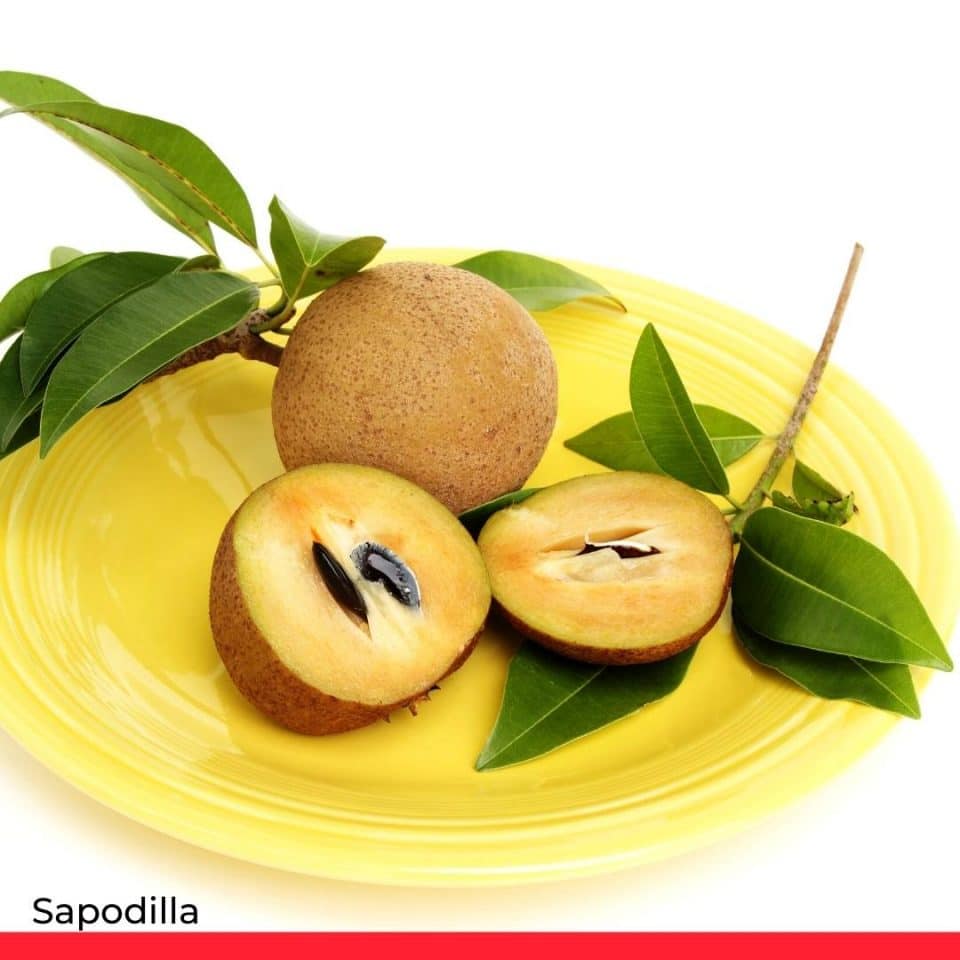
21. Sapodilla (Manilkara zapota)
Known locally in India as chikoo, the sapodilla houses a grainy, brown-sugar-sweet flesh beneath an unassuming, potato-like exterior. Historically significant as the original source of chicle for chewing gum, the fruit provides dietary fiber and natural tannins.
22. Mamey Sapote (Pouteria sapote)
Distinguished by its salmon-pink, dense flesh, the mamey sapote offers a complex flavor profile blending sweet potato, almond, and honey. Widely used in Latin American milkshakes (batidos), it is rich in beta-carotene and dietary fiber.
23. Black Sapote (Diospyros nigra)
Often marketed as the "chocolate pudding fruit," the black sapote transforms from green to a dark, chocolate-brown color upon complete ripening. Belonging to the persimmon family, its velvety pulp is frequently incorporated into mousses and raw vegan desserts.
24. Salak / Snake Fruit (Salacca zalacca)
Endemic to Indonesia, the salak derives its common name from its scaly, reddish-brown skin. Its crisp, ivory lobes offer an astringent, wine-like sweetness rich in polyphenols and vitamin C.
25. Pomelo (Citrus maxima)
As the ancestral wild species from which modern grapefruit and various citrus hybrids descended, the pomelo is the largest of all citrus fruits. Featuring thick pith and firm, non-bitter segments, it is a staple of Lunar New Year celebrations across East Asia.

Rare Indigenous and Specialty Fruits
26. Acerola (Malpighia emarginata)
While resembling a standard cherry, the acerola is biochemically distinguished by one of the highest natural concentrations of ascorbic acid (vitamin C) known in botany, frequently exceeding citrus fruits by orders of magnitude.
27. Jabuticaba (Plinia cauliflora)
This native Brazilian fruit exhibits cauliflory, meaning its dark purple berries sprout directly from the main trunk and branches. Highly perishable due to rapid fermentation, jabuticaba is rich in anthocyanins and is frequently processed into artisanal wines and jams.
28. Wax Apple (Syzygium samarangense)
Bell-shaped and glossy, the wax apple provides a watery, highly refreshing crunch popular in tropical street markets. It is predominantly consumed fresh, occasionally seasoned with salt and chili.
29. Cupuaçu (Theobroma grandiflorum)
A biological relative of the cacao tree native to the Amazon basin, cupuaçu yields an aromatic pulp utilized in regional confectionery, alongside seeds processed into a specialty butter valued in both gastronomy and cosmetics.
30. Abiu (Pouteria caimito)
Characterized by its bright yellow skin and translucent, gelatinous pulp, the abiu offers a subtle caramel flavor profile. Due to latex content in the skin, proper ripening is essential for optimal consumption.

31. Lucuma (Pouteria lucuma)
Indigenous to the Andean valleys, lucuma features a dry, starchy texture and a rich flavor profile resembling maple syrup and butterscotch. Widely exported in powdered form, it serves as a popular low-glycemic natural sweetener.
32. Ice Cream Bean (Inga edulis)
The long, fibrous pods of the ice cream bean contain large seeds surrounded by a fluffy, white, cotton-like pulp that melts on the tongue with a mild vanilla flavor reminiscent of frozen dairy treats.
33. Finger Lime (Citrus australasica)
An Australian rainforest native, the finger lime has revolutionized modern gastronomy through its "citrus caviar"—tiny, spherical juice vesicles that burst upon the palate, making it a premier culinary garnish for seafood and upscale desserts.
34. Santol (Sandoricum koetjape)
Widespread in Southeast Asia, the santol exists in two culinary states: ripe fruit consumed fresh for its sweet-acidic pulp, and unripe fruit utilized as a firm, sour component in regional salads and curries.
35. Canistel (Pouteria campechiana)
Frequently termed the "eggfruit," the canistel presents a bright golden flesh structurally and visually reminiscent of a hard-boiled egg yolk, with a sweet, custard-like flavor profile rich in beta-carotene and dietary fiber.

Summary and Industry Implications
The expansive botanical spectrum of tropical fruits underscores their vital role in global nutrition, ecological resilience, and culinary innovation. As international supply chains modernize and consumer demand shifts toward nutrient-dense, functionally diverse foods, these thirty-5 species offer substantial opportunities for agricultural diversification, economic development in tropical regions, and the continued enrichment of global gastronomy.