Roots, Resilience, and Recognition: How Chef Cal Byerley Built Restaurant Pine into a Sustainable Culinary Landmark in Northumberland

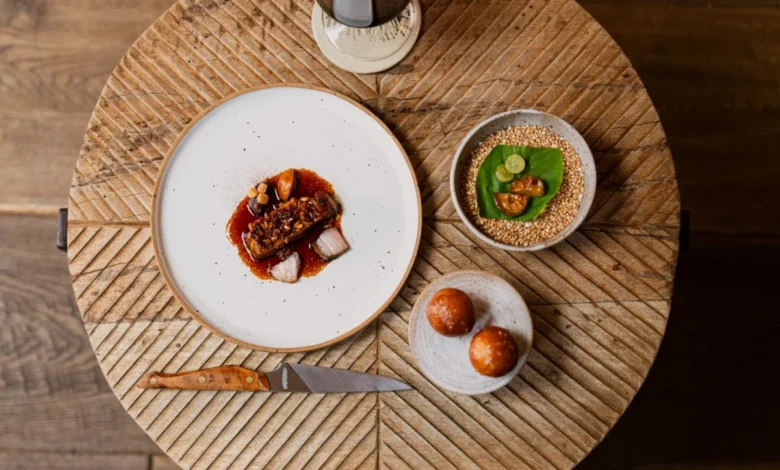
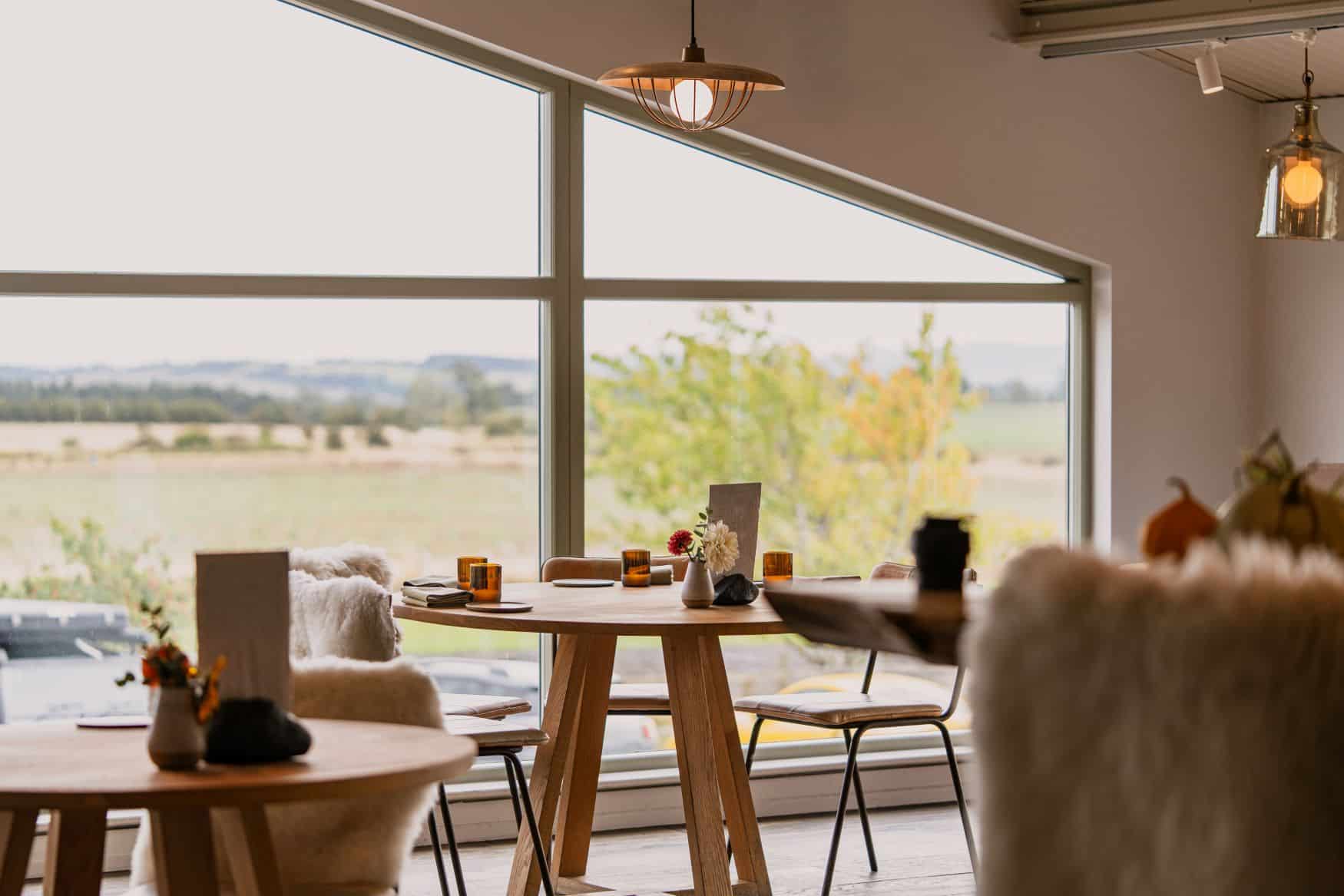
The modern fine dining landscape is increasingly dominated by establishments attempting to reconcile luxury with environmental stewardship. Yet few have achieved this integration as seamlessly as Restaurant Pine, situated in the rugged and windswept heart of Northumberland, England. Founded by chef Cal Byerley and his wife, Sian, the restaurant has redefined contemporary British gastronomy by tethering its menu entirely to its immediate ecosystem. Operating out of a converted cattle byre at Vallum Farm, Pine has rejected the globalized supply chains typical of Michelin-starred kitchens in favor of a hyper-local model where nearly every ingredient is sourced within a strict ten-mile radius.
This uncompromising commitment to place, provenance, and sustainability recently earned Pine a prominent place among the top ten English restaurants entering 2026, as ranked by the prestigious 360 Eat Guide. Such accolades build upon a meteoric rise that began shortly after the restaurant’s launch in 2021, when it secured both a traditional Michelin Star and a Michelin Green Star within just eight months of opening—a rare double accolade that positioned Pine at the vanguard of ecological responsibility in high-end cuisine.
A Return to Roots: The Culinary Evolution of Cal Byerley
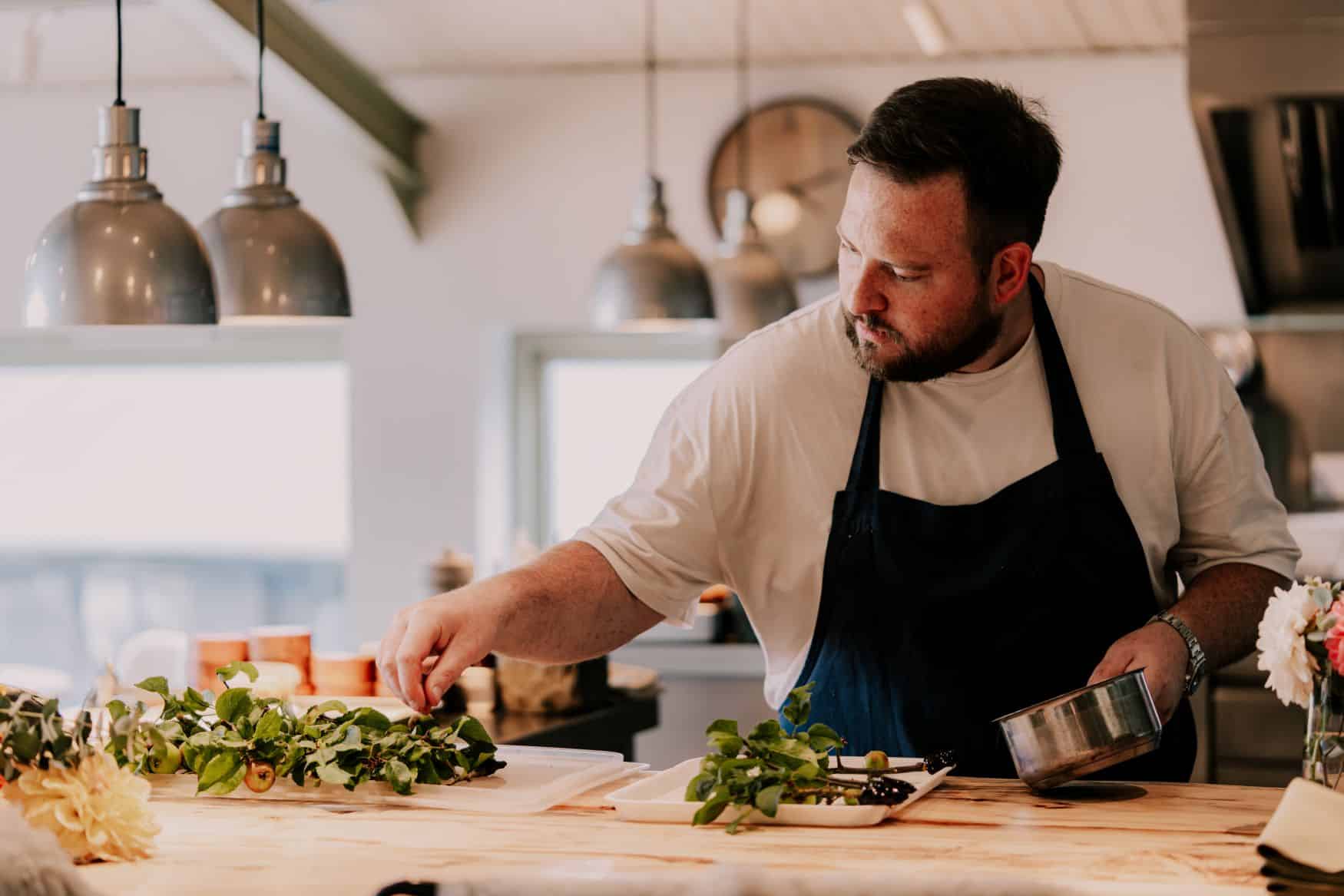
Cal Byerley’s journey to establishing one of England’s most distinct dining destinations is deeply personal. His family’s ties to the Northumberland landscape stretch back to 1805, anchoring his identity in a region characterized by its expansive moorlands, dense woodlands, and dramatic coastlines.
Byerley entered professional kitchens at the age of sixteen, taking his first steps at the Robin Hood Inn near his childhood home. Seeking to refine his craft, he subsequently worked in some of the United Kingdom’s most demanding culinary environments, including Rogan & Co in Cartmel and Forest Side in Grasmere. During his tenure as head pastry chef at Forest Side alongside Kevin Tickle, Byerley honed the precision and discipline required for high-level gastronomy.
Despite mastering the mechanics of fine dining, Byerley eventually experienced a professional disconnect. While executing other chefs’ visions with technical brilliance, he felt distanced from the elemental excitement that initially drew him to food. The global disruption of the COVID-19 pandemic in 2020 served as a catalyst for change. Returning home to Northumberland, Byerley and Sian initially launched a high-end afternoon tea delivery service to navigate the lockdowns. During a delivery run in May 2020, Sian spotted an empty building listed for lease at Vallum Farm. A single meeting with the property’s landlord set the foundation for Restaurant Pine, which officially opened its doors in 2021.
Unprecedented Acclaim: The 2021 Michelin Recognition
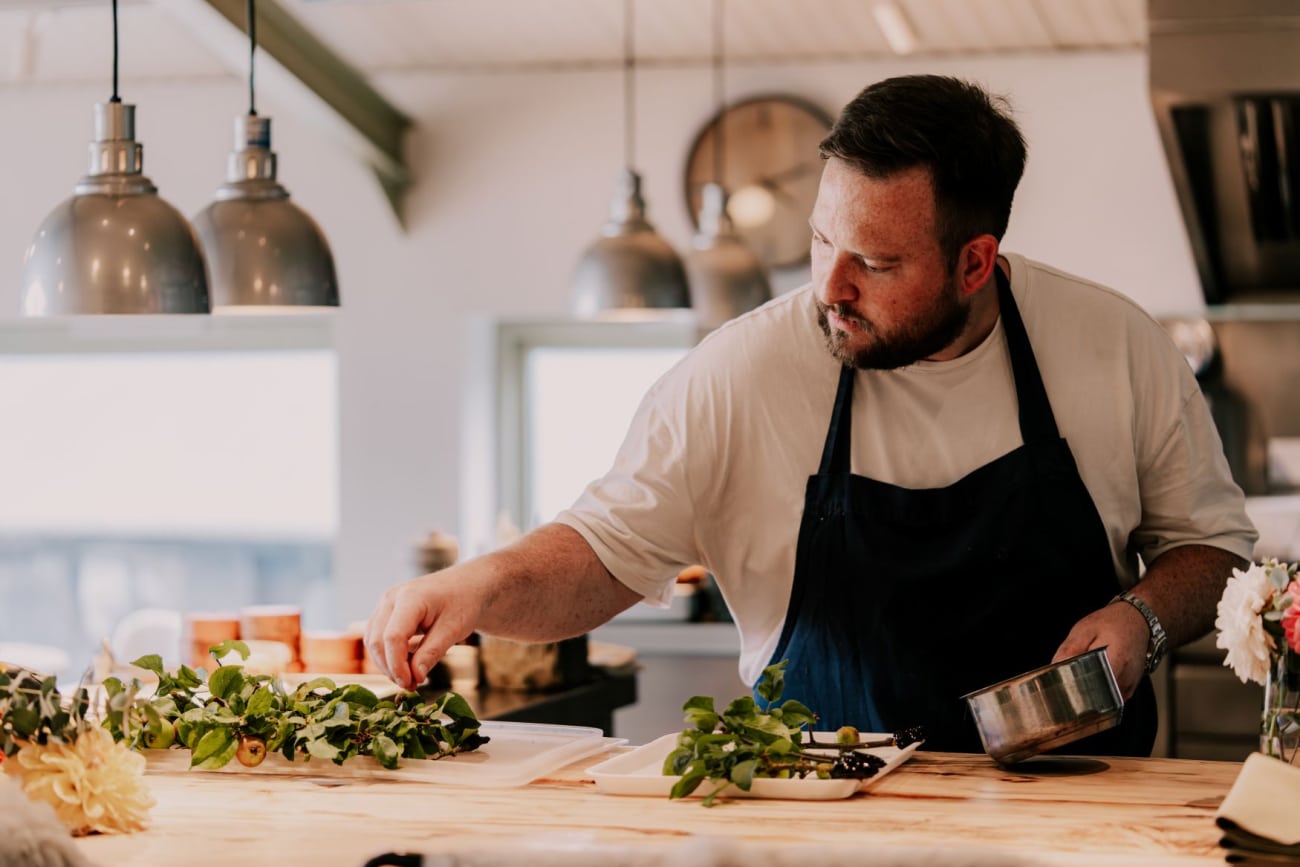
The culinary world took swift notice of the fledgling Northumberland venture. In late 2021, within eight months of welcoming its first diners, Restaurant Pine achieved a monumental milestone by being awarded both a Michelin Star and a Michelin Green Star. At the time, it was the only restaurant in Great Britain and Ireland to receive both distinctions in the same calendar year.
For Byerley and his team—including key staff members such as Ian Waller and Vanessa—the recognition served as validation for a concept that many viewed as risky. Establishing a fine-dining establishment of this caliber within a converted agricultural building in a remote rural hamlet was an unconventional gamble.
Yet, the morning following the announcement, the team returned to the kitchen to maintain their standard daily routine. Rather than prompting celebration-induced complacency, the accolades raised the operational stakes, reinforcing the team’s commitment to protecting their core philosophy against the pressures of sudden fame.
Redefining Luxury Through Sustainability
A central tension in modern gastronomy is the perceived friction between the rigorous luxury standards of a traditional Michelin Star and the ecological frugality of a Green Star. Byerley, however, rejects this dichotomy, arguing that true sustainability is not a restrictive compliance measure, but the foundational source of culinary excellence.
At Pine, luxury is defined by the absolute freshness and distinct character of raw materials. Flour is procured from Gilchester Organics just a few miles away, milled from heritage grains cultivated in carefully managed soil. Meats and poultry are sourced from Wilde Farm, emphasizing high animal welfare and sustainable land stewardship. This proximity-based sourcing ensures that ingredients possess flavor profiles unattainable through commercial mass-distribution networks.
Furthermore, the kitchen’s heavy reliance on whole-animal butchery, fermentation, and Koji systems introduces deep layers of complexity to the menu. By embracing strict waste-reduction parameters, Byerley demonstrates that creative constraints frequently yield the most sophisticated results.
The Northumberland Larder: Geography as a Creative Catalyst
Northumberland’s diverse topography provides Pine with an exceptional natural pantry. The proximity of moorland, agricultural fields, woodland, and marine environments allows the culinary team to integrate foraging as a core component of menu development rather than an afterthought. Wild mushrooms, coastal halophytes, native berries, and pollens feature prominently across the seasons.
Equally vital are the multi-generational relationships Byerley has cultivated with the local community. Gamekeepers, local beekeeping societies, and independent mycologists form an integrated network of suppliers whose specialized knowledge cannot be replicated by corporate distributors.
Byerley notes that Northumberland’s historical obscurity as a mainstream culinary destination has worked to its advantage. Shielded from the hyper-commercialization experienced by other regions, the local agricultural and foraging traditions have retained an authentic integrity that continually inspires the kitchen.
Operational Philosophy and Zero-Waste Integration
Pine’s operational infrastructure reflects a holistic approach to environmental impact. The restaurant adheres to a strict zero-plastic policy throughout its supply chain. Renewable energy is integrated directly into the facility via on-site solar panels and a biomass heating system.
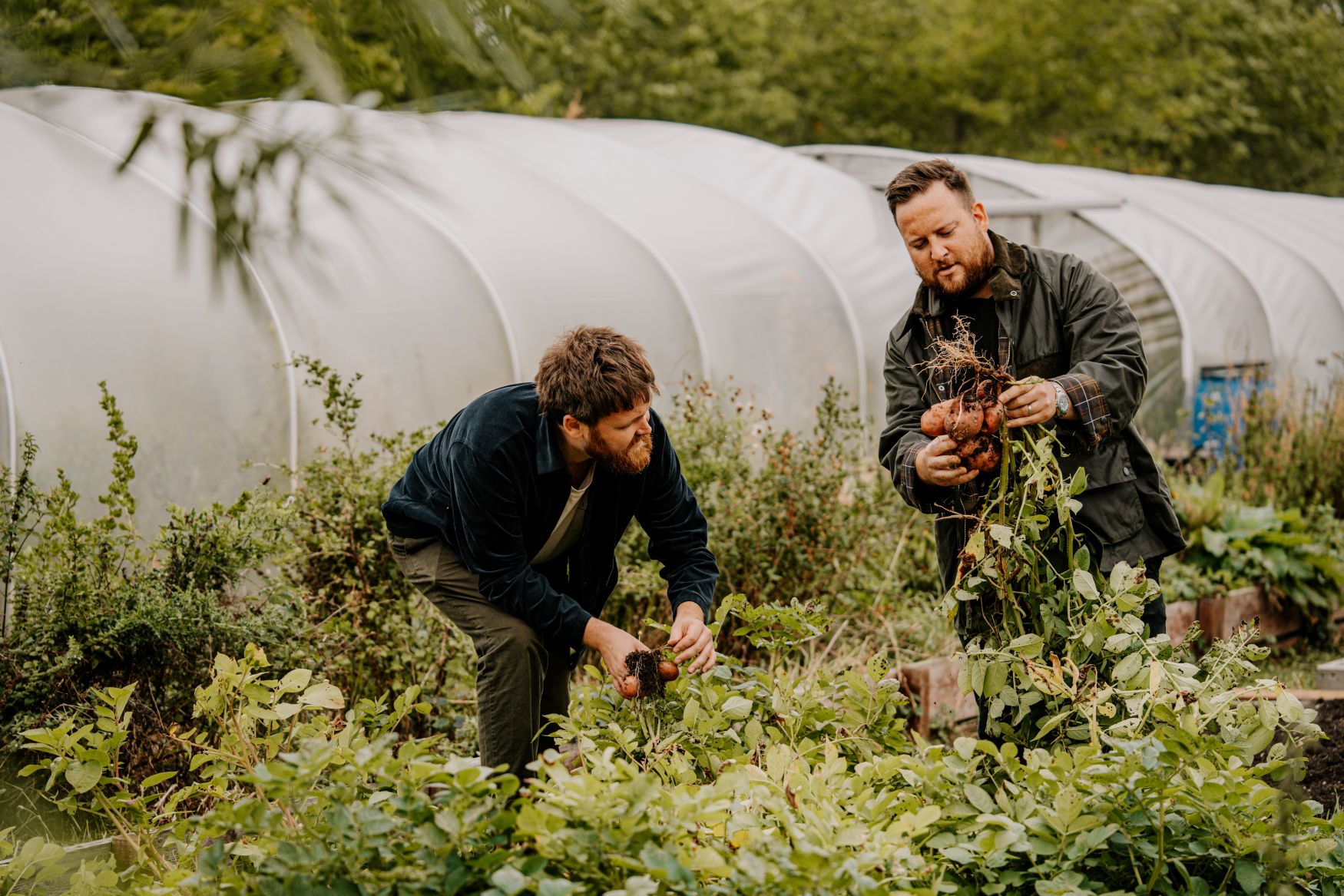
On-site production is extensive. The restaurant maintains its own kitchen garden equipped with growing tunnels, raised beds, a greenhouse, and an orchard, allowing chefs to harvest produce daily. Additional microgreen cultivation takes place at Byerley’s family farm nearby. The property also houses a flock of chickens, a water feature, and a dedicated colony of native black bees.
Organic waste management is handled via a specialized Ridan composting system capable of processing animal bones, fish carcasses, coffee grounds, and compostable packaging. This closed-loop approach ensures that ecological responsibility is embedded in every facet of the business.
A Season-Driven Menu and Future Horizons
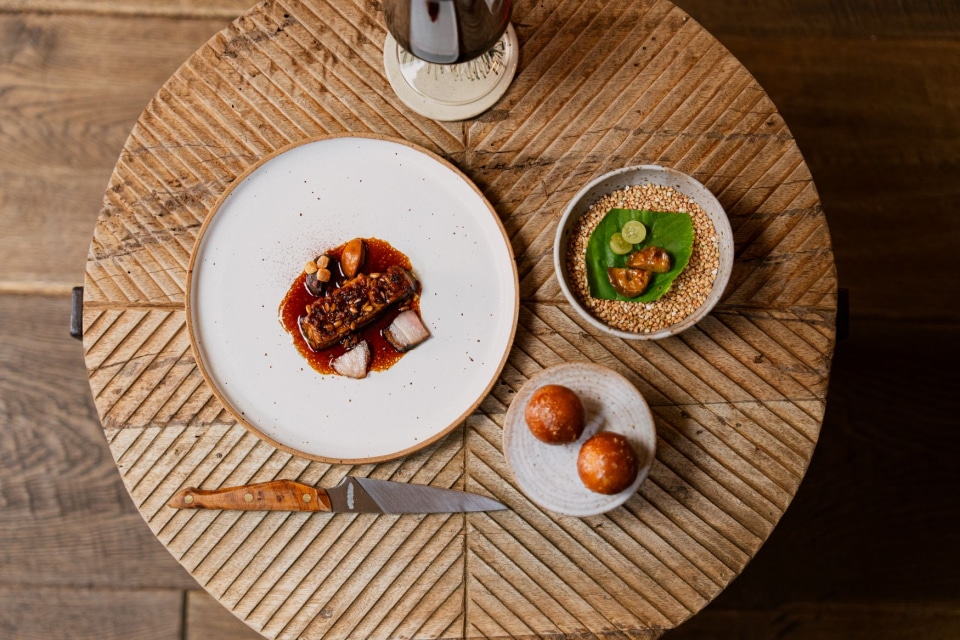
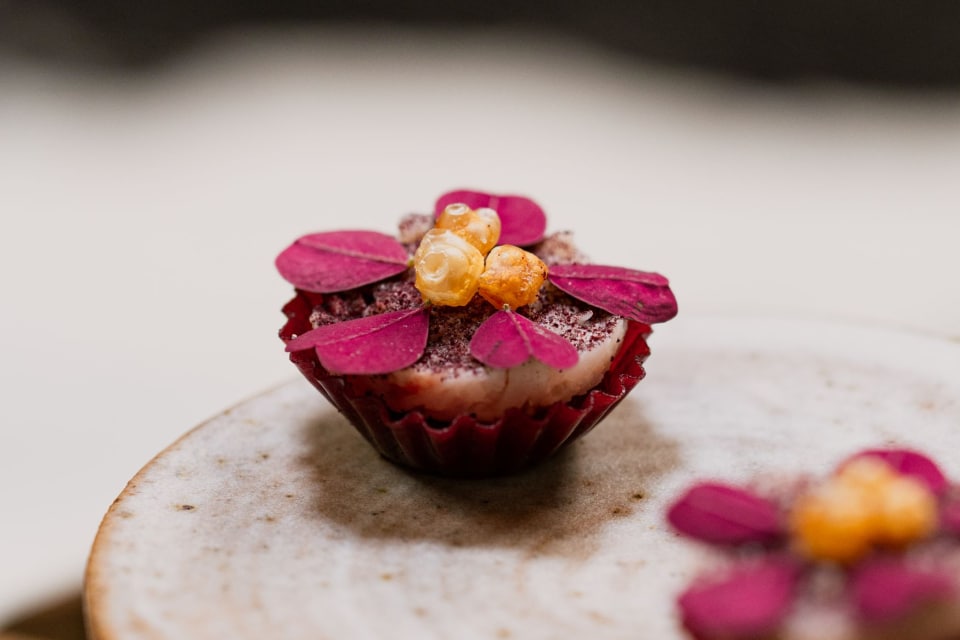
Dining at Restaurant Pine is characterized by constant evolution. The menu follows the seasonal rhythms of the Northumberland landscape rather than predictable global availability. Guests encounter a balance of delicate plant-based plates and intense, deeply flavored game dishes, reflecting a philosophy where the season dictates the cooking, not the chef’s arbitrary desires.
Looking toward the future, Byerley emphasizes the importance of sustained team welfare alongside ecological goals. Influenced by Sian’s operational vision, Pine implements a four-day work week, recognizing that staff well-being is directly linked to the quality of service delivered to guests.
As Restaurant Pine enters 2026 backed by top-tier industry rankings, Byerley remains focused on expanding the restaurant’s growing capacity and deepening its collaborative projects with local scientists and farmers. Beyond individual accolades, the ultimate objective remains systemic: to demonstrate a viable, sustainable model that encourages the wider hospitality industry to rethink its relationship with local food systems, farming communities, and the environment.