35 Remarkable Honey Varieties: From Floral Nectars to Complex Honeydew

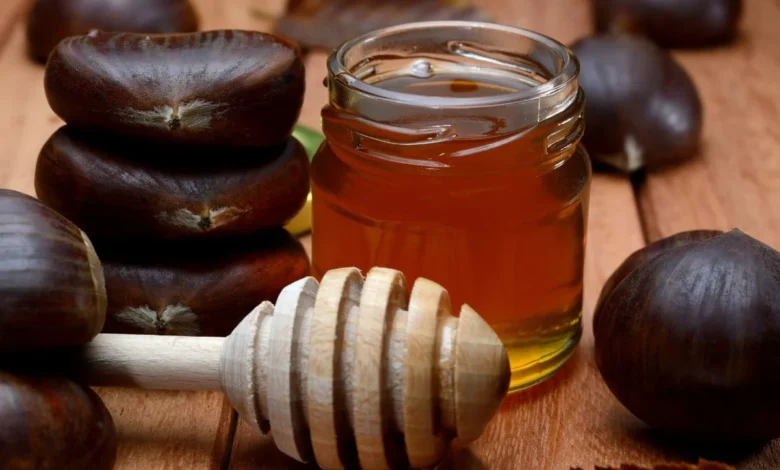
Honey stands as one of humanity’s oldest recorded sweeteners, yet its vast culinary landscape reveals an ingredient far removed from a single, uniform substance. The physical attributes of honey—including its flavor profile, color, aroma, and viscosity—are directly dictated by the specific flora visited by bees, the regional topography of their foraging grounds, and seasonal climatic variations. This interplay yields an extraordinary spectrum of varieties, ranging from the water-clear, delicate sweetness of acacia to the bold, savory, and mineral-rich character of chestnut, oak, and honeydew selections.
Culinary professionals and connoisseurs increasingly evaluate honey with the nuance typically reserved for wine, recognizing that regional heritage, rare floral sources, and unique production methods create distinct tasting experiences. Whether paired with artisanal cheeses, incorporated into sophisticated pastries, or utilized in savory glazes, diverse honey varieties offer profound versatility. Below is an exhaustive global examination of 35 remarkable honey types, detailing their geographical origins, sensory characteristics, and ideal culinary applications.
Categorized Floral and Honeydew Varieties
-
Acacia Honey
Originating primarily from the nectar of black locust trees (widely referred to as acacia in Europe), this pale, near water-clear honey is celebrated for its exceptionally mild sweetness. Because its glucose-to-fructose ratio heavily favors fructose, acacia honey resists crystallization, remaining liquid for months. Its clean, vanilla-forward subtlety makes it a premier choice for sweetening delicate teas and yogurts without masking underlying flavors. -
Clover Honey
Representing the backbone of commercial honey production in North America, clover honey delivers a reliable, universally recognized floral sweetness. Its color spans from light gold to amber, underpinned by a faint grassy note. Beyond its ubiquity in baking and everyday table use, commercial clover crops play an essential role in agricultural ecosystems by supporting migratory beekeeping and pollinator health. -
Wildflower Honey (Polyfloral)
Unlike monofloral variants, wildflower honey lacks a standardized flavor profile, shifting dynamically according to regional blooms, seasonal changes, and foraging ranges. Connoisseurs frequently approach polyfloral batches with the same appreciation as agricultural vintages, valuing their unpredictable complexity for all-purpose cooking and culinary applications that demand greater depth than neutral sweeteners. -
Orange Blossom Honey
Harvested from the citrus groves of Florida, California, and the Mediterranean basin, orange blossom honey is characterized by an unmistakable citrus-forward aroma and a light, fruity tang. Because citrus blooms are brief and weather-dependent, authentic orange blossom honey remains a seasonal specialty. It pairs exceptionally well with fresh ricotta, Greek yogurt, and citrus-based desserts. -
Lavender Honey
Produced predominantly in the sun-drenched fields of Provence, France, lavender honey translates the botanical’s aromatic perfume into a delicate, herbal sweetness with a lingering floral finish. Its limited production window aligns strictly with the short lavender harvest, making it a sought-after accompaniment for goat cheese, roasted stone fruits, and fine pastries. -
Eucalyptus Honey
Found extensively across Australia, Spain, Portugal, and parts of South America, eucalyptus honey presents a robust, herbal profile with distinct menthol or camphor undertones. Ranging from deep amber to dark brown, its savory edge makes it a favored addition to strong black teas, marinades, and traditional folk remedies targeting respiratory health.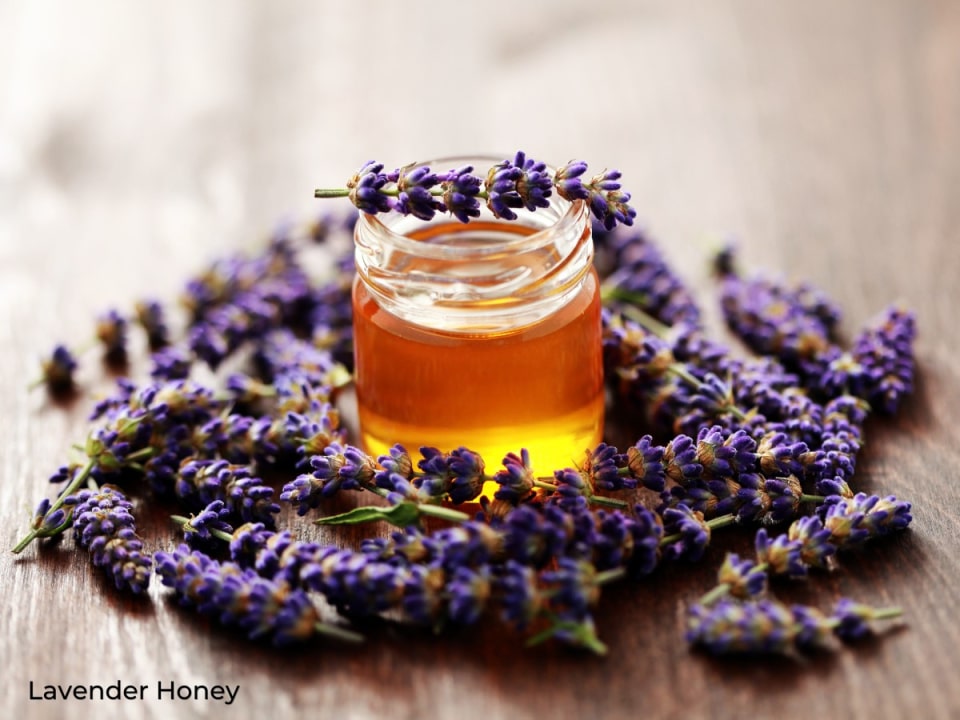
-
Heather Honey
Harvested from the rugged moorlands of Scotland, Ireland, and northern Europe, heather honey is renowned for its unique thixotropic property—it forms a thick, gelatinous structure that requires vigorous stirring to liquefy temporarily. Exhibiting a reddish-brown hue and a smoky, bitter profile, it is traditionally utilized in Scottish baking and paired with peated whiskies. -
Buckwheat Honey
Dark, malty, and molasses-like, buckwheat honey offers a savory, earthy profile entirely devoid of delicate sweetness. Cultivated across the northeastern United States, Canada, and Eastern Europe, it is rich in antioxidants compared to lighter counterparts. Its intensity excels in hearty applications, including meat glazes, dark rye breads, and robust coffee beverages. -
Sage Honey
Gathered from the wild sage hillsides of California, sage honey is remarkably mild, buttery, and exceptionally slow to crystallize. Its clean, pourable consistency and restrained sweetness make it a versatile ingredient for salad dressings, artisan cheese boards, and subtle pastry formulations. -
Manuka Honey
Sourced from the native manuka bush of New Zealand and Australia, manuka honey has achieved global renown driven by scientific validation of its high methylglyoxal (MGO) content, which imparts significant non-peroxide antibacterial properties. Graded using the Unique Manuka Factor (UMF) scale, genuine dark-hued manuka commands premium market valuations and remains heavily regulated to combat persistent global mislabeling. -
Linden Honey (Basswood Honey)
Often called basswood honey in North America, linden honey features a pale hue and a sharp, minty freshness with camphoraceous undertones. Harvested from the blossoms of lime and basswood trees across Europe and North America, it is traditionally paired with chamomile infusions and mild herbal teas.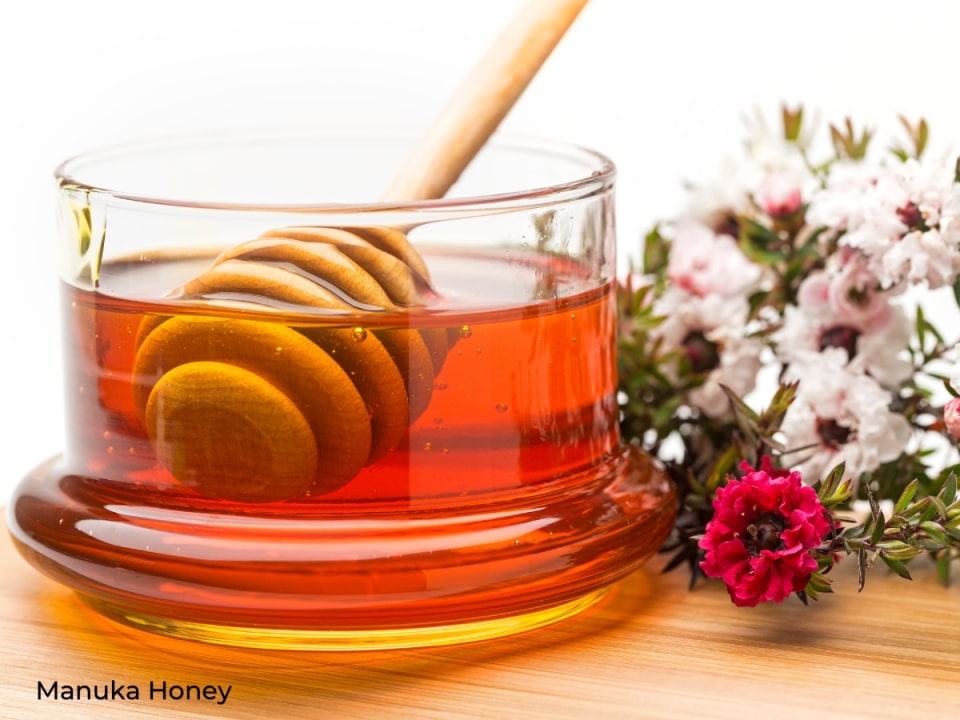
-
Tupelo Honey
Yielded exclusively within the river swamps of the Florida and Georgia panhandles during a narrow spring bloom, tupelo honey is an American South delicacy. Its high fructose content prevents rapid crystallization, maintaining a smooth, golden texture with a buttery, subtly spiced flavor profile that commands luxury pricing. -
Sunflower Honey
Reflecting the vibrant yellow petals of its botanical source, sunflower honey sets rapidly into a smooth, buttery solid due to its high crystallization rate. Produced heavily in Ukraine, Russia, and Hungary, its mild, grassy profile is frequently harnessed in the commercial production of spreadable creamed honey. -
Chestnut Honey
Characterized by a dark, tannic, and assertively bitter edge, chestnut honey subverts traditional expectations of sweetness. Its strong structural profile makes it an ideal pairing for intensely flavored aged cheeses such as pecorino and Gorgonzola. -
Alfalfa Honey
A byproduct of widespread forage crop cultivation in western North America, alfalfa honey provides a light amber appearance and a mild, subtly spicy sweetness. It serves as a dependable, neutral all-purpose sweetener while supporting vital agricultural pollinator networks. -
Rosemary Honey
Originating from the Mediterranean coast, particularly Spain and southern France, rosemary honey is pale and delicate, carrying subtle herbal and savory notes. Its slow crystallization rate and understated character complement mild cheeses and fresh orchard fruits.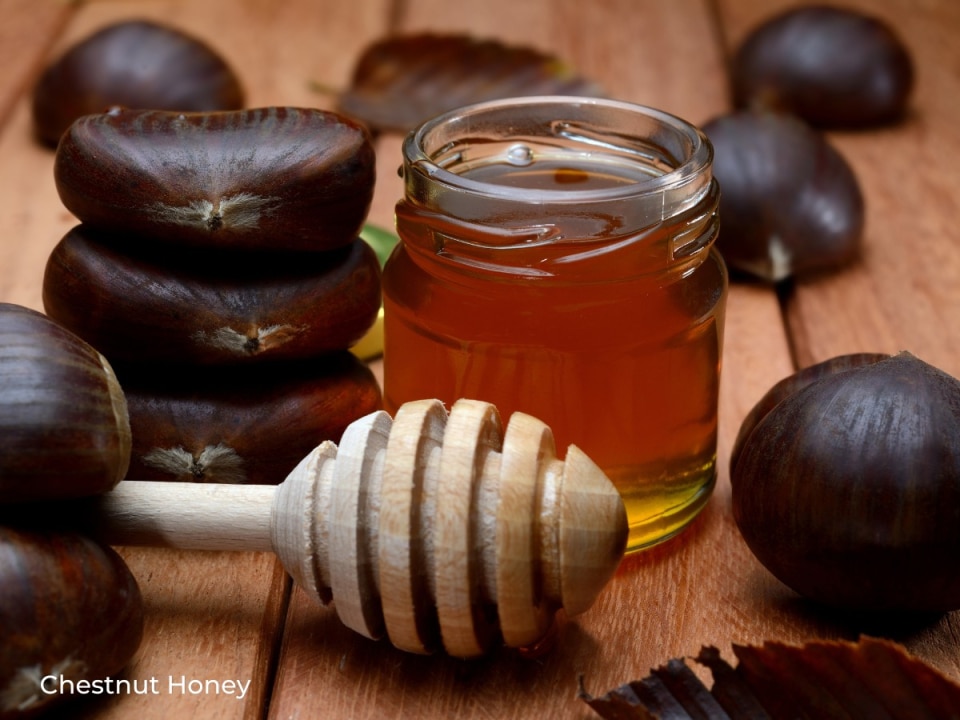
-
Thyme Honey
Deeply rooted in Greek culinary heritage—especially on the island of Crete—thyme honey boasts a reddish-amber color, an intense aromatic presence, and a remarkably long finish. Prized since antiquity for its flavor and perceived wellness benefits, it stands up robustly to feta cheese, Greek yogurt, and rich pastries like baklava. -
Strawberry Tree Honey
Produced from the autumn-blooming flowers of the Mediterranean strawberry tree, this rare honey is notoriously difficult to harvest due to cold seasonal weather. Yielding a complex, bitter, and slightly smoky profile, particularly in Sardinia, it is prized by adventurous connoisseurs. -
Avocado Honey
Harvested in California from avocado blossoms, this dark amber honey delivers a rich, buttery profile with deep caramel notes, entirely free of actual avocado flavor. Its robustness suits roasted-meat glazes, barbecue sauces, and baking applications. -
Coriander Honey
Reflecting the spice profile of the coriander seed rather than its leafy green, this light amber honey offers a warm, gently spiced sweetness. Produced in Eastern Europe and the Middle East, it enhances marinades and spiced confectionery items. -
Coffee Blossom Honey
Harvested during the brief annual bloom of coffee plants across Central America, Africa, and Southeast Asia, this specialty honey possesses a delicate, jasmine-like floral sweetness completely devoid of coffee bitterness.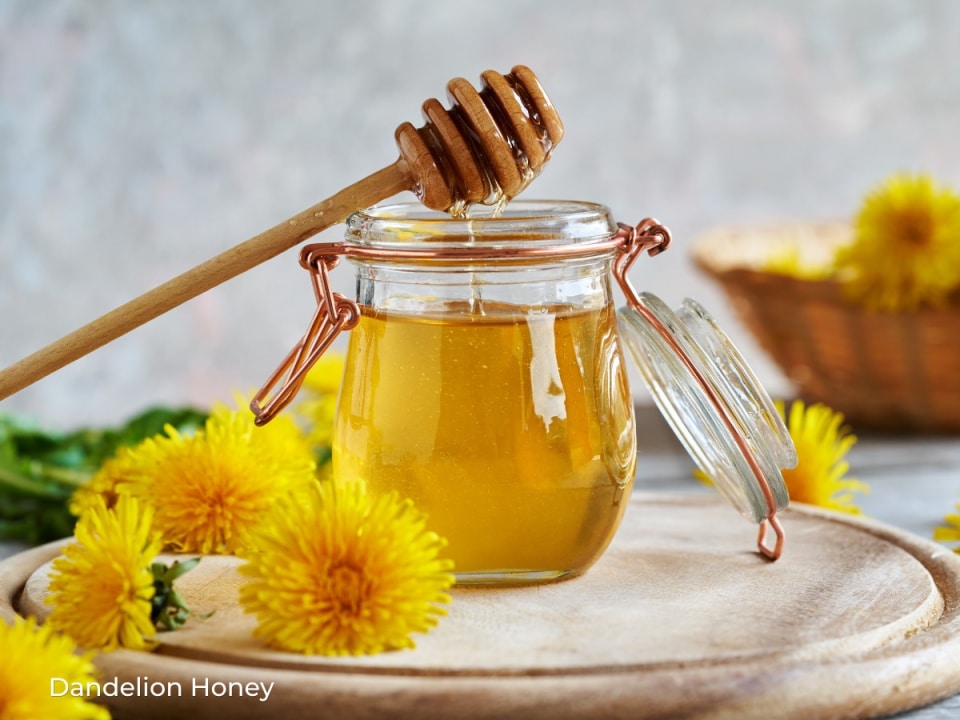
-
Dandelion Honey
Vibrant in color and bold in flavor, dandelion honey delivers a tangy, slightly bitter profile that rapidly crystallizes into a dense, grainy spread. It is commonly produced by regional beekeepers in temperate European and North American zones. -
Leatherwood Honey
Sourced exclusively from the isolated, old-growth temperate rainforests of Tasmania, leatherwood honey offers a wild, unmanipulated profile characterized by spicy, tangy notes and a complex aromatic finish tied directly to regional wilderness preservation. -
Meadowfoam Honey
Cultivated primarily in Oregon from seed-crop meadows, meadowfoam honey presents a creamy white color and a distinct flavor profile mirroring vanilla and marshmallow. Its smooth texture makes it a favored table drizzle for desserts. -
Sourwood Honey
A regional treasure of the Appalachian Mountains, sourwood honey is celebrated for its delicate, spicy character and lingering anise finish. Its restricted production window drives strong demand at regional competitions and agricultural festivals. -
Rapeseed Honey
Extracted from vast European and Canadian canola fields, rapeseed honey crystallizes within days into a fine, buttery-white solid. It is frequently processed into creamed honey to regulate its texture for commercial retail.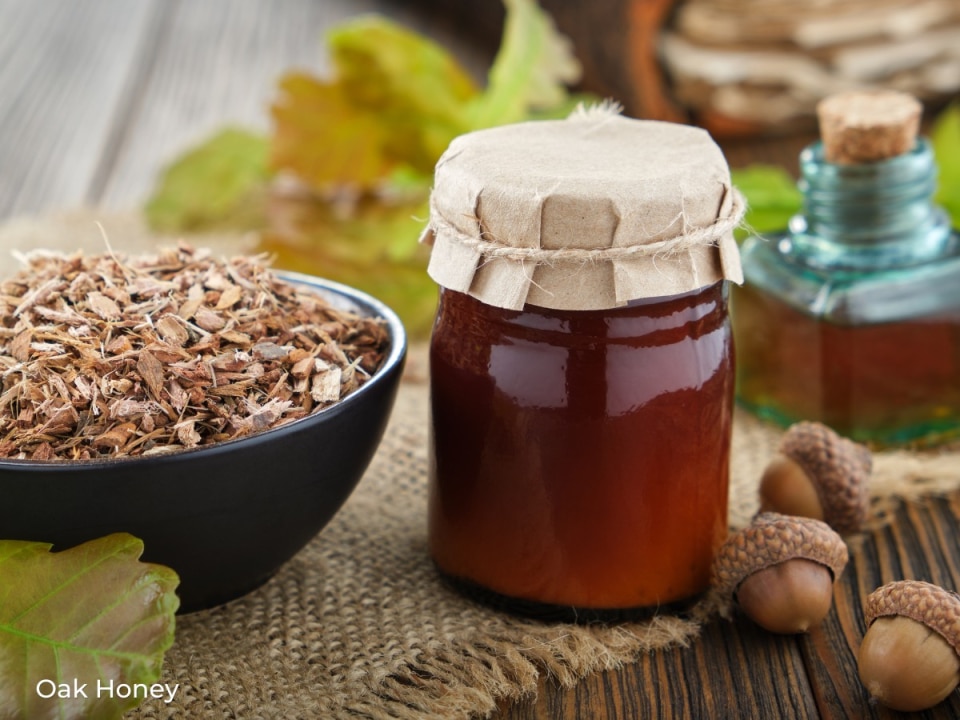
-
Pine Honey
As a honeydew variety sourced from insect secretions on pine sap rather than floral nectar, pine honey exhibits a dark, resinous, and less sweet profile. Regulated heavily in Türkiye—the world’s primary producer—alongside Greece, it demonstrates extended liquid stability and distinct mineral qualities. -
Fir Honey
Harvested from sap-feeding insect secretions on European fir trees, notably within Germany’s Black Forest, fir honey is exceptionally dark, malt-forward, and savory. Its high mineral content makes it an ideal accompaniment for dark rustic breads and strong cheeses. -
Oak Honey
An unpredictable and rare honeydew variety harvested in Spain and the Balkans, oak honey is nearly black, presenting an intensely mineral-rich, slightly bitter flavor profile sought out by dedicated collectors. -
Forest Honey
Comprising blended honeydew secretions from mixed forest canopies across Central and Eastern Europe, forest honey balances resinous depth with moderate approachability for culinary applications. -
Tualang Honey
Harvested via perilous night climbs into the high rainforest canopies of Malaysia, wild tualang honey is gathered from unmanaged colonies. Its bold, complex flavor and recognized antibacterial attributes anchor its standing in regional traditional medicine.
-
Ulmo Honey
Native to the southern temperate rainforests of Chile, ulmo honey provides a pale gold hue and a creamy, buttery, faintly minty flavor distinct from Northern Hemisphere counterparts. -
Sidr Honey
Harvested in remote mountainous regions of Yemen and the Arabian Peninsula, Sidr honey ranks among the world’s most expensive sweeteners. Its dark amber appearance, caramel notes, and cultural prestige drive extraordinary market demand. -
Jarrah Honey
Sourced from the southwestern Australian jarrah eucalyptus forests, jarrah honey displays high antioxidant properties rivaling manuka, paired with a rich, earthy sweetness and long-lasting liquid stability. -
Kiawe Honey
Introduced to Hawaii’s dry leeward soils, kiawe honey yields an exceptionally pale, near-white appearance and an ultra-mild sweetness, representing a vital agricultural utilization of marginal island terrain.