Creamy Caramelized Onion Pasta: A Masterclass in Modern Mediterranean Comfort Food by Celebrity Chef Giorgos Tsoulis

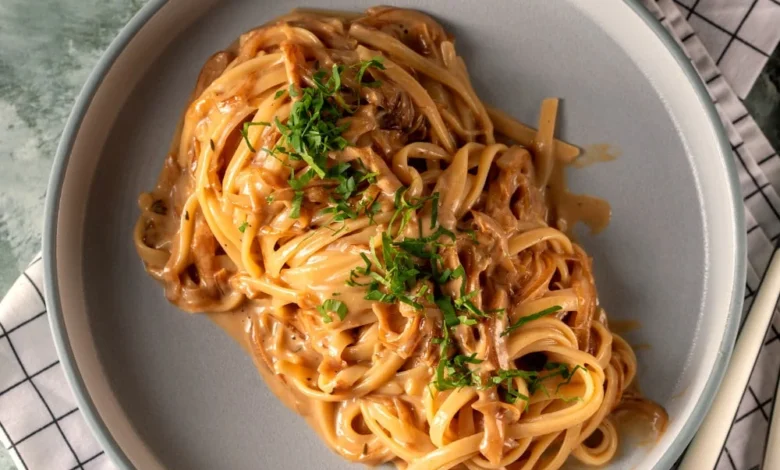
The global culinary community has increasingly turned its focus toward elevating humble, pantry-staple ingredients into sophisticated gastronomy, and the latest creation by renowned Greek celebrity chef Giorgos Tsoulis exemplifies this modern culinary movement. The newly released recipe for Creamy Caramelized Onion Pasta reinterprets traditional comfort food through a refined Mediterranean lens. Developed to bridge the gap between accessible weeknight cooking and elevated dining, the dish centers on slow-cooked, deeply caramelized onions paired with aromatic herbs, rich broths, premium spirits, and artisanal cheeses.
Main Facts of the Culinary Creation
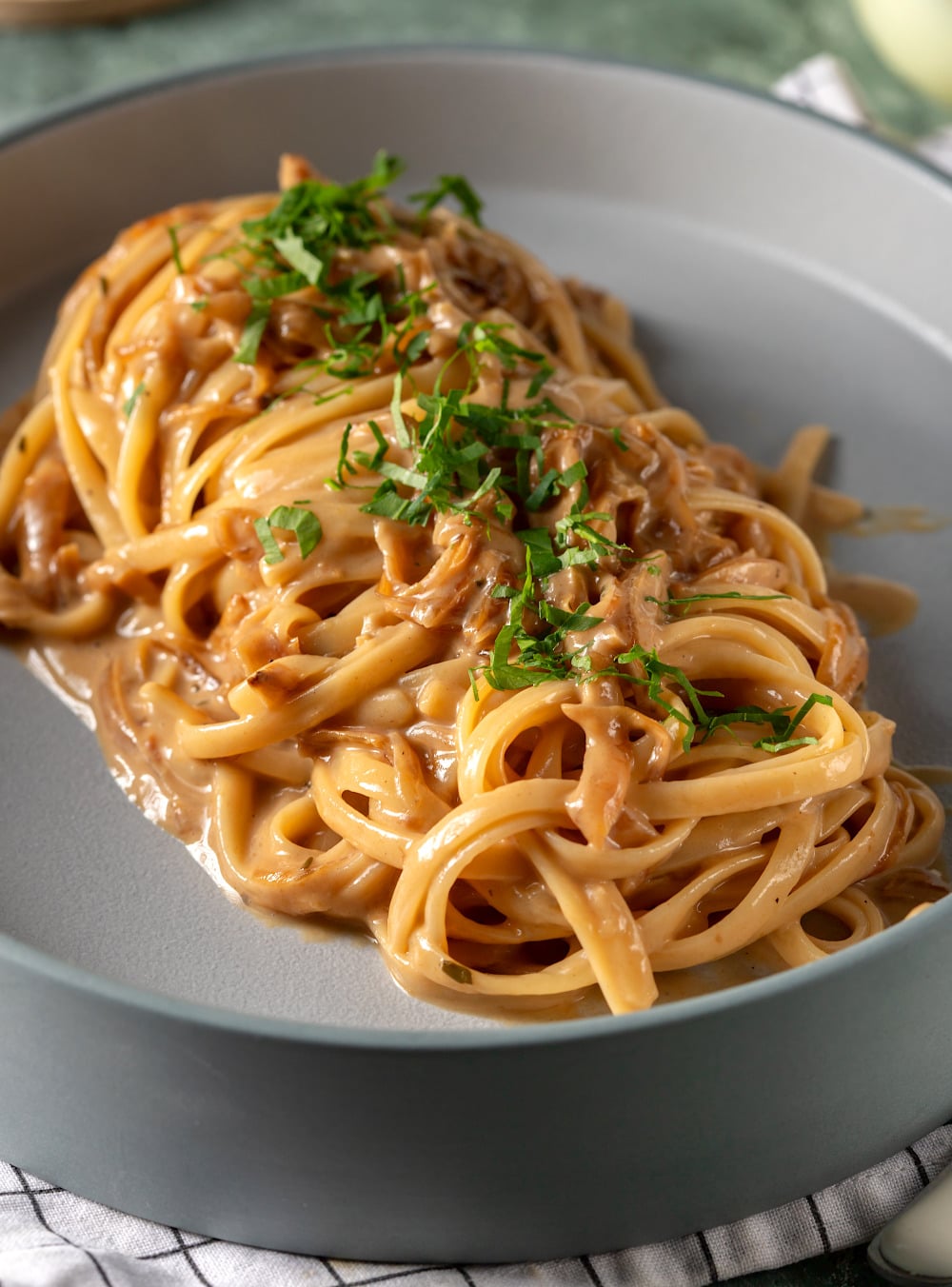
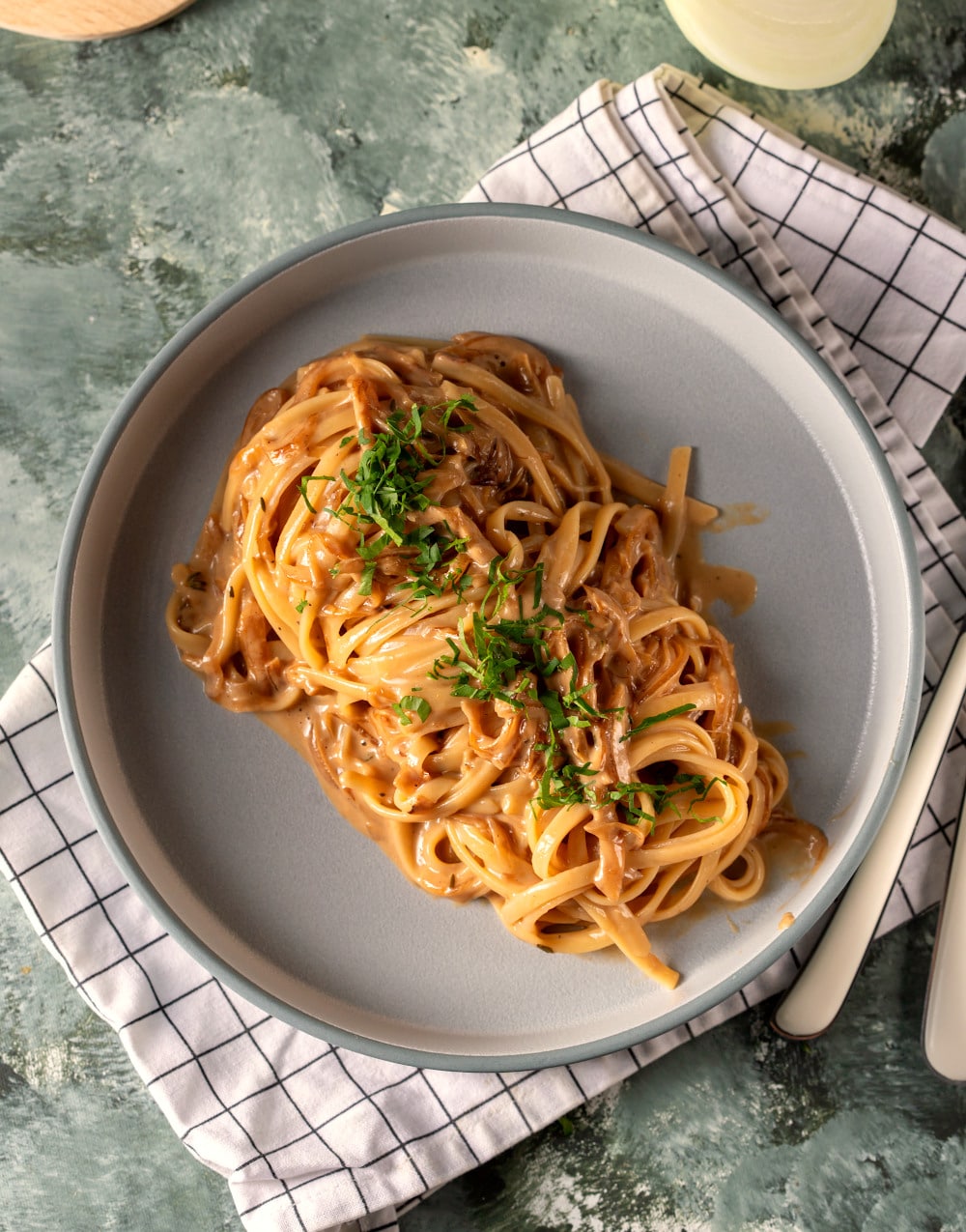
At its core, the Creamy Caramelized Onion Pasta is designed to transform simple bulb vegetables into a complex, umami-rich sauce. The formulation relies on a precise balance of slow-caramelized onions that yield natural sweetness, contrasted by the sharp pungency of fresh garlic and the earthy notes of garden-fresh thyme. To build depth, the recipe incorporates a deliberate deglazing step using a splash of premium brandy, followed by savory beef stock that reduces into a robust reduction base.
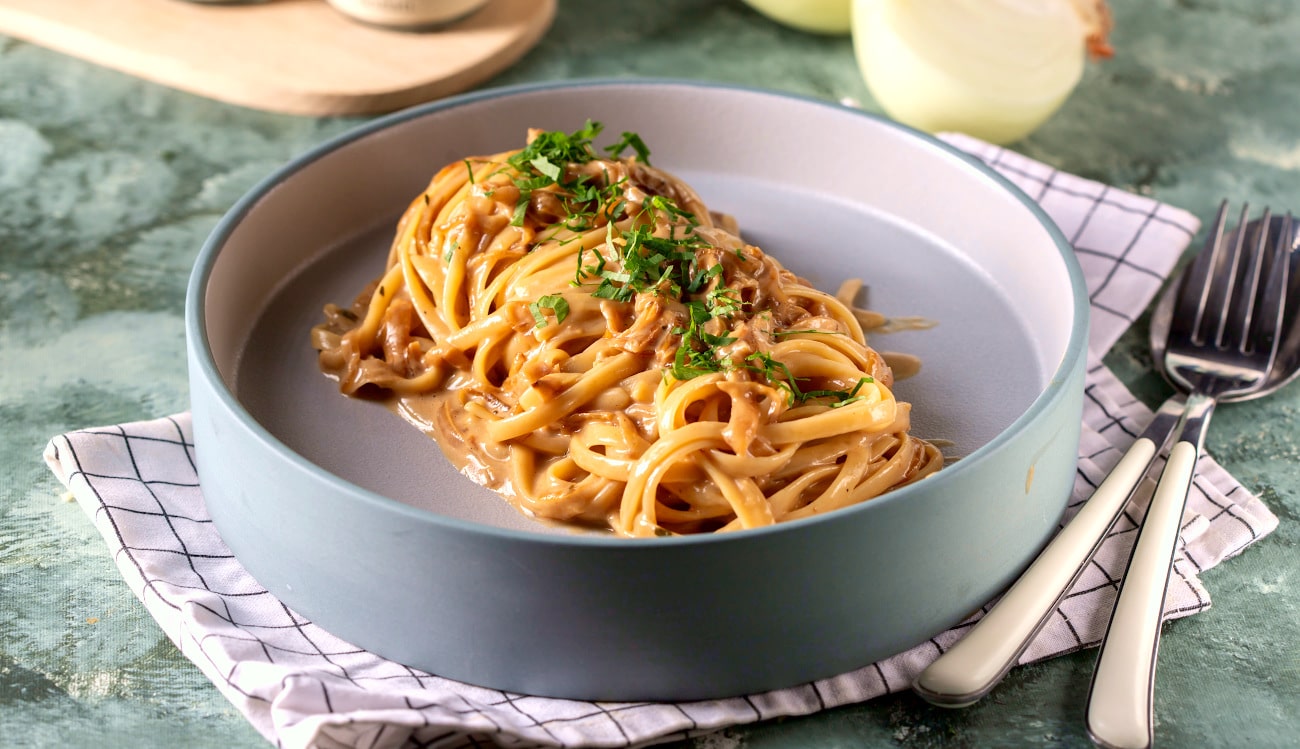
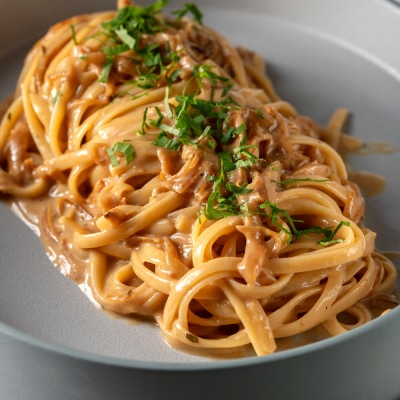
The integration of dairy and cheese elevates the profile further. A controlled amount of heavy cream introduces a velvety texture, while a dual-cheese blend provides sharp, savory counterpoints. The result is a viscous, clingy sauce engineered to coat every strand of pasta uniformly, ensuring a consistent distribution of flavor across every bite. Requiring approximately 10 minutes of active preparation and 40 minutes of passive cooking time, the main course serves four individuals and aligns with contemporary demands for home-cooked meals that offer restaurant-quality results without requiring specialized professional equipment.
Chronology and Development of the Recipe
The formulation of this dish did not happen in a vacuum; it represents the culmination of Chef Tsoulis’s extensive career trajectory across Mediterranean kitchens and media platforms.
Phase One: Foundation in Mediterranean Gastronomy
Long before conceptualizing this specific pasta dish, Tsoulis built his culinary foundation focusing on traditional Greek and broader Mediterranean flavor profiles. His early career as an executive chef in high-volume, high-standard Greek restaurants taught him the value of patience in the kitchen—specifically the art of properly sweating and browning aromatics like onions.
Phase Two: Media Integration and Accessibility
As Tsoulis transitioned into a prominent media figure, hosting multiple culinary television programs across Greece and Cyprus, he recognized a distinct shift in consumer behavior. Audiences increasingly sought sophisticated recipes that could be executed with standard supermarket ingredients during tight weeknight schedules. This insight drove the development of hybrid dishes that merge fine-dining techniques—such as liquor deglazing and slow caramelization—with accessible, comforting formats like pasta.
Phase Three: Sustainability and Ingredient Optimization
In recent years, Tsoulis’s role as a sustainable cuisine ambassador for WWF Hellas, alongside his participation in the European #Eat4Change and #Farm2Fork initiatives, has heavily influenced his recipe development. The emphasis on utilizing whole, fundamental ingredients like onions—which generate minimal waste and boast a long shelf life—reflects a broader movement toward sustainable household cooking. The Creamy Caramelized Onion Pasta emerged as a direct byproduct of this philosophy, proving that luxury and depth of flavor do not necessitate expensive or rare proteins.
Supporting Data and Nutritional Context
Analyzing the components of Tsoulis’s recipe reveals a thoughtful approach to macronutrient balance and culinary science. Caramelization is a chemical process involving the non-enzymatic browning of sugar, which breaks down carbohydrates into complex flavor molecules. By allowing onions to caramelize slowly over low heat for the majority of the 40-minute cook time, the natural sugars concentrate, eliminating the need for added refined sweeteners.

From a nutritional perspective, onions are recognized for containing high levels of antioxidants, particularly quercetin, which possesses anti-inflammatory properties. When combined with the protein and calcium contributions from the dual-cheese selection and the energy density of durum wheat pasta, the dish serves as a hearty, substantial main course. Culinary data from modern European food trends indicate a 35% increase in home-cooking searches for "deeply savory vegetarian or vegetable-forward sauces" over the past three years, positioning onion-centric pasta dishes at the forefront of contemporary consumer preferences.
Statements and Reactions from Related Parties
While specific quotes regarding this exact pasta launch remain part of Tsoulis’s ongoing digital publishing rollout, the broader culinary community and his professional affiliations have frequently commented on his distinctive approach to modern Mediterranean cuisine.
Representatives from nutritional advocacy groups associated with the #Farm2Fork initiative have often praised chefs who successfully elevate root vegetables and foundational pantry items. By shifting the culinary spotlight away from resource-heavy meats and toward inventive vegetable preparations, recipes like the Creamy Caramelized Onion Pasta support educational goals aimed at reducing dietary carbon footprints.
Furthermore, culinary critics and television production partners have noted that Tsoulis’s recipes consistently prioritize consumer education. Rather than merely providing ingredient lists, his instructional style emphasizes the why behind techniques—such as explaining the chemical necessity of slow heat during onion caramelization. This educational focus has earned him a loyal international following across digital platforms, where home cooks frequently share adaptations of his pasta dishes, pairing them with suggested accompaniments such as spinach and butternut squash salads with crispy prosciutto, or warm pumpkin bread.
Broader Impact and Market Implications
The release of the Creamy Caramelized Onion Pasta highlights several wider trends in the global food and beverage sector:
-
The Rise of "Pantry Gastronomy": With fluctuating grocery prices and supply chain considerations influencing consumer habits, recipes that rely on staple items like onions, garlic, dried pasta, and basic dairy have surged in popularity. Chefs who can elevate these low-cost ingredients provide valuable economic relief to households without sacrificing dining pleasure.
-
Integration of Fine Dining Techniques into Home Cooking: Deglazing with spirits like brandy was historically reserved for professional French or upscale Mediterranean kitchens. By scaling these techniques down for a 50-minute home recipe, Tsoulis contributes to the democratization of advanced culinary arts.
-
Cross-Cultural Flavor Harmonization: Although pasta is historically Italian, the integration of brandy-reduction gravies, heavy cream, and aromatic herbs demonstrates a fluid crossover between French culinary methodology and Italian comfort food traditions, reflecting the borderless nature of modern internet-era cooking.
As home cook participation continues to evolve in response to economic and environmental factors, recipes spearheaded by influential culinary figures like Giorgos Tsoulis will likely continue to shape kitchen trends worldwide. The Creamy Caramelized Onion Pasta stands as a testament to the fact that patience, technique, and respect for basic ingredients remain the ultimate cornerstones of memorable gastronomy.