Gurnard Linguine with Dill and Lemon: A Masterclass in Sustainable British-Italian Seafood Dining by Michelin-Recognized Chef Matt Beardmore

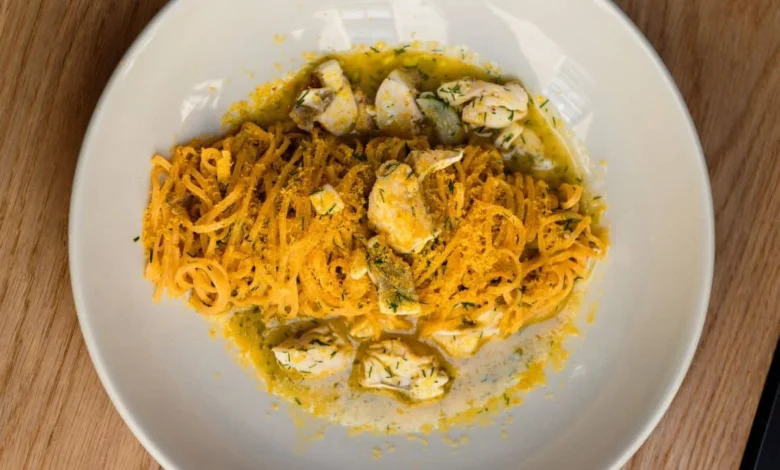
The contemporary London dining scene continues to evolve at a breakneck pace, yet few establishments manage to capture the elusive balance between refined technique and rustic comfort quite like Legare. Nestled along the historic, cobblestone-paved waterfront of Shad Thames—an area historically celebrated as the culinary "larder of London"—the Michelin Bib Gourmand-awarded restaurant has become a beacon for ingredient-driven Mediterranean cooking. At the heart of this culinary success is Executive Chef and co-founder Matt Beardmore, whose signature gurnard linguine has rapidly transitioned from a beloved neighborhood menu item into a critically acclaimed masterclass in modern seafood pasta.
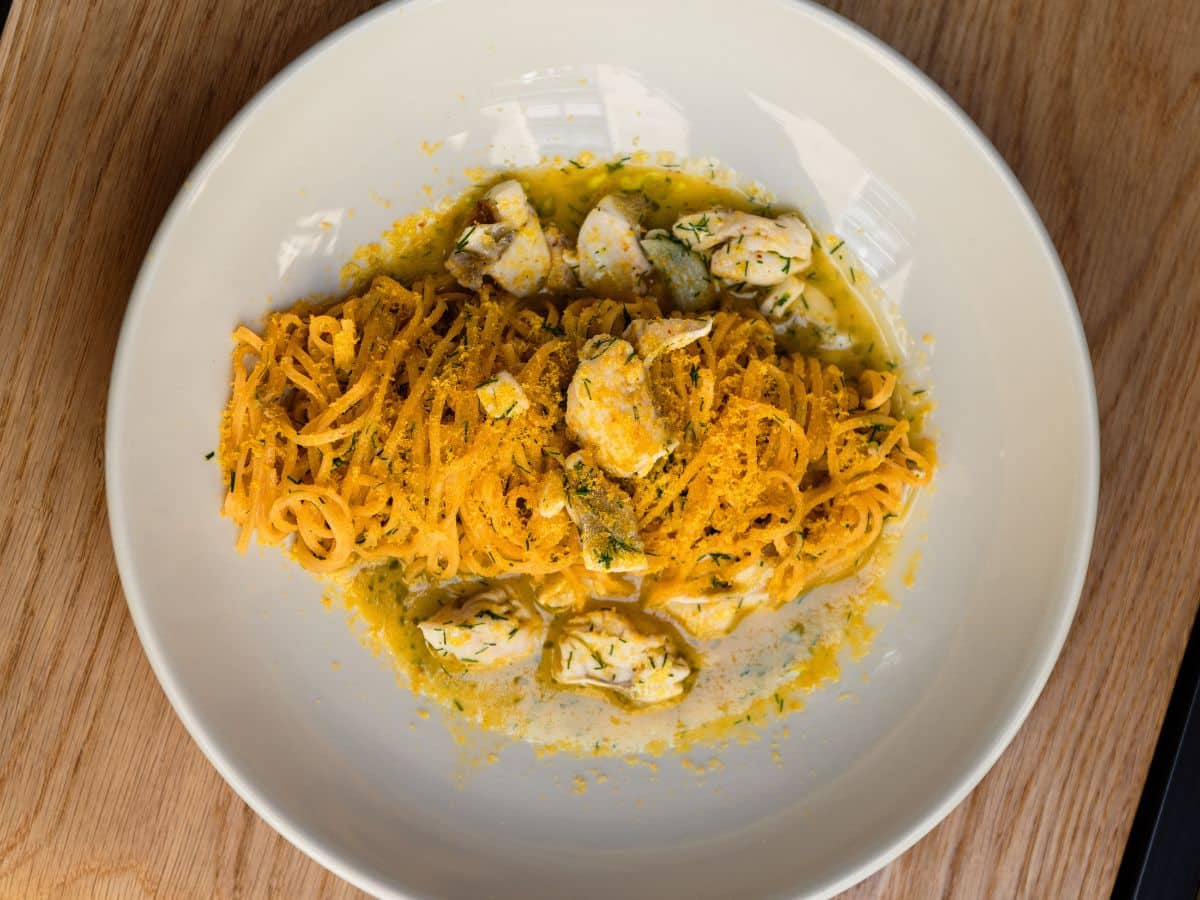
Combining the robust, briny depths of the British coastline with the time-honored, minimalist philosophy of Italian pasta-making, Beardmore’s recipe showcases how humble, underutilized species can be elevated to fine-dining standards. Featuring tender chunks of firm-fleshed gurnard gently simmered in a delicate emulsion of garlic, chilli, and dry white wine, the dish is finished with fresh dill, lemon zest, butter, and starchy pasta water to yield an impeccably glossy sauce. For those seeking an elevated flavor profile, a final grating of cured bottarga introduces an intense, savory depth. As diners increasingly demand transparency, sustainability, and exceptional flavor in equal measure, this dish offers a timely blueprint for modern European gastronomy.
The Culinary Heritage and Career Trajectory of Chef Matt Beardmore
To understand the precision behind the gurnard linguine, one must examine the rigorous culinary journey of Chef Matt Beardmore. His trajectory reflects a deliberate rejection of fleeting food trends in favor of deep-rooted technical proficiency and agricultural awareness. Beardmore’s professional foundation was established during a formative five-year tenure at Boodles, one of London’s oldest and most exclusive private members’ clubs. Operating within this historically traditional environment required absolute mastery over classic French and British culinary fundamentals, setting a high standard for precision that would inform his later endeavors.
Seeking a broader understanding of global food systems, Beardmore paused his kitchen career in 2014 to embark on a year-long journey across Asia. This immersive experience exposed him to diverse farming practices, sustainable produce management, and varied regional approaches to fresh ingredients. Upon returning to London in 2015, he joined the team at Trullo, a revered institution known for its uncompromising dedication to Italian culinary traditions. Over four years, rising to the position of Senior Sous Chef, Beardmore cultivated a profound appreciation for the rustic core of Italian cooking. Working extensively with ingredients grilled over live charcoal or served at the absolute peak of their seasonal maturity fundamentally shaped his culinary philosophy.
This philosophy crystallized in 2019 when Beardmore partnered with co-founder Jay Patel to launch Legare. Situated against the industrial backdrop of Shad Thames, the restaurant was conceived as an intimate neighborhood destination rooted in the principles of Italian cuisine executed using exceptional British seasonal produce. The architectural centerpiece of the dining room is an open kitchen, allowing guests to observe the kitchen brigade as they collaborate closely with independent coastal suppliers. This dynamic, ever-changing menu celebrates various Italian culinary regions through a modern lens. In 2021, just two years after opening, Legare was awarded a prestigious Michelin Bib Gourmand, cementing its status as a critical darling and a cult-favorite destination for discerning food enthusiasts. Expanding his footprint in the capital, Beardmore opened Luna in 2025, a European-accented wine bar and bistro that merges French culinary techniques with biodynamic winemaking principles and seasonal small plates.
Anatomy of the Dish: Ingredients, Technique, and Substitutions
The gurnard linguine is deceptively simple, relying on the synergy of a few high-quality components rather than convoluted preparations. At its core is gurnard, a demersal fish traditionally overlooked by mainstream commercial fisheries despite its abundance in British waters. Characterized by its mild, slightly sweet flavor profile and remarkably firm, meaty texture, gurnard is uniquely suited for culinary applications that require fish to hold its structural integrity, such as soups, stews, and long-strand pasta dishes.
The cooking process, which requires approximately 15 minutes of preparation and 20 minutes of active cooking time, is designed to protect the delicate proteins of the fish. Gurnard pieces are gently sautéed with aromatics like garlic and chilli before being deglazed with dry white wine, creating an acidic base that cuts through the richness of the final emulsion. As the linguine cooks al dente, it is transferred directly into the pan alongside cooking water rich in starches. Combined with high-grade butter, these starches emulsify into a silky, glossy coating that binds the pasta and fish without masking the natural flavors.
Fresh dill and lemon juice are introduced toward the final stages of cooking to inject brightness, vibrancy, and a necessary herbaceous counterpoint to the savory elements of the dish. The dish reaches its sensory peak with the addition of bottarga—salted, pressed, and dried fish roe, traditionally sourced from grey mullet. Revered throughout the Mediterranean, particularly in Sardinia and coastal Sicily, bottarga provides a concentrated burst of umami and marine salinity. Culinary experts note that bottarga must be finely grated over the pasta away from direct heat to preserve its delicate aromas and prevent it from becoming bitter.
Recognizing the realities of modern food sourcing, Beardmore has pragmatically outlined accessible substitutions. If bottarga is unavailable, omitting it does not compromise the structural integrity of the meal; the interplay of garlic, white wine, butter, and citrus provides ample complexity. Similarly, if gurnard cannot be sourced from local fishmongers, sustainable alternatives such as sea bass, sea bream, or red mullet serve as exceptional substitutes, provided they possess the requisite firmness to withstand gentle folding into the pasta.
Broader Implications: Sustainability and the Shift Toward Underutilized Species
The rising popularity of dishes featuring gurnard points to a broader, highly necessary shift within the global restaurant industry toward sustainable seafood sourcing. For decades, commercial fishing fleets have concentrated their efforts on a narrow band of high-demand species—such as cod, haddock, salmon, and tuna—placing immense pressure on marine ecosystems and driving up costs. This over-reliance has led to stock depletions, prompting marine conservation organizations and forward-thinking chefs to advocate for a diversification of species consumed by the public.
Gurnard, often captured as a non-targeted bycatch in trawl fisheries, has historically been discarded at sea due to lack of consumer demand, despite its excellent culinary qualities and abundant populations in the North Atlantic and Mediterranean. By placing gurnard center stage in a Michelin-recognized establishment, Chef Beardmore and similar culinary leaders validate the market viability of underutilized marine resources. This "nose-to-tail" and "fin-to-gill" approach helps alleviate ecological pressure on overfished apex species while supporting local, independent day-boat fishermen who bring a wider variety of coastal catches to market.
Furthermore, the emphasis on hyper-seasonal, locally sourced produce reflects changing consumer demographics. Modern diners, particularly post-pandemic, increasingly prioritize ethical consumption, traceability, and environmental accountability over mere convenience. Restaurants that successfully marry sustainability with high-end execution are uniquely positioned to capture market share, proving that ecological responsibility and gastronomic excellence are not mutually exclusive.
Chronology of Legare’s Rise in the London Dining Scene
- 2014–2015: Chef Matt Beardmore completes his travels across Asia studying sustainable food systems, returning to London to join the kitchen brigade at Trullo, where he refines his expertise in ingredient-led Italian cooking.
- 2019: Beardmore partners with Jay Patel to establish Legare in Shad Thames, creating an open-kitchen concept centered on Italian techniques utilizing British seasonal produce.
- 2021: Legare is awarded a Michelin Bib Gourmand, validating its commitment to high-quality, accessible neighborhood dining and cementing its reputation among culinary critics.
- 2025: Beardmore expands his culinary portfolio with the launch of Luna, a European-influenced wine bar bistro that applies seasonal cooking cues and French techniques to a rotating selection of Old and New World wines.
- Present: Signature dishes such as the gurnard linguine continue to circulate globally through culinary features, inspiring home cooks and professional kitchens alike to embrace sustainable seafood and Mediterranean minimalism.
Frequently Asked Questions About Gurnard Linguine
What does gurnard taste like?
Gurnard features a mild, delicately sweet flavor profile accompanied by a firm, meaty texture. Unlike more delicate white fish that easily disintegrates, gurnard retains its shape exceptionally well during cooking, making it ideal for inclusion in hot pasta dishes, bouillabaisse, and seafood stews.
Can I make this pasta without bottarga?
Yes, bottarga is entirely optional. While it contributes an intense, savory, and briny complexity characteristic of Mediterranean coastal cuisine, omitting it leaves a deeply flavorful seafood pasta driven by the combination of fresh fish, dry white wine, butter, garlic, dill, and lemon.

When is the best time to add bottarga to pasta?
Bottarga should always be added at the very end of the cooking process, ideally after the pan has been completely removed from direct heat. Exposing bottarga to sustained high heat can dull its aromatic profile and introduce undesirable bitterness.
How can I prevent the fish from falling apart during preparation?
To maintain the structural integrity of the fish, cut the gurnard fillets into uniform, evenly sized pieces. Cook them gently over moderate heat, and rather than stirring the pan aggressively, carefully turn the pieces by hand or fold the pasta through the sauce using slow, deliberate movements.