Redefining Nordic Gastronomy: Chef Mikael Svensson and the Zero-Waste Revolution at Oslo’s Two-Michelin-Starred Kontrast

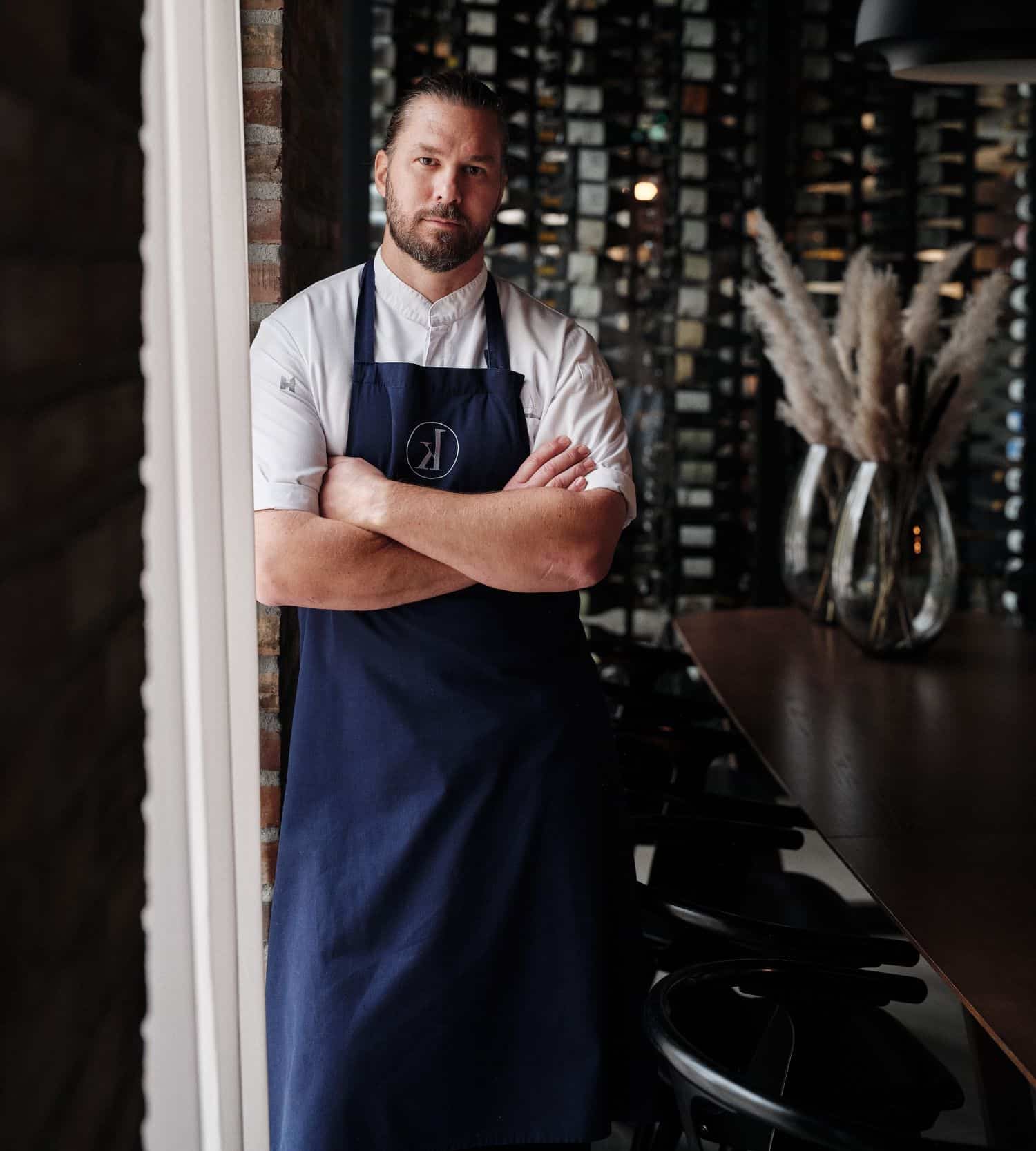
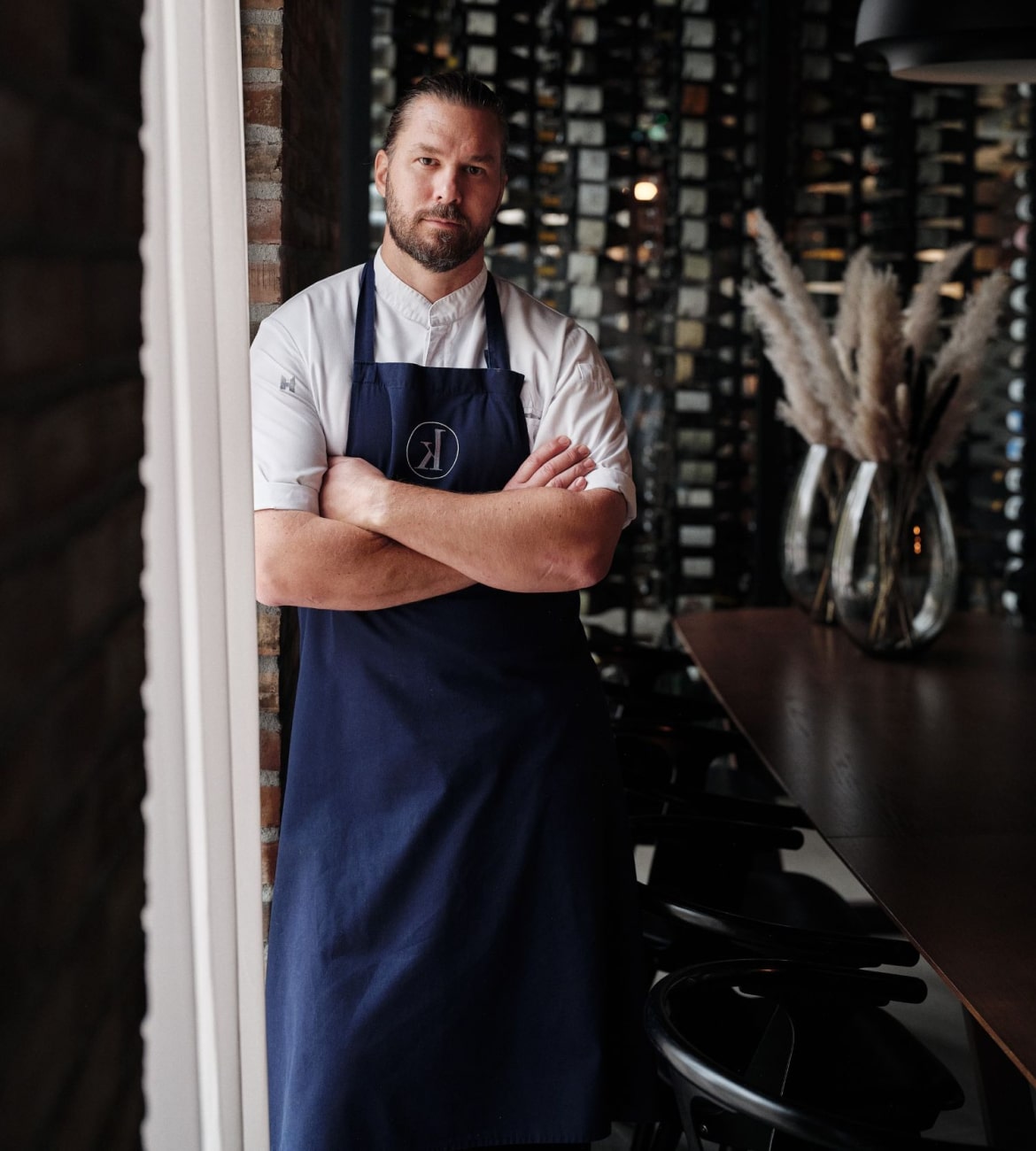
The contemporary landscape of fine dining is undergoing a profound paradigm shift, moving away from imported luxuries and conspicuous consumption toward hyper-locality, radical sustainability, and ecological accountability. At the vanguard of this movement is Chef Mikael Svensson, whose two-Michelin-starred establishment, Restaurant Kontrast, has become a beacon of modern Nordic gastronomy. Situated in the heart of Oslo, Norway, Kontrast has transcended the traditional boundaries of high-end dining by embedding environmental consciousness into every facet of its operation. Recognized as one of the Michelin Guide’s inaugural Mindful Voices, the restaurant proves that culinary excellence and zero-waste philosophies are not mutually exclusive, but rather mutually reinforcing.
Formative Roots in the Agricultural Heartland of Skåne
To understand Svensson’s uncompromising approach to ingredients, one must trace his journey back to the fertile farmlands of Skåne in southern Sweden. Raised within a robust agricultural community, Svensson was immersed in a culture that deeply respected seasonal rhythms long before he ever set foot in a professional commercial kitchen. The landscape of Skåne—characterized by expansive fields, rich soils, and a strong farming tradition—instilled in him an innate understanding of how produce evolves throughout the year.
This early exposure laid the foundation for his culinary palate. The vegetables, grains, and proteins that populated his childhood home remain the architectural pillars of his current menus in Oslo. However, translating a Swedish rural upbringing into a Norwegian urban setting required a delicate synthesis of identity and innovation. While Svensson acknowledges that he lacks the specific historical culinary heritage of native Norwegian chefs, this outsider’s perspective has ultimately served as an asset. Unburdened by strict culinary orthodoxies, he approaches Norwegian terroir with fresh eyes, blending Swedish sensibilities with the pristine bounty of Norway’s land and sea.
The Evolution of Kontrast: From Vision to Two Michelin Stars
Established with the intent of challenging traditional dining paradigms, Restaurant Kontrast has steadily climbed the ranks of international fine dining. The restaurant’s recent acquisition of its second Michelin star marks a significant milestone, validating years of meticulous experimentation and operational refinement. Under Svensson’s leadership, Kontrast operates on a philosophy of continuous improvement, where day-to-day operations are subjected to relentless scrutiny to optimize sustainability, staff well-being, and guest satisfaction.
The dining experience at Kontrast is a masterclass in hyper-seasonal storytelling. Dishes are designed not merely to satiate, but to reflect the precise moment in time and space in which they are served. This commitment requires forging direct, long-term relationships with local farmers, foragers, and fishermen across the Nordic region. By bypassing conventional supply chains, Svensson ensures that the kitchen receives ingredients at their absolute peak of freshness while supporting regional agricultural biodiversity.
Closing the Loop: The Birth of b.culture and the Science of Upcycling
Perhaps the most groundbreaking extension of Svensson’s culinary philosophy is b.culture, an ambitious fermentation and upcycling project co-founded with business partner and fermentation expert Will Moffat. Born out of an ethical and creative necessity to eliminate kitchen waste, b.culture transforms what would traditionally be discarded into complex, highly prized culinary components.
In a standard commercial kitchen, trimmings such as langoustine heads, scallop muscles, cheese rinds, stale bread, seaweed, and vegetable scraps are routinely relegated to the bin. At b.culture, these by-products are meticulously analyzed, processed, and fermented into garums—savory, amino-acid-rich fermented sauces—as well as specialized seasonings and preserves. Svensson often notes that the overlooked components of an ingredient frequently yield the most compelling flavor profiles, subverting the hierarchy of luxury in gastronomy.
The scientific rigor required to transform difficult waste products is spearheaded by Moffat. Among the most formidable challenges the duo faced was the creation of cheese garums. Because fat acts as a natural inhibitor and disruptor during the fermentation process, engineering a stable, harmonious product required extensive trial and error. Overcoming such hurdles has allowed b.culture to demonstrate that waste reduction does not necessitate a compromise in flavor; rather, it serves as a wellspring of unprecedented culinary creativity.
Fermentation as a Culinary Pillar
Fermentation is frequently misunderstood by the general public, often pigeonholed as a niche preservation technique or associated exclusively with pungent, acquired tastes. Svensson and his team actively work to demystify the process, emphasizing its immense versatility within modern cuisine.
Far from being a mere gimmick, fermentation serves three critical functions in Kontrast’s kitchen: building profound depth of flavor, preserving short-lived seasonal crops for the harsher winter months, and actively altering the textural integrity of ingredients. By harnessing controlled microbial activity, the kitchen unlocks umami compounds and nuanced acidity that cannot be achieved through conventional cooking methods alone. This deep understanding of fermentation bridges ancient food preservation traditions with cutting-edge culinary science.
The Anatomy of a Signature Dish: The Diver-Picked Scallop
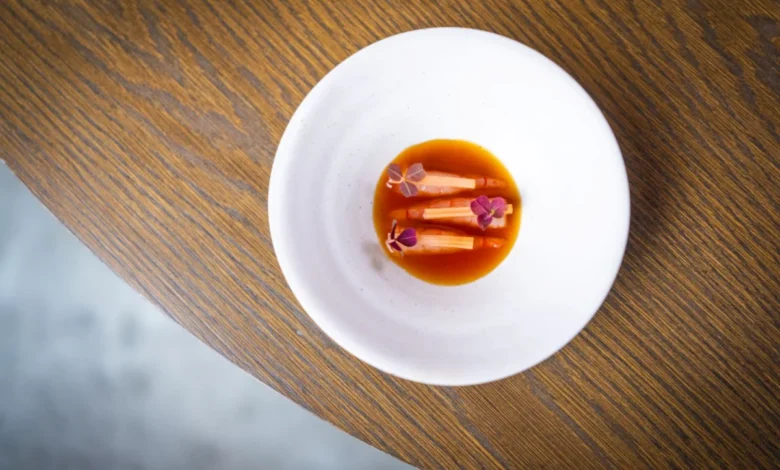
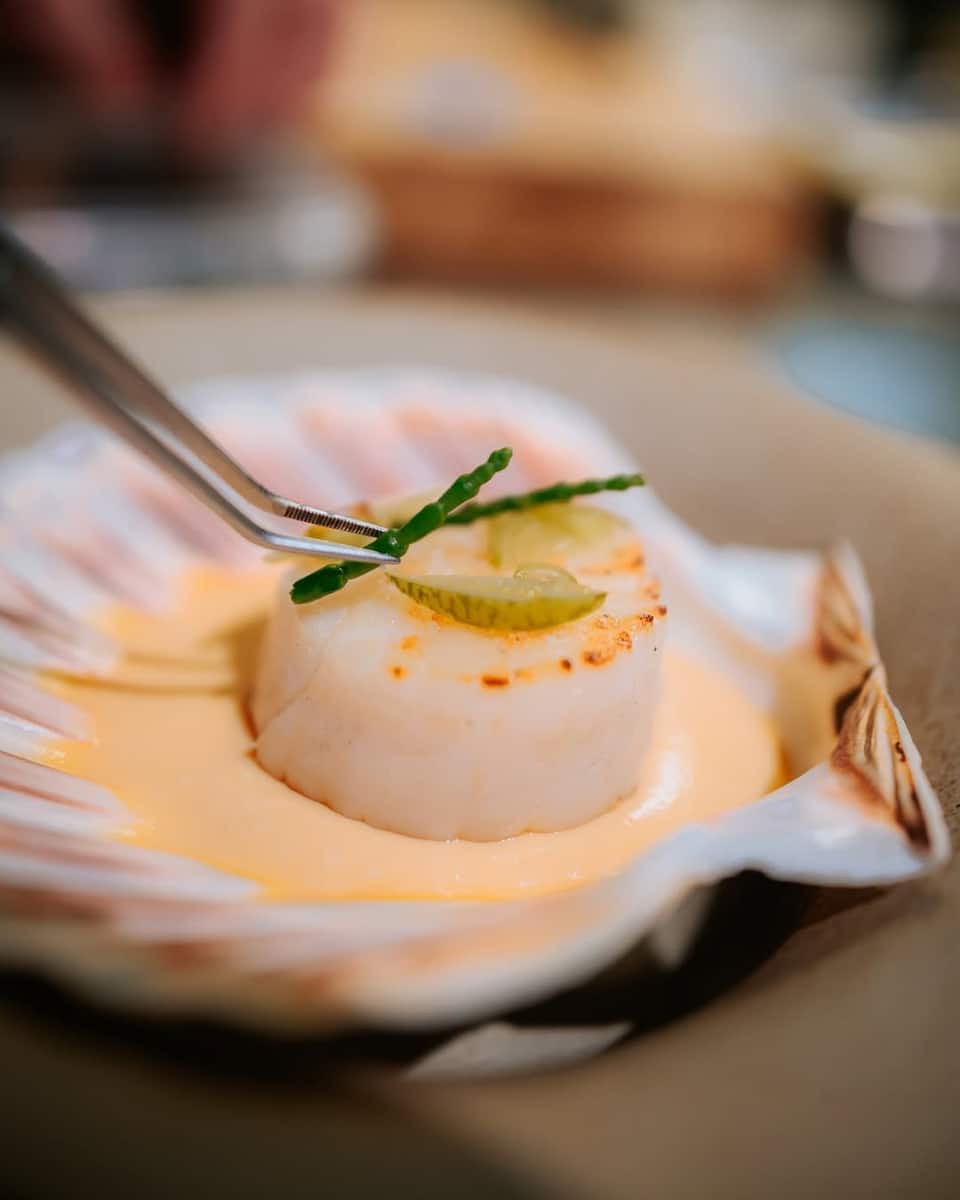
To witness Svensson’s philosophy in action, one need look no further than Kontrast’s signature diver-picked scallop dish—a comprehensive study in utilizing 100 percent of a single ingredient.

The preparation begins with a pristine, sustainably harvested scallop, gently cooked in house-made scallop butter and finished over an open charcoal grill to impart a delicate smokiness. Every secondary component of the bivalve is repurposed within the same plate:
- The small muscle, typically discarded in standard culinary applications, is converted into a rich, umami-dense garum.
- The skirt is simmered down to create both a robust broth and a concentrated glaze.
- This broth forms the liquid foundation of a delicate Japanese-inspired chawanmushi (savory egg custard), which is infused with foraged, in-season meadowsweet to introduce a distinct floral, local terroir.
- Finally, the roe is carefully marinated and grilled, served alongside the main muscle to provide a contrasting sweetness.
When consumed together, the dish offers a multi-dimensional expression of the scallop, harmonizing natural sweetness, saline depth, rich textures, and the distinct aromatic notes of Scandinavian flora. It stands as a physical manifestation of Svensson’s belief that sustainability and high gastronomy are inextricably linked.
Bridging the Gap: Bringing b.culture to the Consumer Market
What began as an internal initiative to manage kitchen waste has rapidly evolved into a scalable commercial enterprise. Svensson and Moffat made the strategic decision to transition b.culture from an exclusive restaurant project into a consumer-facing brand, making their artisanal garums and seasonings accessible to home cooks and independent retailers.
This expansion represents a deliberate effort to influence the wider supply chain. By creating a viable commercial market for upcycled by-products, b.culture empowers primary producers—such as farms, dairies, and fisheries—to extract economic value from materials that were previously considered economic liabilities. Furthermore, the brand’s impending rollout across major Norwegian supermarket chains signals a watershed moment, bringing sustainable, high-end flavor enhancers directly into domestic households.
The Broader Impact and Future of Nordic Cuisine
The influence of chefs like Mikael Svensson extends far beyond the dining room walls of Oslo. As the Nordic food movement enters its third decade, it has matured from a regional fascination centered around foraging and New Nordic dogma into a diverse, highly individualized ecosystem.
Industry analysts note that restaurants championing zero-waste and hyper-locality are no longer anomalies; they are establishing a new baseline for operational legitimacy in the Michelin tier. Consumers are increasingly evaluating restaurants not merely on the technical execution of a meal, but on the ethical integrity of the supply chain behind it. Svensson’s work demonstrates that environmental responsibility can successfully drive aesthetic and conceptual innovation rather than stifling it.
For home cooks seeking to incorporate these principles into their daily lives, Svensson offers pragmatic advice: start small. By identifying a single recurring household leftover—such as a Sunday roast chicken—and building a routine around it, individuals can make measurable strides in waste reduction. Stripping the meat for subsequent meals and utilizing the remaining bones for an overnight broth serves as an accessible entry point into circular cooking.
As Kontrast looks to the future, the mandate remains clear. With new seasonal ingredients constantly cycling through the kitchen, ongoing developments at b.culture, and an unwavering commitment to operational evolution, Mikael Svensson continues to redefine what it means to cook with a conscience. In doing so, he has secured his place not only as a master of Nordic flavors, but as a crucial architect of modern gastronomic sustainability.