The Ultimate Guide to 15 Essential Types of Squash and Pumpkins from Around the World

The global culinary landscape of autumn and summer produce is anchored by one of the world’s most versatile botanical families: Cucurbitaceae, which encompasses both winter squash and pumpkins alongside summer varieties. Far from serving merely as seasonal decorations or carving canvases, modern culinary science and agricultural data reveal that distinct cultivar properties dictate precise gastronomic applications. Ranging from squash varieties that transform into silky, velvety purées when processed to those yielding fluffy, potato-like textures, or even separating entirely into spaghetti-like strands, understanding these biological and textural variances is vital for professional chefs and home cooks alike.
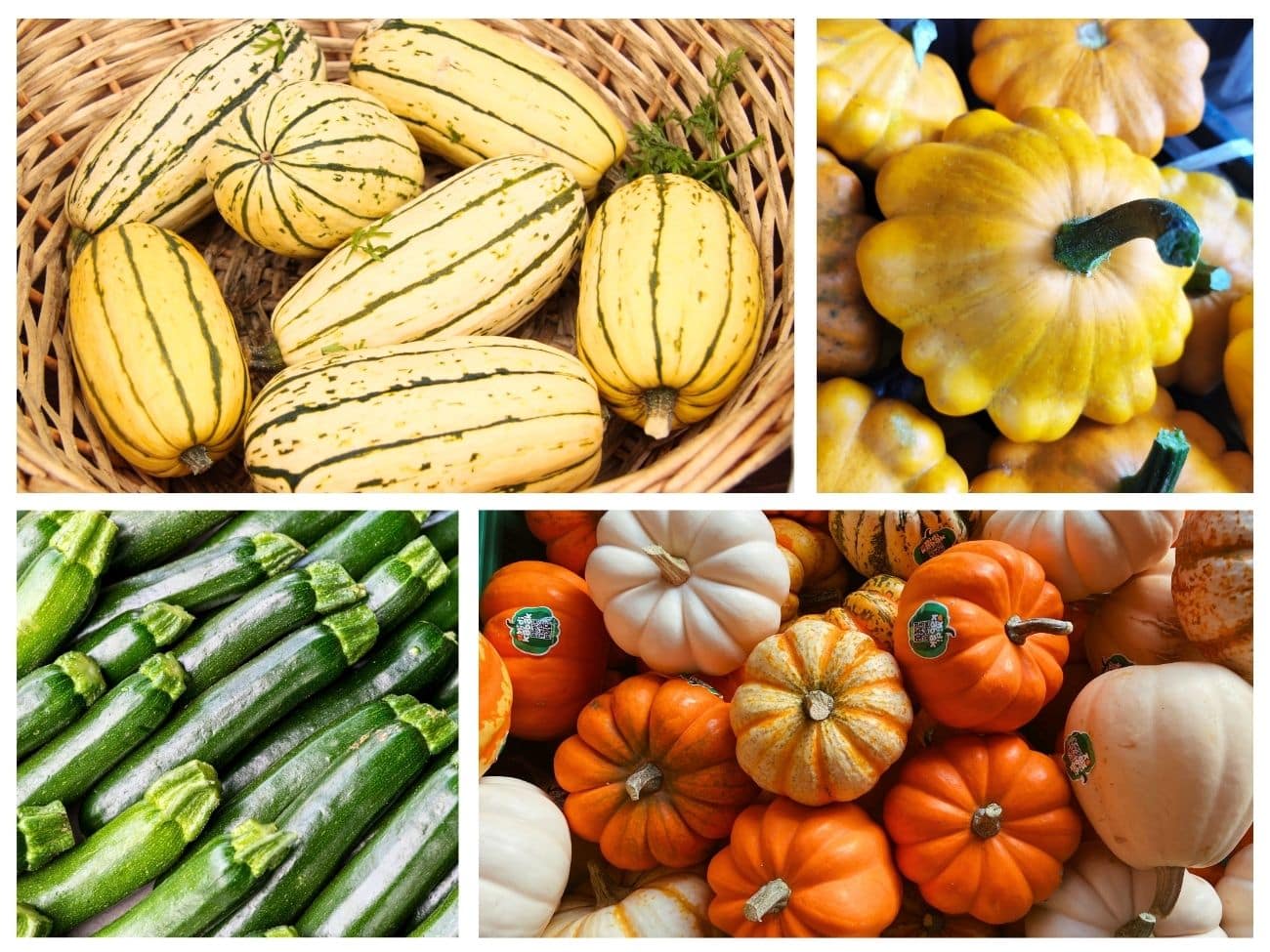
Recent agricultural market analyses highlight a steady global surge in consumer demand for heirloom and specialty produce varieties. As culinary enthusiasts increasingly look beyond standard supermarket staples, farmers’ markets and specialty grocers have responded by expanding their inventories to include unique international imports and revived heirloom cultivars. This comprehensive guide examines 15 essential squash and pumpkin groups, detailing their structural characteristics, optimal culinary uses, ideal flavor pairings, and the broader implications of their rising popularity in contemporary gastronomy.
Winter Squash and Pumpkins: Characteristics and Culinary Applications

Winter squash and baking pumpkins are harvested at full maturity, distinguished by their thick, hard rinds and edible seeds. Unlike their summer counterparts, these varieties boast extended shelf lives and denser flesh configurations, making them staples of cold-weather cooking.
-
Butternut Squash
Recognizable by its pale, bell-like shape, butternut squash remains a cornerstone of commercial and domestic kitchens. Its smooth, sweet, and lightly nutty flesh caramelizes exceptionally well when subjected to dry heat. Botanically, it is classified as Cucurbita moschata, a species known for its resilience against common pests and diseases, which has contributed to its widespread commercial success.
- Best for: Soups, roasted wedges, curries, and stews.
- Pairs well with: Sage, brown butter, warming spices, and aged cheeses.
- Culinary Applications: Its versatility allows it to bridge savory and sweet applications effortlessly. Roasting cubes for salads, simmering chunks in red lentil dahl, or blending it into a star anise-infused soup showcases its adaptability.
-
Acorn Squash
Identifiable by its deeply ridged, acorn-like profile and robust seed cavity, Cucurbita pepo yields flesh that is slightly more fibrous and milder than butternut.- Best for: Stuffed roasted halves.
- Pairs well with: Wild rice, mushrooms, apples, pecans, thyme, and maple syrup.
- Culinary Applications: Acorn squash functions exceptionally well as an edible serving vessel. Halved and roasted, its cavity readily accommodates savory fillings like wild rice, sausage, and mushrooms, or sweet pairings featuring maple syrup and pecans.
-
Delicata Squash
Delicata squash stands out for one primary practical advantage: its thin skin softens completely during cooking, eliminating the need for peeling. Exhibiting cylindrical shapes with distinct green and cream stripes, its flesh mimics the sweetness of sweet potatoes.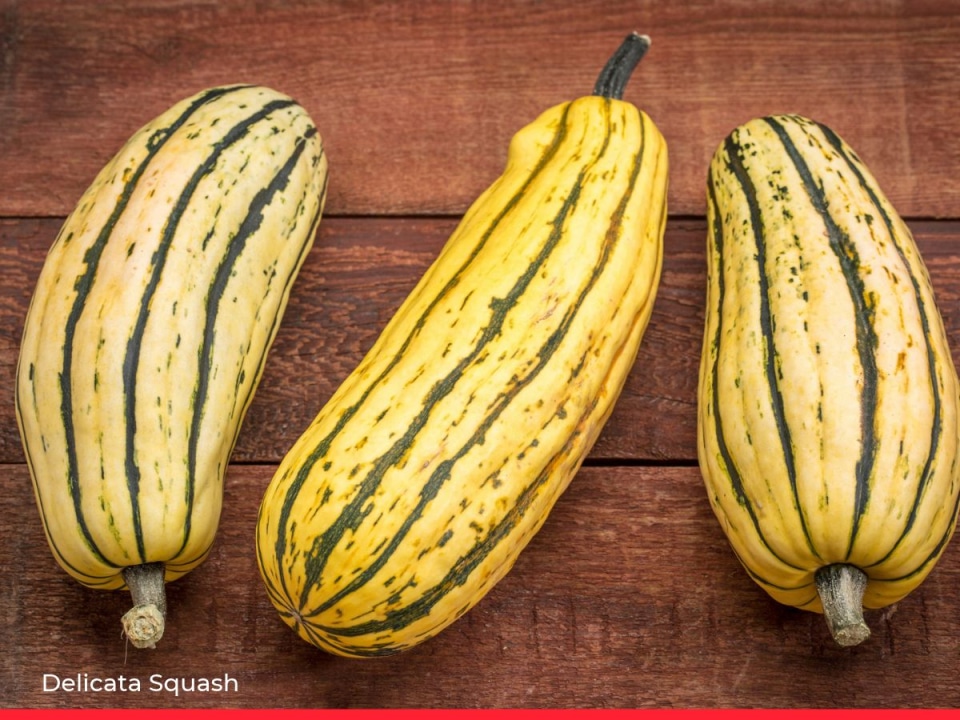
- Best for: Roasted rings, grain bowls, and autumn salads.
- Pairs well with: Goat cheese, pomegranate, sage, brown butter, and bitter greens.
- Culinary Applications: Slicing the squash into rings or half-moons for high-heat roasting yields crisp edges and a creamy interior, pairing dynamically with sharp elements like goat cheese and pomegranate seeds.
-
Kabocha Squash
Referred to widely in Japan as a staple pumpkin variety, Kabocha (Cucurbita maxima) is characterized by its dense, dry, and starchy interior. Lacking the high moisture content of standard squash, its flavor profile frequently draws comparisons to chestnuts and sweet potatoes.- Best for: Tempura, simmered dishes, and thick soups.
- Pairs well with: Miso, dashi, sesame, soy sauce, and warming spices.
- Culinary Applications: Its dry texture prevents it from becoming waterlogged, making it ideal for Japanese tempura frying or slow-simmered broths where structural integrity is paramount.
-
Spaghetti Squash
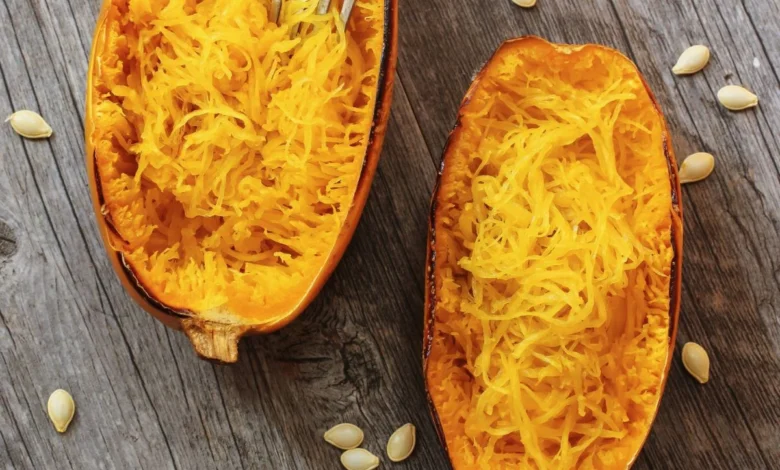
Spaghetti squash commands a unique culinary niche due to its distinctive interior mechanics. Upon thermal processing, the inner flesh naturally separates into translucent, spaghetti-like strands.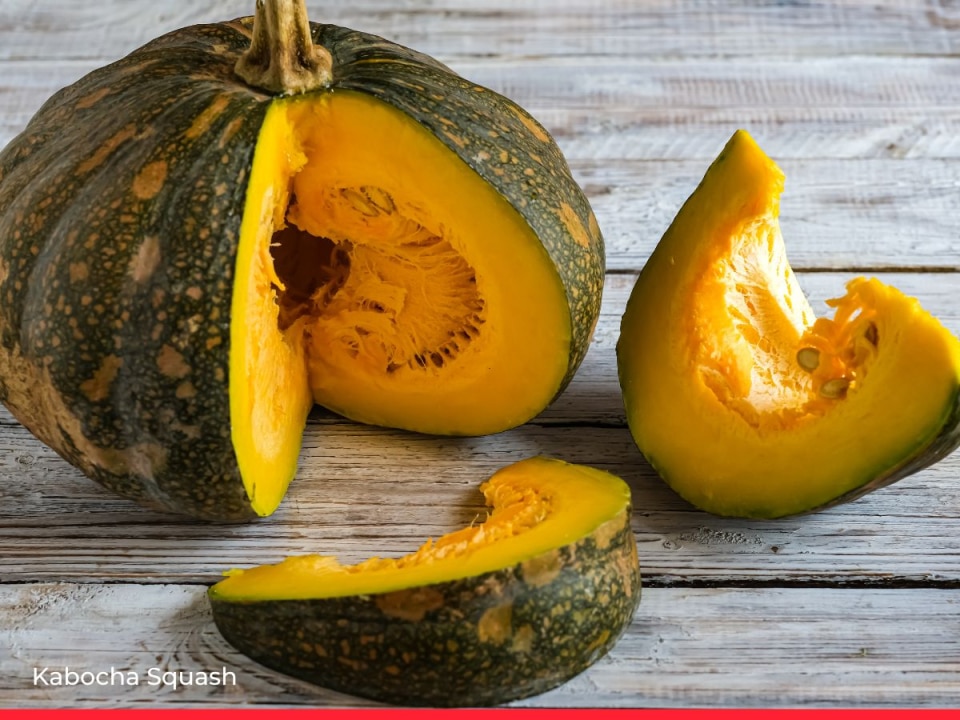
- Best for: Vegetable-based noodle alternatives with robust toppings.
- Pairs well with: Tomato sauce, pesto, brown butter, sage, and rich meat sauces.
- Culinary Applications: While possessing a mild flavor profile, it acts as an exceptional canvas for hearty marinara or rich pestos, provided excess moisture is drained post-cooking.
-
Hubbard Squash
Encompassing massive specimens like the Blue Hubbard, these large winter squashes possess extraordinarily tough shells and sweet, fine-grained orange interiors.- Best for: Batch cooking, large-scale soups, purées, and baking.
- Pairs well with: Brown butter, maple syrup, warming spices, and sharp cheese.
- Culinary Applications: Due to their imposing size, consumers frequently purchase pre-cut sections. Their high flesh-to-seed ratio makes them economical for industrial or large-batch culinary production.
-
Red Kuri Squash
Distinguished by its teardrop shape and vibrant red-orange skin, Red Kuri delivers a smooth, sweet, chestnut-like flavor. Like Delicata, its skin becomes edible when fully cooked.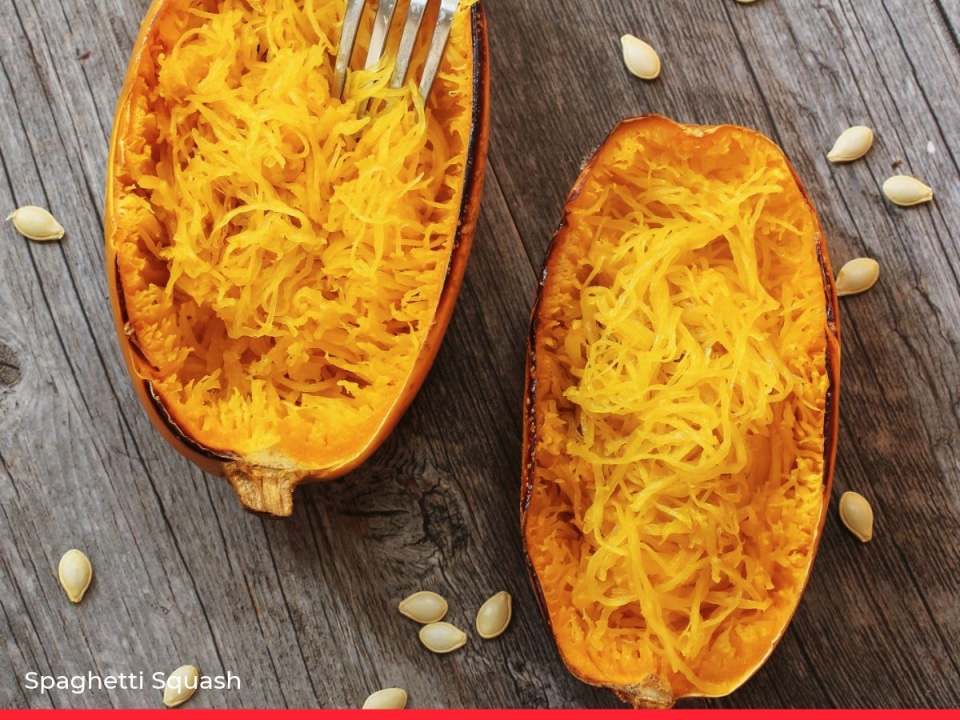
- Best for: Gratins, smooth soups, and roasted wedges.
- Pairs well with: Chestnuts, thyme, cream, Gruyère, and nutmeg.
- Culinary Applications: Its dense, low-moisture flesh provides excellent body for baked gratins layered with Gruyère and fresh thyme.
-
Honeynut Squash
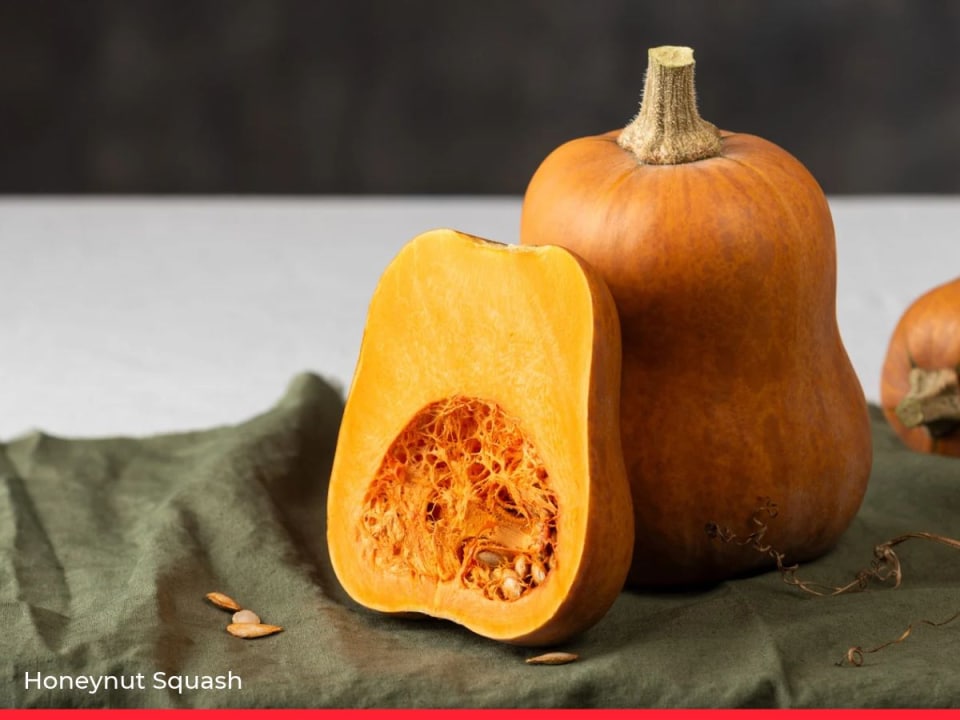
Developed through selective breeding at Cornell University in the early 2000s by horticulturalist Richard Robinson and popularized by chef Dan Barber, Honeynut is a miniaturized version of butternut. It features a significantly higher sugar content and a darker orange interior rich in beta-carotene.- Best for: Roasted individual portions and gourmet side dishes.
- Pairs well with: Brown butter, miso, tahini, thyme, and rosemary.
- Culinary Applications: Its small scale allows it to be served as an impressive, single-serving roasted half, elevated by savory-umami accents like miso or tahini.
-
Sugar Pumpkin (Pie Pumpkin)
Unlike ornamental carving pumpkins, sugar pumpkins are specifically cultivated for culinary performance, possessing tighter grain structure, higher sugar levels, and reduced water content.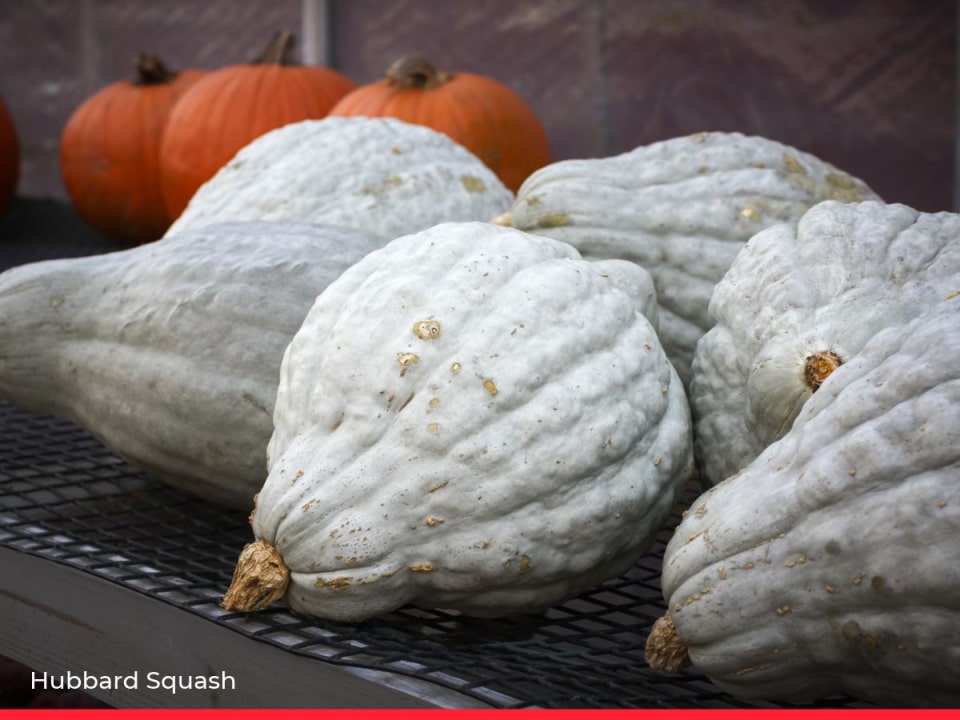
- Best for: Homemade pumpkin purée, pies, breads, and seasonal soups.
- Pairs well with: Cinnamon, ginger, nutmeg, cloves, maple syrup, and cream.
- Culinary Applications: These pumpkins form the foundational base for authentic, scratch-made Thanksgiving pies and spiced autumn quick breads.
-
Musquée de Provence
Originating in France, this heirloom pumpkin is visually striking with its deeply ribbed, flattened shape and tan-to-terracotta exterior. Inside, the deep orange flesh is exceptionally thick and sweet.- Best for: French gratins, slow-simmered stews, and gourmet soups.
- Pairs well with: Olive oil, garlic, thyme, cream, and aged cheeses.
- Culinary Applications: Celebrated by master chefs—such as Michelin-starred French chef Anne-Sophie Pic—its dense profile holds up wonderfully in slow-cooked savory preparations infused with saffron and aromatics.
-
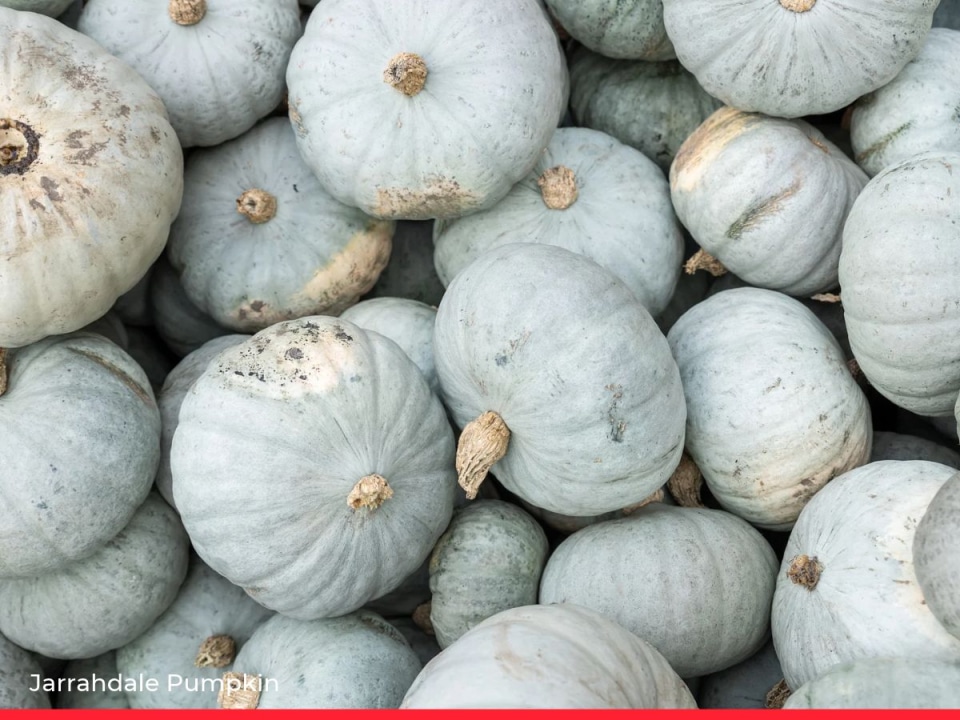
Jarrahdale Pumpkin (Blue Pumpkin)
Hailing originally from Australia, the Jarrahdale is easily identified by its slate blue-grey ribbed exterior and dry, sweet, yellow-orange flesh.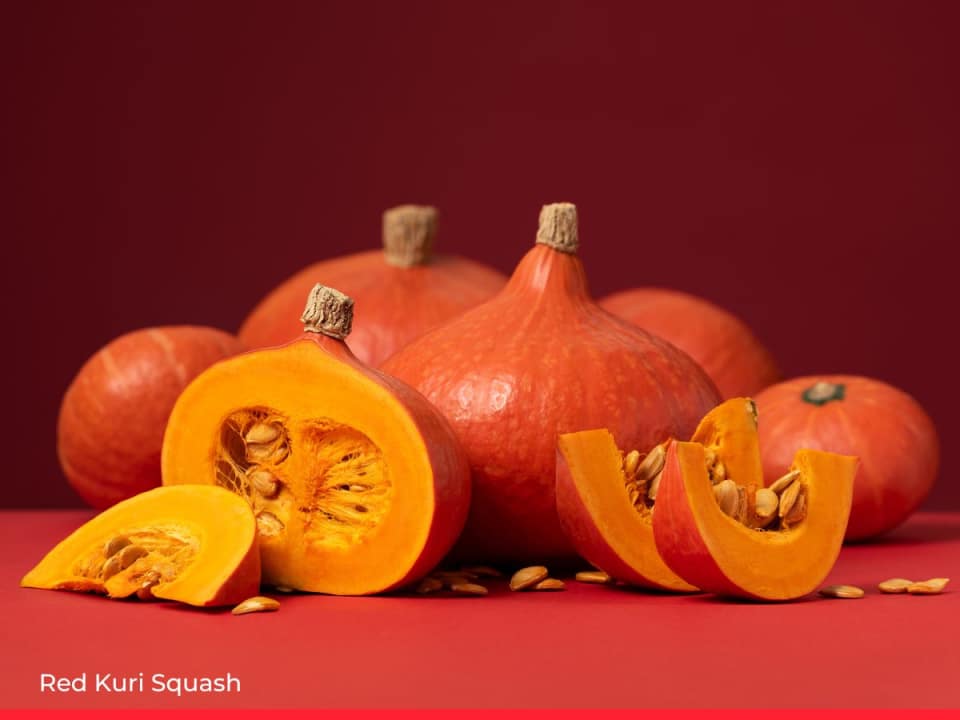
- Best for: Roasted wedges, concentrated purées, and robust soups.
- Pairs well with: Brown butter, sage, cream, warming spices, and sharp cheeses.
- Culinary Applications: Its low moisture content prevents slumping during roasting, yielding structurally sound wedges with an earthy, sweet flavor profile.
Summer Squash: Varieties, Characteristics, and Uses
Summer squash are harvested before full maturity while their rinds remain tender and edible. They boast high water content and require minimal cooking times, making them warm-weather staples.
-
Zucchini
Zucchini is the undisputed workhorse of the summer squash family. Mild in flavor and rapid to cook, it adapts to raw, grilled, sautéed, and baked preparations.- Best for: Grilling, quick sautées, pasta integration, frittatas, and baking.
- Pairs well with: Lemon, garlic, basil, Parmesan, and fresh tomatoes.
- Culinary Applications: Due to its high water volume, professional guidelines often recommend salting and draining grated or sliced zucchini before incorporating it into batters or sauces.
-
Yellow Squash (Straightneck and Crookneck)
Encompassing both straight and curved forms (frequently featuring bumpy textures on crookneck types), yellow summer squash shares close botanical ties with zucchini.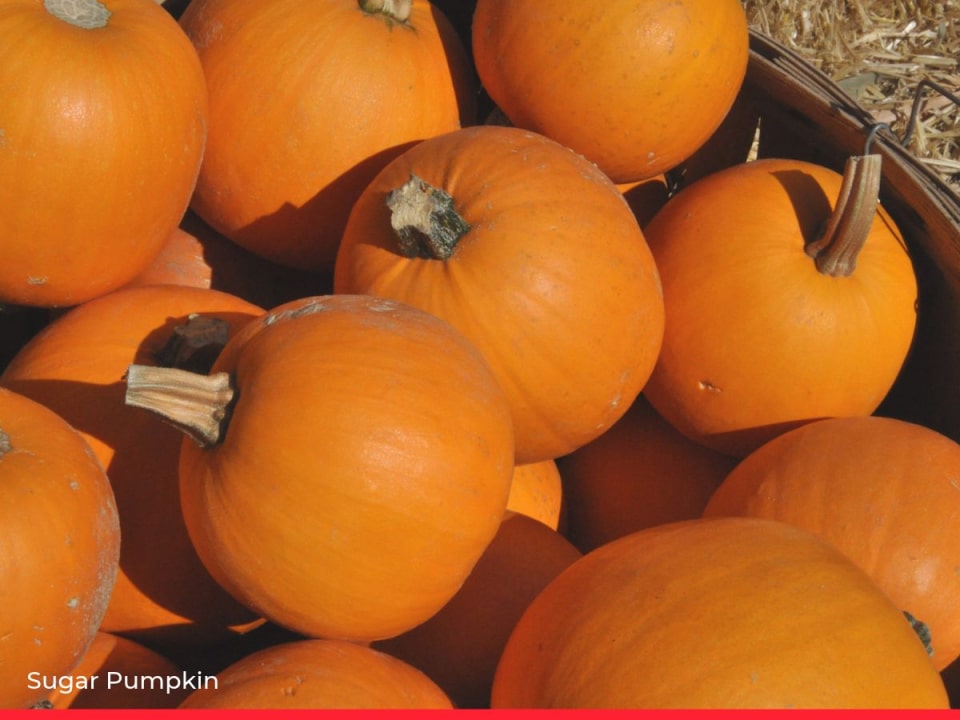
- Best for: Quick vegetable medleys, grilling, and summer sautées.
- Pairs well with: Sweet corn, fresh tomatoes, basil, butter, feta, and lemon.
- Culinary Applications: Harvested young, their tender skins and mild flavor profiles make them ideal additions to light seasonal stir-fries and outdoor grill baskets.
-
Pattypan Squash
Easily recognized by its scalloped, saucer-like perimeter, pattypan squash occurs in yellow, white, and green variants.- Best for: Stuffing, roasting, and shallow frying.
- Pairs well with: Goat cheese, fresh herbs, lemon zest, breadcrumbs, and light cream sauces.
- Culinary Applications: Smaller pattypans are frequently hollowed out and stuffed with herb-and-cheese mixtures, serving as elegant individual side dishes.
-
Cousa Squash
Cousa refers to a distinct group of short, pale-green squash deeply rooted in Middle Eastern culinary traditions.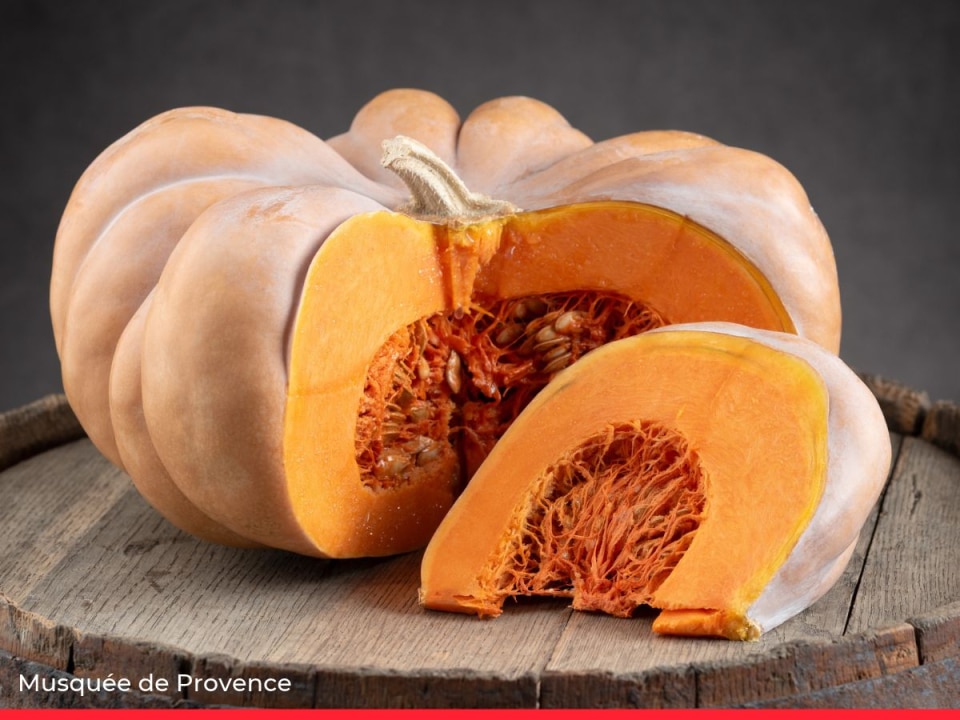
- Best for: Stuffed vegetable dishes (mahshi) and gently simmered preparations.
- Pairs well with: Spiced lamb, rice, tomatoes, allspice, cinnamon, pine nuts, and mint.
- Culinary Applications: Their sturdy walls make them the ideal vehicle for traditional kousa mahshi, where they are hollowed, packed with spiced rice and minced meat, and simmered in broth until tender.
Economic Implications and Market Trends
The growing consumer appreciation for diverse squash and pumpkin varieties reflects a broader structural shift in the global agricultural and food service sectors. According to recent market research reports, the global squash and pumpkin market has experienced steady valuation growth, propelled by increasing consumer awareness of plant-based nutrition, dietary fiber benefits, and micronutrient density (particularly vitamins A and C).
Agricultural economists note that heirloom preservation initiatives have played a critical role in maintaining biodiversity within the Cucurbitaceae family. By moving away from standardized commercial monoculture—historically driven solely by shelf life or aesthetic uniformity for carving—producers are finding high-margin profitability in supplying specialty markets with heritage cultivars like Musquée de Provence, Jarrahdale, and Honeynut.
Furthermore, supply chain adaptations among regional farmers’ markets and direct-to-consumer agriculture models have streamlined access for urban culinary operators. Chefs increasingly leverage these diverse structural traits—starchy density, low moisture, or natural strand formation—to innovate menu options that transcend traditional seasonal tropes, cementing squash and pumpkins as year-round culinary assets rather than fleeting autumnal novelties.