Moqueca: A Culinary Journey Through Brazil’s Soul, Championed by Chef Victor Vasconcellos

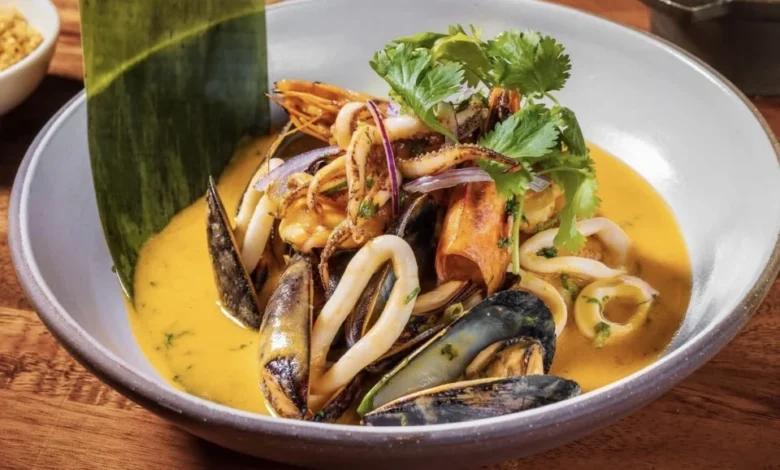
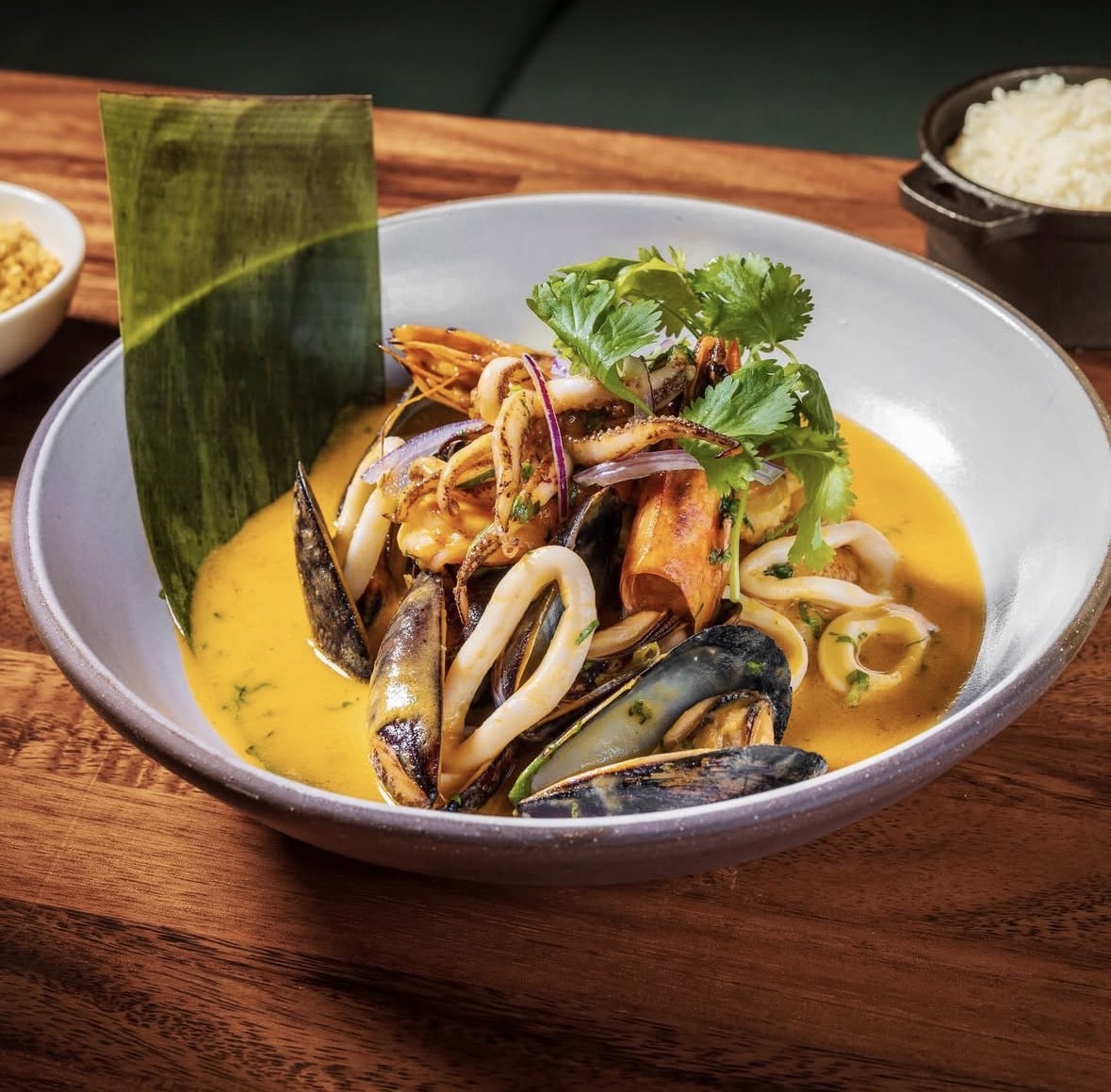
Moqueca, a cherished Brazilian seafood stew, stands as a vibrant testament to the nation’s profound culinary heritage and the intoxicating flavors of Bahia, representing a masterful fusion of Indigenous, African, and Portuguese influences simmered gently in a fragrant broth of coconut milk, rich dendê (palm) oil, ripe tomatoes, sweet peppers, and fresh cilantro, culminating in one of Brazil’s most celebrated regional specialties, a comforting yet elegant meal traditionally served with fluffy rice and toasted farofa that eloquently showcases the country’s remarkable diversity of ingredients and enduring traditions. This authentic preparation, championed by Chef Victor Vasconcellos, Executive Chef of Berimbau Brazilian Table in New York City, transcends mere sustenance, embodying a culinary philosophy that celebrates Bahia’s inherent warmth, unwavering hospitality, and deep cultural legacy, offering a true taste of one of Brazil’s most iconic dishes through its delicate seafood, aromatic broth, and unmistakable Brazilian flavors.
The Culinary Tapestry of Moqueca: A Deep Dive into its Origins
The genesis of Moqueca is deeply interwoven with the complex history of Brazil itself, reflecting centuries of cultural exchange and adaptation. The dish’s very name, "moqueca," is believed to derive from the Indigenous Tupi word moquém, referring to a technique of cooking food wrapped in leaves and roasted over embers. This foundational Indigenous method provided the initial framework for what would evolve into the stew we know today. With the arrival of Portuguese colonizers in the 16th century, new ingredients and cooking techniques were introduced, including the concept of slow-cooked stews and the use of olive oil.
However, it was the transatlantic slave trade, which brought millions of Africans to Brazil, particularly to the northeastern state of Bahia, that profoundly transformed Moqueca. African culinary traditions introduced key ingredients such as coconut milk and, most notably, dendê oil. These additions, combined with the vibrant produce of the Brazilian tropics like tomatoes and peppers, and the abundant seafood from the coastline, created the distinct flavor profile that defines Moqueca Baiana. The stew became a powerful symbol of resilience and cultural synthesis, with each ingredient carrying a story of migration, adaptation, and creolization. The slow simmering process allowed the flavors to meld, creating a dish that is both deeply comforting and intensely flavorful, a true reflection of Brazil’s multifaceted identity.
Chef Victor Vasconcellos: A Culinary Ambassador in New York City
Chef Victor Vasconcellos, the acclaimed Executive Chef of Berimbau Brazilian Table in New York City, plays a pivotal role in bringing this rich culinary narrative to an international audience. Born in São Paulo, his culinary journey has been deeply influenced by his family’s roots in Minas Gerais, a state renowned for its hearty, rustic cuisine. However, it is his profound connection to the regional traditions of Brazil, particularly the vibrant flavors of the Northeast and the Amazon, that truly defines his approach.
Chef Vasconcellos’s mission extends beyond merely serving delicious food; it is about education and cultural diplomacy. In a global culinary landscape often dominated by the familiar churrascarias and rodízios when it comes to Brazilian cuisine, Berimbau Brazilian Table stands out by showcasing the remarkable diversity that lies beyond these popular, yet limited, representations. He passionately believes that dishes like Moqueca, Feijoada, and Pão de Queijo offer a more comprehensive and authentic taste of Brazil, highlighting the varied ingredients, complex techniques, and warm hospitality inherent in the country’s regional kitchens. In an interview, Chef Vasconcellos stated, "Moqueca best represents my culinary philosophy. It embodies the warmth, hospitality, and rich cultural heritage of Bahia. It’s a dish that tells a story, and I believe sharing these stories is crucial to understanding Brazil." This sentiment underscores his dedication to presenting a nuanced and respectful portrayal of Brazilian gastronomy, inviting diners to embark on a deeper exploration of its flavors and traditions.
Bahia’s Gastronomic Soul: The Heart of Moqueca Baiana
Bahia, with its vibrant capital Salvador, is often considered the spiritual heart of Afro-Brazilian culture and, consequently, its cuisine. The region’s food is characterized by its bold flavors, aromatic spices, and a generous use of seafood, coconut milk, and dendê oil. Moqueca Baiana, the style championed by Chef Vasconcellos, is the quintessential dish of this region. It is typically prepared in a traditional clay pot (panela de barro), which allows for even heat distribution and imparts a subtle earthy flavor to the stew.
The preparation begins with a sofrito of onions, garlic, and bell peppers, often sautéed in a blend of olive oil and dendê. Layers of fresh fish (such as snapper, cod, or swordfish) and various shellfish (shrimp, mussels, squid) are then carefully arranged in the pot. The stew is enriched with creamy coconut milk, fresh tomatoes, and vibrant cilantro, which are added progressively, allowing each ingredient to contribute its distinct essence without overwhelming the delicate flavors of the seafood. The cooking process is gentle and unhurried, reflecting the leisurely pace of Bahian life and ensuring that the seafood remains tender and succulent. The resulting broth is rich, savory, and subtly sweet, with a distinctive orange hue from the dendê oil. This elaborate yet harmonious composition makes Moqueca Baiana a celebrated dish not just in Brazil, but increasingly among global gourmands seeking authentic culinary experiences.
Distinguishing Moqueca: Baiana vs. Capixaba
While Moqueca Baiana is perhaps the most globally recognized version, it is essential to acknowledge its equally revered counterpart: Moqueca Capixaba, hailing from the state of Espírito Santo. The distinction between these two regional variations is a point of considerable pride and friendly rivalry among Brazilians.
Moqueca Capixaba, often considered the "original" Moqueca by those from Espírito Santo, is characterized by its absence of dendê oil and coconut milk. Instead, it relies on olive oil, achiote (urucum) for color, and fresh fish broth, along with tomatoes, onions, garlic, and cilantro. The flavor profile is lighter and more acidic, allowing the natural taste of the seafood to shine through more prominently. It is often finished with a splash of olive oil and served directly from the traditional clay pot. This version reflects a stronger influence from Portuguese cooking traditions, with fewer African elements.

The contrast between the creamy, rich, and intensely flavored Moqueca Baiana and the lighter, more delicate Moqueca Capixaba highlights the vast culinary diversity within Brazil. Both are authentic, yet they offer distinct gastronomic experiences. Chef Vasconcellos’s focus on Moqueca Baiana at Berimbau Brazilian Table is a deliberate choice to showcase the bold, Afro-Brazilian flavors that are central to Bahia’s identity and widely beloved across Brazil and beyond. This choice speaks to the restaurant’s commitment to presenting specific regional authenticity rather than a generic "Brazilian" offering.
The Role of Dendê Oil: Flavor, Culture, and History
Dendê oil, extracted from the fruit of the African oil palm (Elaeis guineensis), is more than just an ingredient in Moqueca Baiana; it is a cultural cornerstone of Bahian cuisine. Its vibrant reddish-orange hue, distinctive nutty flavor, and rich aroma are unmistakable. Historically, the oil palm tree was brought to Brazil from West Africa during the slave trade, and dendê oil quickly became integral to the diet and culinary practices of enslaved Africans and their descendants.
In Bahian cooking, dendê oil is not merely a cooking fat; it imparts a unique depth of flavor and a characteristic color that is synonymous with many Afro-Brazilian dishes, including Acarajé, Vatapá, and, of course, Moqueca. Its use is deeply symbolic, linking the present-day cuisine of Bahia to its African roots and the resilience of its people. The oil is rich in antioxidants, including beta-carotene, which contributes to its vibrant color. However, its strong flavor means it must be used judiciously, balancing its richness with other ingredients to create a harmonious dish. Chef Vasconcellos’s careful incorporation of dendê oil in his Moqueca recipe is a nod to this historical and cultural significance, ensuring that the dish not only tastes authentic but also tells a story of heritage and tradition.
Beyond the Stew: The Broader Landscape of Brazilian Cuisine
Brazil’s immense geographical size and diverse population have fostered an incredibly rich and varied culinary landscape. Each region boasts its own specialties, shaped by local ingredients, climate, and historical influences. Beyond Moqueca, the national dish Feijoada, a hearty black bean and pork stew, showcases Portuguese and African roots. The Amazon region offers exotic fruits, river fish, and Indigenous ingredients like tucupi (a fermented cassava juice) and jambu (a numbing herb). The South, with its European immigrant populations, is famous for its churrasco (barbecue) traditions. Minas Gerais is known for its comfort food, often featuring pork, cheese (pão de queijo), and a reliance on slow cooking in clay pots.
Chef Vasconcellos’s dedication to showcasing this diversity at Berimbau Brazilian Table serves as a crucial bridge for New York diners to explore the full spectrum of Brazilian gastronomy. By highlighting dishes like Moqueca, he challenges preconceived notions and invites a deeper appreciation for the country’s culinary complexity. This approach is vital in an increasingly globalized food scene where authenticity and regional specificity are highly valued.

The Global Palate: Brazilian Food’s Rising Stature
In recent decades, Brazilian cuisine has seen a significant increase in international recognition, moving beyond its traditional strongholds to capture the attention of food enthusiasts worldwide. This rise can be attributed to several factors: increased tourism to Brazil, the growing global interest in diverse and authentic ethnic cuisines, and the efforts of chefs like Victor Vasconcellos who act as cultural ambassadors.
Major cities across the globe, from New York and London to Tokyo, now feature a growing number of Brazilian restaurants that venture beyond the typical steakhouses, offering regional specialties. Culinary festivals and international food media have also played a role in elevating Brazilian dishes, showcasing the country’s unique ingredients and innovative chefs. Moqueca, with its appealing blend of fresh seafood, aromatic spices, and creamy texture, is perfectly positioned to resonate with a global audience seeking comforting yet exotic flavors. Its inherent healthfulness (when prepared with fresh ingredients) and the captivating story behind its creation further enhance its appeal. The dish embodies a sensory journey, transporting diners to the sun-drenched coasts of Bahia with every spoonful.
Culinary Diplomacy and the Impact of Authenticity
The work of chefs like Victor Vasconcellos extends into the realm of culinary diplomacy. By presenting authentic regional dishes like Moqueca with integrity and passion, they contribute to a broader understanding and appreciation of Brazilian culture. Food is a powerful medium for cross-cultural communication, capable of conveying history, values, and identity in a deeply personal and engaging way.
The decision to focus on authentic, regional recipes, often utilizing specific traditional ingredients like dendê oil, reinforces the importance of preserving culinary heritage in the face of globalization. It encourages sustainable practices and supports local producers in Brazil. Furthermore, for the Brazilian diaspora, restaurants like Berimbau Brazilian Table serve as vital cultural hubs, offering a taste of home and a connection to their roots. For non-Brazilians, it is an invitation to explore a rich culture through its most delicious expressions. The implications are far-reaching, contributing to a more interconnected and appreciative global community, one meal at a time.
In conclusion, Moqueca, as prepared and presented by Chef Victor Vasconcellos, is far more than just a seafood stew. It is a vibrant chronicle of Brazil’s history, a celebration of its cultural melting pot, and a testament to the enduring power of food to connect people across continents and generations. Through his dedication, Chef Vasconcellos ensures that the soul of Bahia continues to captivate and nourish, one exquisite dish at a time.