Exploring the Diverse World of Citrus: From Everyday Staples to Exotic Varieties and Their Global Impact

Citrus fruits stand as a cornerstone of global agriculture, culinary arts, and human nutrition, far transcending their common perception as mere kitchen essentials. While lemons, limes, and oranges are ubiquitous, the broader Citrus genus encompasses an extraordinary spectrum of flavors, textures, and aromatic profiles that are increasingly being explored by adventurous home cooks and esteemed restaurant chefs worldwide. This comprehensive guide delves into over three dozen types of citrus, offering insights into their sensory characteristics, optimal culinary applications, nutritional significance, and broader socio-economic impact, highlighting their journey from ancient origins to contemporary culinary innovation. Understanding this vast family better not only enriches gastronomic experiences but also sheds light on intricate agricultural ecosystems and evolving consumer preferences.
A Historical Tapestry: The Ancient Roots and Global Spread of Citrus
The story of citrus is one of ancient origins and extensive global migration. Genetic studies indicate that most modern citrus varieties trace their lineage back to a few ancestral species originating in the foothills of the Himalayas, particularly in regions spanning Northeast India, Myanmar, and China. These primordial fruits – the citron, pomelo, and mandarin – are the foundational pillars from which the vast majority of today’s cultivated citrus have arisen through natural hybridization and human selection over millennia.
The initial spread of citrus was facilitated by ancient trade routes, including the Silk Road, which brought citrons and later sour oranges to the Middle East and Mediterranean basin by the early centuries CE. Arab traders were instrumental in introducing bitter oranges to Europe during the 10th and 11th centuries, primarily to Spain, where they quickly became a feature of Moorish gardens and cuisine. Sweet oranges, as we know them today, arrived in Europe much later, in the 15th and 16th centuries, carried by Portuguese explorers from China. Christopher Columbus, on his second voyage in 1493, is credited with introducing citrus seeds to the New World, specifically Hispaniola, initiating its spread across the Americas. This chronology underscores the profound historical and cultural significance of citrus, intertwining it with exploration, trade, and the development of diverse regional cuisines.
The Mainstays: Pillars of the Global Kitchen
Certain citrus varieties have achieved unparalleled global dominance due to their versatility, robust flavors, and widespread cultivation.
1. Orange (Citrus sinensis): The sweet orange is the world’s most cultivated fruit, celebrated for its succulent, sweet, and aromatic pulp. Valued for fresh consumption, juice production, and a wide array of culinary applications, oranges contribute essential acidity and sweetness to salad dressings, marinades, and an extensive range of desserts, from Greek Portokalopita to French Crêpes Suzette. Its zest, rich in fragrant oils, is indispensable for baked goods and savory glazes that perfectly complement duck and pork. A single orange is a powerhouse of Vitamin C, providing over 100% of the daily recommended intake, alongside folate and potassium, making it a vital component of global nutrition. Major producers include Brazil, Florida (USA), and Spain.

2. Lemon (Citrus limon): The lemon holds an irreplaceable position in global gastronomy. Its sharp, bright acidity is unmatched in its ability to cut through richness, balance sweetness, and invigorate countless dishes, from pasta and risotto to roasted meats, fish, and classic desserts like lemon meringue pie. Both the juice and the highly aromatic zest are culinarily essential, with the latter containing concentrated oils. Beyond its flavor contributions, lemon juice plays functional roles in cooking, preventing oxidation in cut fruits and aiding pectin setting in jams. Lemons are an excellent source of Vitamin C and various flavonoids.
3. Lime (Citrus aurantiifolia, Citrus latifolia): Limes, primarily the Key lime and Persian lime, impart a distinct fragrant, floral aroma and sharp acidity crucial to cuisines worldwide, particularly Mexican, Thai, Vietnamese, Indian, and Caribbean. Their versatility spans sweet and savory applications, from enhancing tacos and curries to refreshing beverages and baked goods. Limes are a good source of Vitamin C and limonoids, antioxidant compounds linked to various health benefits.
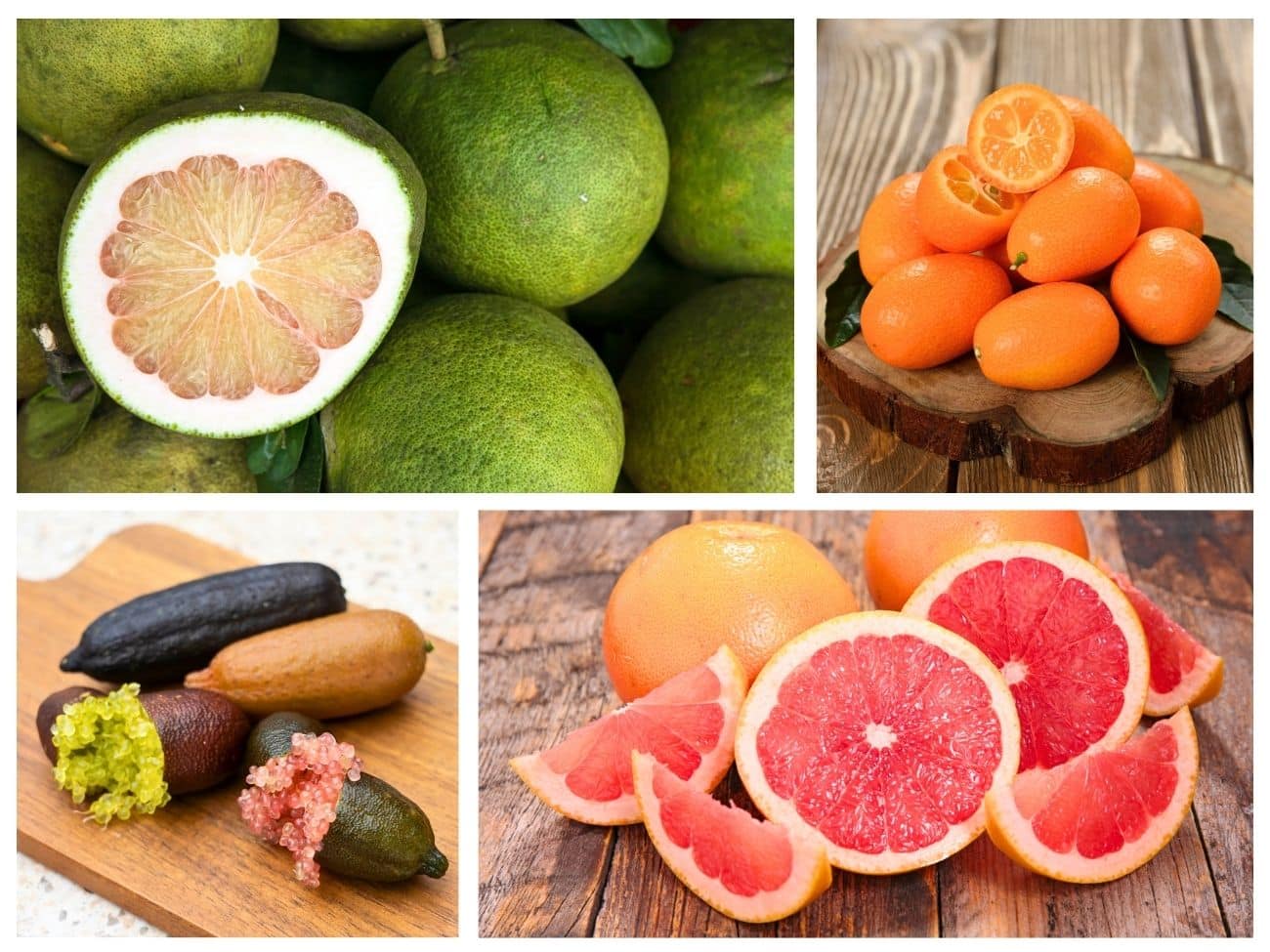
4. Grapefruit (Citrus paradisi): A natural hybrid originating in Barbados, grapefruit is distinctive for its large size, thick rind, and a unique balance of sweetness and bitter notes. Varieties range from white to pink and ruby, with pink and ruby types generally sweeter and richer in lycopene, a potent antioxidant also found in tomatoes. Grapefruit is commonly enjoyed fresh, segmented into salads, or juiced into cocktails like the Paloma. However, it is well-documented for its interactions with certain medications due to furanocoumarins, necessitating consumer awareness.
5. Mandarin (Citrus reticulata): Mandarins are cherished for their smaller size, sweeter flavor, and easy-to-peel skin, making them popular snacks. They lend a gentle citrus sweetness to salads, appetizers, and desserts. Rich in Vitamin C and beta-carotene, responsible for their deep orange hue, mandarins are a widespread and economically important citrus crop.

6. Tangerine (Citrus tangerina): Closely related to mandarins, tangerines often boast a deeper color, more pronounced tang, and bolder aroma. They are excellent for fresh consumption and contribute significantly to fresh salsas, desserts, and citrus-based sauces. Like most citrus, they are high in Vitamin C, and their vibrant zest is highly valued in baking and savory dishes.
7. Clementine (Citrus clementina): A hybrid of a mandarin and a sweet orange, clementines combine the best traits of both: seedless, easy-to-peel, and reliably sweet with a clean, delicate flavor. Their commercial success is evident in their seasonal prominence, especially during winter months across Europe. Beyond snacking, they are ideal for upside-down cakes, poached desserts, and dressings. They are a solid source of Vitamin C and flavonoids.
8. Satsuma (Citrus unshiu): Originating in Japan, Satsumas are a cold-hardy, seedless mandarin variety widely popular in Europe, particularly as a Christmas tradition in the UK. Their flavor is mild and sweet, lacking sharp acidity, and their exceptionally thin, loose skin makes them incredibly easy to peel. Best enjoyed fresh, they also feature in light desserts, fruit salads, and preserves. Satsumas provide Vitamin C and hesperidin, a flavonoid associated with cardiovascular health.
Specialized and Hybrid Varieties: Expanding the Citrus Horizon

The citrus family is a testament to natural evolution and deliberate cultivation, yielding a fascinating array of unique fruits.
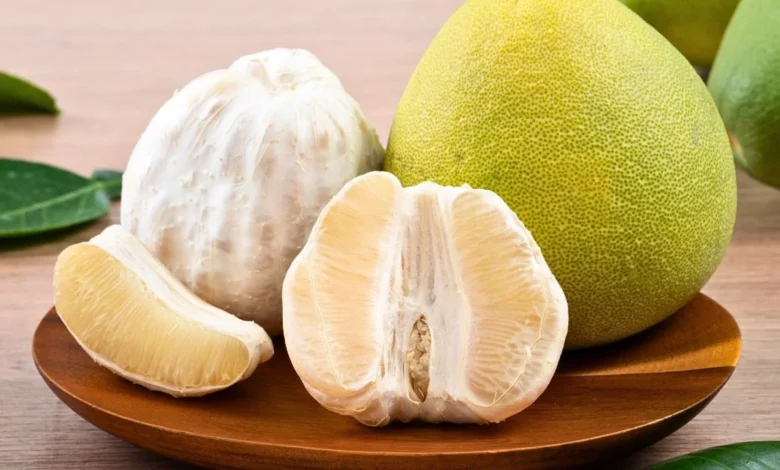
9. Pomelo (Citrus maxima): The largest of all citrus fruits, pomelos are the natural ancestor of grapefruit but are notably milder and less bitter. Their flesh, ranging from pale yellow to pink, is drier and more fibrous, offering a sweet, subtly floral flavor. In Southeast and East Asian cuisines, they are prized fresh, in salads, and in celebratory dishes, especially during Lunar New Year. Pomelos are a good source of Vitamin C and potassium, and their thick, fragrant peel is often candied or used in marmalade.
10. Kumquat (Citrus japonica): Kumquats are a unique contradiction in the citrus world: tiny, orange-colored fruits where the skin is sweet and the flesh is tart, creating a delightful eating experience when consumed whole and unpeeled. Their aromatic, candy-like rind is a key part of their flavor profile. They are excellent candied, used in marmalade, sliced into salads, or paired with rich meats like duck and pork. Kumquats are notably cultivated on the Greek island of Corfu for marmalade and liqueur production, the latter often used in traditional sweet breads like fogatsa.
11. Cara Cara Orange (Citrus sinensis ‘Cara Cara’): Visually resembling a navel orange externally, the Cara Cara reveals a striking coral-pink to reddish flesh. Its flavor is exceptionally sweet and low in acidity, with subtle notes of raspberry and rose, making it a favorite for fresh eating, juicing, and desserts where its color can be showcased. Cara Caras are a particularly good source of lycopene, the carotenoid responsible for its distinctive color, as well as Vitamin C.

12. Bergamot Orange (Citrus bergamia): The bergamot is less a fruit for direct consumption and more a source of highly prized essential oil. Its intensely fragrant zest defines the signature floral, perfumed quality of Earl Grey tea. Small, yellow-green, and intensely sour, it is unsuitable for eating raw but invaluable for its zest and juice in marmalades, liqueurs, sweet breads, and infused into seafood dishes. Primarily cultivated along Italy’s Calabrian coast, it is a geographically protected product, known for unique flavonoids with potential cholesterol-modulating effects.
13. Blood Orange (Citrus sinensis): Among the most visually dramatic citrus fruits, blood oranges display deep crimson flesh, varying from ruby-streaked to nearly black depending on the variety and growing conditions. Their flavor differs significantly from standard oranges, balancing bright citrus notes with subtle berry-like undertones and a pleasantly tangy finish. They excel in cakes, cocktails, vinaigrettes, curds, sorbets, and paired with greens like asparagus. Their striking color is due to anthocyanins, rare antioxidant pigments in citrus, also found in berries and red cabbage.
14. Key Lime (Citrus aurantiifolia): Smaller, rounder, and more aromatic than common Persian limes, Key limes possess thinner skin, more seeds, and a flavor that is both more tart and intensely floral. They are the essential ingredient for the iconic Key lime pie, where their unique acidity and aroma are irreplaceable. Beyond this classic, they are utilized in marinades, cocktails, and Southeast Asian-inspired dishes, offering concentrated Vitamin C and antioxidants.
15. Persian Lime (Citrus latifolia): The most common lime in supermarkets, Persian limes are valued for their consistent size, thick skin, extended shelf life, and seedless flesh. While less aromatic and slightly less acidic than Key limes, their practicality makes them a culinary workhorse, squeezed over grilled fish, stirred into guacamole, or juiced into curries and marinades. They are typically harvested green but turn yellow if allowed to fully ripen on the tree.

16. Meyer Lemon (Citrus × meyeri): Believed to be a natural hybrid of a lemon and a mandarin or sweet orange, Meyer lemons are characterized by their rounder shape, thinner skin, and a sweeter, less acidic flavor with floral, almost honeyed notes. They are a favorite for home bakers, perfect for lemon curd, tarts, and cakes where a gentler citrus flavor is desired. The highly aromatic thin skin is also valuable for zest. They provide Vitamin C and their juice enhances vinaigrettes and sauces beautifully.
17. Yuzu (Citrus junos): A Japanese citrus fruit that has gained international acclaim, Yuzu is primarily prized for its extraordinarily fragrant zest and tart, complex juice rather than for eating fresh. Its distinctive aroma, a blend of grapefruit, mandarin, and lemon with a lingering floral depth, is unique. It is a key ingredient in ponzu sauce, yuzu kosho (a fermented chili paste), desserts, tartare, and as a finishing touch for sashimi and soups. Yuzu is notably high in Vitamin C and hesperidin, and in Japan, bathing in yuzu-infused water on the winter solstice is a cherished tradition.
18. Sudachi (Citrus sudachi): This small, green Japanese citrus resembles a lime but offers a sharp, clean acidity and delicate, aromatic complexity prized by chefs for its subtlety. Rarely eaten as a fruit, sudachi juice or slices serve as a condiment, added at the table over grilled fish, soba noodles, hot pot, and mushroom dishes. It is strongly associated with Japan’s Tokushima Prefecture and provides a concentrated dose of Vitamin C.
19. Calamansi (Citrus × microcarpa): Also known as calamondin, this small, round citrus fruit delivers a powerful flavor punch, combining the tartness of a lime with a hint of mandarin sweetness. A staple in Southeast Asia, particularly Filipino cuisine, it is squeezed over fish and grilled meats, stirred into dipping sauces, and used to make the popular cold drink, calamansi juice. The entire fruit, including the skin, can be used in marmalades and desserts. Calamansi is rich in Vitamin C and possesses a remarkably high concentration of citric acid relative to its size.

20. Finger Lime (Citrus australasica): An intriguing ingredient from the Australian bush food movement, finger limes produce long, cylindrical fruits filled with tiny, bead-like vesicles of juice that burst on the tongue like citrus caviar. Flavors vary from tart and lime-like to floral and grapefruit-adjacent. Their unique textural quality makes them an irresistible garnish for oysters, sashimi, cocktails, and desserts. Native to subtropical Australian rainforests, they have gained significant traction in high-end global kitchens, providing Vitamin C and a range of flavonoids.
21. Bitter Orange (Seville Orange) (Citrus aurantium): Too sour and bitter for fresh consumption, the Seville orange is indispensable in the preserving world, recognized as the marmalade orange par excellence. Its complex bitterness is crucial for classic marmalades. Beyond preserves, it is used in liqueurs like Cointreau and Grand Marnier, in dishes such as duck à l’orange, and its juice functions similarly to lemon juice in Spanish and North African savory cooking. The peel is also dried and used as a flavoring agent. Seville oranges are high in pectin, aiding in jam setting.
22. Chinotto (Citrus myrtifolia): A small, dark, intensely bitter citrus primarily grown in Italy’s Ligurian region. Its uncompromising sourness makes it unsuitable for raw consumption or direct cooking. However, it is the defining flavoring agent in Chinotto, Italy’s distinctive bitter soft drink, as well as in Campari and other amaro liqueurs. Candied chinotto is a traditional Ligurian delicacy. Its characteristic taste stems from a high concentration of naringenin, a bitter flavonoid.
23. Oroblanco (Sweetie) (Citrus grandis × Citrus paradisi): A hybrid of a pomelo and a white grapefruit, developed in California in the 1950s, Oroblanco combines the gentle sweetness of pomelo with the refreshing tang of grapefruit, largely without the bitterness. Its pale yellow, seedless, and juicy flesh has a clean, mild flavor, making it approachable for those who find grapefruit too astringent. Excellent fresh, segmented into salads, or juiced, it offers a good dose of vitamins and its lower bitterness avoids common medication interactions associated with grapefruit.

24. Ugli Fruit (Citrus reticulata × Citrus paradisi): This Jamaican citrus hybrid, a natural cross between a grapefruit, orange, and tangerine, is ironically named for its wrinkled, blotchy, greenish-yellow skin, which belies a surprisingly sweet and juicy interior. Its flavor is milder than grapefruit, with a pleasant mandarin-like sweetness and minimal bitterness. Best eaten fresh or juiced, its segments are ideal for fruit salads and light desserts. It is a decent source of Vitamin C and folate, widely available in the Caribbean and increasingly in North American markets.
25. Minneola Tangelo (Citrus reticulata × Citrus paradisi): The most recognized tangelo, a cross between a Dancy tangerine and a Duncan grapefruit developed in Florida in the early 20th century. Its distinctive bell shape with a pronounced neck makes it easily identifiable. The flavor is rich, sweet, and tangy, with exceptional juiciness, making it suitable for both fresh eating and juicing. Its skin, though slightly thicker than a standard mandarin’s, peels easily. Minneolas are best enjoyed during winter and early spring.
26. Dekopon (Sumo Citrus) (Citrus reticulata ‘Shiranui’): A Japanese seedless mandarin hybrid, Dekopon (marketed as Sumo Citrus in North America) is a highly sought-after citrus globally. Its oversized, lumpy appearance with a distinctive topknot, very easy-to-peel skin, and exceptionally sweet, rich flavor with minimal acidity are its hallmarks. The tender, deeply juicy flesh makes it outstanding for fresh consumption. Dekopon is rich in hesperidin, an antioxidant, and its premium price reflects the meticulous cultivation required for optimal quality.
27. Rangpur Lime (Citrus × limonia): Despite its name, the Rangpur lime is a hybrid of a mandarin and a citron. It resembles a small, orange-colored mandarin but possesses a sharply sour flavor with a unique, aromatic complexity. It is used much like a lime in cooking, squeezed into drinks, stirred into curries, and made into marmalade. It is also a key botanical in some gins. Rangpur limes are a good source of citric acid and are particularly well-known in India and Bangladesh.

28. Kinnow (Citrus nobilis × Citrus deliciosa): A mandarin hybrid developed in California, Kinnow is now predominantly associated with Pakistan and northern India, where it is a major citrus crop. It is highly juicy, with a sweet-tart flavor ideal for fresh juice. Although seedy, the juice quality is exceptional. Kinnow is rich in anti-inflammatory flavonoids and holds significant commercial importance across South Asia.
29. Ortanique (Citrus sinensis × Citrus reticulata): A naturally occurring hybrid of an orange and a tangerine, first discovered in Jamaica in the early 20th century, its name is a portmanteau of "orange," "tangerine," and "unique." The flavor is sweet, rich, and complex, with excellent juice content and a more pronounced fragrance than a standard orange. While its thin skin is not always easy to peel, it is commonly juiced or segmented.
30. Etrog (Citrus medica): A variety of citron with profound religious significance in Judaism, the etrog is one of the four species used in the Sukkot festival and has been cultivated for this purpose for millennia. Culinarily, it shares the citron’s characteristics: an intensely fragrant, thick peel with minimal flesh and little juice. The zest and candied peel are used in traditional Jewish baking and confectionery. It is also made into liqueurs, notably the Italian Cedro and Israeli Etrog liqueur. Its culinary value lies almost entirely in its aromatic peel.
31. Makrut Lime (Kaffir Lime) (Citrus hystrix): Valued primarily for its distinctive double-lobed leaves and intensely fragrant, wrinkled skin rather than its juice, the makrut lime is a crucial aromatic in Southeast Asian cooking. The leaves are essential in Thai green and red curries, tom kha, and Indonesian and Malaysian rice dishes, imparting a floral, herbal citrus aroma. The zest is a common ingredient in curry pastes. The juice, very sour, is rarely used culinarily but sometimes appears in traditional cleaning and hair care preparations.

32. Sweet Lime (Citrus limettioides): Sweet lime occupies a unique niche due to its genuinely low acidity and mild, faintly sweet flavor. It is predominantly consumed as fresh juice in India, Pakistan, and parts of the Middle East, where mosambi juice is a popular street drink. Nutritionally, it provides a decent amount of Vitamin C and potassium.
33. Australian Desert Lime (Citrus glauca): A small, native citrus species growing wild in arid inland regions of Queensland, New South Wales, and South Australia, making it remarkably drought-tolerant. These tiny fruits are intensely tart and aromatic, delivering a concentrated lime-like flavor more potent than conventional limes. They are a flagship ingredient in the Australian native food movement, used in jams, pickles, sauces, and desserts, and are attracting export interest for their novelty and flavor intensity, providing a strong dose of antioxidants.
34. Ponkan (Citrus poonensis): One of the most widely grown mandarin varieties in Asia, Ponkan is particularly popular in China, Taiwan, Japan, and Brazil. It is valued for its sweet, low-acid flavor, easy-to-peel skin, and large, juicy segments. Its gentle, floral flavor places it on the sweeter end of the mandarin spectrum, making it best enjoyed fresh or juiced. Its loose, fragrant peel contributes to its commercial success across multiple continents. Like other mandarins, Ponkan is a solid source of Vitamin C and beta-carotene.
35. Buddha’s Hand (Citrus medica var. sarcodactylis): Perhaps the most visually striking citrus fruit, Buddha’s Hand features fragrant, finger-like yellow tendrils, resembling a fantasy prop. Uniquely, it contains no juice or pulp, consisting almost entirely of pith and zest, both of which are edible, surprisingly mild, and intensely perfumed. The zest is used to flavor sugar, infuse spirits, scent desserts, and add fragrance to fish dishes and salads. It is a traditional offering in Buddhist temples across China and Japan, carrying deep cultural symbolism. Its aromatic compounds make it one of the most fragrant natural ingredients in any kitchen.

Nutritional Powerhouses and Health Implications
Beyond their sensory appeal, citrus fruits are renowned for their nutritional density. They are exceptional sources of Vitamin C, a crucial antioxidant supporting immune function, collagen synthesis, and iron absorption. Moreover, citrus is rich in a diverse array of bioactive compounds, including various flavonoids (e.g., hesperidin, naringenin), carotenoids (e.g., lycopene, beta-carotene), and limonoids. These compounds contribute to their anti-inflammatory, antioxidant, and potential anti-cancer properties, which are subjects of ongoing scientific research. The fiber content in citrus also supports digestive health.
Economic Landscape, Challenges, and Future Outlook
The global citrus industry is a multi-billion dollar enterprise, profoundly impacting the economies of major producing nations like Brazil, China, the United States, and Spain. However, it faces significant challenges. Citrus greening disease (Huanglongbing), caused by a bacterium and spread by the Asian citrus psyllid, poses an existential threat to citrus groves worldwide, particularly in Florida. Climate change also presents risks, with altered rainfall patterns, increased temperatures, and more frequent extreme weather events impacting yields and fruit quality.

Despite these challenges, innovation continues. Agricultural researchers are developing disease-resistant rootstocks and new hybrid varieties to enhance resilience and broaden consumer appeal. From a culinary perspective, leading chefs and food scientists predict a continued trend towards incorporating lesser-known and exotic citrus varieties into mainstream cuisine, driven by a global appetite for unique flavors and ingredients with compelling narratives. The demand for health-promoting foods, coupled with the inherent nutritional benefits of citrus, ensures its enduring importance. As consumers become more discerning about flavor and provenance, the rich diversity of the citrus family is poised to offer endless possibilities for culinary exploration and health enrichment.