The Ultimate Culinary Guide: 28 Essential Cooking Oils and Fats for Frying, Roasting, Baking, and Finishing

The selection of cooking oils and fats in a professional or domestic kitchen dictates far more than the surface-level flavor profile of a dish. Culinary fats serve as the fundamental medium through which heat is transferred, dictating the Maillard reaction, moisture retention, emulsification, and crispness. As global gastronomy increasingly intersects with nutritional science and diverse regional practices, understanding the chemical composition, smoke points, and optimal applications of various fats has become a cornerstone of modern culinary arts.
This comprehensive analysis examines 28 distinct cooking oils and fats, spanning everyday high-heat neutral mediums, aromatic finishing oils, traditional animal fats, and specialized regional staples.
The Chemistry of Heat: Understanding Smoke Points and Composition
When utilizing culinary fats, professional chefs and home cooks alike must navigate the critical metric of the smoke point—the threshold temperature at which a fat breaks down, vaporizes, and begins to produce bluish smoke. Exceeding this threshold not only ruins the flavor of the food by imparting acrid, burnt notes, but it also degrades the oil’s nutritional integrity, destroying beneficial antioxidants and producing harmful free radicals.
It is vital to note that smoke points are not absolute physical constants. Factors such as refinement levels, extraction methods, and the age or storage conditions of the oil can cause significant variance. Consequently, thermal thresholds should be treated as practical guidelines rather than rigid technical boundaries.
Neutral and High-Heat Oils for Searing and Frying
High-heat cooking methods such as deep frying, searing, and high-temperature roasting require oils with elevated smoke points and minimal aromatic interference.
Avocado Oil
Exhibiting one of the highest smoke points in the culinary world—reaching approximately 270°C (520°F) in its refined state—avocado oil is an exceptional medium for intense thermal applications. Unlike seed oils, it is extracted directly from the fruit’s flesh, imparting a mild, buttery essence. While highly versatile for grilling and roasting, its primary drawback remains its steep market price, which often prohibits its use in high-volume cooking.
Refined Coconut Oil
Through industrial processing, refined coconut oil is stripped of its heavy tropical aroma and flavor, yielding a neutral fat with a robust smoke point of approximately 230°C (450°F). Solid at room temperature below 24°C (76°F), it serves as a cost-effective alternative to virgin coconut oil and functions reliably in baking applications where fat consistency dictates crumb structure.
Grapeseed Oil
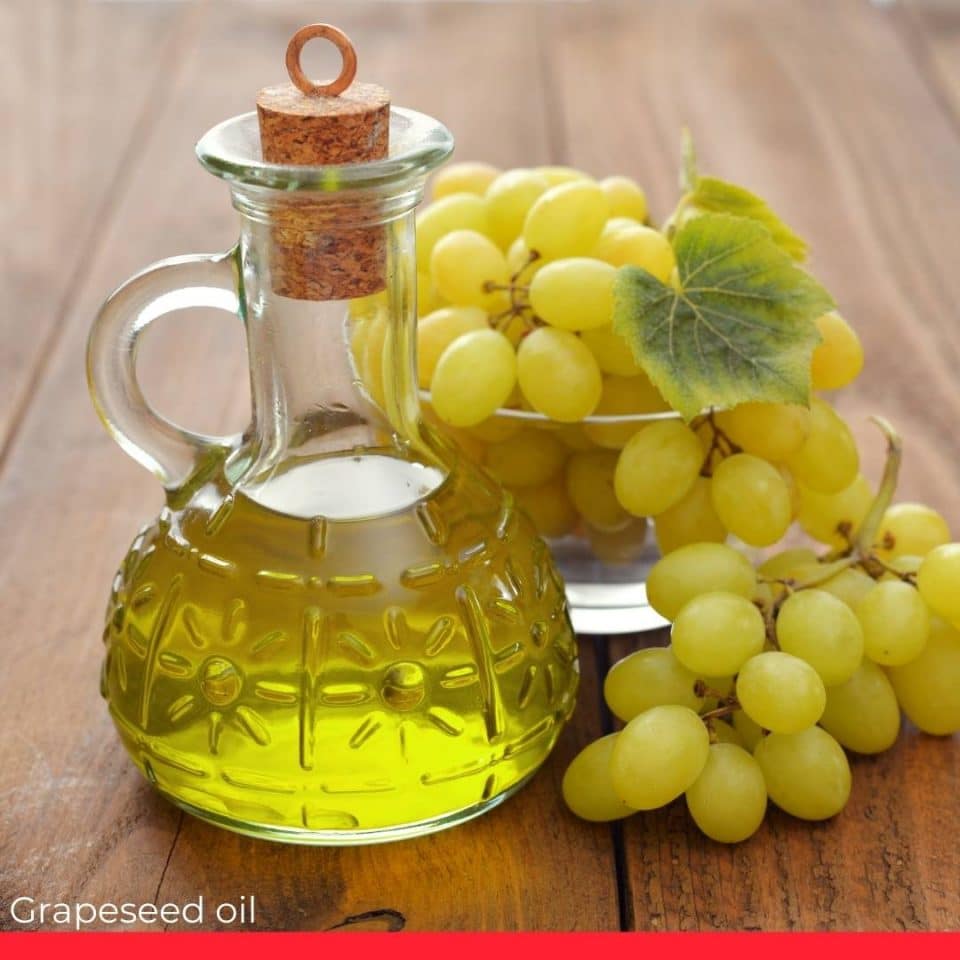
A sustainable byproduct of the winemaking industry, grapeseed oil is pressed from leftover grape seeds. With a smoke point of 215°C (420°F) and a remarkably neutral profile, it forms an ideal base for homemade mayonnaise, delicate vinaigrettes, and high-heat sautéeing where the ingredient flavors must remain untainted. However, its high polyunsaturated fat content necessitates prompt usage to prevent premature oxidation and rancidity.
Canola and Rapeseed Oils
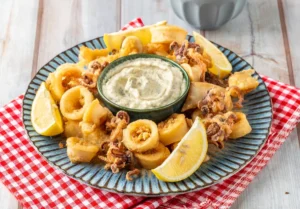
Canola—derived from low-erucic-acid rapeseed varieties—offers a neutral flavor profile and a dependable smoke point ranging between 200°C and 230°C (400°F–450°F). Due to its low cost and culinary invisibility, it has cemented itself as the default commercial and domestic frying oil globally.
Refined Sunflower and Corn Oils
Refined sunflower oil boasts a high smoke point of 225°C to 230°C (440°F–450°F) and is rich in vitamin E. High-oleic variations have gained dominance in commercial food production due to enhanced thermal stability. Similarly, corn oil, extracted from corn germ, features a mild sweetness that vanishes under heat, making it a historic favorite for commercial frying and traditional popcorn preparation.
Peanut and Rice Bran Oils
Refined peanut oil (smoke point 230°C / 450°F) is a staple in Asian wok cooking and Southern deep-frying traditions, though allergy concerns necessitate strict labeling. Meanwhile, rice bran oil—harvested from the outer milling layer of rice grains—offers an exceptional smoke point of 230°C to 250°C (450°F–480°F), pairing oxidation resistance with a clean, mild profile.
Untoasted Sesame Oil
Distinct from its pungent toasted counterpart, light or untoasted sesame oil provides a neutral, clean nuttiness with a reliable smoke point of 210°C (410°F), making it well-suited for general Asian sautéeing and marinades.
Aromatic and Finishing Oils: Flavor Profiles and Culinary Applications
In direct contrast to high-heat neutral oils, finishing oils are celebrated for their distinctive aromatic compounds and are generally unsuited for thermal processing.
Extra Virgin Olive Oil (EVOO)
Obtained exclusively through mechanical or physical means without chemical intervention, EVOO represents the pinnacle of Mediterranean agriculture. Its flavor profile spans a wide spectrum—from buttery and mild to aggressively grassy and peppery. While high-quality EVOO performs admirably in light sautés and roasting, its complex compounds and economic value often relegate it to dressings and finishing drizzles.
Unrefined Coconut, Pumpkin Seed, and Walnut Oils
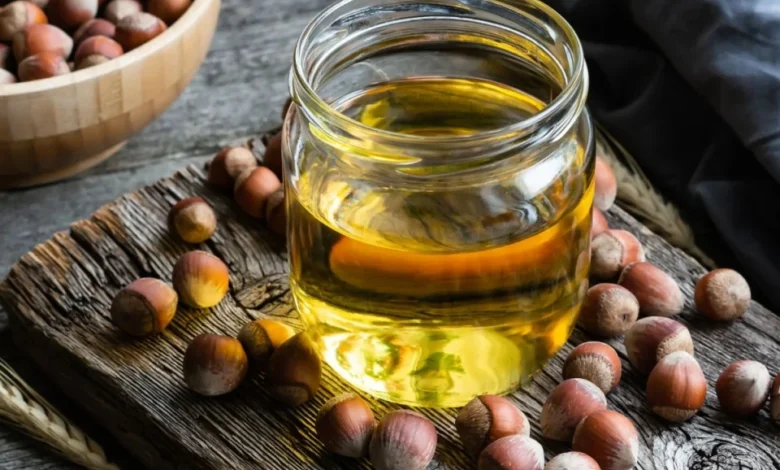
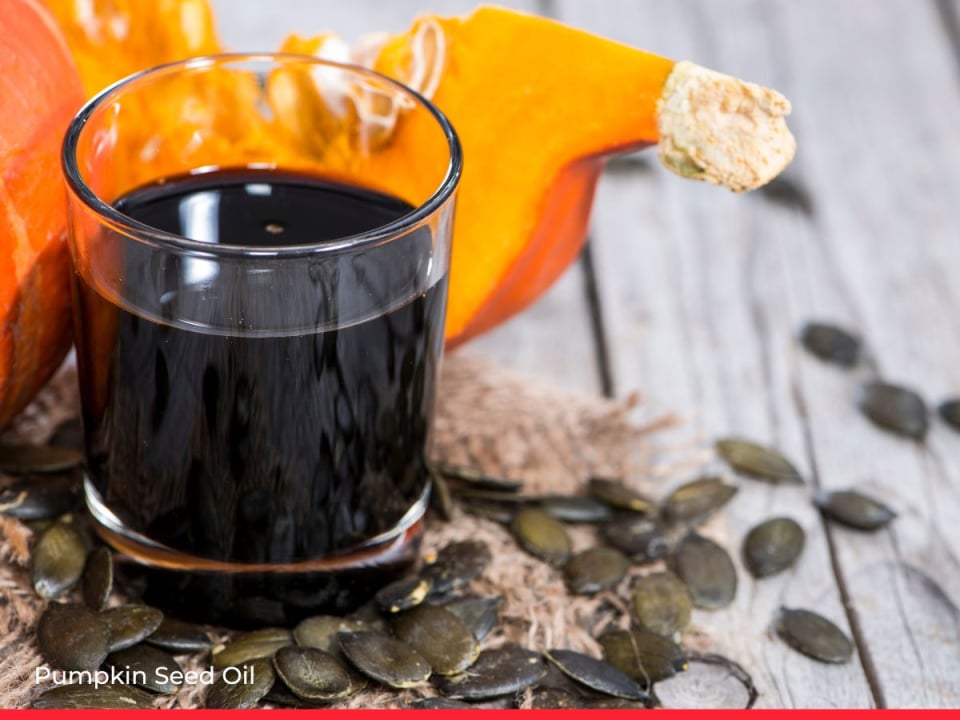
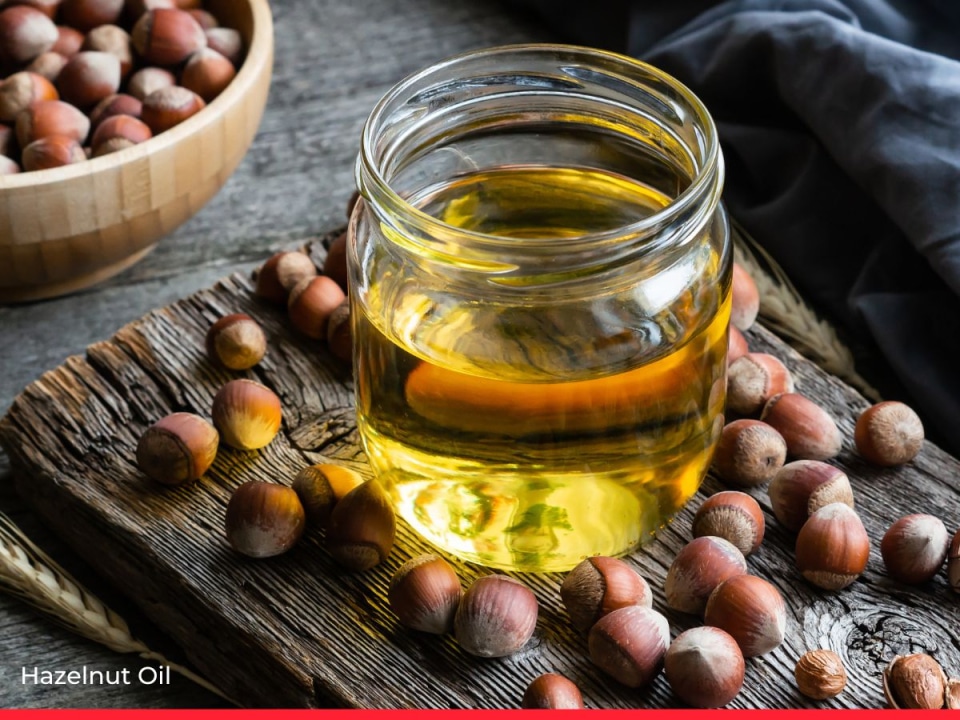
Unrefined coconut oil retains its tropical character with a low smoke point of 175°C (350°F), making it ideal for specific baking and raw confectionery applications. Pumpkin seed oil, celebrated in Austrian Styria, presents a deep green hue and intense toasty notes best utilized cold over soups or vanilla ice cream (smoke point 160°C / 320°F). Walnut and hazelnut oils offer delicate, complex nuttiness that elevates bitter green salads and artisan pastries, though their vulnerability to rancidity requires cold storage.
Toasted Sesame, Flaxseed, Argan, and Perilla Oils
Toasted sesame oil delivers an unmistakable deep, smoky richness that defines East Asian marinades and noodle dishes. Flaxseed oil serves primarily as a concentrated nutritional supplement rich in omega-3 fatty acids, demanding refrigeration due to rapid oxidation. Culinary argan oil, harvested exclusively in Morocco from roasted kernels, adds a complex, hazelnut-like warmth to couscous and tagines.
Perilla oil, pressed from the seeds of an East Asian herb related to shiso, provides a potent herbal aroma. Culinary experts, including prominent New York-based chefs, emphasize that high-grade perilla or sesame oil can profoundly elevate home-cooked East Asian cuisine by seamlessly binding aromatic compounds.
Animal Fats: Traditional Properties and Modern Revival
Animal fats have experienced a significant culinary rehabilitation in professional kitchens, valued for their structural contributions to baking and their deep, savory flavor profiles.
Butter and Ghee
Butter remains the cornerstone of Western pastry and sauce-making. However, its low smoke point of 150°C (300°F)—attributable to burning milk solids—limits its high-heat applications. European-style butter, featuring a higher fat content of 82% to 84%, yields superior flaky layers in croissants and pastries.

Ghee, or clarified butter, removes these water content and milk solids entirely, driving the smoke point up to 250°C (480°F). Long utilized in South Asian cuisine as a preservation method in tropical climates, ghee offers a nutty, caramel-like depth essential for tempering spices and traditional sweets.
Lard, Duck, and Goose Fats
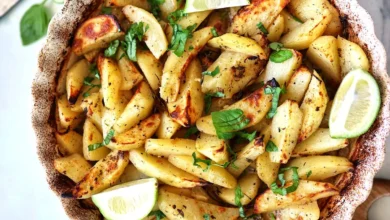
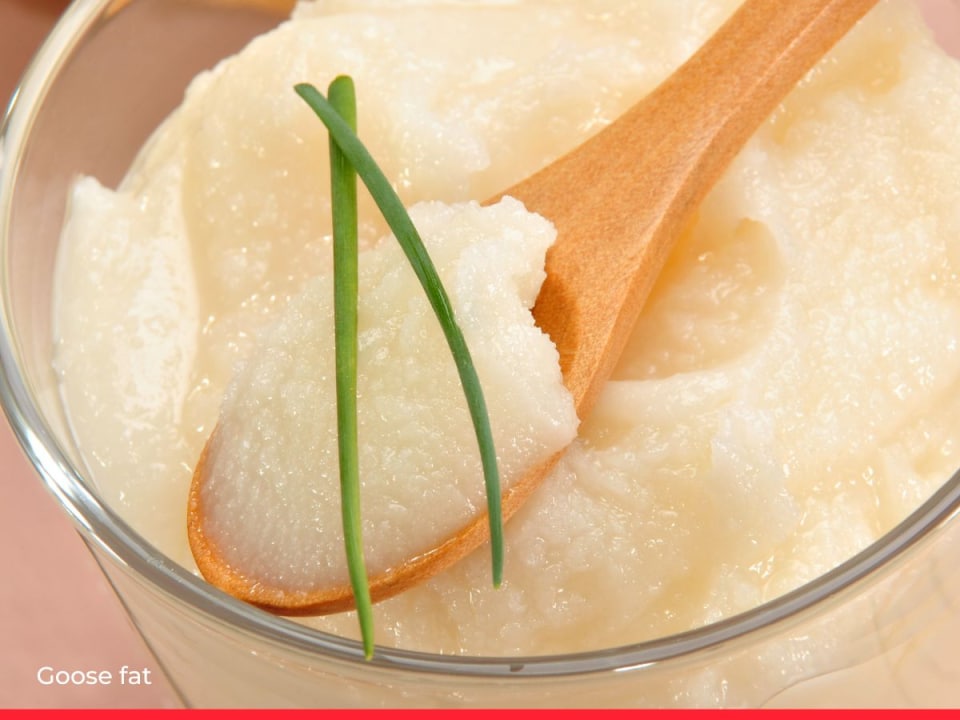
Rendered pig fat, particularly high-grade leaf lard, provides unmatched tenderness and flake density to pie crusts and biscuits at a smoke point of 190°C (375°F). Similarly, duck and goose fats (smoke point ~190°C / 375°F) are prized globally for producing exceptionally crisp roasted potatoes and rich confit preparations, offering silky textures and subtle gamey undertones.
Tallow and Schmaltz
Beef tallow, boasting a high smoke point of 250°C (480°F) and a robust savory profile, was historically the standard frying fat for commercial French fries before industrial vegetable oils gained prominence. Schmaltz—rendered chicken fat enriched by slow-cooked onions—remains a cherished staple in Ashkenazi Jewish cuisine, lending comforting depth to matzah ball soup and chopped liver.
Specialty and Regional Oils
Red Palm Oil
Harvested from the fruit of the oil palm, red palm oil is distinguished by its vivid orange-red coloration, signaling an exceptionally high concentration of beta-carotene. Essential to West African and Brazilian culinary traditions—such as jollof rice and moqueca—its earthy, savory flavor profile is foundational to regional identity.
Mustard Oil
Pungent and sharp in its raw state, mustard oil is widely utilized across India, Bangladesh, and Pakistan. Traditional preparation mandates heating the oil to its smoke point of 250°C (480°F) prior to cooking, a process specifically engineered to temper its natural acridity. Due to variations in erucic acid regulations, commercial availability remains subject to regional import restrictions.
Camellia Oil
Pressed from the seeds of Camellia sinensis or its ornamental relatives, camellia oil is an ancient East Asian staple. Featuring a high smoke point of 220°C (430°F) and a delicate, grassy sweetness, it acts as a versatile medium for both high-heat stir-frying and subtle finishing applications.