Exploring the Diverse World of Nuts: From Culinary Staples to Exotic Delights and Their Nutritional Powerhouses.


The ubiquitous advice to "eat more nuts" resonates across dietary guidelines and health recommendations, positioning these versatile kernels as cornerstones of healthful eating patterns, particularly within the acclaimed Mediterranean diet. Renowned for their rich profiles of healthy fats, protein, fiber, vitamins, and minerals, nuts have been consistently linked to enhanced cardiovascular health, optimized cholesterol levels, and a reduced incidence of chronic diseases. Yet, the very definition of a "nut" presents a fascinating botanical paradox that often diverges from its culinary application.
The Botanical Conundrum: A Closer Look at "Nuts"
From a strict botanical standpoint, many of the foods commonly referred to as nuts – including almonds, walnuts, pistachios, pecans, and cashews – are not true nuts at all. Botanically, a true nut is a dry fruit with a hard shell enclosing a single seed, which does not open to release the seed. Examples of true nuts include chestnuts, hazelnuts, and acorns. What we often consume as nuts are, in fact, seeds (like almonds or pistachios), the kernels of drupes (stone fruits like peaches or olives, whose seeds are consumed, as with pecans and walnuts), or even legumes (peanuts). Coconuts are large drupes, while tiger nuts are subterranean tubers. Despite these scientific distinctions, in kitchens, nutritionists’ offices, and commercial markets worldwide, these diverse botanicals are universally grouped and treated as "nuts" due to their shared sensory attributes – similar flavors, textures, culinary versatility, and remarkably consistent nutritional profiles. This article will adhere to this broader culinary definition, embracing the rich diversity of these nutrient-dense foods.
A Timeless Staple: The Ancient History of Nuts
Nuts have been an integral part of the human diet for millennia, predating agriculture itself. Archaeological evidence suggests that early hominids consumed nuts as a vital source of protein and fat. Findings in various parts of the world, from ancient Middle Eastern sites to European caves, reveal charred remains of walnuts, hazelnuts, and almonds, indicating their long-standing significance. Indigenous populations across North America, for instance, relied heavily on acorns and hickory nuts, developing sophisticated methods of processing to remove tannins and make them palatable. In Asia, lotus seeds and water chestnuts have been cultivated and consumed for thousands of years, holding both culinary and medicinal value. This deep historical connection underscores the enduring appeal and nutritional importance of nuts, cementing their status as some of humanity’s original superfoods.
While incredibly beneficial, moderation remains key. Nuts are calorie-dense, typically providing between 160 to 220 calories per ounce (28 grams). A small daily handful can be a powerful addition to a balanced diet, but mindful consumption is encouraged to avoid overindulgence. This comprehensive guide delves into 23 distinct types of nuts from across the globe, exploring their unique characteristics, culinary uses, and the remarkable nutritional benefits that have sustained their presence in diets for centuries.
Spotlight on Diversity: A Global Tour of Nuts
-
Almonds: The Versatile Mediterranean Marvel
Almonds are arguably one of the most versatile and widely consumed "nuts" globally. Botanically, they are seeds from the fruit of the almond tree, a drupe. Prized for their mild, subtly sweet flavor and satisfying crunch, almonds are incredibly adaptable. They excel raw as a snack, blanched and slivered in salads, roasted in savory dishes, or ground into flour for gluten-free baking and confections like Turkish Acibadem Kurabiyesi and Italian biscotti. Almond butter and milk have become pantry staples, driving significant demand. California dominates global almond production, though cultivation requires substantial water resources. Nutritionally, almonds are rich in vitamin E, a powerful antioxidant, and monounsaturated fats, which are beneficial for heart health. They also provide significant protein and magnesium, supporting muscle function and energy production. -
Macadamia Nuts: Australia’s Buttery Treasure
Originating from Australia, macadamia nuts are synonymous with luxury in the nut world. Their exceptionally smooth, buttery texture and rich, delicate flavor make them a decadent addition to cookies, confections, and tropical-inspired dishes. While often associated with Hawaiian cuisine due to successful commercial cultivation there, their roots are firmly Australian. Macadamias boast an impressive fat profile, being exceptionally high in monounsaturated fats, particularly palmitoleic acid, which research suggests may play a role in cardiovascular health and metabolism. -
Brazil Nuts: Selenium Powerhouses of the Amazon
These large, dense, and creamy nuts grow wild on towering trees in the Amazon rainforest, resisting widespread cultivation and maintaining their status as a sustainably wild-harvested product. Their mild, slightly woody flavor pairs well with chocolate and enhances baked goods and nut mixes. Brazil nuts are celebrated for their unparalleled selenium content; just one or two nuts a day can fulfill the entire daily requirement for this crucial trace mineral, which is vital for thyroid function, DNA synthesis, and antioxidant defense. -
Walnuts: Brain Food with a Bold Flavor
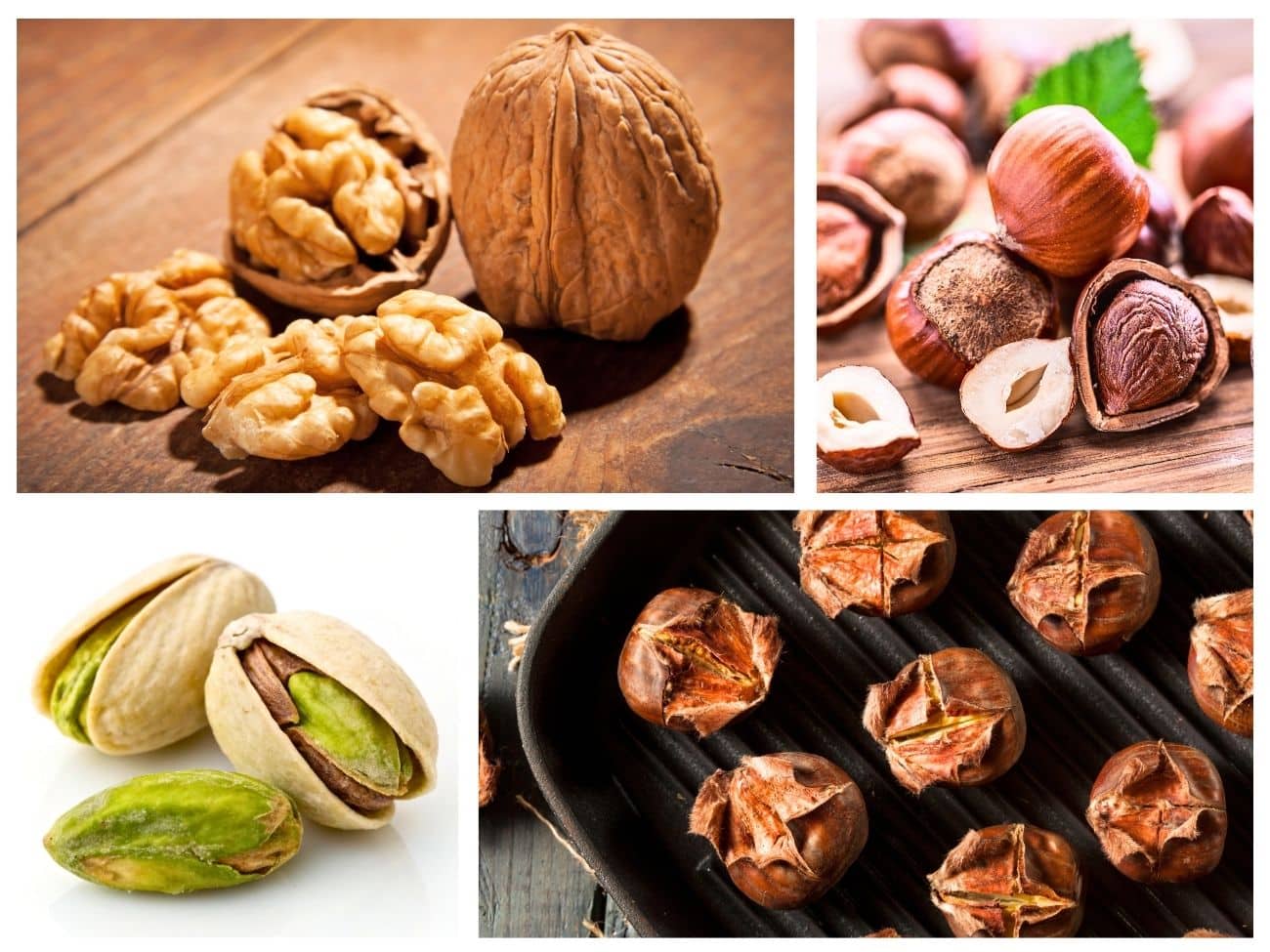
Walnuts, botanically drupes, are characterized by their distinctively bold, slightly bitter flavor and rich, almost creamy texture beneath their papery skin. They bring a profound depth to both sweet and savory applications, from being toasted and tossed into salads (like an apple, walnut, and gorgonzola salad) to folded into pumpkin bread, cakes, or blended into savory dips like muhammara. Walnuts are particularly notable for their exceptionally high content of alpha-linolenic acid (ALA), a plant-based omega-3 fatty acid crucial for heart and brain health, and are also rich in antioxidants. The leading walnut-producing countries include China, the United States (primarily California), and Iran.
-
Hazelnuts: The Confectioner’s Favorite
Hazelnuts are one of the few true botanical nuts, celebrated for their warm, toasty sweetness that intensifies upon roasting. This depth of flavor makes them a perfect partner for chocolate, most famously in gianduja and spreads like Nutella. Beyond confectionery, hazelnuts are versatile in savory cooking, lending richness to sauces, adding crunch to crusts, or complementing roasted beets and goat cheese in salads. They are a good source of folate, important for cell growth and function, and vitamin E, an antioxidant, with their healthy fat content contributing to satiety and nutritional value. Turkey is the world’s largest producer of hazelnuts. -
Pine Nuts: Delicate Gems of Mediterranean Cuisine
These small, elongated seeds, harvested from the cones of certain pine trees, are prized for their delicate, buttery flavor and tender texture. Pine nuts are a staple in Mediterranean and Middle Eastern cuisines, most famously as the essential fat in classic basil pesto. They are also toasted and sprinkled over pasta, stirred into rice dishes, and incorporated into both sweet pastries and savory stuffings. Nutritionally, pine nuts are rich in manganese and provide a useful dose of zinc, both vital for metabolic processes and immune function. -
Chestnuts: The Starchy Anomaly
Unlike most nuts, chestnuts are starchy rather than oily, with a dense, slightly sweet flesh that behaves more like a root vegetable. They are true nuts, often roasted, boiled, or puréed into creamy desserts (like marrons glacés) or savory stuffings. Chestnut flour, a gluten-free alternative, is widely used in Italian and French regional cooking for bread and pasta. Uniquely among nuts, they are low in fat and relatively high in complex carbohydrates and vitamin C, offering a distinctive nutritional profile. -
Coconut: The Tropical Drupe with Endless Uses
Botanically a fibrous drupe, culinarily a nut, and texturally unique, the coconut is a powerhouse of tropical flavor. Its white flesh can be enjoyed fresh, dried and shredded, or pressed into milk and oil. Coconut lends its distinctive flavor to cakes, desserts like Thai coconut dumplings (kanom tom), and is a fundamental ingredient in savory cooking across South and Southeast Asia, the Caribbean, and West Africa, particularly with seafood. Coconut is high in saturated fat, predominantly medium-chain triglycerides (MCTs), which are metabolized differently and have attracted significant interest in recent years for their potential health benefits. -
Peanuts: The Ubiquitous Legume
Technically a legume, peanuts have earned their place in the "nut" category through sheer culinary dominance and widespread usage. They are excellent roasted and salted, transformed into the globally beloved peanut butter, incorporated into cakes and cookies, or pressed into oil. Peanuts are also a key ingredient in numerous sauces, stews, salads (like Thai green papaya salad), and American candy bars, showcasing incredible versatility. Their robust, earthy flavor deepens with roasting, complementing both bold spices and sweetness. Peanuts are an impressive source of plant-based protein, niacin, and contain resveratrol, an antioxidant also found in red wine. -
Black Walnuts: North America’s Pungent Wildcard
Native to North America, black walnuts are the wilder, more intensely flavored cousins of the common English walnut. They boast a bold, earthy flavor with a pungent, almost tannic edge that sets them distinctly apart. Their intensity makes them a memorable addition to baked goods, ice cream, and savory sauces where a strong nutty presence is desired. Their notoriously hard shells make harvesting and cracking a labor-intensive process, limiting their commercial mainstream status. Nutritionally, they deliver omega-3 fatty acids and are particularly rich in antioxidants compared to their milder relatives.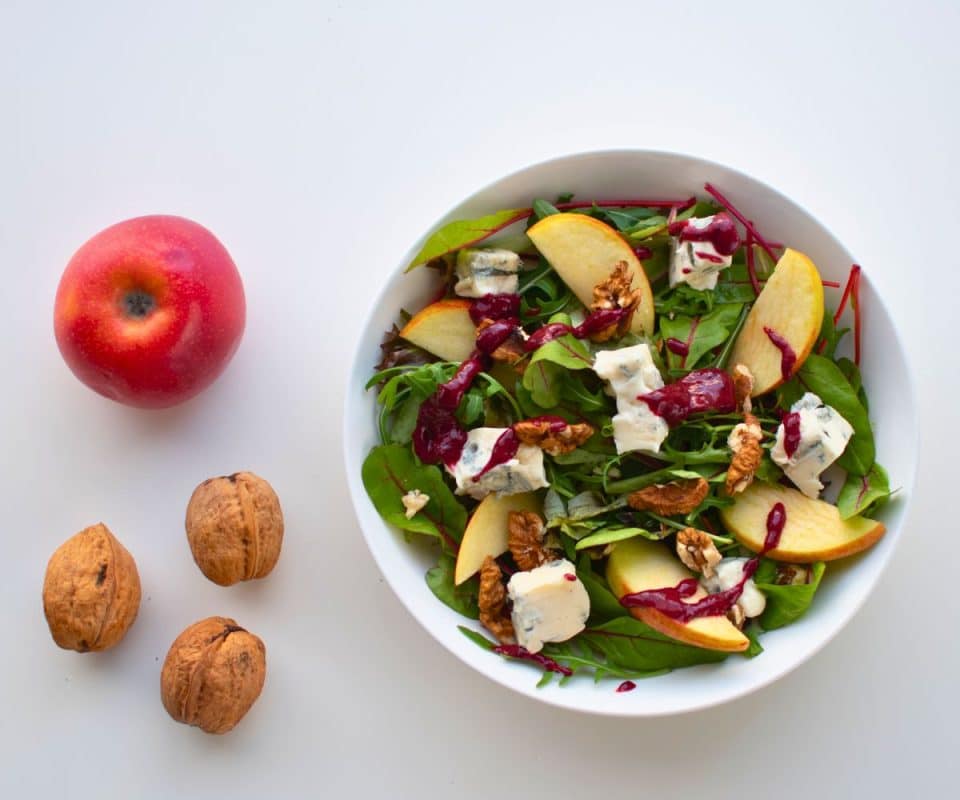
-
Pecans: The Southern Comfort Nut
A distinctly American nut, native to the southern and central regions of the continent, pecans are cherished for their rich, buttery sweetness. They are a staple in Southern cuisine, shining in baked goods, with pecan pie being the quintessential classic. They are equally delicious candied, incorporated into various desserts, or simply toasted and added to salads and grain bowls. Pecans are a strong source of antioxidants, particularly tocopherols, and provide healthy fats that contribute to a balanced cholesterol profile. -
Hickory Nuts: A Native North American Delicacy
Hickory nuts are an underappreciated North American native, closely related to pecans and sharing some of their buttery richness, albeit with a more complex, slightly smoky undertone. The labor-intensive process of cracking their thick shells and their relatively modest yield explain their limited commercial availability despite their excellent flavor. They can be used similarly to pecans in baked goods and nut mixes, and their depth of flavor is particularly pronounced when smoked or integrated into savory dishes. Like most tree nuts, they are a solid source of healthy fats and manganese. -
Cashews: The Creamy Cornerstone of Plant-Based Cuisine
Cashews, botanically seeds, hold a unique position due to their naturally creamy texture and gently sweet, buttery flavor. When soaked and blended, they form the versatile base of countless dairy-free sauces, cheeses, and desserts, making them a cornerstone of plant-based cooking. They are equally at home stir-fried in Asian dishes, mixed into savory sides like rose-infused rice, or simply roasted and salted as a snack. Nutritionally, cashews are a good source of copper and zinc, both vital for immune function, alongside heart-healthy monounsaturated fats. -
Beechnuts: Europe’s Foraged Forgotten Food
Beechnuts are small, triangular seeds from beech trees, historically a significant food source across Europe and North America before other nuts became dominant. Their flavor is mild and slightly sweet when fresh, akin to a hazelnut or sunflower seed. However, consuming large quantities raw can lead to bitterness due to tannins, so light roasting is typically recommended. They can be ground into flour, pressed for oil, or eaten roasted as a snack. Beechnuts offer a reasonable source of healthy unsaturated fats and provide useful amounts of thiamine and potassium. -
Candlenut: Southeast Asia’s Subtle Thickener
The candlenut, or kukui nut, is a Southeast Asian staple rarely found in Western kitchens, primarily used as a thickening and flavoring agent in Indonesian, Malaysian, and Hawaiian cuisine. Raw candlenuts are mildly toxic and must always be cooked, typically roasted or simmered in curries and spice pastes like rendang and laksa. Their flavor is subtle and creamy, providing a background richness rather than a dominant taste. High in oil content, particularly unsaturated fatty acids, candlenuts have been traditionally used for both texture and taste. -
Pistachios: The Emerald Nut of the Middle East
Pistachios, botanically seeds of a drupe, are instantly recognizable by their vivid green color, split shells, and subtly sweet, slightly earthy flavor. They are a natural fit for both sweet and savory applications: ground into Middle Eastern baklava and cakes, or pressed into crusts for lamb and fish. Pistachios are notably rich in lutein and zeaxanthin, carotenoids associated with eye health, and deliver more protein per serving than most other nuts, along with potassium and fiber. Iran and the United States are major producers.
-
Acorns: An Ancient Foraged Food Reimagined
Acorns, true nuts, were a fundamental dietary staple for Indigenous peoples across North America, Europe, and Asia for millennia. Today, they are experiencing a revival among foragers and alternative grain enthusiasts. Raw acorns are bitter due to tannins and require a leaching process (repeated soaking in water) to become palatable. Once processed, acorn flour offers a mildly nutty, earthy flavor, making excellent pancakes, bread, and porridge. It is naturally gluten-free and provides a good range of complex carbohydrates, healthy fats, manganese, and potassium. -
Kola Nuts: West Africa’s Stimulant and Cultural Icon
Kola nuts are more renowned as a cultural and pharmacological ingredient than a culinary one, traditionally chewed and brewed across West and Central Africa for centuries as a stimulant and ceremonial food. They contain caffeine and theobromine, imparting a bitter, astringent flavor that is challenging for direct consumption. Historically, kola nut extract was a key flavoring in early cola drinks. While not a conventional food nut, its cultural significance and stimulant properties are undeniable. -
Lotus Seeds: East Asia’s Calming Culinary Kernel
Lotus seeds, often called lotus nuts, are derived from the seed pods of the lotus flower and are a staple in East and Southeast Asian cooking. When dried, they possess a firm, starchy texture and a mild, slightly sweet flavor, making them suitable for both savory soups and sweet desserts. They are commonly found in Chinese mooncakes, sweet soups, congee, or preserved in syrup. Lotus seeds are a good source of magnesium, phosphorus, and B vitamins. In traditional Asian medicine, they are associated with calming and nourishing properties, embedding them in medicinal food traditions. -
Baru Nuts: Brazil’s Emerging Nutritional Star
Baru nuts originate from the Brazilian Cerrado savanna and are gaining recognition as a nutritionally impressive "nut." Their flavor is rich and toasty, often described as a cross between a peanut and a cashew, with a satisfying crunch ideal for snacking, trail mixes, and nut butters. They are remarkably high in protein and fiber for a nut, and also boast a strong antioxidant profile, making them a significant emerging superfood from South America. -
Butternuts (White Walnuts): The Sweet, Rare Relative
Butternuts, also known as white walnuts, are the gentler, sweeter sibling of the black walnut, native to eastern North America. Their flavor is rich and mild, closer to a conventional walnut but with more inherent sweetness and less bitterness. Historically, they were used in similar ways: in baked goods, sweets, and nut butters, and butternut oil was also traditionally important. Like other walnuts, they provide omega-3 fatty acids and antioxidants. Their current relative rarity makes them a special find at farmers’ markets or specialty stores, highlighting the importance of conserving native species. -
Mongongo Nuts: Southern Africa’s Desert Survival Staple
Mongongo nuts, also called manketti nuts, are found in Southern Africa and have a rich, earthy flavor with a firm, slightly chewy texture. Traditionally, they are roasted in hot ash before consumption. In contemporary markets, mongongo oil has attracted interest in cosmetic and culinary sectors due to its distinctive fatty acid profile, particularly its unusually high content of eleostearic acid. The nuts are also a strong source of protein, zinc, and vitamin E, positioning them as one of the most nutritionally dense wild foods on this list.
-
Tiger Nuts: The Ancient Tuber with a Nutty Twist
Despite their name, tiger nuts are small tubers, the underground corms of a grass-like plant. However, their nutty, slightly sweet flavor and unique crunchy-chewy texture firmly place them in the "nut" category for culinary purposes. Consumed since ancient Egypt, they remain a staple in parts of West Africa and Spain, where they are the base of horchata de chufa, a popular chilled beverage. Tiger nuts are an exceptional source of prebiotic fiber, particularly inulin, which feeds beneficial gut bacteria and supports digestive health.
Nutritional Breakdown: A Comparative Analysis
The diverse world of nuts offers a spectrum of caloric and nutrient profiles, making them valuable additions to any diet. While most are calorie-dense, reflecting their high healthy fat content, they each bring unique benefits.
| Nut | Calories (100 g/3.5 oz) | Key Health Benefits |
|---|---|---|
| Almond | 579 kcal | Vitamin E, magnesium, protein, monounsaturated fats |
| Walnut | 654 kcal | Highest tree nut in ALA omega-3, antioxidants, copper |
| Black Walnut | 619 kcal | Omega-3, polyphenols, antioxidants |
| Butternut | 612 kcal | Omega-3, antioxidants, manganese |
| Pecan | 691 kcal | Monounsaturated fats, manganese, vitamin E |
| Macadamia | 718 kcal | Highest in monounsaturated fat, palmitoleic acid, manganese |
| Brazil Nut | 659 kcal | Richest dietary source of selenium, magnesium |
| Cashew | 553 kcal | Copper, zinc, iron, magnesium |
| Pistachio | 562 kcal | Protein, lutein, zeaxanthin, potassium, fiber |
| Hazelnut | 628 kcal | Vitamin E, folate, monounsaturated fats |
| Pine Nut | 673 kcal | Vitamin K, manganese, magnesium, zinc |
| Hickory | 657 kcal | Healthy fats, manganese, magnesium |
| Beechnut | 576 kcal | Healthy fats, thiamine, potassium |
| Candlenut | 690–720 kcal | Unsaturated fats, omega-6 |
| Chestnut | 213 kcal | Vitamin C, fiber, complex carbohydrates (much lower fat) |
| Coconut (fresh) | 354 kcal | MCTs, manganese, copper |
| Tiger Nut | 480 kcal | Resistant starch, inulin (prebiotic fiber), iron |
| Peanut | 567 kcal | Protein, niacin, resveratrol, monounsaturated fats |
| Acorn | 387 kcal | Fiber, manganese, potassium |
| Kola Nut | 152 kcal (fresh) | Caffeine, theobromine |
| Lotus Seed (dried) | 350 kcal | Magnesium, phosphorus, protein |
| Baru Nut | 560 kcal | Protein, fiber, antioxidants, iron |
| Mongongo Nut | 640 kcal | Vitamin E, zinc, eleostearic acid |
Note: Calorie content for 100g/3.5oz. Fresh vs. dried forms can significantly alter nutritional density, particularly for chestnuts, coconuts, and kola nuts.
This table highlights that while most nuts are rich in calories and healthy fats, their micronutrient profiles vary considerably. For instance, Brazil nuts stand out for selenium, walnuts for omega-3s, and pistachios for eye-health compounds. Chestnuts and lotus seeds are comparatively lower in fat and higher in carbohydrates, offering different nutritional benefits.
Nuts in Modern Diets: A Public Health Perspective

Health organizations and dietitians consistently advocate for the regular inclusion of nuts in a balanced diet. Their role in reducing the risk of heart disease, managing weight (due to satiety from fiber and protein), and providing essential nutrients is well-documented. The rise of plant-based diets has further amplified the importance of nuts, particularly cashews and almonds, as foundational ingredients for dairy-free alternatives and protein sources. The increasing consumer awareness of functional foods and superfoods has also driven interest in lesser-known varieties like baru and mongongo nuts, expanding the global palate and nutritional options.
Sustainability and Sourcing Considerations
The global demand for nuts has implications for sustainability and sourcing. For example, large-scale almond production in California has raised concerns about water usage in drought-prone regions. The wild harvesting of Brazil nuts, while traditionally sustainable, faces challenges from deforestation in the Amazon. Conversely, some nuts like butternuts and hickory nuts are rare due to habitat loss or labor-intensive harvesting, underscoring the need for conservation efforts and responsible sourcing practices to ensure the long-term availability of these valuable food resources.
Allergen Awareness: A Critical Consideration
Despite their numerous health benefits, it is crucial to acknowledge that nuts are among the most common and severe food allergens. Tree nuts (such as almonds, walnuts, cashews, pecans, pistachios, hazelnuts, and Brazil nuts) and peanuts (a legume) are distinct allergens that can cause life-threatening anaphylactic reactions in sensitive individuals. Strict allergen labeling laws and cross-contamination prevention measures are vital in food production and service to protect those with nut allergies.
Conclusion: The Enduring Appeal of Nature’s Tiny Powerhouses

From the common almond to the exotic mongongo, the world of nuts is a testament to nature’s bounty and diversity. Whether botanically true nuts, seeds, drupes, or tubers, their culinary utility and profound nutritional value unite them under a common banner. They offer a simple, delicious, and effective way to enhance dietary quality, providing essential fats, proteins, vitamins, and minerals. As global food systems evolve, the enduring appeal of these tiny powerhouses continues to grow, promising a future where their diverse flavors and health benefits enrich plates and palates worldwide.