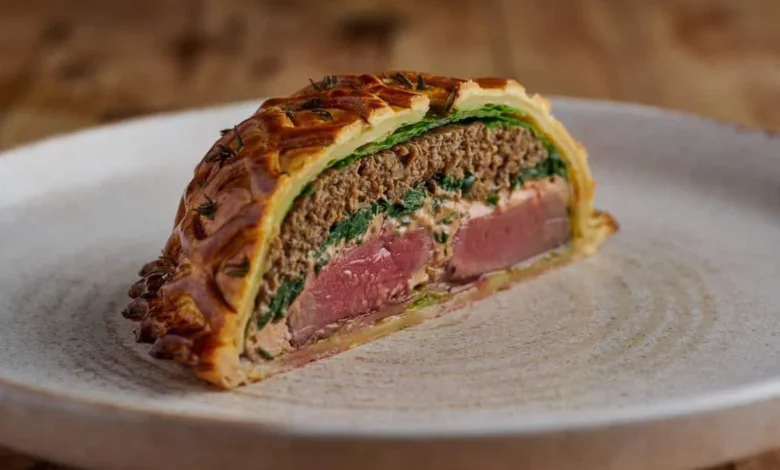
The culinary world has long celebrated the classic French pithivier as a masterclass in pastry arts, blending architectural precision with rich, comforting flavors. Now, chef Callum Leslie has reimagined this historic enclosed pie for contemporary palates, crafting a sophisticated Wood Pigeon Pithivier that elevates traditional game cookery. Developed as a centerpiece for colder-weather dining and special occasions, Leslie’s creation marries tender wood pigeon breasts with earthy mushrooms, fresh spinach, Savoy cabbage, and velvety chicken liver pâté, all encased within layers of golden, buttery puff pastry.
While French culinary tradition often associates the pithivier with sweet almond-based frangipane or lighter vegetable fillings, contemporary fine dining has increasingly embraced robust game meats. Leslie’s recipe bridges rustic British game traditions with refined French technique, offering a seasonal dish that highlights the complex, earthy profiles of autumn and winter harvests.
Anatomy of a Masterpiece: Ingredients and Preparation
At its core, the Wood Pigeon Pithivier is an exercise in meticulous layering and temperature control. The assembly process requires approximately one hour of active preparation, followed by a crucial two-hour chilling period to ensure the butter within the puff pastry remains solid before baking. The entire cooking timeline spans roughly three hours and forty minutes, culminating in a striking, dome-shaped pastry with a deeply savory interior.
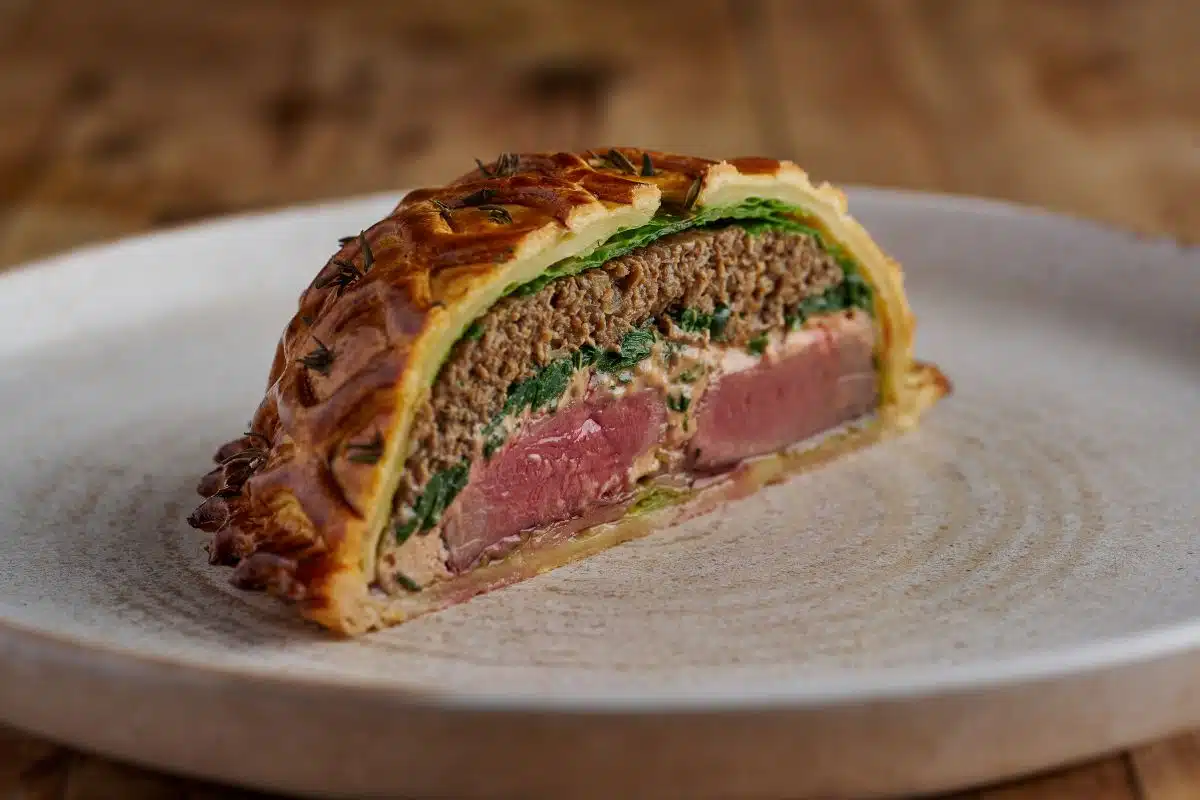
The filling is built on a foundation of carefully prepared components. Tender wood pigeon breasts—prized for their lean, iron-rich meat and distinct game flavor—serve as the primary protein. For home cooks looking to adapt the recipe or sourcing alternative game, the dish is versatile enough to accommodate partridge or a curated mixture of seasonal game birds.
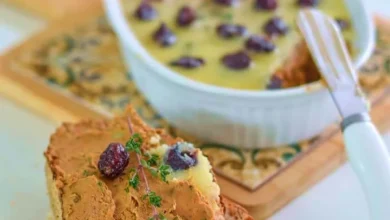
Surrounding the pigeon are layers of finely sautéed mushrooms and wilted greens, including fresh spinach and Savoy cabbage, which provide moisture and balance to the rich meats. A generous spread of chicken liver pâté binds the savory elements together, introducing an unctuous depth that prevents the lean game from drying out during the baking process. While store-bought pâté offers convenience, culinary purists often opt for a from-scratch preparation, utilizing classic French methods involving cognac, butter, and seasonings to elevate the dish further.
The Evolution of Game Cookery in Modern Gastronomy
The integration of wood pigeon into upscale pastry applications reflects a broader shift toward sustainable, locally sourced game in modern British and European kitchens. Wood pigeon is widely recognized by conservationists and agricultural economists as an abundant, free-ranging resource whose management supports local ecosystems and farming. By utilizing wild game, chefs like Callum Leslie tap into a sustainable protein source that requires no industrial breeding, aligning with modern diners’ growing demand for ethically sourced and environmentally conscious gastronomy.
Historically, game pies and pithiviers were staples of aristocratic hunting lodges and grand dining rooms, where pastry was frequently used as a vessel to preserve meats before the advent of refrigeration. Today, dishes of this caliber serve a different purpose: they showcase the technical prowess of the kitchen and celebrate regional terroir. The combination of forest-foraged mushrooms, wild game, and locally grown brassicas encapsulates a distinct sense of place, connecting the diner directly to the surrounding countryside.
Culinary Techniques and Best Practices
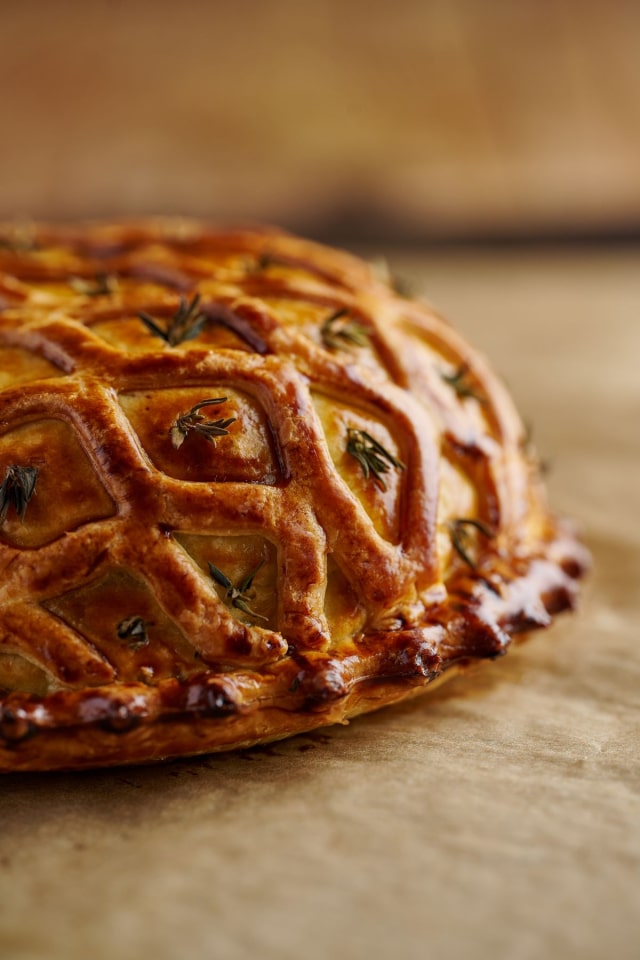
Achieving the signature aesthetic of a traditional pithivier requires precise knife work and patience. The pastry must be rolled to an even thickness to guarantee an even rise in the oven. Cooks typically score the top crust in a sunburst or spiral pattern from the center outward, a decorative touch that also allows steam to escape during the baking process, preventing the pastry from cracking or becoming soggy.
Temperature management remains the single most important factor in successful execution. As noted in the preparation guidelines, the two-hour chilling window is non-negotiable. If the butter in the puff pastry melts before hitting the hot oven, the layers will fuse, resulting in a dense, greasy crust rather than the signature flaky, towering layers expected of a fine French pastry.
Baking at a high initial temperature helps shock the pastry, forcing the water in the butter to turn to steam and rapidly expand the dough’s delicate layers. Once the exterior achieves a rich golden-brown hue, the internal components—the pigeon, mushrooms, and cabbage—steam gently within their pastry cocoon, retaining their moisture and tender textures.
Broader Implications for Seasonal Menus
Dishes like Callum Leslie’s Wood Pigeon Pithivier underscore the ongoing appeal of classic techniques executed with modern sensibilities. As dining trends oscillate between minimalist plating and hyper-complex comfort food, elevated pastry-enclosed dishes occupy a unique space. They offer a theatrical dining experience—often presented whole at the table before being sliced into individual portions—that encourages communal sharing and sensory engagement.
Furthermore, the adaptability of the recipe demonstrates the versatility of traditional French pastry foundations. By substituting game birds, adjusting the seasonal mushroom varieties, or incorporating alternative leafy greens, chefs can continually reinvent the pithivier throughout the calendar year. Whether featured as a sophisticated appetizer or the main course of an autumnal feast, Leslie’s interpretation reinforces the timeless marriage of flaky pastry and rich, wild game.