Elevating the Salad: From Side Dish Staple to Culinary Masterpiece

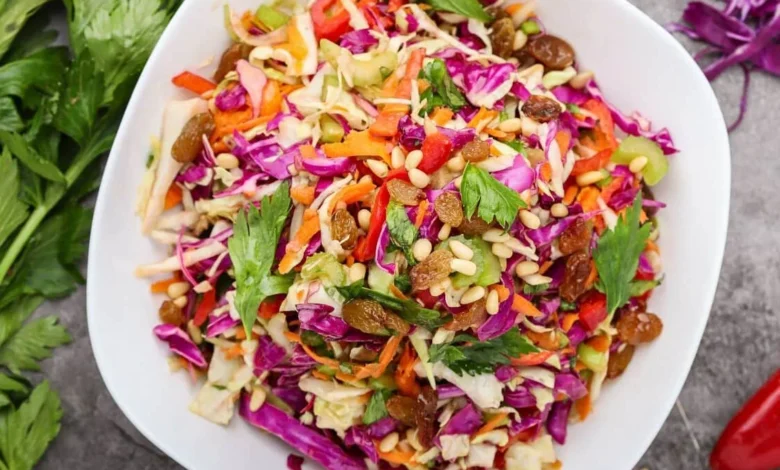
The culinary landscape has undergone a significant transformation, moving the humble salad from its traditional role as a quiet, auxiliary plate filler into the center of the dining experience. Modern gastronomy increasingly demands dishes that offer both nutritional depth and complex flavor profiles without requiring overly complicated preparation methods. As consumer preferences shift toward vibrant, fresh, and texturally diverse meals, culinary platforms and home cooks alike are re-evaluating what a salad can and should be. Recent culinary trend analyses, including a comprehensive compilation by the Chef’s Pencil editorial team, highlight an international movement toward inventive, globally inspired salads that seamlessly transition from quick weekday lunches to elegant dinner party centerpieces.

The Evolution of the Modern Salad
Historically relegated to a rudimentary mix of iceberg lettuce, tomatoes, and bottled dressing, the salad has experienced a renaissance driven by a broader cultural emphasis on health, wellness, and culinary exploration. According to recent food industry reports, consumer demand for fresh produce and globally inspired flavor profiles has surged by over 30% over the past five years. This shift reflects a growing awareness of dietary diversity, incorporating ancient grains, superfoods, and cross-cultural flavor pairings that challenge conventional definitions of green cuisine.

Nutritionists and culinary experts note that the integration of protein-dense ingredients, complex carbohydrates, and high-quality fats has allowed salads to shed their reputation as unsatisfying rabbit food. Instead, they have become powerhouses of nutrition capable of sustaining high-energy lifestyles. The global pandemic further accelerated this trend, as home cooks sought out recipes that utilized accessible ingredients while providing a sense of international travel and culinary adventure from their own kitchens.
Global Inspirations and Regional Classics
The resurgence of salad popularity is deeply rooted in the adoption of traditional recipes from the Mediterranean, Eastern Europe, and Southeast Asia. These culinary traditions rely on the intrinsic quality of fresh, seasonal ingredients rather than heavy, masking sauces.

Mediterranean and Middle Eastern Influences
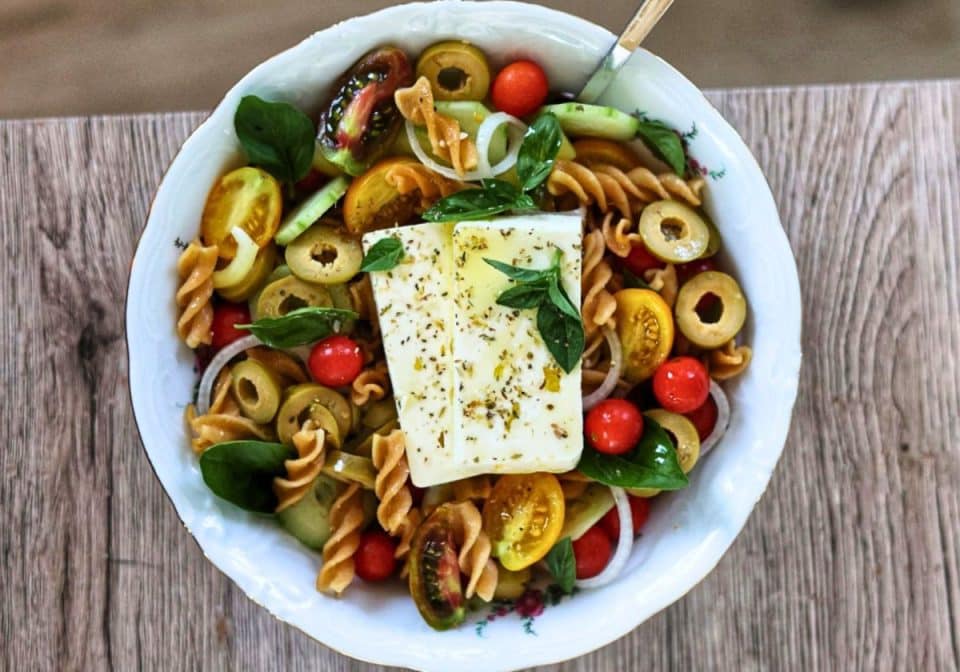
The Mediterranean diet continues to heavily influence contemporary salad trends, championing ingredients such as extra virgin olive oil, fresh herbs, briny olives, and authentic cheeses. The Traditional Greek Salad, locally known as horiatiki, exemplifies this philosophy. Lacking any lettuce, it relies entirely on the crisp bite of cucumbers, ripe tomatoes, red onions, green peppers, Kalamata olives, and a substantial slab of authentic feta cheese.
Expanding upon these classic flavor profiles, variations such as the Greek Pasta Salad and the Mediterranean Salad with Roasted Potatoes introduce comforting carbohydrates to the freshness of the Mediterranean table. The latter elevates the humble potato through air-frying or oven-roasting, achieving a crispy exterior that contrasts delightfully with creamy feta and herbaceous dill. Similarly, the Turkish Shepherd’s Salad (Çoban Salata) utilizes finely diced tomatoes, cucumbers, green peppers, and onions, dressed simply with lemon juice and olive oil, demonstrating how precision in preparation can yield extraordinary flavor.

Eastern European Comfort and Practicality
Moving northward, Eastern European culinary traditions offer hearty, practical solutions designed to feed gatherings and families efficiently. The Romanian Oriental Salad (Salată Orientală) serves as a prime example. Combining boiled potatoes, hard-boiled eggs, onions, and olives in a sharp dressing, this dish bridges the gap between a side dish and a standalone meal. It is a testament to the resourcefulness of traditional peasant cooking, where shelf-stable and affordable ingredients are transformed through clever seasoning and preparation.
Vibrant Asian Profiles
Representing the dynamic flavors of Southeast Asia, the Thai Green Papaya Salad (Som Tam) introduces an aggressive balance of sweet, salty, sour, and spicy notes. Featuring shredded unripe papaya, lime juice, chili peppers, crushed peanuts, and fish sauce, Som Tam acts as a sensory awakening. Culinary historians trace the dish’s popularity to its ability to stimulate the palate, making it an ideal accompaniment to richer, grilled proteins.

Innovating with Protein and Luxury Elements
As salads claim their place as primary meal courses, chefs and home cooks are increasingly incorporating premium proteins and luxury cheeses to ensure satiety.
Seafood and Poultry Innovations
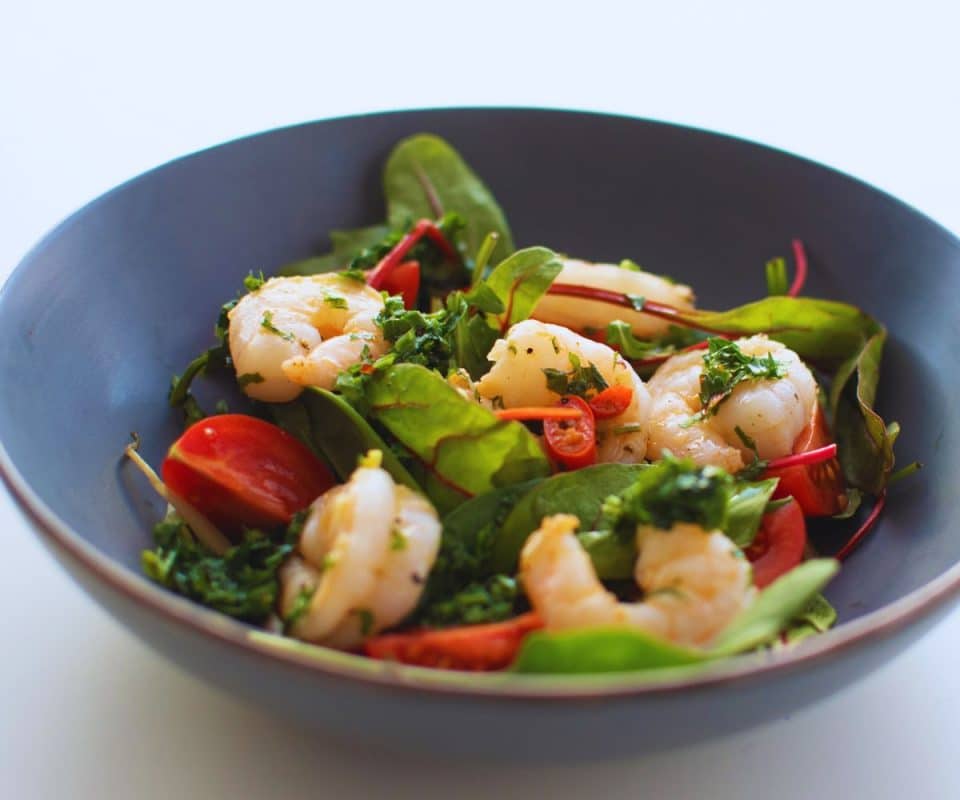
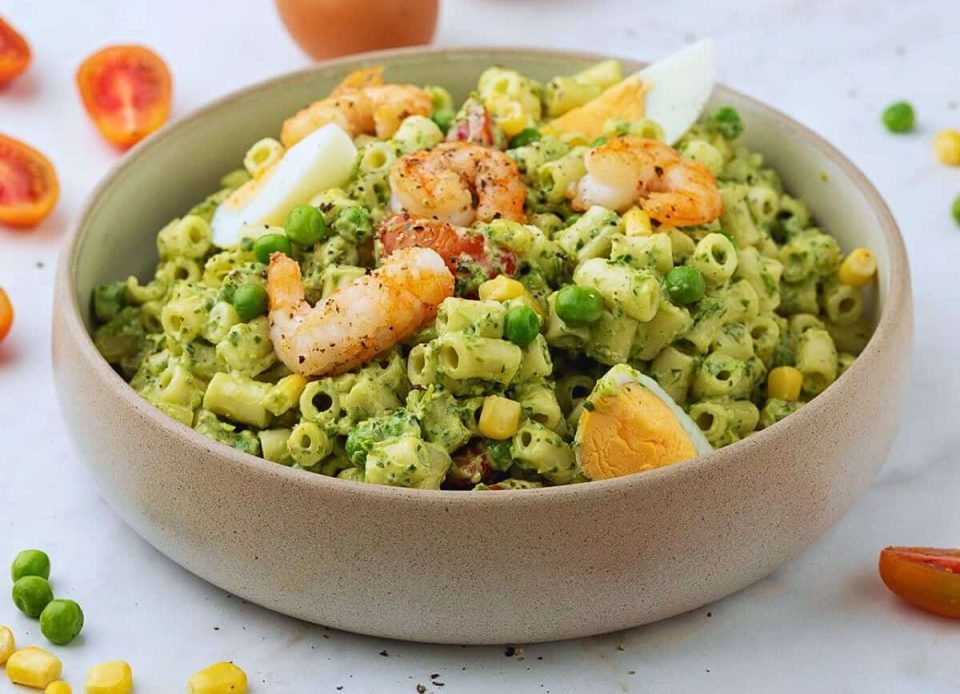
The integration of seafood into cold and warm salads has gained considerable traction. The Chimichurri Shrimp Salad pairs rapidly cooked crustaceans with an herbaceous, garlic-forward Argentinean sauce, offering a vibrant, low-carb dinner option for warm weather evenings. Similarly, the Shrimp Pasta Salad provides a comforting yet sophisticated option for large gatherings, benefiting from a resting period in the refrigerator that allows the maritime flavors to meld with the pasta.
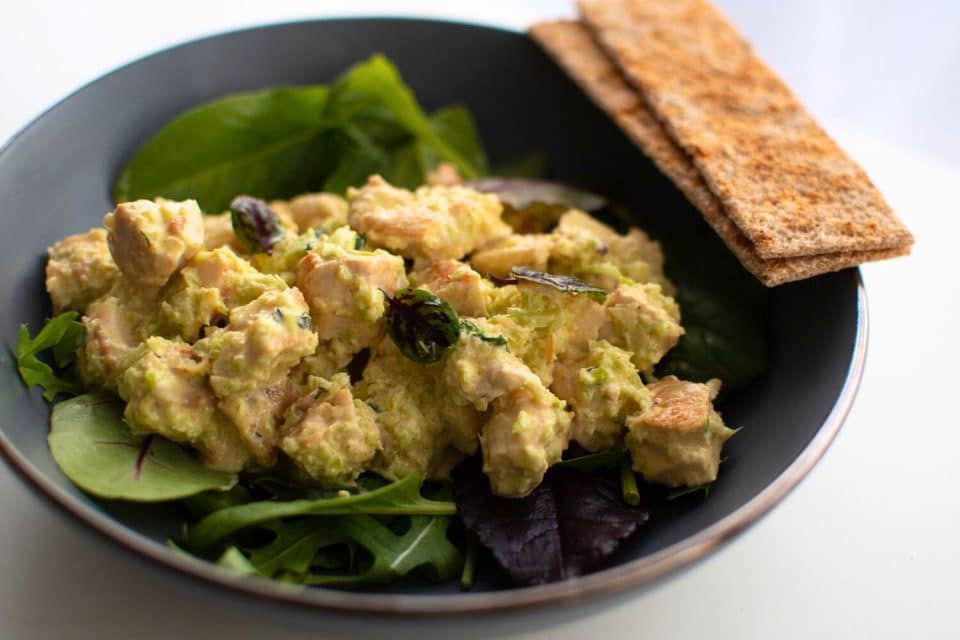
Poultry also receives elevated treatment through dishes like the Curry Chicken Salad with Celery. By infusing mayonnaise-based dressings with warming curry spices and adding the sharp crunch of diced celery, this classic lunch staple is transformed into a culturally fused dish suitable for wraps, sandwiches, or standalone consumption. For a more upscale poultry presentation, the Smoked Duck Salad with Feta and Blackberry Sauce pairs the rich, gamey profile of smoked duck breast with the sharp tartness of blackberry dressing, bridging the gap between casual dining and fine cuisine.

The Rise of Indulgent Cheeses
Cheeses that offer distinct textural experiences—such as burrata and gorgonzola—are increasingly utilized to anchor gourmet salads. The Summer Salad with Burrata and Honey capitalizes on the creamy, molten interior of fresh burrata cheese, contrasting it against fresh summer greens, crisp vegetables, and a finishing drizzle of honey. This dish exemplifies the modern trend of incorporating contrasting textures and flavor profiles—sweet, savory, creamy, and crisp—into a single bowl.

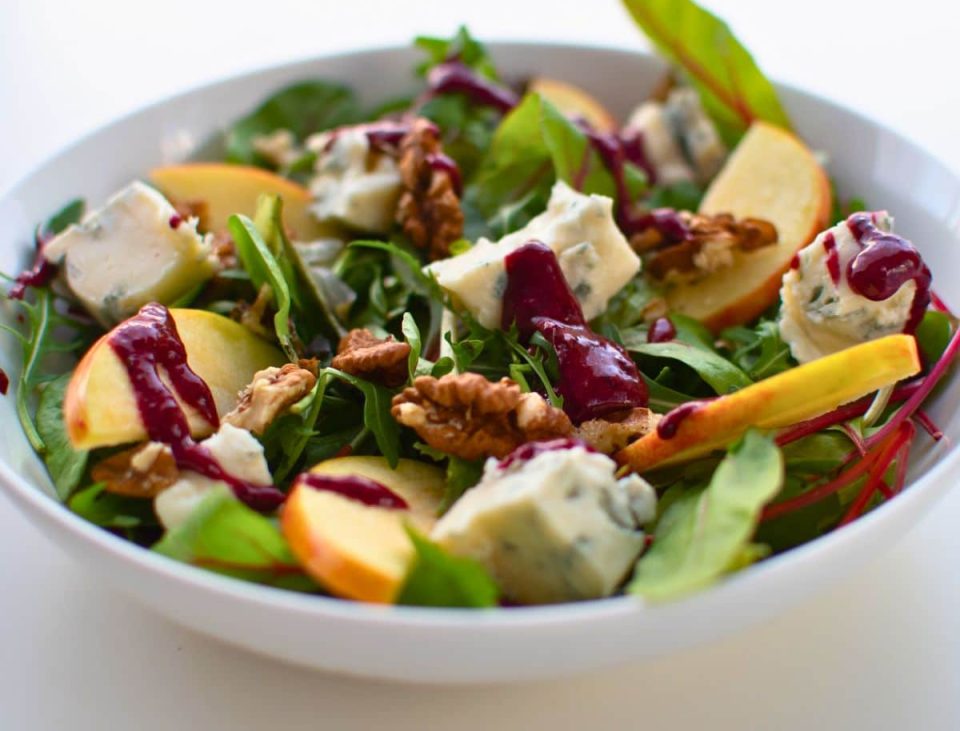
Similarly, the Apple Gorgonzola Salad with Blackberry Vinaigrette relies on the pungent, earthy bite of blue cheese balanced against the crisp sweetness of fresh apples and toasted walnuts, tied together by a fruit-infused acidic vinaigrette.

Economic and Dietary Implications
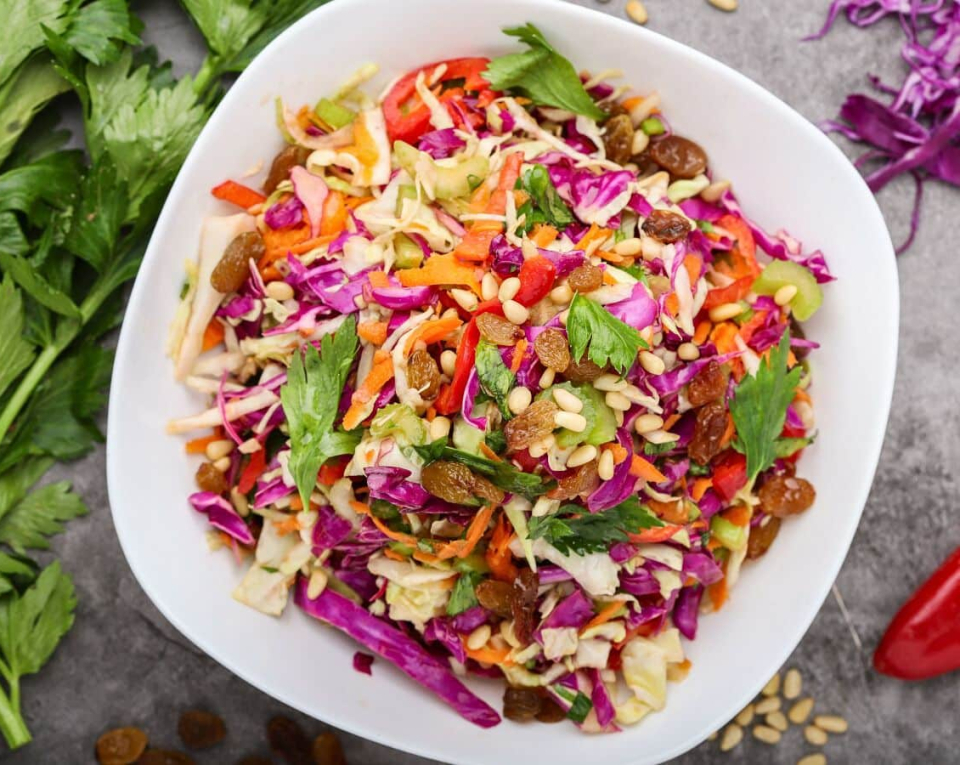
The enduring popularity of these diverse salad recipes highlights several broader economic and social shifts in modern food consumption. From an economic perspective, many of these dishes—such as the 5-Minute Sesame Carrot Salad or the Mediterranean Bean Salad—utilize affordable, long-lasting staple ingredients like cabbage, carrots, and canned legumes. This makes nutritious eating accessible across various income brackets, particularly in times of economic fluctuation where household grocery budgets are closely monitored.

Dietarily, the emphasis on fiber-rich vegetables, heart-healthy fats from olive oil and nuts, and lean proteins aligns closely with global public health recommendations aimed at reducing the incidence of lifestyle-related chronic diseases. Furthermore, the inherent adaptability of these recipes allows individuals with specific dietary restrictions—such as vegetarians, gluten-intolerant consumers, and those following low-carbohydrate regimens—to modify dishes easily without sacrificing flavor or culinary satisfaction.
Future Outlook for Salad Culture
Industry analysts project that the culinary sector will continue to see innovation in the salad category, driven by advancements in agricultural technology, year-round availability of fresh produce, and an increasingly adventurous global palate. As consumers become more discerning, the boundary between home cooking and restaurant-quality presentation will continue to blur. Whether through the smoky, charred complexity of a Grilled Brussels Sprout Salad featuring walnuts, prosciutto, and parmesan, or the refreshing simplicity of a watermelon and feta combination on a scorching afternoon, the modern salad has firmly cemented its status as a versatile, essential cornerstone of contemporary cuisine.