The Ultimate Global Guide to 28 Essential Cooking Oils and Fats for Frying, Roasting, Baking, and Finishing

The culinary world relies heavily on fats and oils not merely as a medium to transfer heat, but as foundational ingredients that dictate the fundamental physics of flavor development, browning, emulsification, and texturizing. In professional and home kitchens alike, understanding the biochemical properties of cooking fats—specifically smoke points, fatty acid compositions, and flavor profiles—separates amateur execution from professional mastery. While neutral, high-smoke-point oils remain the workhorses for high-heat searing, deep frying, and roasting, aromatic seed oils, delicate nut extracts, and rich animal fats serve critical roles in emulsifying dressings, building complex sauces, and providing aromatic finishing touches.
The Science of Smoke Points and Culinary Mechanics
A cooking oil’s smoke point is the threshold temperature at which it begins to break down, produce a continuous bluish smoke, and degrade chemically. This degradation destroys beneficial compounds, generates undesirable free radicals, and imparts an acrid, bitter flavor profile to food. However, smoke points are not absolute fixed numbers; they fluctuate depending on the degree of refinement, extraction methods, and the age or freshness of the oil.
Refinement typically strips away impurities, free fatty acids, and aromatic compounds, thereby raising the smoke point and creating a more neutral flavor profile. Conversely, unrefined, cold-pressed oils retain their complex botanical compounds, intense aromas, and native colors, but usually succumb to lower thermal thresholds. Below is an exhaustive breakdown of 28 globally recognized culinary fats and oils, categorized by their thermal characteristics and functional applications.
Neutral and High-Heat Oils
1. Avocado Oil
Extracted directly from the nutrient-dense flesh of the fruit rather than its seed, avocado oil boasts one of the highest smoke points in the culinary repertoire, with refined versions reaching approximately 270°C (520°F). This exceptional thermal stability makes it indispensable for searing, roasting, grilling, and deep frying. It possesses a mild, buttery character that remains neutral under high heat while retaining enough pleasant flavor to complement dressings and marinades. Its primary drawback remains its high market price, which renders it cost-prohibitive for high-volume commercial applications.
2. Refined Coconut Oil
Refined coconut oil undergoes processing to strip away its distinct tropical aroma and flavor, yielding a clean-tasting, stable cooking fat with a smoke point near 230°C (450°F). Unlike unrefined virgin variations, its neutrality allows it to function seamlessly across savory and sweet preparations—such as sautéeing and high-heat baking—without imparting coconut notes. Because it remains solid below 24°C (76°F), it provides structural integrity in baking formulations where solid fats are required.
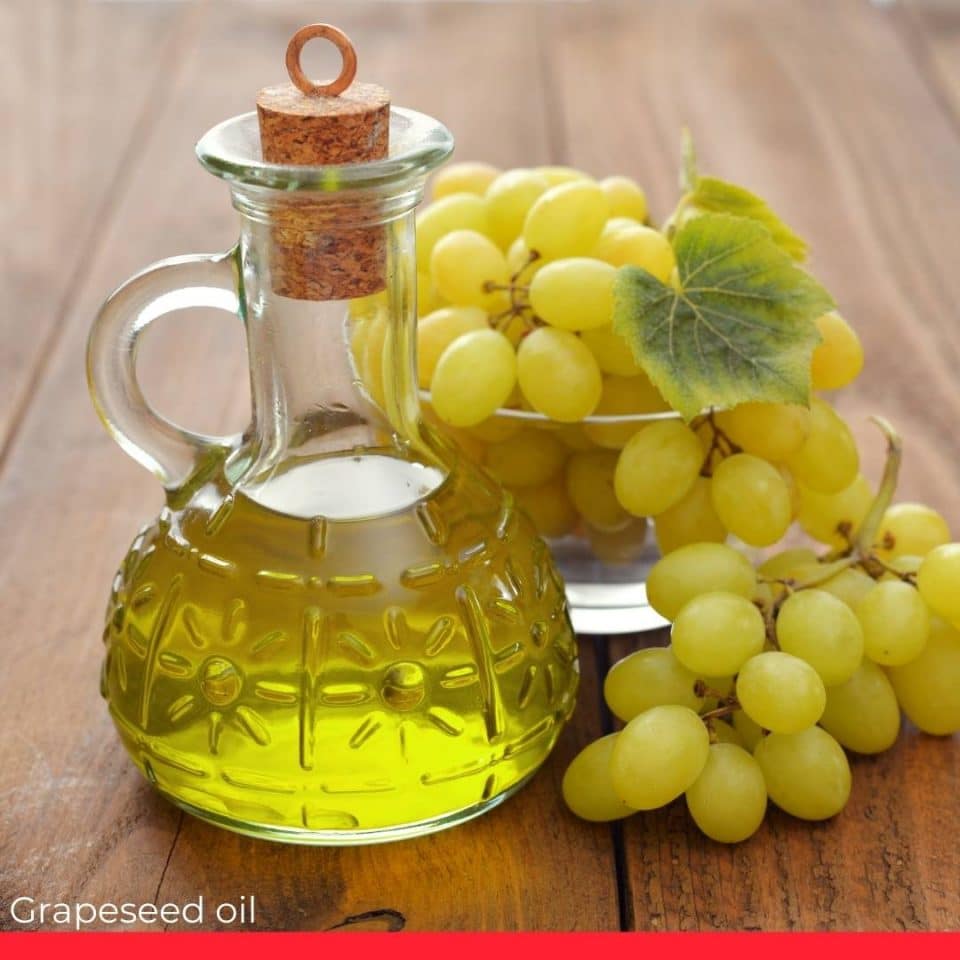
3. Grapeseed Oil
A sustainable byproduct of the winemaking industry, grapeseed oil is pressed from leftover wine grapes. With a smoke point around 215°C (420°F), it is versatile enough for moderate sautéing and frying. Its delicate texture and nearly imperceptible flavor make it an ideal base for homemade mayonnaise, vinaigrettes, and light drizzles where heavier fats would overpower delicate ingredients. Because it is rich in polyunsaturated fats, it has a relatively short shelf life once unsealed.
4. Canola and Rapeseed Oil
Canola is a specialized cultivar of rapeseed bred specifically to contain low levels of erucic-acid, making it safe and palatable for human consumption. Exhibiting a smoke point between 200°C and 230°C (400°F–450°F) and an entirely neutral flavor, canola oil serves as the default, cost-effective culinary oil in millions of domestic and industrial kitchens worldwide, performing reliably across frying, baking, and emulsion tasks.
5. Refined Sunflower Oil
As one of the world’s most widely traded vegetable oils, refined sunflower oil offers a high smoke point (225°C–230°C / 440°F–450°F) and a completely transparent flavor profile. Rich in vitamin E and linoleic acid, high-oleic variants are especially prized in industrial food processing for their oxidative stability under continuous heating. Unrefined variations, by contrast, feature a nutty flavor and a low smoke point suitable strictly for finishing.
6. Refined Peanut Oil
With a smoke point of roughly 230°C (450°F) and a clean, faintly nutty profile, refined peanut oil is the traditional medium for high-heat woks throughout East and Southeast Asia, as well as large-scale deep frying in the American South. Because rigorous refining removes virtually all residual peanut protein, most commercial refined peanut oils pose minimal allergic risks, though individuals with severe allergies must exercise caution.
7. Corn Oil
Extracted from corn germ, corn oil features a smoke point of 230°C (450°F) and a faint, sweet corn essence that dissipates under high heat. While largely eclipsed by canola and sunflower in domestic markets, it remains a standard commercial frying medium and the preferred oil for popping corn, where its residual sweetness complements the snack.
8. Rice Bran Oil
Derived from the nutrient-rich outer layer of rice grains discarded during milling, rice bran oil offers an impressive smoke point of 230°C to 250°C (450°F–480°F). Its neutral flavor, light texture, and high oxidative stability make it exceptionally well-suited for high-heat stir-frying, deep frying, and extended storage.
9. Untoasted Sesame Oil
Distinct from its aromatic toasted counterpart, light or untoasted sesame oil maintains a smoke point around 210°C (410°F) and a mild, clean nuttiness. It functions as an everyday cooking oil in Asian households, offering subtle depth without the overpowering intensity associated with toasted seed extractions.
Flavor and Finishing Oils
10. Extra Virgin Olive Oil
Obtained through mechanical extraction without chemical intervention, extra virgin olive oil (EVOO) varies dramatically based on olive cultivar, terroir, and harvest timing. Its flavor profile ranges from buttery and smooth to aggressively grassy, pungent, and bitter. While high-quality EVOO performs exceptionally well in everyday sautéeing and roasting, its distinct flavor and economic cost make refined oils more practical for heavy industrial frying.
11. Unrefined Coconut Oil
Virgin or unrefined coconut oil preserves the distinct fragrance and chemical composition of the fresh coconut fruit. Its low smoke point of approximately 175°C (350°F) precludes high-heat cooking, but it excels in baking, raw desserts, smoothies, and tropical culinary applications where its distinct profile is desired.
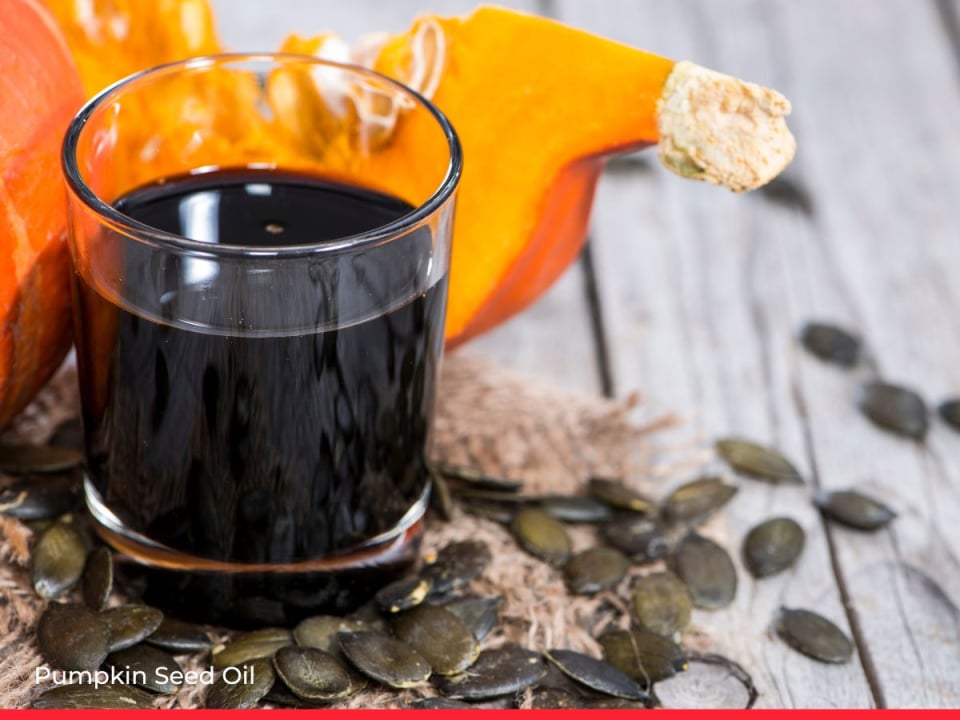
12. Pumpkin Seed Oil
Deep green to opaque black in appearance, authentic pumpkin seed oil—particularly Styrian varieties carrying protected geographical status from Austria and Slovenia—features a low smoke point of 160°C (320°F). Best utilized as a cold finishing oil, its rich, nutty flavor transforms traditional pumpkin soups, roasted vegetables, and vanilla ice cream.
13. Toasted Sesame Oil
Produced by pressing pre-roasted sesame seeds, this dark, intensely aromatic oil has a low smoke point of 170°C (340°F) and burns easily under intense heat. It acts strictly as a seasoning agent and finishing oil, adding profound depth to marinades, noodle dishes, and stir-fries across Chinese, Japanese, and Korean culinary traditions.
14. Walnut Oil
Characterized by a rich, complex, and slightly bitter nuttiness, walnut oil is strictly a finishing fat with a low smoke point of 160°C (320°F). It elevates bitter green salads, roasted root vegetables, and artisan cheeses. Because of its high polyunsaturated fat content, it oxidizes and turns rancid rapidly, necessitating strict refrigeration.
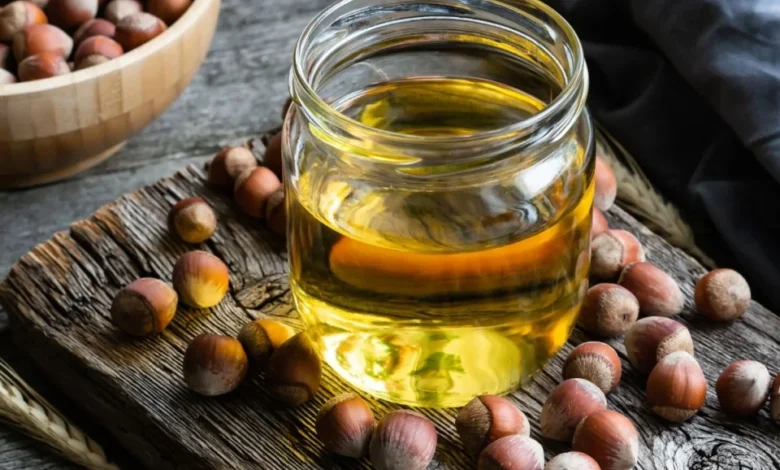
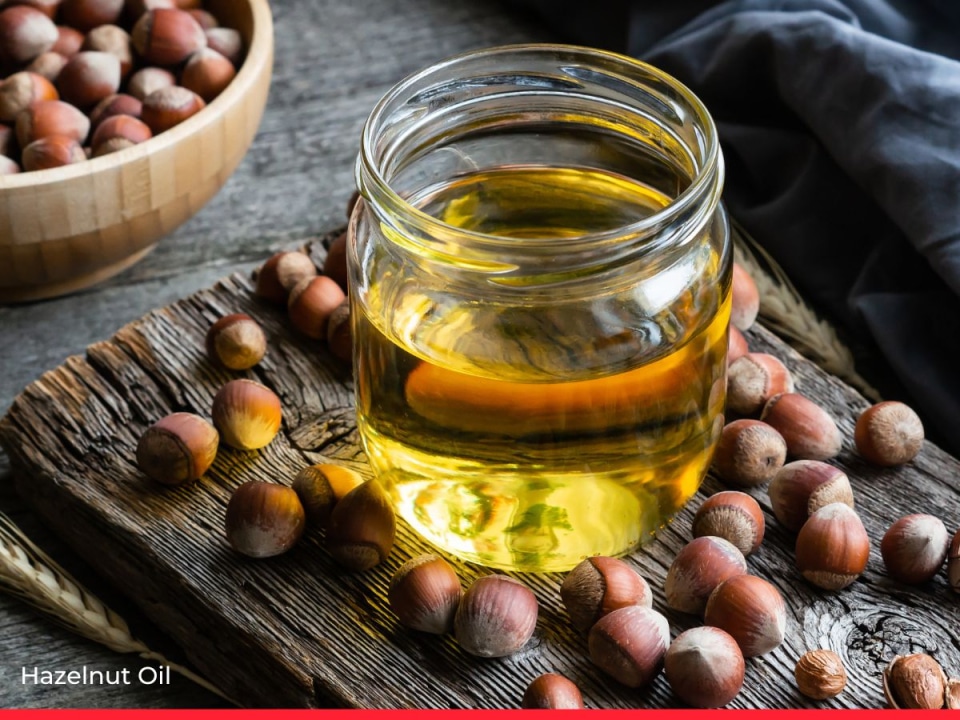
15. Hazelnut Oil
Offering a refined, gently sweet nuttiness, hazelnut oil pairs naturally with chocolate, pastry applications, and delicate vinaigrettes. While refined versions reach 220°C (430°F), culinary formulations are predominantly unrefined and best used cold over roasted vegetables or soft goat cheese.
16. Flaxseed Oil
Prized primarily for its exceptionally high concentration of plant-based omega-3 fatty acids, flaxseed oil has a very low smoke point of 107°C (225°F). It must be handled strictly as a cold nutritional supplement, incorporated into smoothies, yogurt, or dressings, and kept refrigerated to prevent rapid spoilage.

17. Culinary Argan Oil
Distinct from cosmetic formulations, food-grade argan oil is pressed from roasted argan kernels native to Morocco. Featuring a warm, nutty profile reminiscent of hazelnuts and sesame, it serves as a finishing condiment for couscous, tagines, and traditional amlou spreads.
Animal Fats
18. Butter
As the benchmark dairy fat of Western cuisine, butter consists of milk solids, water, and butterfat. Its low smoke point of 150°C (300°F) stems from the rapid burning of its milk solids. However, European-style high-fat butters (82%–84% fat) and clarified variations offer superior performance in laminated doughs, emulsions like hollandaise, and pan sauces.
19. Ghee
Ghee is slow-cooked, clarified butter from which all water and milk solids have been completely removed, leaving pure butterfat with a nutty, caramel profile. Its smoke point rises to roughly 250°C (480°F), making it an exceptionally stable high-heat fat central to South Asian culinary traditions.
20. Lard
Rendered pork fat—particularly premium leaf lard sourced from around the kidneys—is prized for its clean flavor, neutral character, and smoke point of 190°C (375°F). Bakers revere lard for creating exceptionally flaky pie crusts and tender pastries, while global cuisines utilize it for frying and savory roasting.
21. Duck Fat
Valued for its silky texture, savory depth, and gamey undertones, duck fat features a smoke point of 190°C (375°F). Beyond traditional French confit, its primary culinary utility lies in roasting potatoes to achieve an optimal crisp exterior.
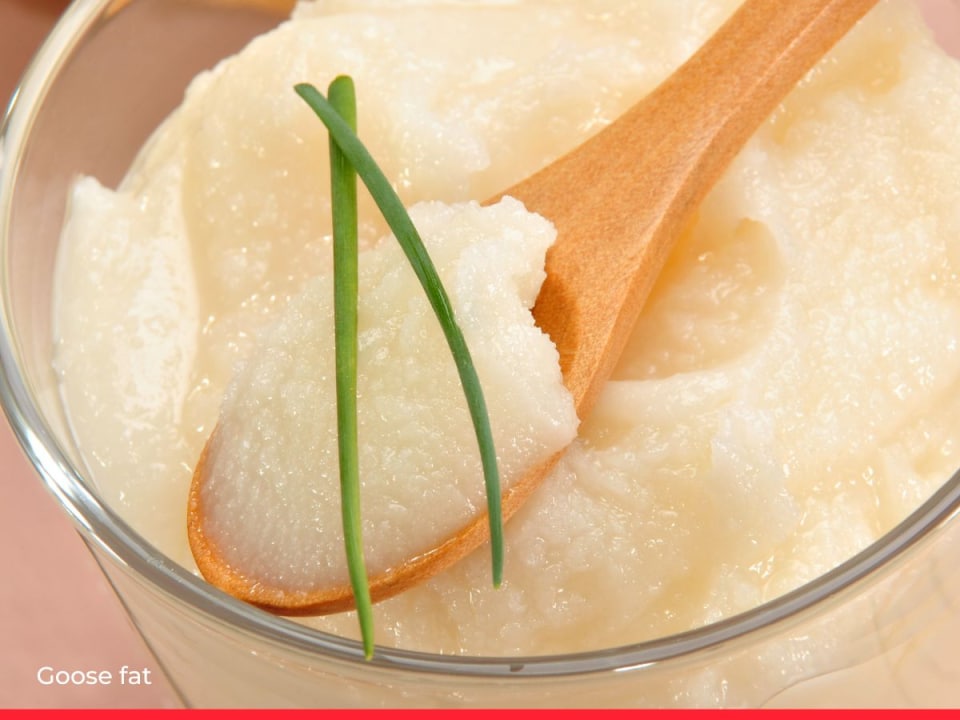
22. Goose Fat
A richer, more abundant equivalent to duck fat, goose fat shares a 190°C (375°F) smoke point and features prominently in Central and Eastern European roast poultry traditions, as well as traditional British holiday cooking.
23. Tallow
Rendered beef or mutton fat served as the original medium for classic commercial french fries, tallow boasts a high smoke point of 250°C (480°F). Solid at room temperature with a distinct, savory beef profile, it is heavily favored for high-heat frying and traditional British suet puddings.
24. Schmaltz
Rendered chicken fat, traditionally simmered with onions, schmaltz is a cornerstone of Ashkenazi Jewish cooking. With a smoke point of 190°C (375°F), it imparts a rich, comforting savory profile to matzah ball soup, chopped liver, and traditional pastries.
Specialty and Regional Oils
25. Red Palm Oil
Extracted from the oil palm fruit, red palm oil retains high concentrations of beta-carotene, giving it a vibrant orange-red hue and an earthy, polarizing flavor profile. It is a foundational ingredient in West African and Brazilian cuisines, vital to dishes such as jollof rice and moqueca.
26. Mustard Oil
Pressed from pungent mustard seeds, this oil features a sharp, aggressive raw profile that mellows significantly when heated to its 250°C (480°F) smoke point. Widely utilized in South Asia for frying and pickling, international regulatory agencies monitor its erucic-acid content, influencing its commercial availability.
27. Camellia Oil (Tea Seed Oil)
Harvested from the seeds of the tea plant (Camellia sinensis), camellia oil has a long East Asian history. With a 220°C (430°F) smoke point and a delicate, grassy profile, it rivals extra virgin olive oil in its versatility across cooking and finishing applications.
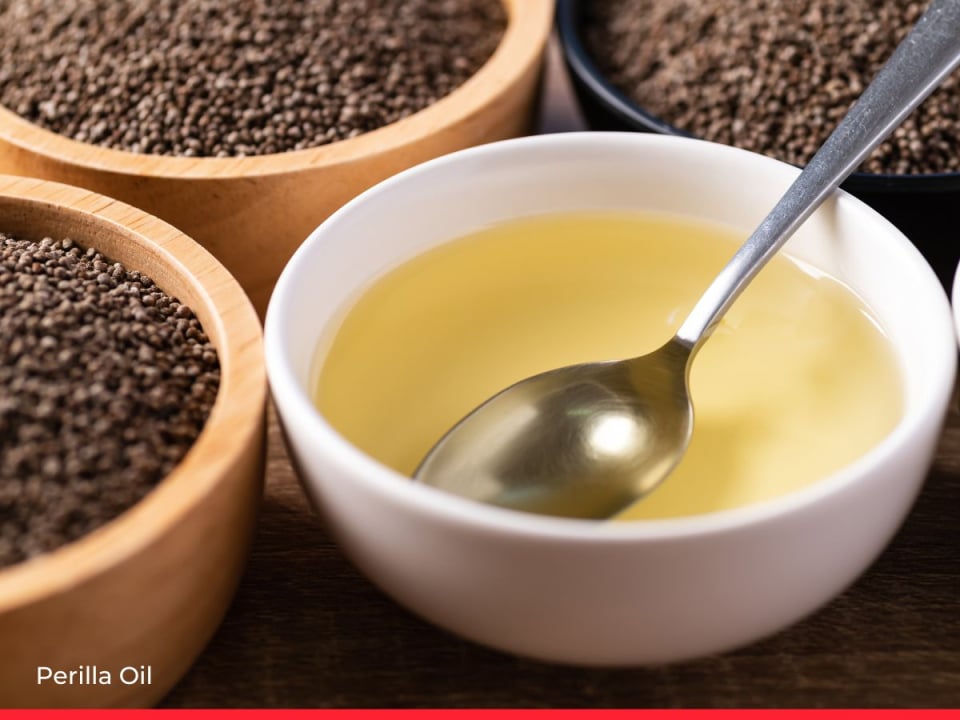
28. Perilla Oil
Exhibiting an intensely nutty and herbal aroma, perilla oil is pressed from the seeds of the perilla plant, a relative of shiso. With a low smoke point of 160°C (320°F), it is a defining ingredient in Korean cuisine, utilized in namul and finishing dressings. Culinary professionals note that incorporating high-quality perilla oil alongside traditional fermented pastes like gochujang and doenjang fundamentally elevates authentic Korean home cooking.