Comprehensive Global Guide to 15 Essential Varieties of Squash and Pumpkins for Culinary Excellence

The global culinary landscape features a remarkable diversity within the Cucurbitaceae family, encompassing winter squashes, pumpkins, and summer varieties that transform dramatically based on preparation techniques. Some squash cultivars achieve a silky texture when puréed, others develop a fluffy, potato-like consistency, and unique types yield distinct, noodle-like strands. Modern gastronomy recognizes that pumpkins belong directly to this broader squash family, with culinary-grade cultivars offering flavors and structures far superior to purely decorative seasonal gourds. Understanding these distinct varietal characteristics enables home cooks and professional chefs alike to select the ideal gourd for velvety soups, caramelized roasted wedges, savory grain dishes, and traditional artisanal baked goods.
Botanical and Agricultural Background of the Cucurbitaceae Family
Squash and pumpkins represent some of the oldest domesticated crops in the Americas, with archaeological evidence from Mesoamerica, the Andes, and the eastern woodlands of North America indicating cultivation dating back over 10,000 years. Indigenous peoples historically cultivated these plants alongside maize and climbing beans—a companion planting agricultural system famously known as the "Three Sisters." In this symbiotic ecosystem, squash leaves provide living mulch that retains soil moisture and suppresses weeds, while corn stalks offer structural support for beans, and beans fix vital nitrogen into the soil.
Over centuries of selective breeding by agriculturalists worldwide, hundreds of distinct cultivars emerged, adapting to diverse climates ranging from the cool, damp summers of Northern Europe to the arid conditions of the Middle East and the tropical environments of Asia. In contemporary commercial agriculture, the global market for winter and summer squash has expanded significantly, driven by a growing consumer preference for nutrient-dense, versatile heirloom vegetables. Agricultural economists note that autumn demand for culinary pumpkins and specialized winter squash peaks between October and December, though controlled-storage advancements now allow many varieties to remain viable in supply chains for months after harvest.
Winter Squash and Pumpkins: Characteristics, Profiles, and Applications

Winter squash varieties are characterized by their hard, protective outer rinds and mature seeds, which allow them to be stored for extended periods after harvest. Unlike their tender summer counterparts, winter squashes develop concentrated starches and sugars, yielding complex, sweet, and nutty flavor profiles when cooked.
- Butternut Squash
Best for: Soups, roasted wedges, curries, and stews.
Pairs well with: Sage, brown butter, warming spices, and aged cheeses.
Butternut squash stands as an essential all-round ingredient in modern kitchens, capable of seamlessly adapting to a wide array of cooking methods. Its pale beige skin conceals a vibrant orange flesh that is exceptionally smooth, sweet, and lightly nutty. Upon roasting, natural sugars caramelize along the edges, deepening the flavor profile. It blends readily into velvety bisques, but its structural integrity also allows it to be diced for robust curries and stews. Nutritionally, butternut squash is an abundant source of beta-carotene, Vitamin A, and dietary fiber, making it a staple in health-conscious menu planning. Culinary experts frequently pair it with earthy herbs like sage and browned butter to highlight its savory dimensions, while spices such as cinnamon, ginger, and nutmeg accentuate its inherent sweetness.

- Acorn Squash
Best for: Stuffed roasted halves.
Pairs well with: Wild rice, mushrooms, apples, pecans, thyme, and maple syrup.
Acorn squash secures its culinary niche through its ridged, lobed exterior and cavity size, which naturally form a single-serving vessel when cut in half. The flesh features a mild flavor profile and a slightly more fibrous texture compared to butternut, making it an ideal vehicle for hearty, savory stuffings rather than a dominant standalone flavor. Culinary professionals recommend filling roasted acorn squash halves with wild rice, sautéed mushrooms, sausage, apples, or grains. Cooks can pivot the dish toward a savory direction using rosemary and robust fungi, or enhance its natural sweetness with maple syrup, toasted pecans, and dried cranberries.
- Delicata Squash
Best for: Roasted rings, grain bowls, and autumn salads.
Pairs well with: Goat cheese, pomegranate, sage, brown butter, and bitter greens.
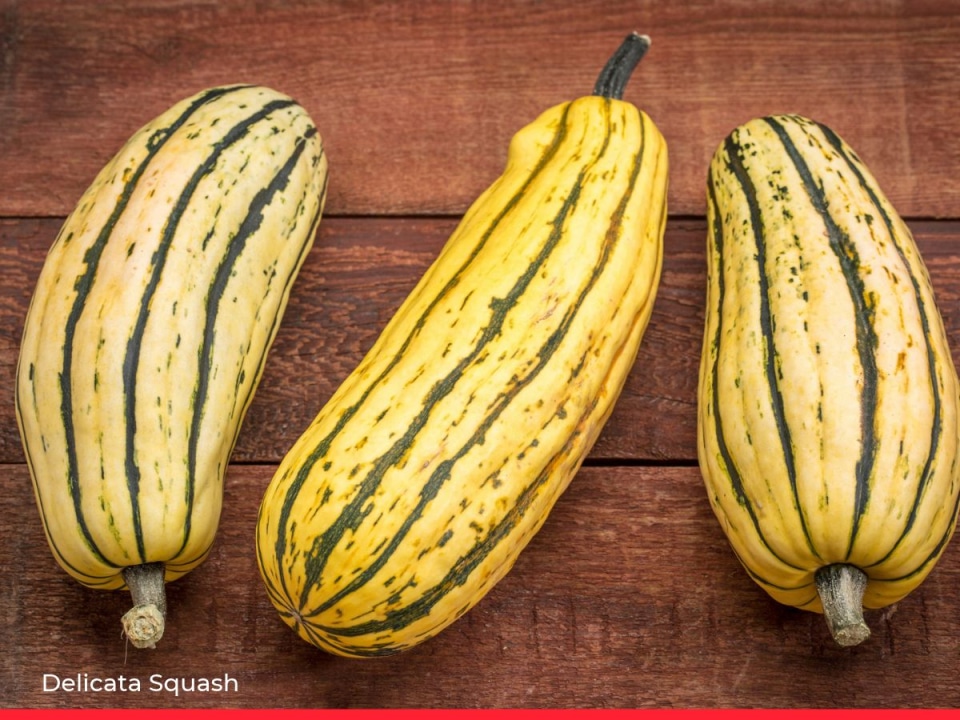
The primary advantage of delicata squash lies in its remarkably thin, edible skin, which completely eliminates the need for tedious peeling. This cylindrical, cream-colored squash with green stripes offers a sweet flavor reminiscent of sweet potatoes. When sliced into rings or half-moons and roasted at high temperatures, the edges crisp while the interior turns rich and creamy. Its sweetness provides an ideal contrast to sharp or bitter ingredients. Professional chefs frequently incorporate roasted delicata rings into grain bowls featuring arugula or pair them with tangy goat cheese and pomegranate arils for seasonal autumn salads.
- Kabocha Squash
Best for: Tempura, simmered dishes, and thick soups.
Pairs well with: Miso, dashi, sesame, soy sauce, and warming spices.
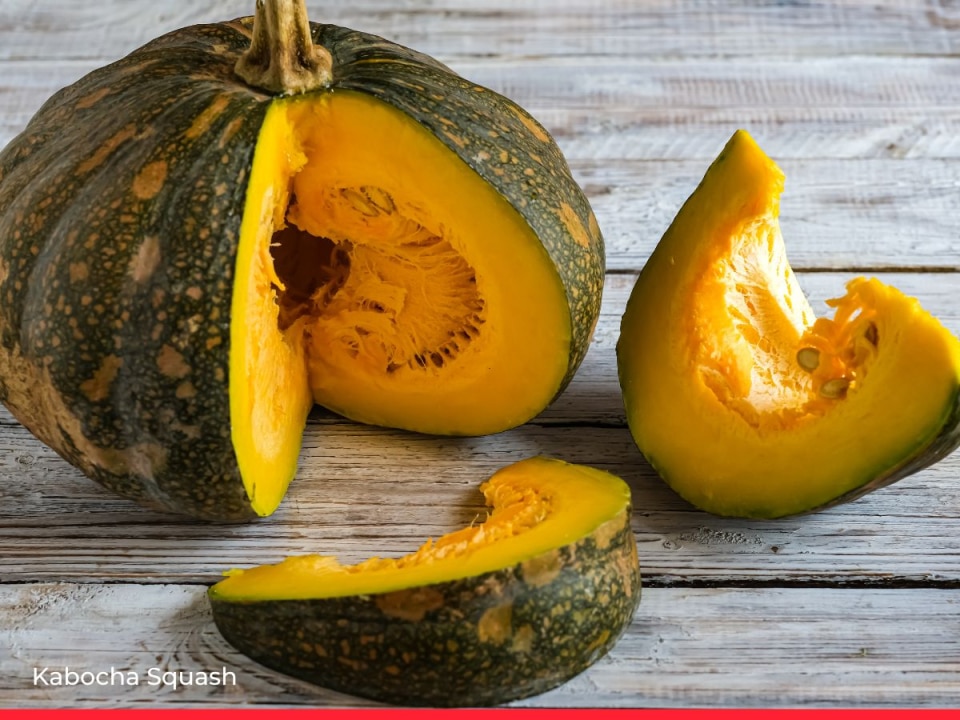
Kabocha squash distinguishes itself through a dense, dry, and starchy texture rather than overwhelming sweetness. Often referred to as Japanese pumpkin, its culinary profile bridges the gap between a sweet potato and a roasted chestnut. This unique structural density allows kabocha to perform exceptionally well in traditional Japanese applications such as tempura, where it maintains its shape without becoming mushy, and in simmered nimono dishes that absorb delicate dashi broths. Furthermore, its natural starch content enables the creation of naturally thickened, velvety soups without the addition of heavy cream. In traditional Japanese cooking, the nutrient-rich dark green skin is frequently left intact.
- Spaghetti Squash
Best for: Vegetable strands with flavorful toppings.
Pairs well with: Tomato sauce, pesto, brown butter, sage, and meat sauces.
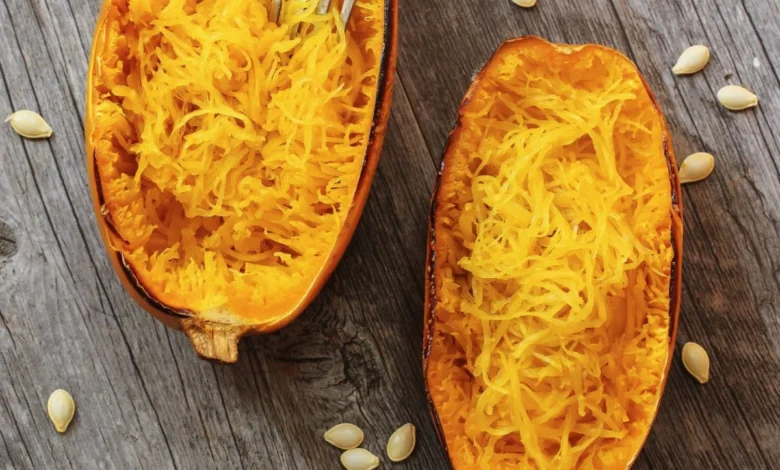
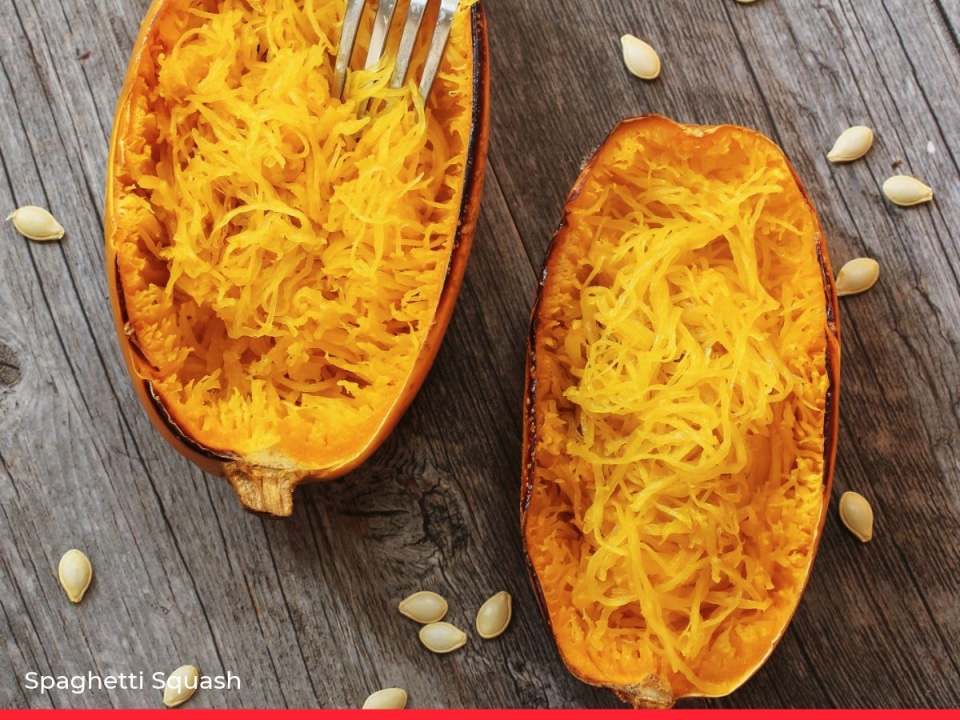
Spaghetti squash offers an entirely unique structural transformation during cooking. Once baked or steamed, the inner flesh easily separates using a fork into long, translucent, noodle-like strands with a mild flavor and slight resistance to the bite. Rather than serving as a direct structural substitute for traditional wheat pasta, culinary analysts view it as an independent vegetable base capable of carrying robust sauces. Classic pairings include marinara, aromatic herb pestos, and rich meat ragus. Because the cooked strands naturally retain significant moisture, professional kitchens emphasize the importance of allowing excess liquid to drain before incorporating heavy sauces.
- Hubbard Squash
Best for: Batch cooking, soups, purées, and pies.
Pairs well with: Brown butter, maple syrup, warming spices, and sharp cheese.
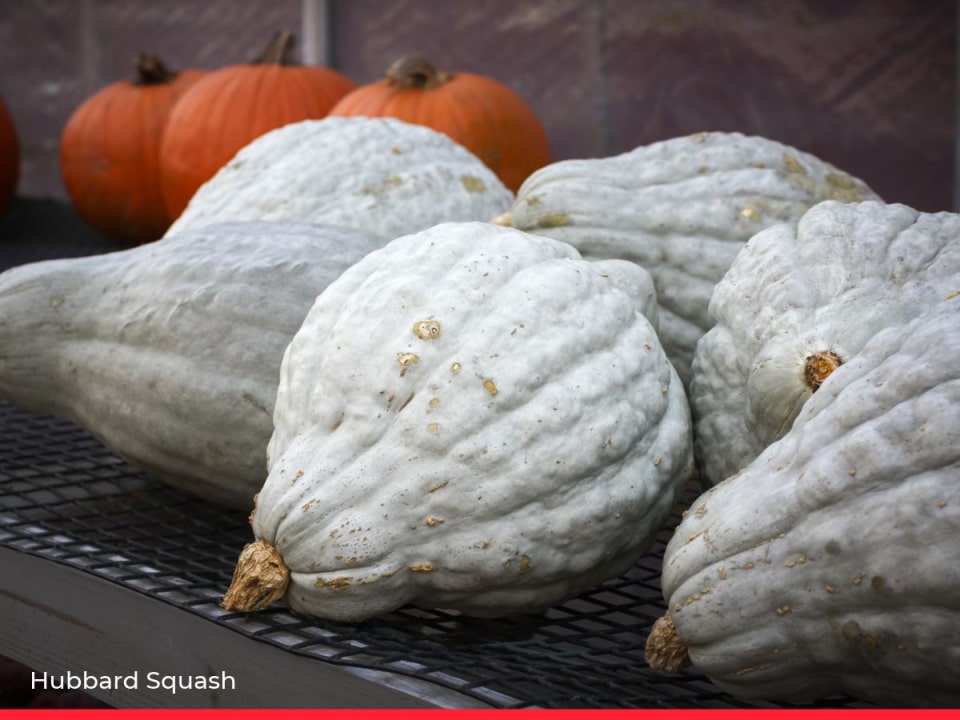
Hubbard squash is the preferred choice when preparing large-scale culinary batches, such as bulk soup production or large quantities of seasonal purée. Varieties such as the Blue Hubbard feature an exceptionally thick, hard shell that requires robust kitchen tools and careful handling to break down. Due to this formidable exterior, home cooks frequently purchase pre-cut wedges at specialty markets. Inside, the deep orange flesh is rich and sweet, lending itself well to roasting, long-simmered soups, and traditional baking applications where smooth, substantial body is required.
- Red Kuri Squash
Best for: Gratins, smooth soups, and roasted wedges.
Pairs well with: Chestnuts, thyme, cream, Gruyère, and nutmeg.
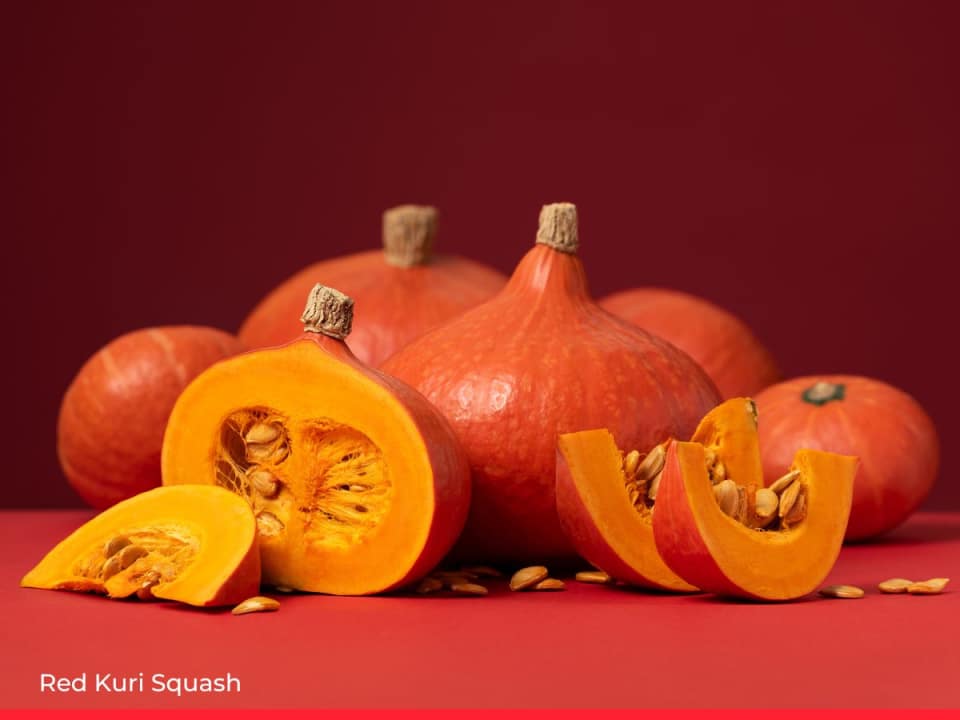
Characterized by its teardrop shape and vibrant red-orange skin, Red Kuri squash delivers a smooth, sweet flesh with a distinct, subtle chestnut flavor. Its edible skin softens completely during cooking, making it exceptionally practical for roasted wedges and quick-prepped purées. Red Kuri is a favored ingredient in European kitchens for seasonal gratins, where its dense flesh pairs harmoniously with fresh thyme, heavy cream, and melted Gruyère cheese.
- Honeynut Squash
Best for: Roasted halves and individual side dishes.
Pairs well with: Brown butter, miso, tahini, thyme, and rosemary.
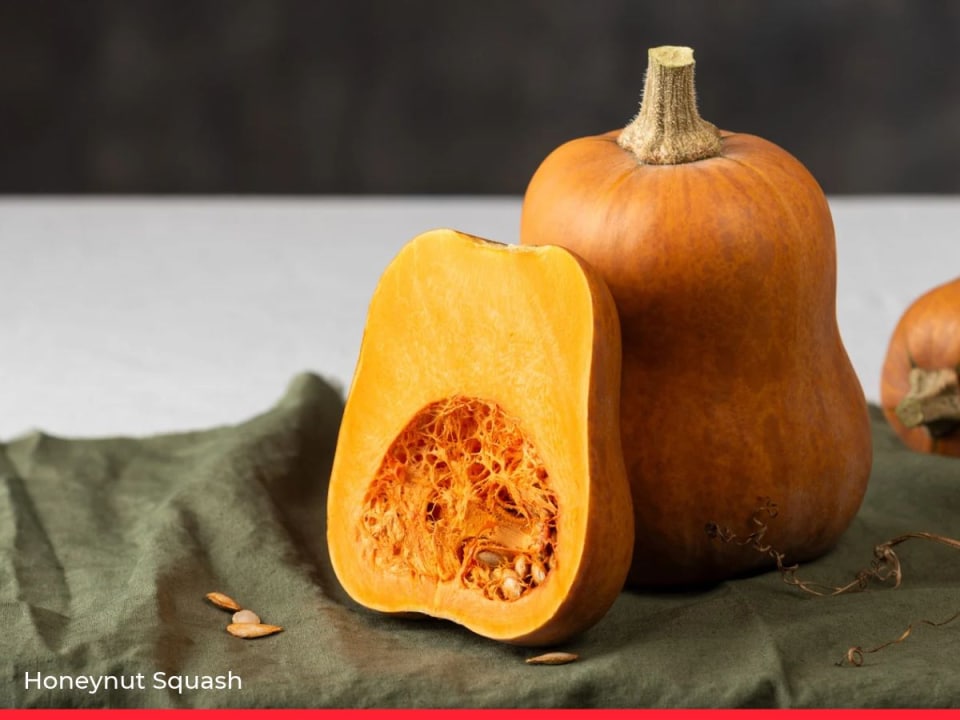
Developed specifically through selective breeding by agricultural researchers at Cornell University, honeynut squash was designed to offer a smaller, intensely sweet alternative to standard butternut squash. Its compact size makes it ideal for individual plating, where a roasted half serves as the centerpiece of a plated side dish rather than an anonymous pile of cubed vegetables. Roasting honeynut squash with its thin skin intact preserves its concentrated sugars. Chefs often finish the dish with brown butter, savory miso glazes, or tahini, balancing its intense sweetness with herbal notes of fresh thyme and rosemary.
- Sugar Pumpkin (Pie Pumpkin)
Best for: Pumpkin purées, pies, breads, and soups.
Pairs well with: Cinnamon, ginger, nutmeg, cloves, maple syrup, and cream.
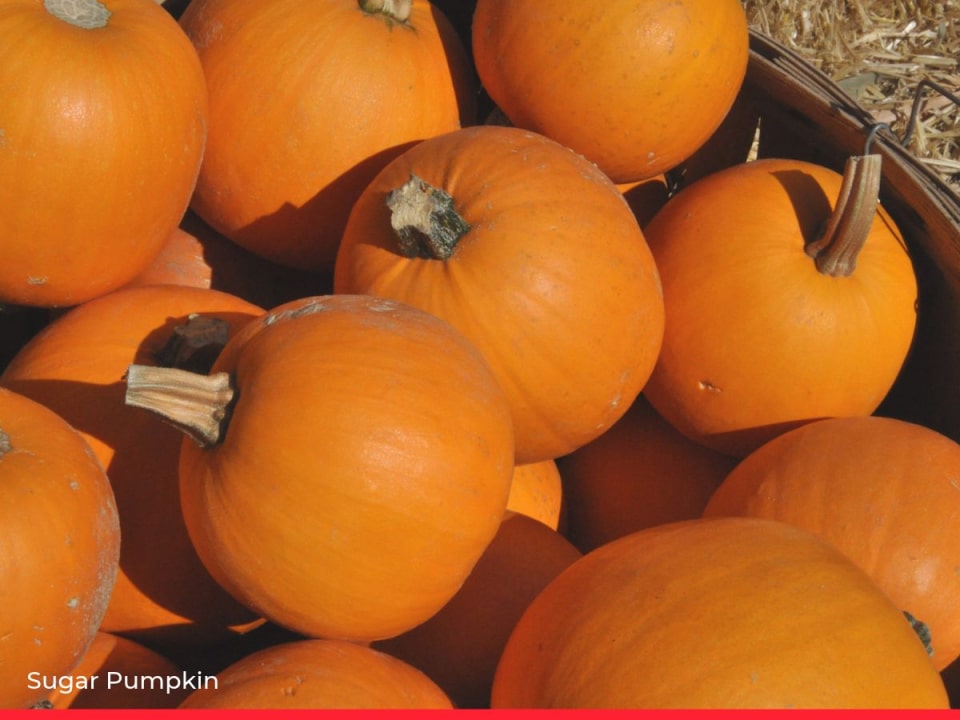
When pursuing authentic, scratch-made pumpkin purées, culinary professionals bypass oversized carving pumpkins in favor of small cooking pumpkins, commonly designated as sugar or pie pumpkins. These cultivars are specifically bred to possess higher sugar content, smoother textures, and significantly less internal water than ornamental varieties. The resulting purée serves as the structural foundation for artisanal pumpkin pies, quick breads, and seasonal bisques. The versatility of sugar pumpkins extends beyond desserts; roasted pumpkin flesh can also elevate savory preparations such as baked autumn risottos or spiced curries.
- Musquée de Provence
Best for: Gratins, soups, and slow-cooked dishes.
Pairs well with: Olive oil, garlic, thyme, cream, and aged cheeses.
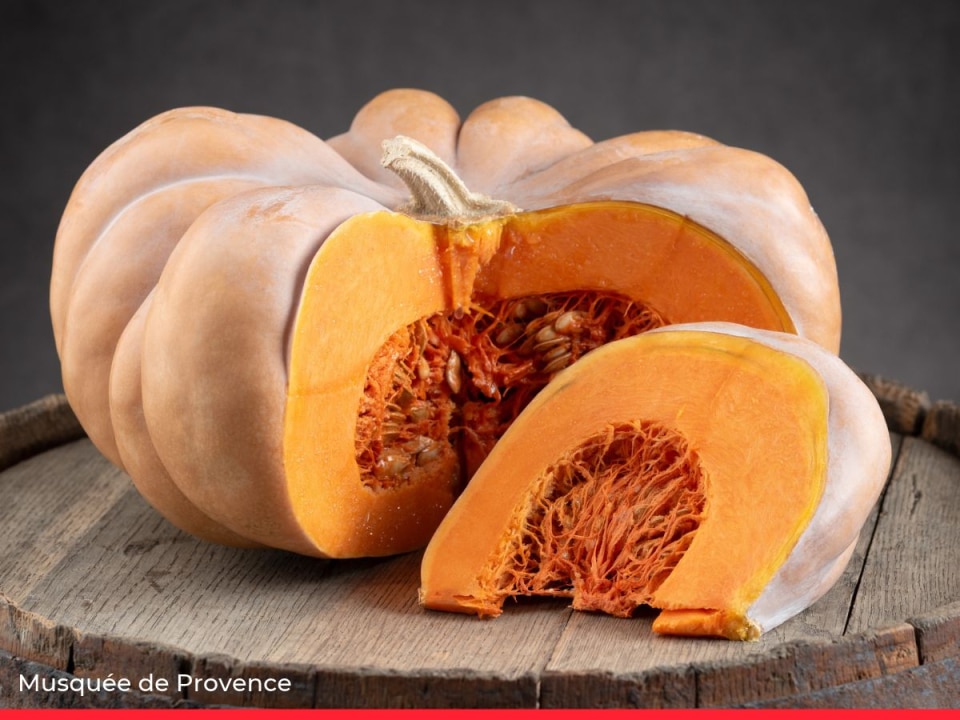
Originating as a celebrated French heirloom, Musquée de Provence is a magnificent, heavily ribbed pumpkin featuring a flattened shape, rich tan-to-terracotta skin, and deep orange flesh. It boasts a dense texture and complex sweetness that excels in slow-cooked savory applications. Given its considerable size, purchasing individual wedges is standard practice for most home cooks. The flesh reacts exceptionally well to long braising with extra-virgin olive oil, garlic, and fresh herbs, or incorporation into rich, aged-cheese gratins.
- Jarrahdale Pumpkin (Blue Pumpkin)
Best for: Roasted wedges, concentrated purées, soups, and pies.
Pairs well with: Brown butter, sage, cream, warming spices, and robust cheeses.
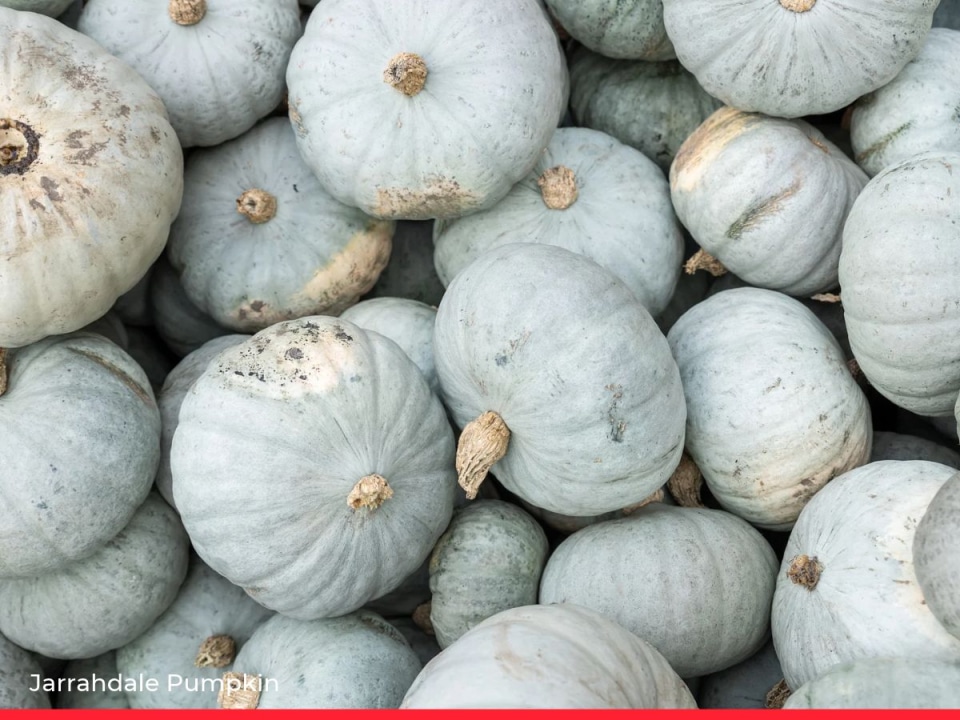
The Jarrahdale pumpkin, native to Australia, is immediately identifiable by its striking slate blue-grey ribbed exterior. Beneath the unusual rind lies a dry, dense orange flesh characterized by a sweet, earthy flavor profile. Because of its low moisture content, Jarrahdale maintains structural integrity exceptionally well when roasted in thick wedges and yields a concentrated, velvety purée without requiring extensive reduction. It serves as an excellent all-purpose autumn gourd for both sweet baking and savory roasting.
Summer Squash: Characteristics, Profiles, and Applications
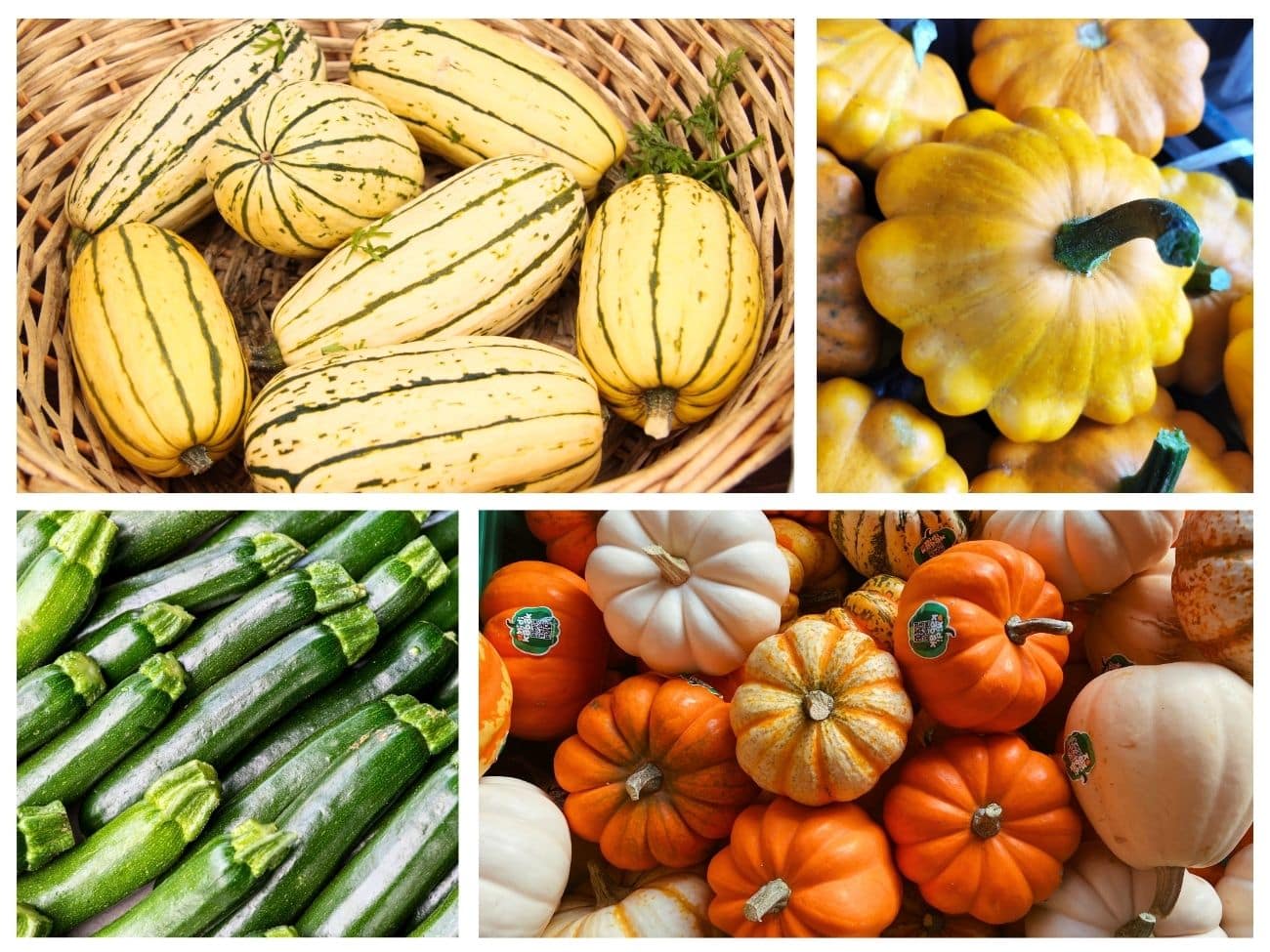
Summer squashes are harvested prematurely while their rinds are still tender and edible, and their seeds are soft. Unlike winter varieties, they possess high water content, delicate flavors, and minimal storage longevity, requiring prompt consumption after harvest.
- Zucchini
Best for: Grilling, sautéing, pasta, frittatas, and baking.
Pairs well with: Lemon, garlic, basil, Parmesan, and tomatoes.
Zucchini represents the ultimate versatile summer squash, featuring a mild profile that absorbs surrounding flavors while offering tender textures for rapid cooking methods. It can be sliced for high-heat grilling, sautéed for quick side dishes, or incorporated into savory frittatas, gnocchi doughs, and quick breads. Due to its high moisture content, culinary techniques often dictate salting and draining grated or sliced zucchini to prevent excess liquid from compromising finished dishes. Simple pairings of garlic, fresh lemon juice, basil, and grated Parmesan cheese highlight its garden-fresh character.
- Yellow Squash (Straightneck and Crookneck)
Best for: Quick vegetable sides, grilling, and summer vegetable mixes.
Pairs well with: Corn, tomatoes, basil, butter, feta, and lemon.
Yellow summer squash encompasses both straightneck and crookneck cultivars, categorized by their distinct shapes and occasional bumpy skin textures. Culinary applications for both varieties overlap considerably. They excel in quick-cooking preparations that preserve their gentle sweetness, such as light sautées with fresh butter, summer grilling alongside zucchini, or classic combinations with sweet corn and fresh tomatoes. Culinary experts advise selecting smaller, younger specimens to ensure tender skins and minimal seed development.
- Pattypan Squash
Best for: Stuffing, roasting, and grilling.
Pairs well with: Goat cheese, fresh herbs, lemon, breadcrumbs, and light cream sauces.
Pattypan squash is visually distinguished by its scalloped, flying-saucer silhouette and is available in yellow, white, and green color variations. Its tender flesh and delicate flavor lend themselves particularly well to roasting and whole-stuffing preparations. Rather than slicing them like traditional cylindrical zucchini, home cooks frequently hollow out individual pattypan squashes to fill them with seasoned breadcrumbs, fresh herbs, and soft goat cheese before baking.
- Cousa Squash
Best for: Stuffed squash and gently simmered preparations.
Pairs well with: Rice, lamb, tomatoes, allspice, cinnamon, pine nuts, and mint.
Cousa squash comprises a group of short, pale-green cultivars heavily utilized in Middle Eastern culinary traditions. Rather than representing a single heirloom plant, "cousa" describes a general type of squash valued for its thin skin and relatively firm, dense interior flesh. A signature global preparation utilizing this vegetable is kousa mahshi, wherein the squashes are carefully hollowed out and stuffed with a savory mixture of spiced minced meat, rice, and aromatic herbs, then gently simmered in a seasoned tomato broth. Their structural resilience ensures they hold their fillings intact while absorbing complex cooking liquids.

Industry Analysis and Market Implications
Nutritional scientists and agricultural market analysts observe that consumer awareness regarding heirloom produce has fundamentally shifted seasonal purchasing habits. The demand for specific culinary squash varieties—such as Honeynut, Delicata, and Kabocha—has surged over the past decade as home cooking trends increasingly prioritize ingredient-specific flavor profiles over generic vegetable categorization. Food industry experts project that continued interest in plant-forward dining and traditional global cuisines will further drive the commercial cultivation of diverse Cucurbitaceae varieties, ensuring that these nutrient-dense gourds remain culinary staples for both professional gastronomy and domestic kitchens.