Beyond the Side Plate: A Comprehensive Culinary Analysis of Global Salad Trends and Exceptional Recipes

The global culinary landscape has witnessed a profound transformation in how salads are conceptualized, moving far beyond the traditional role of a modest, passive side dish to command center stage as nutritionally complete, complex gastronomic experiences. Modern dietary shifts, driven by a growing emphasis on fresh, whole-food consumption, have elevated the salad from a perfunctory dietary obligation to a vibrant culinary art form. Recent industry analysis indicates that consumer demand for inventive, texturally diverse, and globally inspired vegetable- and grain-forward dishes has surged significantly over the past decade, reflecting broader cultural movements toward health-conscious yet deeply satisfying dining. This comprehensive report explores a curated collection of exceptional salad recipes that redefine everyday cooking, merging the crisp freshness of seasonal produce with global flavor profiles ranging from the sun-drenched shores of the Mediterranean to the bustling street-food markets of Southeast Asia.
The Evolution of the Modern Salad: From Side to Center Stage
Historically, the Western concept of a salad was rigidly defined: iceberg lettuce, watery tomatoes, and a bottled dressing, serving merely as a precursor to a heavier main course. However, culinary historians and nutritionists point to a convergence of globalization, agricultural advances, and changing lifestyle demands as catalysts for the reinvention of the salad. Today’s consumer expects a dish that satisfies multiple sensory dimensions—offering a balance of crunch, creaminess, acidity, and umami—while remaining adaptable to both quick weekday lunches and sophisticated dinner parties.

Market research within the culinary sector underscores this shift. Salads that incorporate protein sources, such as seafood, poultry, or artisan cheeses, alongside robust grains and innovative dressings, have seen a steady rise in popularity. This evolution aligns with dietary guidelines recommending increased daily intake of fiber-rich vegetables, healthy fats, and lean proteins. By examining a cross-section of global recipes, home cooks and professional chefs alike can observe how traditional ingredients are continuously reimagined to meet contemporary tastes.
The Mediterranean Influence: Sun-Drenched Classics and Innovative Twists

The Mediterranean diet has long been heralded by nutritional scientists for its heart-healthy fats, abundant fresh produce, and balanced macronutrient profile. Several standout recipes embody these enduring principles while introducing modern twists that elevate standard preparation methods.
Traditional Greek Salad with Feta Cheese
At the foundational core of Mediterranean cuisine is the classic Greek salad, locally known as horiatiki. Devoid of leafy greens, this traditional dish relies on the pristine quality of vine-ripened tomatoes, crisp cucumbers, sliced red onions, Kalamata olives, and a substantial slab of authentic feta cheese, dressed simply with extra-virgin olive oil and oregano. Culinary experts note that the success of this dish depends entirely on ingredient seasonality; ripe summer tomatoes absorb the olive oil and salt, creating a natural emulsified juice at the bottom of the bowl that is traditionally scooped up with crusty artisanal bread.
Greek Pasta Salad
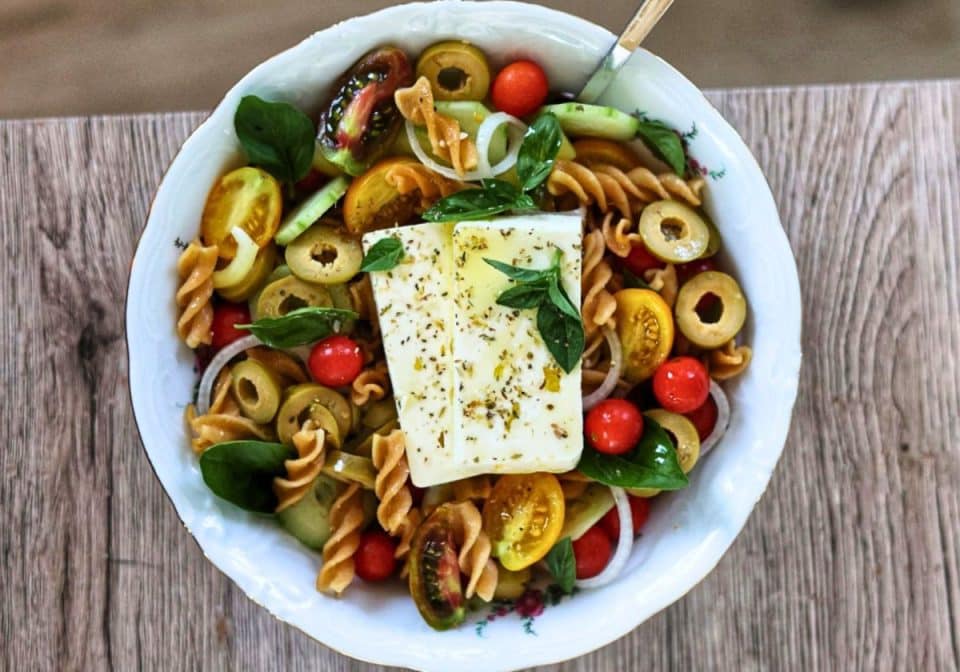
Bridging the gap between a classic vegetable salad and a more substantial comforting dish, the Greek pasta salad infuses Mediterranean flavor profiles into a robust pasta base. By utilizing sturdy shapes such as penne or rotini, the dish effectively holds briny olives, feta crumbles, and an herb-infused vinaigrette. According to culinary analysts, pasta salads remain a staple of community gatherings and warm-weather catering due to their structural integrity; unlike delicate greens, sturdy pasta marinating in acidic dressings often improves in flavor after resting overnight in refrigeration.
Mediterranean Salad with Roasted Potatoes
Challenging the conventional paradigm that salads must be served cold and crisp, the Mediterranean salad featuring roasted potatoes introduces contrasting temperatures and textures. By incorporating air-fried or oven-roasted potatoes with crisp edges alongside cool Mediterranean staples like feta, Kalamata olives, and fresh dill, this dish offers a hearty alternative that satisfies diners seeking a more substantial meal without sacrificing vibrant herbal notes.

Mediterranean Bean Salad and Politiki Salad
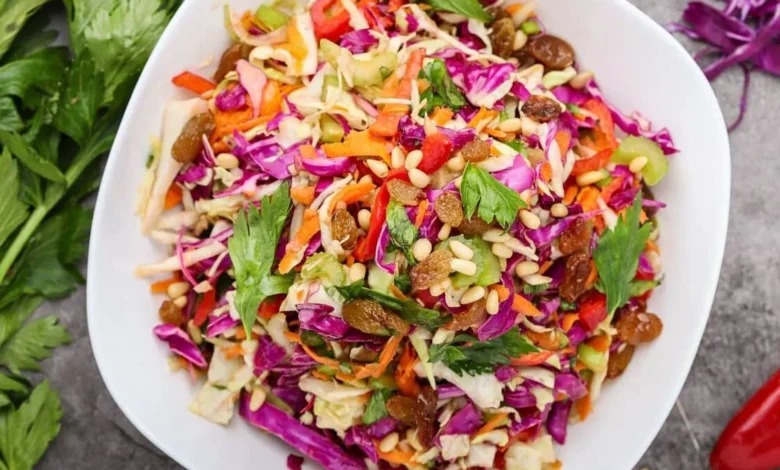
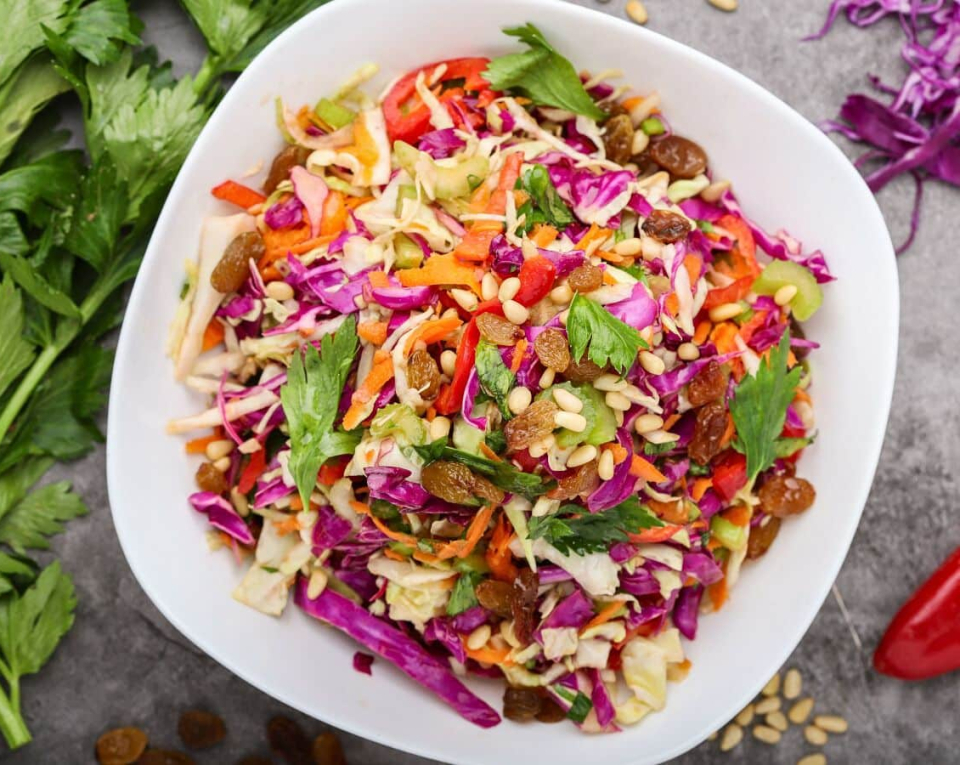
Legumes form the backbone of sustainable, protein-rich diets across Southern Europe. The Mediterranean bean salad capitalizes on pantry staples, transforming canned or dried beans into a vibrant, high-fiber dish suitable for large gatherings or meal-prepping. Similarly, the Greek cabbage and carrot salad, known as Politiki salata, highlights the culinary utility of brassicas. Finely shredded cabbage provides an enduring crunch that withstands robust dressings, making it an exceptional accompaniment to heavy grilled meats and a reliable refrigerator staple for structured meal planning.
Traditional Turkish Çoban Salata (Shepherd’s Salad)
Originating from Turkish culinary traditions, Çoban salata is a masterclass in knife work and simplicity. Finely diced tomatoes, cucumbers, green peppers, and onions are tossed with a bright dressing of lemon juice and olive oil, often finished with fresh parsley. The meticulous dicing allows every spoonful to capture a balanced proportion of each component, making it an indispensable palate cleanser alongside rich kebabs and grilled proteins.
East European Comforts: The Enduring Appeal of Potato and Egg Combinations
Eastern European culinary traditions offer hearty, practical salads that have sustained generations through long winters and festive community gatherings alike.

Oriental Salad: Romanian Potato and Egg Salad
Despite its geographic misnomer in local nomenclature, the Romanian "Oriental salad" is a beloved regional classic centered around boiled potatoes, hard-boiled eggs, onions, and cured olives, bound by a sharp, tangy dressing. Culinary historians observe that potato-based salads across Eastern Europe serve an essential economic and nutritional function, providing sustained energy and utilizing readily available agricultural yields. Eaten as a standalone lunch with rustic bread or served alongside roasted meats, it remains a testament to the power of humble ingredients.
The Art of Contrast: Fruit, Cheese, and Gourmet Proteins
Modern gastronomy frequently explores the interplay between sweet and savory flavor profiles. Several sophisticated recipes demonstrate how high-end ingredients can transform a basic bowl of greens into an unforgettable dining centerpiece.
Watermelon and Feta Salad
The juxtaposition of sweet, juicy summer watermelon with the sharp, saline bite of feta cheese is a textbook example of flavor pairing science. Enhanced with crisp vegetables and fresh aromatic herbs, this dish provides instant hydration and cooling relief during high ambient temperatures, explaining its ubiquitous presence at seasonal outdoor barbecues.

Smoked Duck Salad with Feta and Blackberry Sauce
Elevating the salad format into haute cuisine, the smoked duck breast salad utilizes rich, smoky poultry paired with crumbly feta and a tart blackberry reduction. Food critics note that fruit-based vinaigrettes and reductions cut through the natural richness of poultry fats, offering a sophisticated flavor profile suitable for formal dinner party starters or elegant entrée courses.
Apple Gorgonzola Salad with Blackberry Vinaigrette
Following a similar philosophy of balanced contrasts, the apple, walnut, and gorgonzola salad relies on the crisp tartness of fresh apples, the earthy crunch of walnuts, and the pungent complexity of blue cheese. Tied together with a blackberry vinaigrette, this formulation delivers a symphony of sweet, salty, and sharp sensations that linger pleasantly on the palate.
Burrata on Summer Salad with Honey
The inclusion of burrata—an Italian cheese consisting of mozzarella and cream—has revolutionized contemporary restaurant menus. Placed atop a bed of fresh summer greens and vegetables, then drizzled with honey and crunchy toppings, burrata ruptures upon serving to create a rich, velvety dressing that coats the surrounding produce, offering an indulgent yet effortlessly prepared dining experience.
Seafood and Poultry Innovations: Freshness Meets Substance
For diners seeking high protein content without the weight of red meat, seafood and poultry-based salads provide an ideal nutritional balance.
Chimichurri and Shrimp Salad and Shrimp Pasta Salad
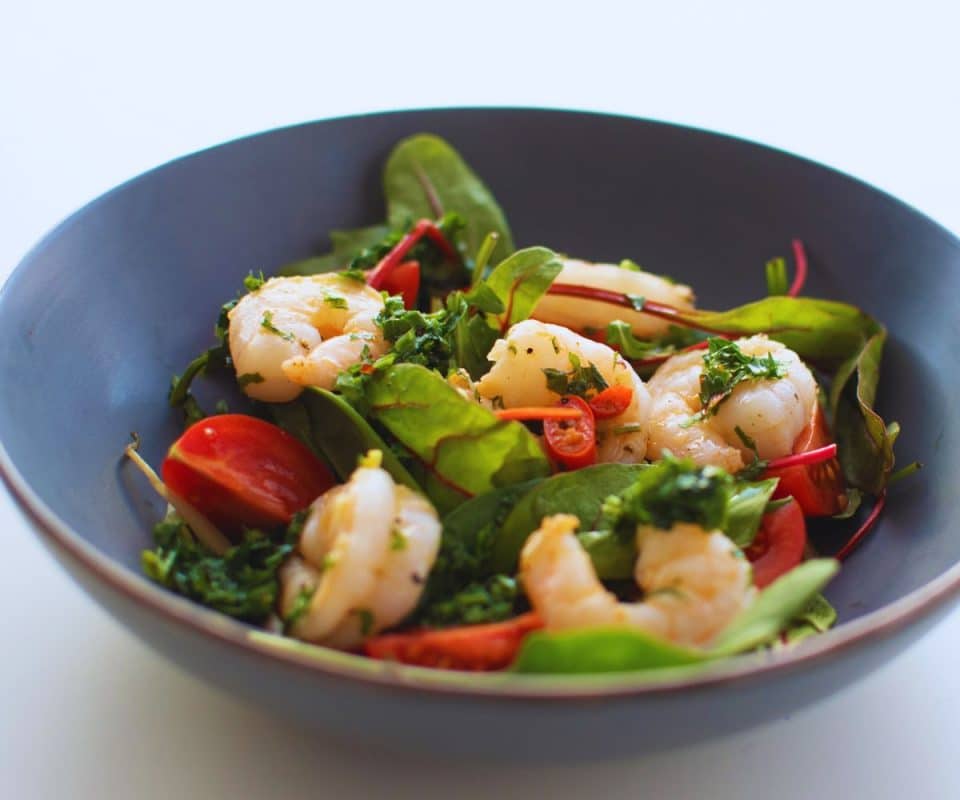
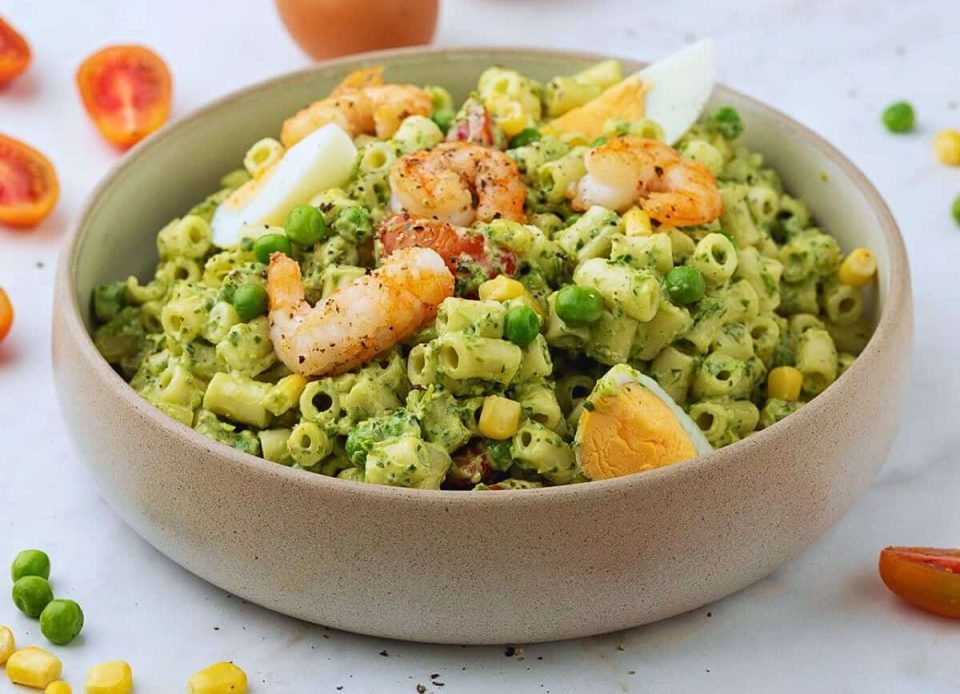
Shellfish cooks rapidly, making shrimp an ideal protein for swift, weeknight culinary execution. The chimichurri and shrimp salad infuses South American herbaceous vibrancy into tender crustaceans, while the shrimp pasta salad offers a chilled, crowd-pleasing option that marries maritime flavors with comforting carbohydrates. Both dishes reflect a growing consumer preference for lean seafood incorporated into vegetable-forward formats.

Curry Chicken Salad with Celery
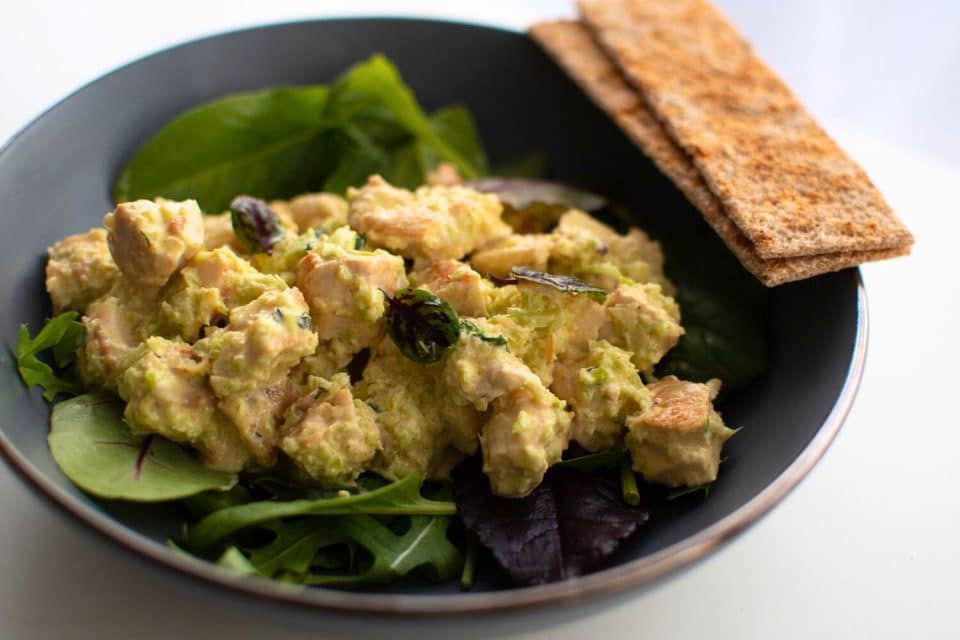
A timeless classic updated for modern palates, the curry chicken salad utilizes aromatic spices, Greek yogurt or mayonnaise, and the sharp crunch of diced celery to reinvent standard poultry preparation. Highly versatile, it transitions seamlessly from a standalone bowl to a high-protein filling for sandwiches and wraps, maintaining its appeal in fast-paced domestic environments.
Global Horizons: The Spicy Crunch of Southeast Asia

Expanding beyond European and Mediterranean borders, international salad traditions offer bold sensory awakenings that challenge Western culinary norms.
Thai Green Papaya Salad (Som Tam)
Som tam is an iconic pillar of Thai street food, renowned for its complex equilibrium of five fundamental tastes: sour, chili-hot, salty, savory, and sweet. Utilizing unripe, green papaya shredded into crisp ribbons, the salad is traditionally pounded in a mortar and pestle with lime juice, fish sauce, palm sugar, chilies, and peanuts. Nutritional and anthropological studies highlight how unripe papaya provides digestive enzymes and an intensely crunchy texture that absorbs the aggressive dressing without becoming soggy. Food critics universally acknowledge som tam as a dish capable of instantly revitalizing the palate, leaving a lasting impression on diners long after the meal concludes.

The Rise of Plant-Based Innovation: Grilled Brassicas
Grilled Brussels Sprout Salad with Walnuts, Prosciutto, and Parmesan
Reimagining vegetables through high-heat cooking methods has unlocked entirely new dimensions of flavor. By charring Brussels sprouts on a grill or in a cast-iron skillet, their natural sulfurous compounds recede, replaced by a nutty, caramelized sweetness. Combined with toasted walnuts, savory ribbons of prosciutto, and shaved parmesan, this warm salad redefines the boundaries of what constitutes a green side dish, offering a comforting, deeply layered culinary experience that bridges the gap between roasted vegetable platters and crisp raw salads.

Conclusion: The Future of Home Salad Preparation
As home cooking continues to prioritize efficiency, nutritional density, and global exploration, the featured recipes demonstrate that salads require neither monotony nor excessive labor to achieve greatness. Whether utilizing the rapid 5-minute preparation of a sesame carrot salad or investing time in a complex Thai som tam, the modern culinary consumer is empowered to transform everyday dining into an exploration of global flavors. By understanding the underlying mechanics of texture, acid-fat balance, and ingredient synergy, cooks can continually reinvent the humble salad, ensuring it remains a dynamic and cherished cornerstone of modern gastronomy.