Beyond the Traditional Pie: A Comprehensive Guide to Seasonal Pumpkin Culinary Innovation

As the autumn season descends, the culinary world shifts its focus toward one of the most recognizable symbols of North American harvest: the pumpkin. While the traditional pumpkin pie has long occupied a central role in seasonal celebrations, recent trends in professional and home baking indicate a significant diversification of pumpkin-based applications. Culinary experts and pastry chefs are increasingly moving beyond the classic custard-filled pastry to explore the versatility of the cucurbita pepo in various formats, ranging from sheet cakes and scones to sophisticated, no-bake desserts.
The Evolution of Seasonal Baking Trends
The pumpkin industry, which plays a vital role in the agricultural economies of states like Illinois, Indiana, and Ohio, has seen a steady increase in demand for processed pumpkin products. According to data from the United States Department of Agriculture (USDA), the production of pumpkins for processing remains a consistent market, though consumer preferences have shifted significantly over the past decade.
Historically, the demand for pumpkin was largely constrained to the final quarter of the calendar year, primarily driven by the holiday baking cycle. However, market research suggests a "lengthening" of the pumpkin season, beginning in late August and extending through the winter months. This expansion is supported by the availability of canned pumpkin puree, which allows for consistent quality and convenience for bakers who wish to incorporate the ingredient into year-round breakfast items, such as muffins and breads, as well as complex desserts.

Categorizing Modern Pumpkin Applications
The current landscape of pumpkin-infused baking can be categorized into four distinct pillars: structural baked goods, handheld pastries, traditional-adjacent desserts, and advanced culinary projects.
Structural Baked Goods: Cakes and Breads
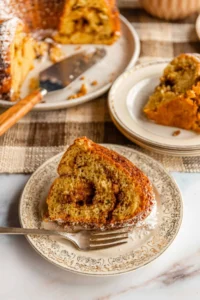
For large-scale gatherings, the preference for efficiency has led to the popularity of sheet-style cakes. The brown butter pumpkin Texas sheet cake is a prime example of this trend. By utilizing brown butter—a technique that involves cooking milk solids in butter until they reach a nutty, aromatic state—bakers can deepen the flavor profile of the pumpkin, which is otherwise relatively mild. For daily consumption, nutrient-dense muffins and moist loaves remain the industry standard for grab-and-go options. These items emphasize texture and shelf stability, with many recipes incorporating nuts like walnuts or pecans to provide a necessary contrast to the soft, dense crumb of the pumpkin base.

Handheld Pastries: Cookies and Scones
The segment of cookies and scones represents the intersection of convenience and comfort. The development of "soft-baked" pumpkin cookies, often featuring chocolate chips, mimics the texture of a cake while maintaining the portability of a cookie. Similarly, the evolution of the pumpkin scone, finished with specialized glazes such as brown butter or maple, has elevated the item from a simple breakfast accompaniment to a gourmet bakery staple. These products reflect a broader trend of "premiumization" in home baking, where simple recipes are enhanced with high-quality finishing glazes.
Traditional-Adjacent Desserts: Bars and Pies
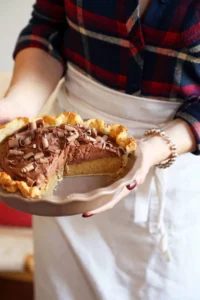
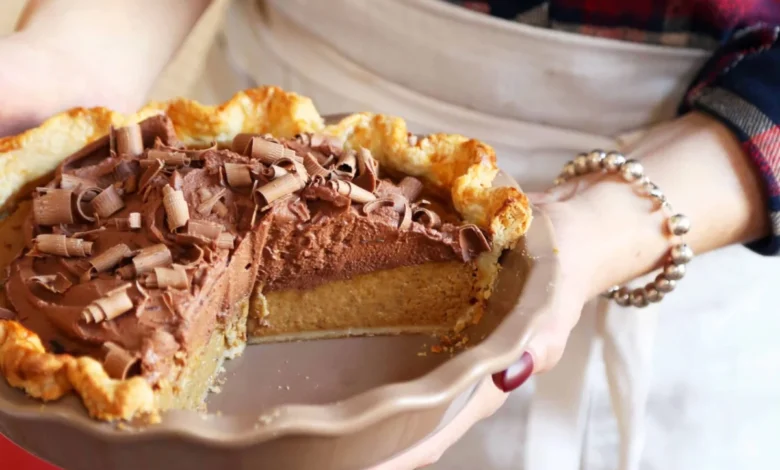
While the classic pie remains an cultural institution, there is a distinct move toward deconstruction. Pumpkin pie bars, for instance, offer a structural solution to the fragility of traditional custard pies. By baking the mixture in a square pan with a firmer crust, the dessert becomes easier to portion and serve, making it more viable for large-scale catering and social events. Furthermore, the inclusion of nontraditional toppings, such as chocolate-infused whipped cream, highlights an ongoing effort to update legacy recipes for modern palates that prefer complex, layered flavor profiles.

Advanced Culinary Projects: The No-Bake and Custard Frontier
At the more technical end of the spectrum, professional-grade recipes have entered the home kitchen. The pumpkin spice tiramisu represents a synthesis of Italian dessert tradition and seasonal American ingredients. By substituting the traditional mascarpone-coffee pairing with a spiced pumpkin profile, bakers can achieve a sophisticated result without the need for oven time. Conversely, regional specialties like the Louisiana pumpkin tarte a la bouillie—a custard-based pie—require more technical skill, emphasizing the shift toward honoring historical and regional culinary heritage in contemporary baking.
Economic and Market Implications
The proliferation of these diverse pumpkin recipes has profound implications for the retail and agricultural sectors. The supply chain for pumpkin-based products is highly sensitive to weather conditions; excessive rainfall or drought in the primary growing regions can lead to price volatility for processed pumpkin puree. Despite this, the consistent popularity of pumpkin-based goods acts as a stabilizer for the agricultural sector during the post-harvest period.

Market analysts note that the rise of social media-driven baking trends has accelerated the adoption of new recipes. When professional bakers or food influencers demonstrate new ways to utilize a singular ingredient, the resulting demand is often reflected in retail purchasing patterns. The shift from "pie-only" to a "total-utilization" mindset regarding pumpkins allows for less food waste, as smaller quantities of puree can be efficiently incorporated into muffins or cookies rather than being discarded after a single holiday event.
Chronology of Seasonal Integration
- Late August: Early-season harvest begins, with consumers and commercial bakeries starting to introduce light pumpkin flavors, typically in the form of coffee-based drinks and quick-breads.
- September: A transitional phase where muffins, scones, and cookies become prominent in retail displays as the market prepares for the peak demand period.
- October: The height of the seasonal demand, characterized by the introduction of large-format desserts like sheet cakes and complex projects intended for social gatherings.
- November: The traditional peak for pie-based desserts, though this is increasingly supplemented by "modern" alternatives like bars and no-bake desserts for those seeking variety in Thanksgiving menus.
- December: A period of "post-holiday" refinement, where leftover or stockpiled pumpkin puree is used in long-lasting loaves and seasonal treats that bridge the gap into the new year.
The Role of Technical Innovation in Home Baking
A critical component of this culinary trend is the accessibility of advanced techniques to the amateur baker. Information dissemination through digital platforms has allowed for the democratization of skills such as brown butter preparation, proper custard setting, and the creation of mirror-glazes for cookies. These technical improvements have essentially raised the baseline for home-baked goods, forcing commercial entities to compete by offering increasingly unique or artisanal variations on traditional themes.

Future Projections
Looking ahead, industry experts anticipate that the next phase of pumpkin innovation will focus on dietary inclusivity. The demand for gluten-free, vegan, and lower-sugar pumpkin desserts is currently outpacing the availability of these products in the commercial sector. Consequently, the next wave of recipe development is expected to prioritize these health-conscious modifications without sacrificing the moisture and texture that define high-quality pumpkin desserts.
Furthermore, as global trade patterns continue to evolve, the integration of international spices—beyond the standard cinnamon, nutmeg, and clove—will likely play a role in how pumpkin is perceived. Techniques such as adding cardamom, star anise, or even savory elements like miso to pumpkin fillings are already beginning to emerge in experimental kitchens, signaling a future where the definition of a "pumpkin dessert" continues to expand significantly.

In conclusion, the pumpkin remains a cornerstone of seasonal baking, yet its identity has evolved from a single-use ingredient to a versatile component of a diverse culinary repertoire. Through the combination of traditional techniques, such as custard-based baking, and modern innovations like the no-bake tiramisu, the modern baker is better equipped than ever to navigate the seasonal cycle. Whether for large gatherings or daily consumption, the wide range of available recipes ensures that the pumpkin will remain a relevant and essential element of the professional and home baking landscape for the foreseeable future.